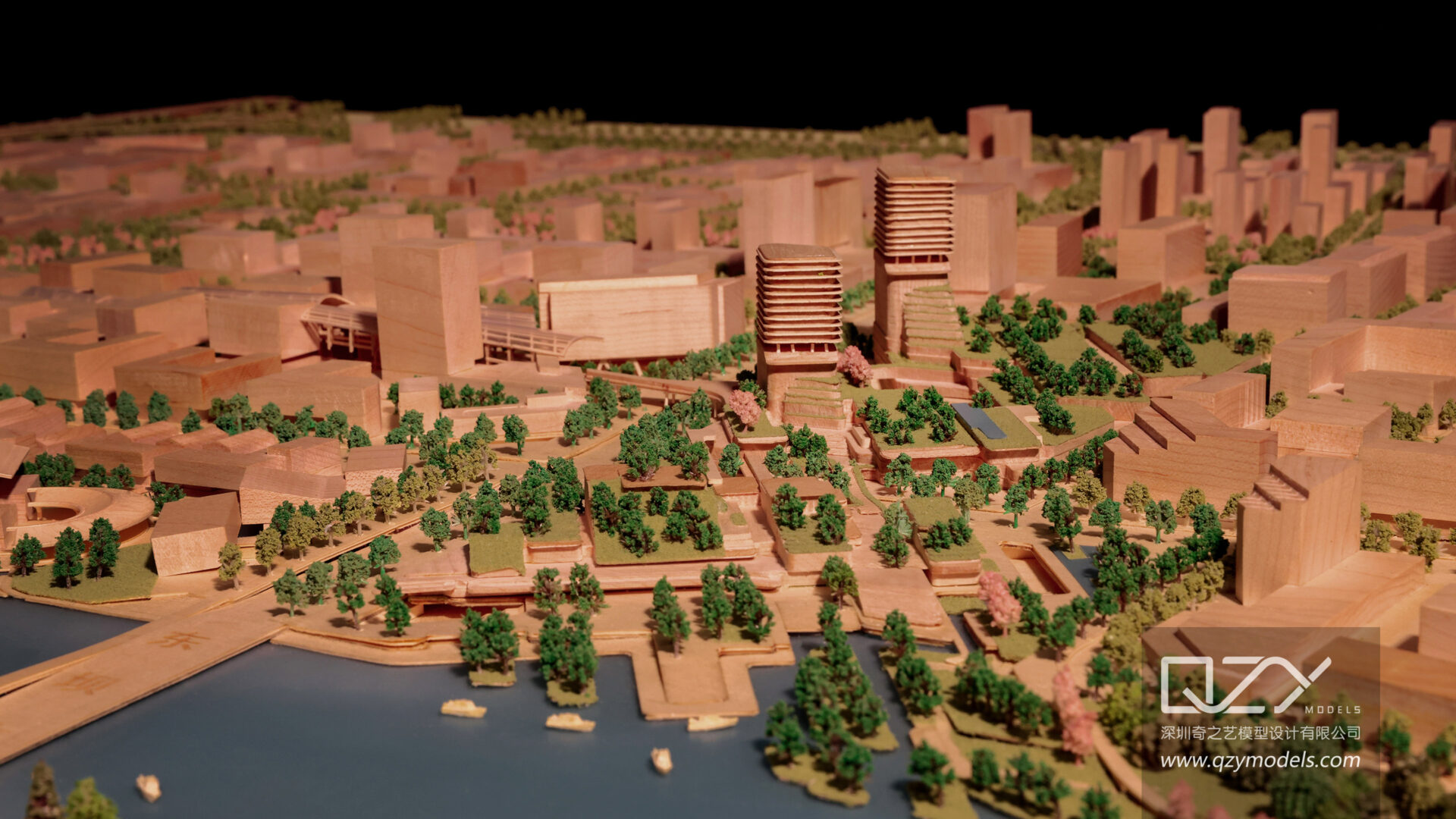
Göbekli Tepe reconstruction reveals 12,000-year-old T-shaped pillars arranged in circular and rectangular enclosures, demonstrating advanced Neolithic design by hunter-gatherers. These reconstructions challenge traditional views of early civilization, showing ritual sites predated farming, combining daily life with monumental construction, and reflecting precise geometric planning that offers new insights into the origins of human social and architectural development.
What Architectural Features Define Göbekli Tepe Reconstruction?
Göbekli Tepe features massive T-shaped pillars up to 6 meters tall within circular enclosures measuring 10–30 meters in diameter. Pillars often include anthropomorphic carvings with arms and belts, while enclosures contain benches, terraces, and polished floors suggesting ritual and communal activity. By 8800 BCE, rectangular rooms evolved, indicating social and functional complexity. Physical models by QZY Models capture these features in precise scale, helping architects, historians, and museums visualize spatial arrangements.
| Key Architectural Elements | Description | Period |
|---|---|---|
| T-Shaped Pillars | 5–6m tall, carved reliefs of humans and animals | PPNA (9500–9000 BCE) |
| Circular Enclosures | 10–30m diameter, 8–12 pillars per circle | Early Neolithic |
| Rectangular Rooms | Polished floors, seating areas, repaired walls | PPNB (8800–8000 BCE) |
QZY Models specializes in creating detailed replicas that highlight both scale and craftsmanship, showcasing the ingenuity of Neolithic builders.
How Do Reconstructions Reveal the Site’s Original Purpose?
Reconstructions indicate Göbekli Tepe functioned as a ritual-social hub, hosting feasts, ceremonies, and gatherings for hunter-gatherers. Artifacts like grinding stones and cereal remnants suggest semi-permanent habitation. The symbolic carvings on pillars likely represented ancestors or totems, reinforcing communal identity. Discoveries in 2025, including human statues and reinforced walls in Enclosure C, confirm the site’s dual ritual and domestic purpose. QZY Models’ models provide a tactile way to study these interpretations, enabling scholars to explore whether Göbekli Tepe contributed to the Neolithic Revolution.
Which Challenges Face Accurate Göbekli Tepe Reconstruction?
Accurate reconstruction is complicated by multiple construction phases, landslide-buried enclosures, and fragmented pillars. Only a fraction of the site has been excavated, leaving uncertainties about roof structures and symbolic interpretation. Advanced technologies like 3D scanning, photogrammetry, and laser mapping help mitigate these gaps. QZY Models combines these tools with expert craftsmanship to produce models that balance historical accuracy with interpretative clarity.
| Reconstruction Challenges | Solutions |
|---|---|
| Multiple build phases | Layered 3D modeling |
| Buried or incomplete remains | Laser scanning & photogrammetry |
| Conservation and authenticity | Museum-quality replicas |
Why Is Geometric Planning Crucial in Göbekli Tepe Builds?
Geometric planning is evident in the alignment of major enclosures, forming precise equilateral triangles and modular layouts. This planning reflects coordinated labor, architectural knowledge, and symbolic intent, illustrating that pre-agricultural societies could execute complex designs. QZY Models integrates these geometric patterns in detailed physical models, aiding researchers and planners in understanding ancient design logic. Such precision reshapes perceptions of early cognition and spatial intelligence.
How Do Carvings Influence Reconstruction Interpretations?
Pillar carvings—depicting foxes, vultures, snakes, and abstract forms—offer insights into animistic beliefs, ritual practices, and community narratives. Predatory animals may symbolize protection, danger, or totems, while rare human representations highlight social or ceremonial significance. Recent discoveries of human-faced pillars enhance contextual understanding. QZY Models replicates these carvings with high fidelity, allowing immersive educational experiences and enabling analysis of symbolic storytelling in Neolithic society.
When Did Building Phases Evolve at Göbekli Tepe?
Göbekli Tepe evolved from circular enclosures (PPNA, 9500–9000 BCE) to rectangular rooms (PPNB, 8800–8000 BCE) with successive phases of repair and modification. Later phases saw a decline in monumental activity due to environmental changes, such as landslides. Physical reconstructions layer these phases, offering chronological clarity and aiding scholarly research into the social and functional transitions of Neolithic communities.
Can Modern Tech Enhance Göbekli Tepe Models?
Technologies including photogrammetry, virtual reality, AI, and 3D printing enhance the precision of Göbekli Tepe reconstructions. Digital scans capture micro-details, while physical replicas provide scale and tactile feedback. QZY Models leverages these technologies to produce accurate, scalable models for exhibitions, educational institutions, and research, bridging a 12,000-year gap in human architectural understanding.
QZY Models Expert Views
“Göbekli Tepe represents one of humanity’s earliest architectural triumphs. At QZY Models, we combine over 20 years of expertise with advanced scanning and modeling techniques to faithfully reproduce its T-pillars and enclosures. Each model demonstrates precision, cultural significance, and educational value, allowing architects, developers, and scholars worldwide to study Neolithic ingenuity firsthand. Our goal is to preserve heritage while inspiring modern design through historical excellence.”
Conclusion
Göbekli Tepe reconstructions reshape our understanding of early civilization, revealing that hunter-gatherers executed monumental, geometrically precise constructions blending ritual and daily life. Key takeaways include the symbolic significance of T-pillars and carvings, phased architectural evolution, and the value of integrating modern technologies into historical modeling. QZY Models offers custom replicas that make these insights tangible for architects, educators, and cultural institutions worldwide.
Frequently Asked Questions
Are Early Ritual Structures the Key to Understanding Human Belief Systems?
Reconstruction shows that monumental layouts and symbolic carvings at Göbekli Tepe indicate organized ritual activity before agriculture. Spatial analysis helps identify gathering areas, ceremonial sequences, and community participation. These findings suggest belief systems may have driven social cooperation and monument building. Study alignment, iconography, and construction phases to better interpret early spirituality.
Did Reconstruction Prove That Hunter-Gatherer Societies Were More Complex Than We Thought?
Yes, reconstruction evidence highlights coordinated labor, planning, and shared resource management. Large stone structures imply leadership roles and structured collaboration. Archaeological modeling reveals sophisticated decision-making and long-term site use. These insights challenge outdated assumptions about simplicity and show that social organization existed well before settled farming communities.
How Is Advanced Technology Enhancing the Study of Ancient Sites?
Tools such as 3D scanning, digital mapping, and structural simulation improve accuracy without damaging fragile remains. High-resolution data allows researchers to test construction hypotheses and visualize missing elements. QZY Models applies precision modeling techniques to translate archaeological findings into accurate physical representations, supporting education, exhibitions, and professional research presentations.
What Can Monumental Architecture Tell Us About Early Engineering Skills?
Reconstruction studies reveal advanced stone shaping, transport planning, and structural alignment. Analysis of foundations and material sourcing demonstrates technical knowledge and teamwork. Engineers and archaeologists use modeling to evaluate stability and construction order. These methods show that prehistoric communities possessed practical engineering capabilities and long-term project planning skills.
Why Is Preservation Crucial for Understanding Ancient Civilization?
Careful conservation protects original materials while enabling controlled study and reconstruction. Accurate documentation, digital archiving, and site stabilization prevent data loss. Preservation ensures interpretations remain evidence-based and revisable as new findings emerge. Protecting sites maintains historical integrity and supports ongoing research, education, and responsible cultural heritage management.
How Is Reconstruction Fueling New Debates About the Timeline of Civilization?
Reevaluation of architectural evidence suggests complex social structures may predate traditional timelines. Reconstruction allows researchers to test alternative models of development, including early cooperation and symbolic systems. These insights encourage interdisciplinary discussion and comparative analysis, reshaping how scholars define the beginning of organized civilization.
Can Reconstruction Projects Boost Education and Sustainable Tourism?
Yes, accurate models and interpretive displays enhance visitor understanding and engagement. QZY Models delivers high-precision architectural and industrial models for museums, exhibitions, and planning institutions worldwide. Clear visualizations improve public education, support design communication, and promote responsible tourism initiatives focused on cultural appreciation and long-term site protection.
How Are Reconstruction Findings Transforming Our View of Early Civilization?
Integrated research combining architecture, technology, and cultural analysis reveals that early societies were innovative and organized. Evidence from monumental sites demonstrates planning, cooperation, and symbolic expression. Reconstruction helps visualize original structures, refine historical interpretations, and update academic models, providing clearer insight into humanity’s earliest complex communities.