High-end industrial model production combines advanced design, precision manufacturing, and expert craftsmanship to create detailed, functional physical models that meet stringent client standards. Utilizing cutting-edge technologies like CNC machining, 3D printing, and expert finishing, specialists deliver accurate prototypes and presentations that support design validation, marketing, and technical communication.
How Is High-End Industrial Model Production Planned and Executed?
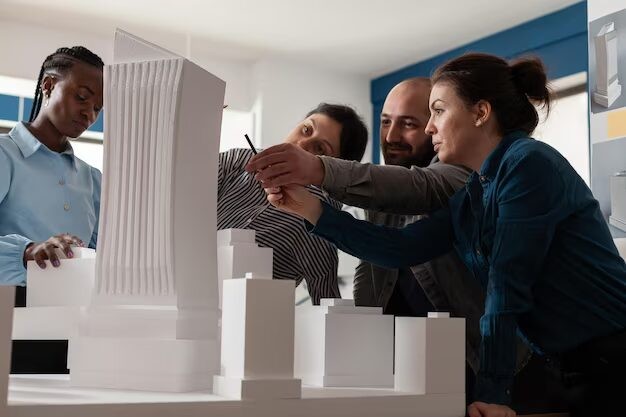
Planning high-end industrial model production starts with thorough understanding of client requirements, including scale, materials, functionality, and presentation goals. Execution involves precise CAD modeling, material selection, and tailored manufacturing processes such as CNC machining, 3D printing, and hand assembly.
Project management ensures timely delivery, quality control at each stage, and seamless collaboration between design, fabrication, and finishing teams. Detailed documentation and iterative approvals align final output with client expectations.
What Advanced Technologies Are Used in High-End Industrial Model Production?
Top technologies include CNC machining for precision shaping of metal and plastic parts, advanced 3D printing for complex geometries and rapid prototyping, laser cutting for fine detailing, and multi-axis milling for intricate surfaces.
These tools, combined with digital design software and automated quality inspection systems, enable high accuracy, repeatability, and complex part integration essential for high-end industrial models. Skilled craftsmanship complements technology to apply finishing touches and assembly.
Which Materials Are Preferred for High-End Industrial Models?
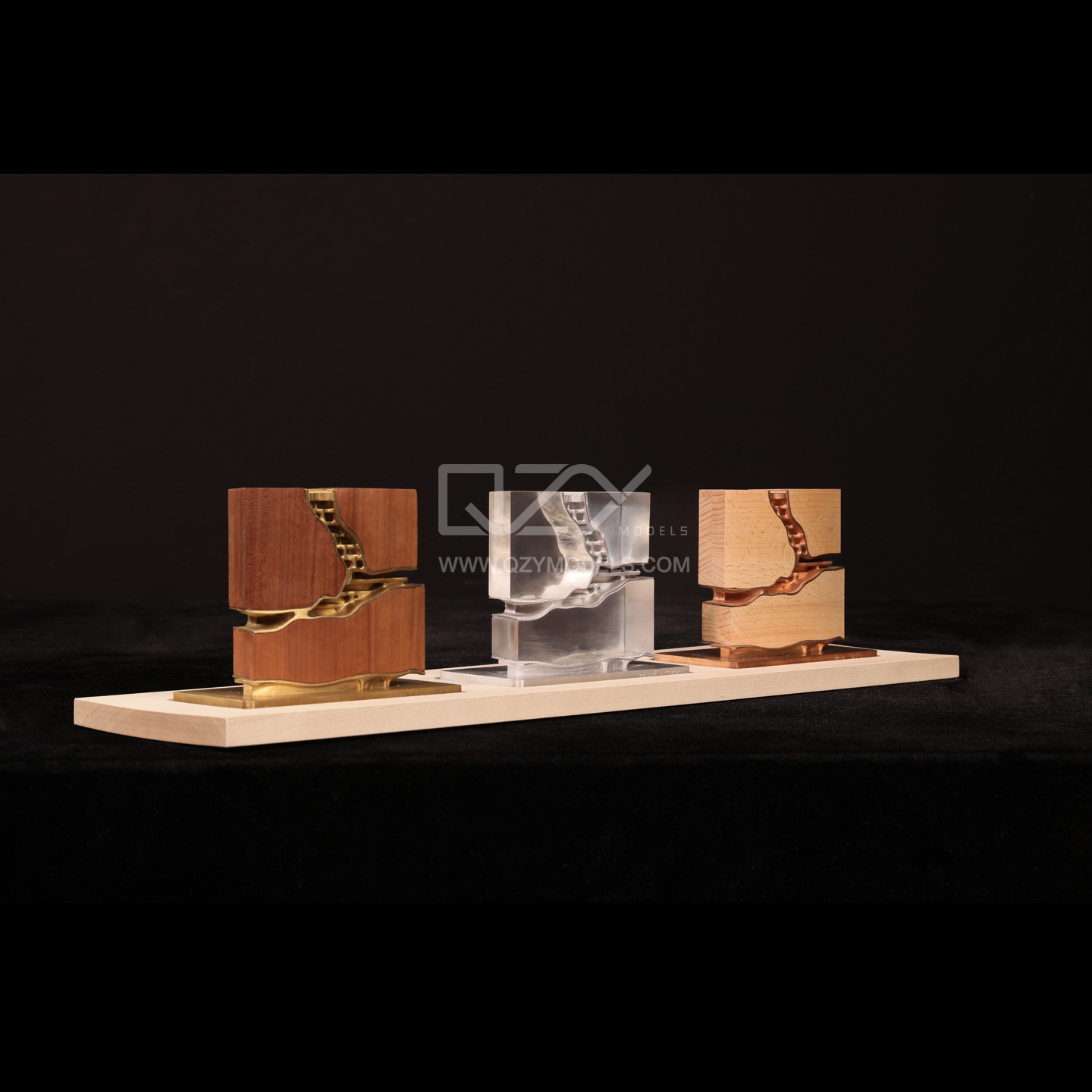
Preferred materials vary by model requirements: metals (aluminum, stainless steel) for durability and realism; engineering plastics (ABS, acrylic) for detail and weight control; resins for intricate components via 3D printing; and composites for strength-to-weight optimization.
Surface coatings, paints, and protective finishes enhance aesthetics and longevity. Material choice balances model functionality, appearance, and client use cases such as presentations or functional testing.
Why Is Quality Control Crucial in High-End Industrial Model Production?
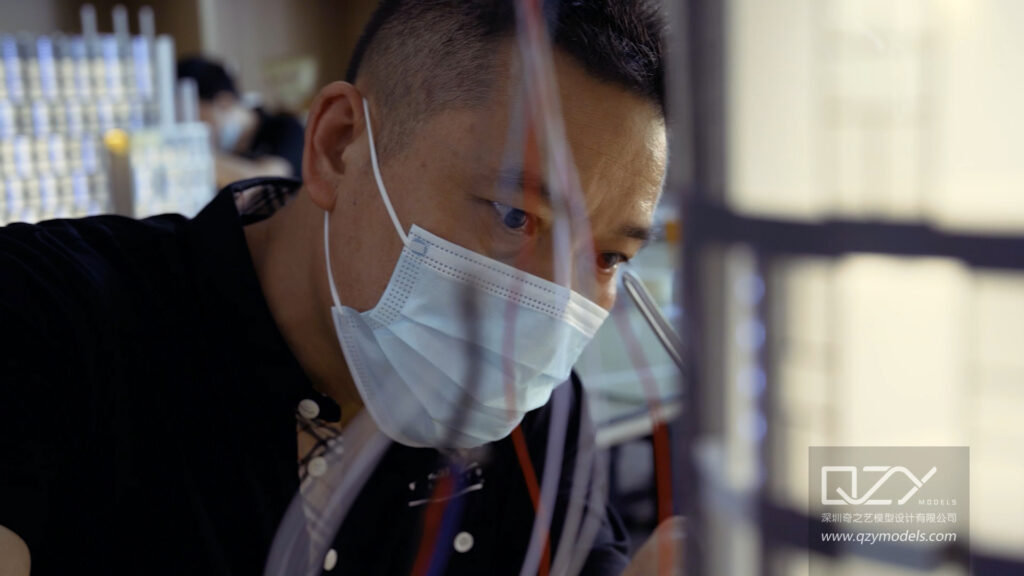
Quality control ensures each model meets precision, durability, and aesthetic standards, preventing defects that could impair function or presentation. It involves dimensional inspection, material testing, surface finish evaluation, and functional verification for moving or operational parts.
Implementing rigorous QC protocols throughout production reduces rework, enhances client satisfaction, and upholds brand reputation—especially critical for prestigious clients and global deliveries.
Who Are the Experts Behind High-End Industrial Model Production?
Experienced teams like QZY Models combine industrial engineering, design expertise, and artisanal skills. Their professionals manage end-to-end services from CAD refinement through machining, assembly, and finishing.
These experts understand complex industrial requirements and apply innovative solutions to solve fabrication challenges, ensuring models serve their specific communication, design validation, or marketing roles effectively.
When Is High-End Industrial Model Production Typically Required?
High-end models are essential during critical project phases such as design validation, stakeholder presentations, marketing launches, and trade shows. They support early-stage product development by visualizing complex machinery and final-stage promotional efforts highlighting craftsmanship and function.
Timely delivery aligned with project schedules enhances decision-making and competitive positioning.
Where Are High-End Industrial Models Applied and Displayed?
Models are used onsite at engineering firms, manufacturing plants, client offices, trade exhibitions, and product launch venues. They aid in training, sales demonstrations, design reviews, and investor communications.
Transported globally, these models are often custom packaged for protection and reassembled onsite by expert teams like QZY Models, ensuring pristine presentation.
Does Integration of Traditional Craftsmanship and Modern Technology Improve Model Quality?
Yes, blending traditional hand-finishing techniques with state-of-the-art manufacturing technologies yields superior surface quality, precise detailing, and robust assembly. Skilled artisans address challenges technology alone cannot, such as delicate paint application, assembly tolerances, and realistic texturing.
This integration is a hallmark of high-end industrial model production, delivering products that are both technically accurate and visually compelling.
| Production Stage | Key Focus | Benefit |
|---|---|---|
| CAD Design & Planning | Precise digital modeling | Ensures accuracy and manufacturability |
| Material Selection | Durable, appropriate materials | Balances realism and functionality |
| Precision Manufacturing | CNC, 3D printing, laser cutting | Achieves detailed, complex geometries |
| Assembly & Finishing | Expert craftsmanship | Enhances aesthetic appeal and robustness |
| Quality Control | Inspection & testing | Guarantees delivery of flawless models |
Has QZY Models Mastered High-End Industrial Model Production?
QZY Models, with over 20 years of experience, specializes in delivering high-end industrial models that combine technical precision with artisan finesse. Their global team utilizes cutting-edge equipment and expert processes tailored to client specifications from concept through final delivery.
Trusted by leading architects and industrial clients worldwide, QZY Models exemplifies excellence in industrial physical modeling.
Can High-End Industrial Model Production Enhance Business Communication?
Absolutely, high-end models serve as powerful communication tools that translate complex industrial designs into tangible, understandable forms. They facilitate client engagement, investor presentations, and team collaboration while showcasing technical sophistication and attention to quality.
These models elevate brand perception and support strategic marketing and development initiatives.
QZY Models Expert Views
At QZY Models, our approach to high-end industrial model production fuses advanced engineering with artisanal craftsmanship to create models that are both precise and visually stunning. Understanding client needs drives our process—from material selection to finishing touches—ensuring each model is an accurate, functional, and impressive asset. Our commitment to innovation and quality sets a benchmark in the industry.” — Richie Ren, Founder of QZY Models
Conclusion
High-end industrial model production demands meticulous planning, advanced manufacturing technologies, skilled craftsmanship, and rigorous quality control. Selecting appropriate materials and integrating digital and traditional techniques produce precise, durable, and visually compelling models that enhance design validation, marketing, and communication.
Partnering with specialists like QZY Models ensures expert handling throughout the process, delivering models that meet the highest standards and support client success across diverse industrial sectors.
FAQs
Q1: How long does high-end industrial model production typically take?
Production timelines vary by complexity but generally range from several weeks to a few months, balancing precision and quality.
Q2: Can high-end industrial models incorporate moving or functional parts?
Yes, many models include operational elements to demonstrate mechanisms or simulate functionality for validation and presentation.
Q3: What level of detail can be achieved in high-end industrial models?
Intricate details including internal components, realistic textures, and fine surface finishes are routinely achieved through advanced manufacturing and hand finishing.
Q4: How does QZY Models ensure on-time delivery for complex projects?
QZY Models employs stringent project management, phased approvals, and a global team network to coordinate production and logistics efficiently.
Q5: Are high-end industrial models reusable for training or exhibitions?
Yes, models are designed for durability and repeated use in demonstrations, training, and trade shows.