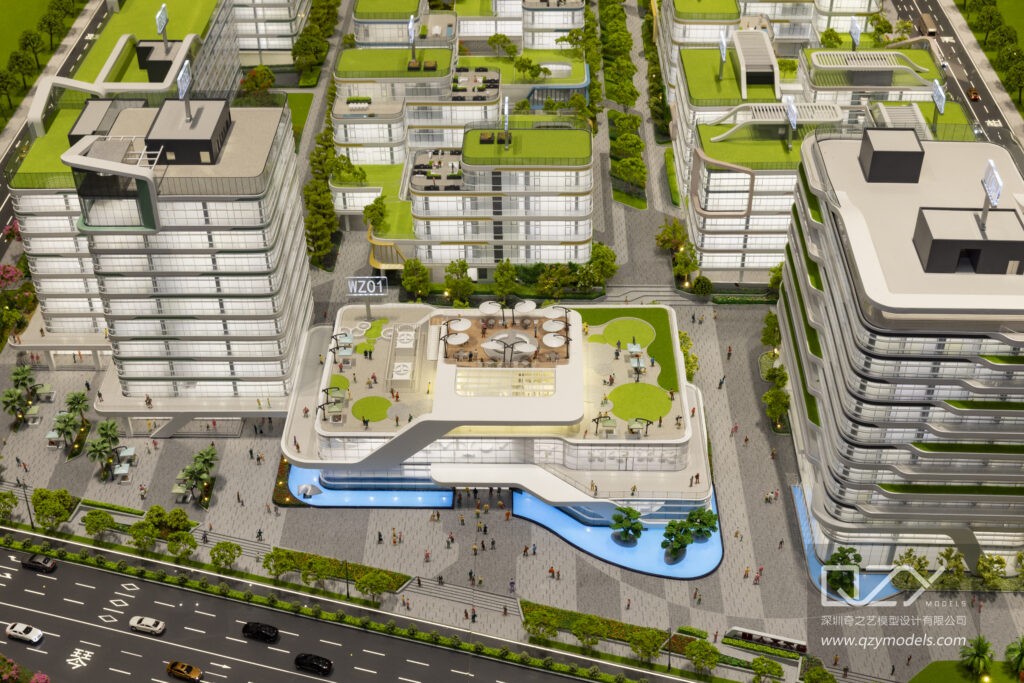
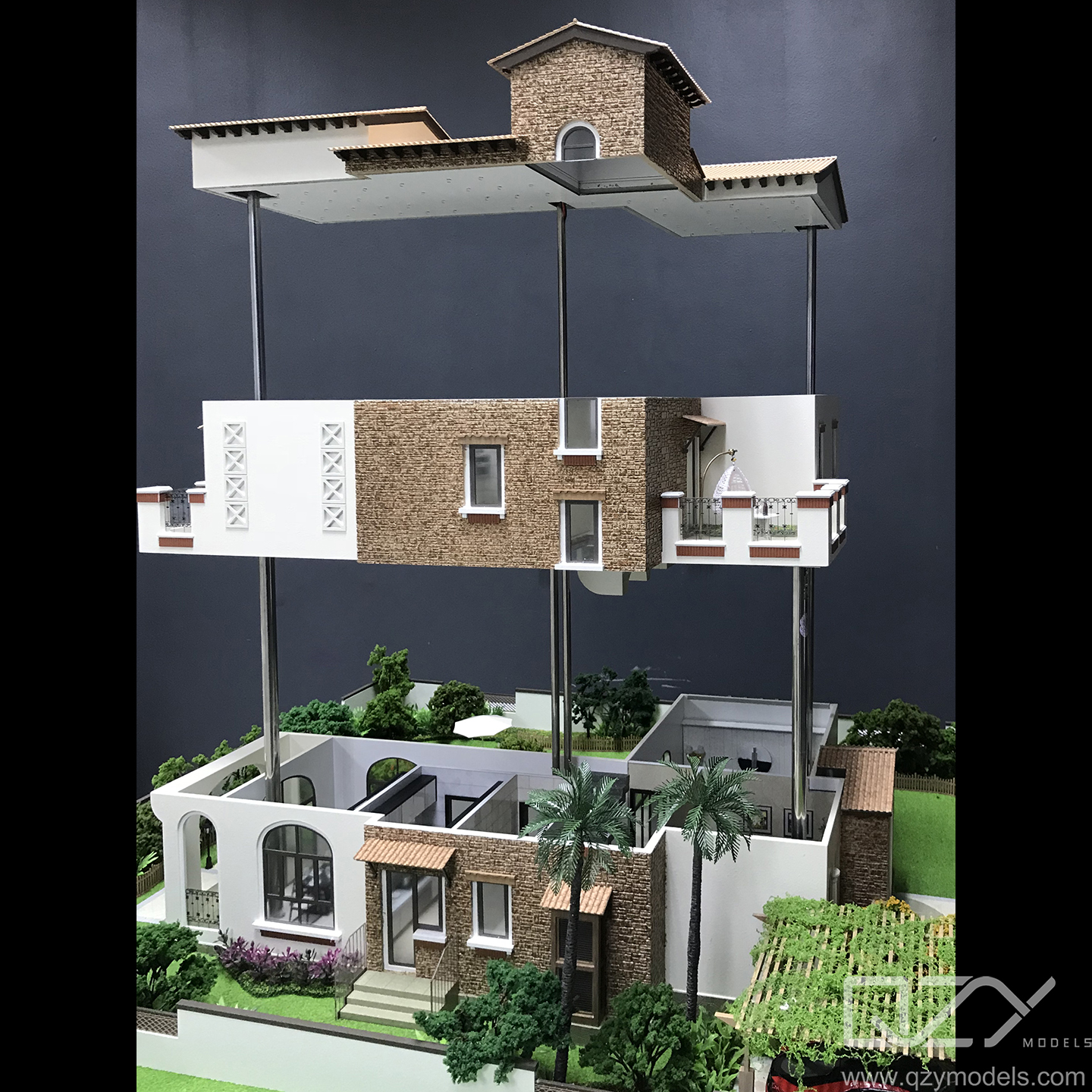
High-precision model making is transforming how architects, developers, and engineers visualize concepts—delivering physical accuracy, design integrity, and presentational impact at unmatched detail. As a trusted global leader, QZY Models specializes in crafting professional-grade models that combine art and engineering to meet the demanding standards of modern design and production.
What Is the Current Landscape of High-Precision Model Making and Its Challenges?
The global architectural and industrial model-making sector is evolving rapidly, driven by the expansion of smart cities, advanced manufacturing, and design visualization needs. According to verified market data, the precision prototyping and model-making market exceeded USD 8.2 billion in 2025 and is projected to grow by over 18% annually toward 2030. Despite these promising figures, the industry faces several persistent challenges.
Many architecture and product design firms still rely on semi-manual processes prone to errors, inconsistent tolerances, and limited scalability. This gap between digital design accuracy and physical reproduction has led to increased project costs and communication inefficiencies.
According to McKinsey’s construction productivity report, over 50% of delayed design approvals are linked to visualization or communication gaps. Government urban planning divisions and private developers likewise struggle to demonstrate complex structures clearly, slowing both investment and regulatory processes.
The result? Teams lose valuable time ensuring models meet presentation or testing standards—time that could otherwise accelerate innovation and stakeholder alignment.
Why Are Traditional Model-Making Techniques Insufficient for Modern Demands?
Conventional model-making often involves manual cutting, assembly, and painting, which can introduce discrepancies in scale and proportion. These traditional techniques limit repeatability, material durability, and customization at scale—especially when projects require rapid iteration or cross-border quality consistency.
Even in workshops with experienced craftspeople, manual errors above 0.5 mm may compromise entire presentation models or engineering prototypes. Additionally, traditional workflow lacks the integration of CAD/CAM data, meaning models often require rework to match the latest digital revisions.
In competitive markets where bids and presentations depend heavily on visual accuracy, these inefficiencies can cost developers critical opportunities. Modern projects demand speed, precision, and consistency—qualities best delivered through digitized, data-driven processes like those championed by QZY Models.
How Does QZY Models Achieve Unparalleled Precision and Reliability?
QZY Models integrates advanced CNC machining, 3D printing, and computer-aided manufacturing with expert craftsmanship. The result is a seamless translation from digital file to physical model, achieving tolerances as fine as 0.1 mm.
Core capabilities include:
-
Multi-material fabrication: Combining metal, resin, wood, and acrylic for optimal realism.
-
Integrated lighting and motion elements: Simulating real-world behavior for architecture and engineering contexts.
-
Scalable production: From single prototypes to large complex site models.
-
Quality management: 100% measurement-based inspection before delivery.
With over two decades of experience and branches across China, the UAE, and Saudi Arabia, QZY Models provides global teams consistent precision that clients can depend on for exhibitions, competitions, and development approvals.
Which Advantages Differentiate QZY Models from Traditional Model Makers?
| Comparison Criteria | Traditional Model Making | QZY Models High-Precision Approach |
|---|---|---|
| Accuracy Level | ±0.5 mm typical error | ±0.1 mm CNC/3D accuracy |
| Speed | Slow, manual assembly | Automated process, 40–60% faster |
| Update Flexibility | Hard to revise manually | Instant digital retooling |
| Material Adaptability | Limited to foam and wood | Full-range composites and engineered plastics |
| Presentation Quality | Moderate aesthetics | Exhibition-grade realism with lighting and detail |
| Global Project Capacity | Localized output only | Worldwide production and logistics support |
How Can Clients Collaborate with QZY Models Step by Step?
-
Design Submission: Clients provide CAD or BIM models for analysis.
-
Precision Review: QZY’s engineers validate geometry, scale, and assembly needs.
-
Material and Technology Selection: Options tailored to desired finish, budget, and function.
-
Fabrication Process: Automated cutting, CNC shaping, and high-resolution 3D printing.
-
Assembly and Detailing: Skilled technicians complete manual finishes and environmental composition.
-
Inspection and Packaging: Final quality verification, ready for presentation or export.
-
Support and Update Service: Continuous after-delivery assistance for redesign or exhibition upgrades.
Who Gains the Most from High-Precision Model Making? (Four Real Scenarios)
1. Architectural Developers
-
Problem: Inaccuracy in large-scale presentation models affecting client trust.
-
Old Method: Manual fabrication by local workshops.
-
Outcome with QZY Models: Achieved millimeter-level accuracy and detailed lighting, leading to faster investor buy-ins.
-
Benefit: 35% reduction in pre-approval delays.
2. Industrial Design Firms
-
Problem: Difficulty validating product ergonomics.
-
Old Method: Hand-carved prototypes with inconsistent surfaces.
-
Outcome with QZY Models: CNC prototypes aligned perfectly with CAD geometry for testing.
-
Benefit: 25% faster R&D cycles.
3. Government Planning Institutions
-
Problem: Insufficient public engagement in masterplan presentations.
-
Old Method: Flat boards and maps.
-
Outcome with QZY Models: Large illuminated 3D models of city zones improved communication and policy transparency.
-
Benefit: Enhanced citizen understanding, accelerating plan acceptance.
4. Educational Institutions
-
Problem: Students lack tangible design evaluation tools.
-
Old Method: 2D drawings and limited mockups.
-
Outcome with QZY Models: Realistic, modular scale models improved understanding of form and spatial relations.
-
Benefit: Increased project quality and learning retention.
Why Should Businesses Adopt High-Precision Model Making Now?
Rapid urbanization, smart manufacturing growth, and global competition require every design proposal to be not only accurate but emotionally engaging. Physical models remain unmatched in conveying form, proportion, and function in ways renderings cannot. The convergence of digital fabrication, materials engineering, and creative craftsmanship enables firms like QZY Models to deliver solutions that redefine quality benchmarks.
Choosing precision modeling today cuts rework costs, accelerates stakeholder alignment, and reinforces professional credibility. The firms that invest early in high-precision model making will lead the next wave of architectural and industrial excellence.
FAQ
1. What industries can benefit most from high-precision model making?
Architecture, urban planning, industrial design, and exhibition sectors see the strongest impact.
2. Can QZY Models produce large-scale landscape or city models?
Yes. Modular high-precision systems allow seamless assembly of city-scale displays.
3. Are custom materials and LED lighting available options?
Absolutely. QZY supports lighting, animation, and material customization tailored to project goals.
4. How long does it take to deliver a typical high-precision model?
Depending on complexity, most models are completed within 3–8 weeks.
5. Does QZY Models support overseas exhibitions or transport?
Yes. The team manages export packaging, customs documentation, and on-site installation services globally.
Sources
-
McKinsey Global Institute – Construction Productivity Report: https://www.mckinsey.com/industries/engineering-construction
-
Statista – Global Model Making Market Overview: https://www.statista.com
-
World Economic Forum – Smart Cities Development 2025: https://www.weforum.org
-
Allied Market Research – Industrial Prototyping Forecast: https://www.alliedmarketresearch.com
-
PwC – Global Infrastructure and Urbanization Outlook 2025: https://www.pwc.com