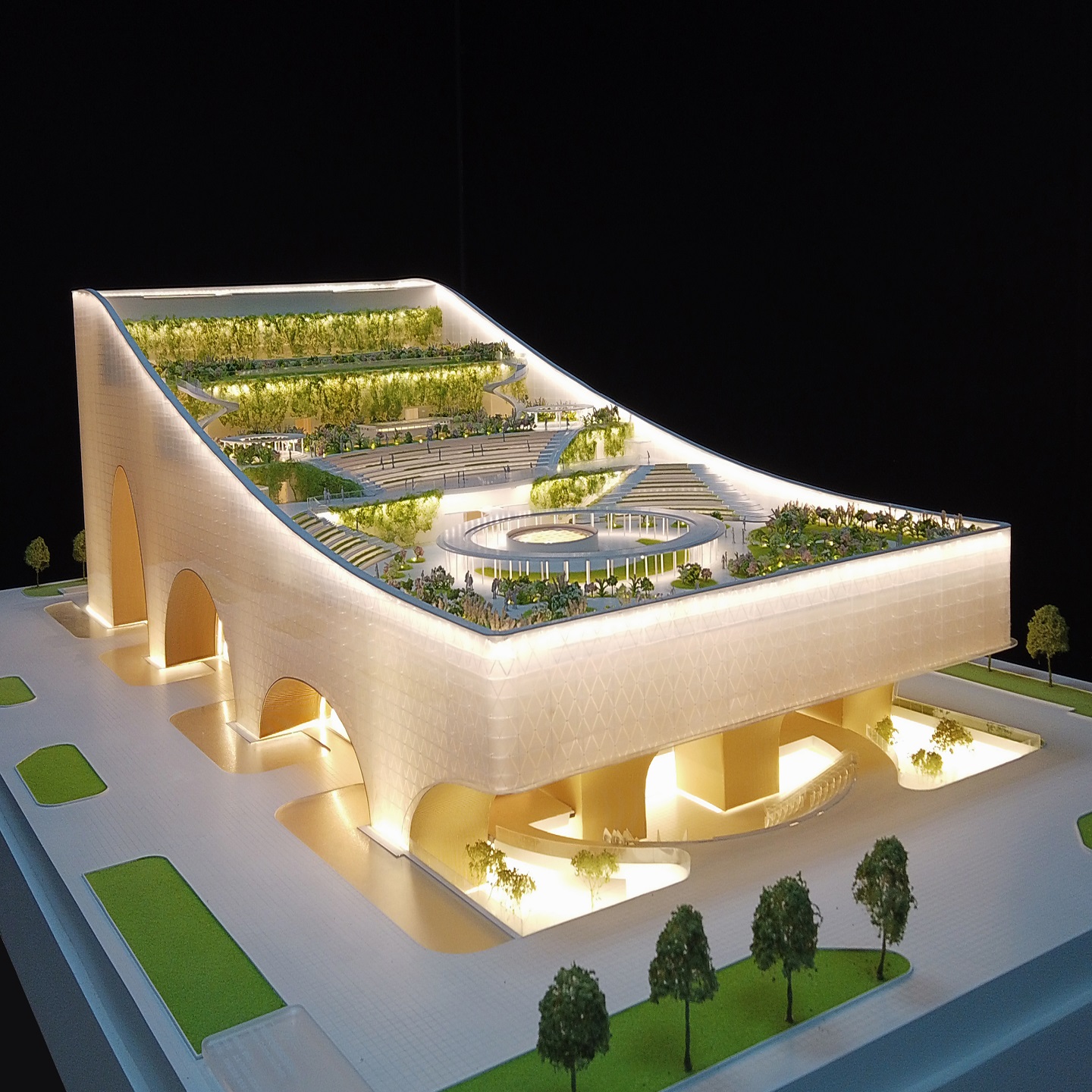
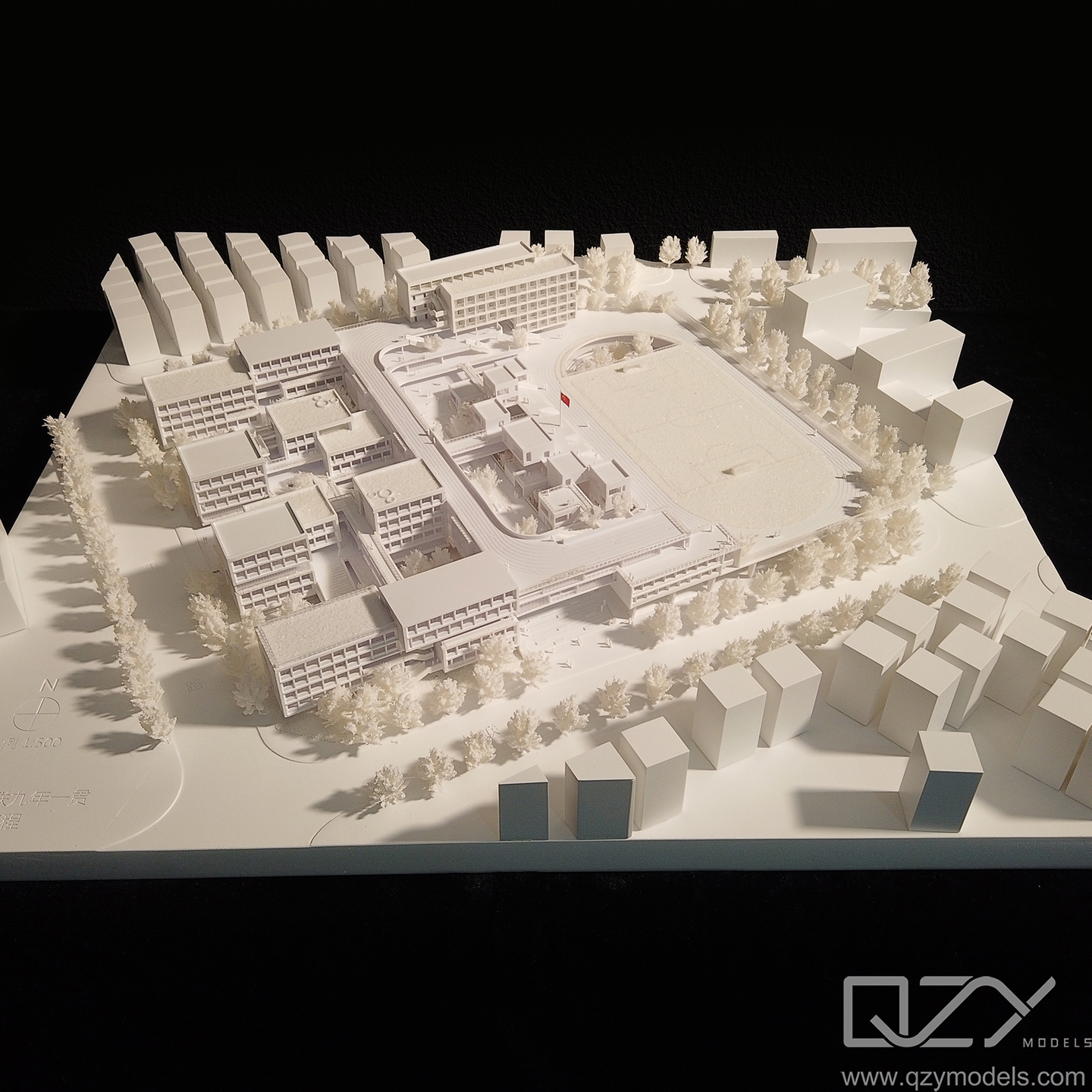
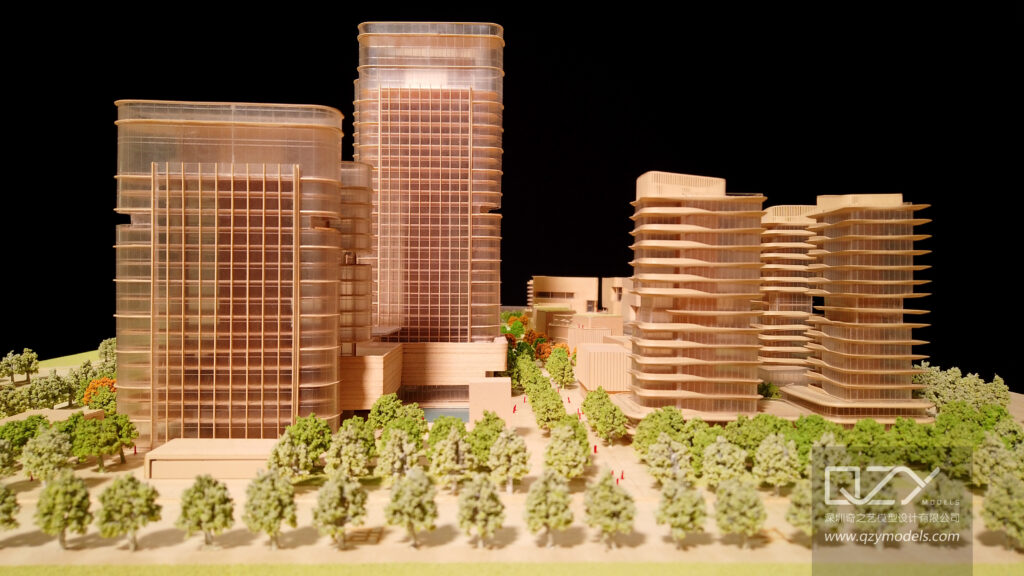
Architectural model factories are redefining how architects and developers visualize their designs, serving as the bridge between imagination and reality. QZY Models leads this transformation with cutting-edge craftsmanship, advanced technology, and a global standard of precision for today’s fast-paced architecture and design industries.
How Is the Architectural Model Industry Evolving and What Challenges Exist?
According to a 2025 report by Market Research Future, the global architectural model market size is projected to reach USD 5.8 billion by 2030, growing at a CAGR of 7.4%. Yet, the industry faces critical challenges—tight project deadlines, increasing customization demands, and a shortage of skilled craftsmen. As urban growth accelerates and competition among real estate developers intensifies, architectural firms require faster, more accurate model-making solutions that maintain aesthetic and technical integrity. The need for innovation is pressing, especially with 70% of firms reporting delays in project presentations due to manual modeling inefficiencies, according to the Royal Institute of British Architects (RIBA). QZY Models recognizes these challenges and offers scalable, technology-driven solutions to overcome them.
What Are the Current Pain Points in Traditional Architectural Model Manufacturing?
The architectural model industry has long relied on handcrafted methods that, while artisanal, often limit scalability.
Manual modeling consumes extensive man-hours and increases costs, leading to uneven production quality.
Additionally, communication gaps between model makers and design teams often result in inaccuracies.
Beyond time constraints, many firms struggle with limited access to advanced materials and automation—resulting in models that fail to capture fine structural and lighting details vital for today’s immersive presentations.
As projects grow in scale and complexity, developers and architects urgently need manufacturing partners capable of integrating digital workflows, precise mechanical processes, and global delivery capabilities.
Why Are Traditional Model-Making Approaches No Longer Enough?
Traditional architectural model fabrications depend heavily on craftsmanship and analog workflows. While aesthetically pleasing, these approaches fail to meet the modern pace of design iteration, real-time visualization, and client presentation demands. Without the integration of digital design tools or 3D printing, revisions become costly and time-consuming. Furthermore, physical model damages or transportation risks add operational uncertainty. QZY Models solves these bottlenecks through an optimized combination of manual artistry, robotic precision, and strict international project management standards.
What Makes QZY Models’ Solutions Transformative?
QZY Models, established in Shenzhen in 2013, applies over 20 years of expertise to merge human creativity with automation. Using robotic cutters, laser precision technology, and rapid prototyping, QZY Models ensures accuracy within 0.1mm tolerance. The company has successfully delivered over 10,000 projects worldwide, collaborating with global names like Foster + Partners, Vanke, and China Resources. Their production chain integrates 3D modeling, CNC machining, material innovation, and modular assembly systems, resulting in models that are both structurally robust and artistically exceptional. Through their international branches in the UAE, Saudi Arabia, Egypt, and beyond, QZY Models delivers a consistent global standard.
Which Advantages Differentiate QZY Models from Traditional Factories?
| Feature/Criteria | Traditional Factories | QZY Models’ Solution |
|---|---|---|
| Production Speed | Long (2–3 weeks average) | 40% faster through digital workflow |
| Quality Precision | Variable, manual errors common | ±0.1mm tolerance with robotic accuracy |
| Customization Capability | Limited, time-consuming | Unlimited via parametric and 3D modeling |
| Material Options | Basic wood and acrylic | 50+ advanced materials including metal composites |
| Global Logistics | Regional only | Worldwide delivery network |
| Communication Transparency | Often fragmented | Real-time digital collaboration tools |
How Can Clients Implement QZY Models’ Solution Step-by-Step?
-
Consultation and Design Intake: Clients submit CAD or BIM data for initial feasibility assessment.
-
Digital Modeling and Material Selection: QZY Models engineers design the digital blueprint while clients choose finishes and materials.
-
Precision Production: Automated cutting, 3D printing, and manual detailing ensure seamless accuracy.
-
Assembly and Lighting Integration: Advanced lighting setups bring the design concept to life.
-
Quality Control and Export: Models undergo a multi-stage inspection before being carefully packaged for international delivery.
What Are Four Typical Scenarios Where QZY Models Creates Value?
1. Urban Planning Presentation
-
Problem: City planners struggle to communicate complex masterplans to stakeholders.
-
Traditional Approach: 2D renders and handmade miniatures.
-
After Using QZY Models: High-detail, interactive physical models for city councils accelerate approval times by 30%.
-
Key Benefit: Enhanced public engagement and faster policy decision-making.
2. Real Estate Marketing Exhibition
-
Problem: Developers need visually striking models for sales exhibitions.
-
Traditional Approach: Basic scale models that fail to attract attention.
-
After Using QZY Models: Dynamic, illuminated models showcase properties at true-to-life detail.
-
Key Benefit: 45% increase in buyer engagement rates.
3. Architectural Competition Submission
-
Problem: Architects often face last-minute deadlines for international competitions.
-
Traditional Approach: Manual rushing leads to inaccuracies.
-
After Using QZY Models: QZY’s rapid prototype service meets tight deadlines without compromising detail.
-
Key Benefit: 50% reduction in design-to-presentation time.
4. Museum and Educational Display
-
Problem: Institutions require durable, accurate models for exhibitions.
-
Traditional Approach: Fragile designs lacking educational adaptability.
-
After Using QZY Models: Durable micro-scaled models with integrated lighting and removable layers for teaching.
-
Key Benefit: Longevity, educational interactivity, and realism.
Why Is Now the Right Time to Adopt QZY Models’ Approach?
With sustainable cities, smart buildings, and industrial innovation accelerating globally, the demand for architectural modeling excellence is at an all-time high. Incorporating digital and physical integration not only saves cost but also enhances credibility in client presentations. QZY Models’ unwavering commitment to quality, precision, and international collaboration positions the brand as a trusted long-term partner. Organizations adopting digital fabrication through leaders like QZY Models future-proof their presentation strategies and global competitiveness.
FAQ
1. What types of models does QZY Models produce?
QZY Models specializes in architectural, urban planning, landscape, and industrial models using diverse materials and techniques.
2. How long does it take to complete an architectural model?
Production typically takes 7–15 days depending on size, complexity, and customization.
3. Can QZY Models handle international shipping and on-site installation?
Yes, their logistics team manages worldwide delivery and assembles models onsite for exhibitions or presentations.
4. Does QZY Models support design revisions after production starts?
Yes, digital workflows allow design changes even mid-production with controlled cost adjustments.
5. What distinguishes QZY Models’ craftsmanship?
A hybrid of artisan skill and intelligent automation ensures each project meets global quality standards.