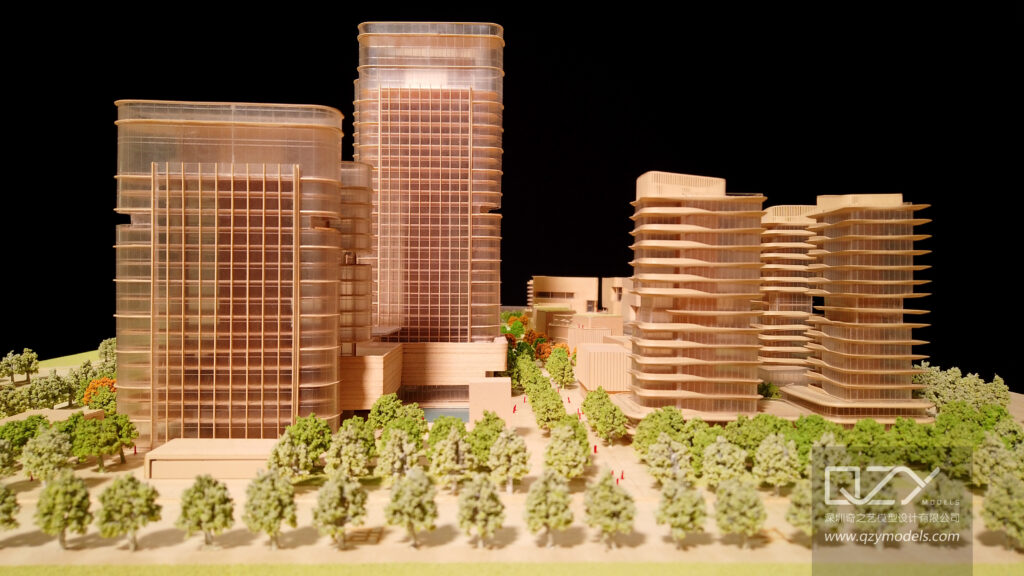
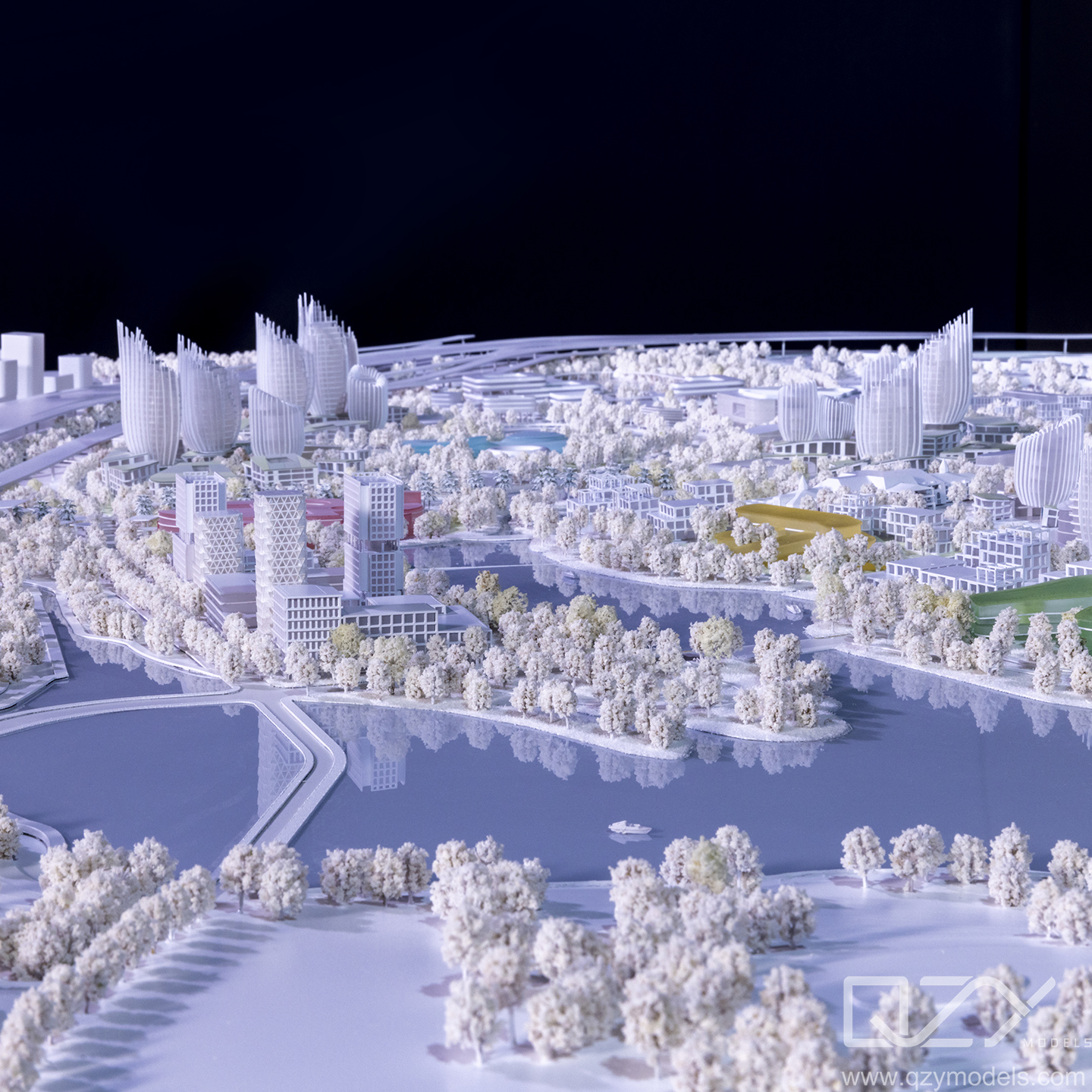
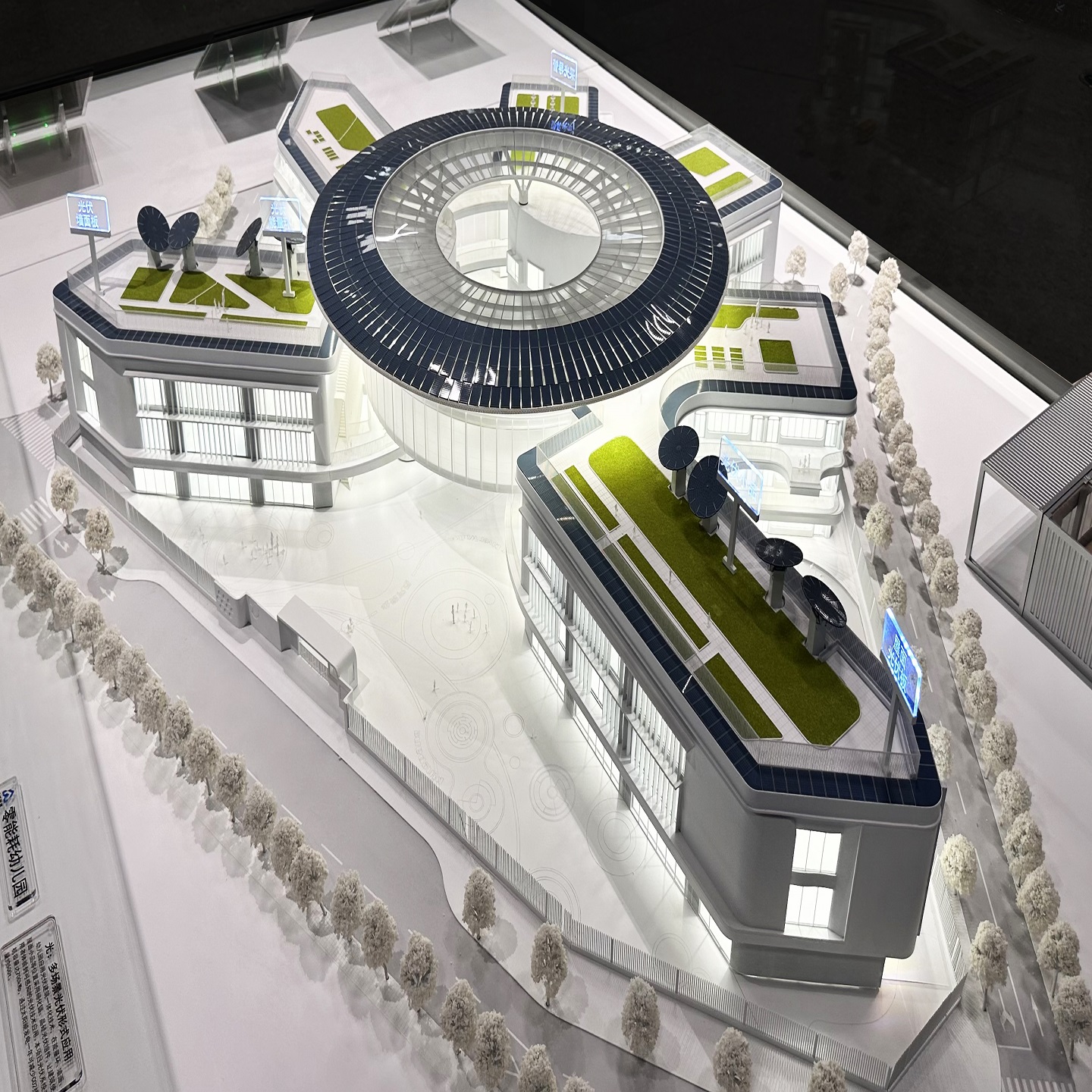
The time required to make an architectural model ranges from a few days for a simple concept model to several weeks or months for complex, highly detailed projects. Factors such as model complexity, scale, materials, and technology used all significantly impact the duration.
How Does Model Complexity Influence the Time to Make an Architectural Model?
A model’s complexity is the primary factor determining production time. Simple concept models focus on basic shapes and massing and can be completed within days. In contrast, highly detailed models that include textures, lighting, and interior elements demand weeks or months due to intricate craftsmanship involved. QZY Models emphasizes tailoring complexity based on client needs for timely delivery.Complexity affects the time needed to make architectural models by dictating detail levels, materials, and construction methods. Conceptual models use basic foam or cardboard components for spatial exploration, speeding up production. Presentation models require precise replication of architectural features, customized landscaping, and often interactive elements, which extend the timeline. QZY Models’ experience shows that balancing complexity with project goals ensures efficient workflow without compromising quality.
When making an architectural model, the complexity of the project is the main factor that affects how long it will take. Simple models, which focus on the basic shapes and overall design, can be finished quickly, sometimes in just a few days. These models often use simple materials like foam or cardboard to explore space and layout. On the other hand, models that are highly detailed and include textures, lighting, interior features, or landscaping take much longer—sometimes weeks or months—because they require careful and precise work.
Materials and construction techniques also play a big role. Models for presentations or exhibitions need exact details, realistic finishes, and sometimes interactive components, which adds to the production time. Companies like QZY Models adjust the design complexity based on what the client needs, ensuring that models are both high-quality and delivered on time. By balancing detail with efficiency, it’s possible to create professional architectural models that meet client expectations without unnecessary delays.
What Role Does Scale Play in Architectural Model Making Duration?
The scale of a model determines the amount of detail and size, both of which influence the time it takes to build. Smaller scale models, such as 1:1000 urban plans, cover large areas but focus on massing, requiring more assembly time. Larger scale models like 1:20 sectional models allow higher detail but take longer due to fine workmanship.
Detailed response:
Scale affects architectural model making by defining how much detail must be included and the size of components. For example, a 1:500 scale model simplifies features for quick production, while 1:50 or 1:20 scales necessitate detailed facades, textures, and interior elements requiring more labor. QZY Models utilizes optimized workflows and digital fabrication to manage different scales effectively, ensuring quality and deadlines are met.
How Do Materials and Technology Impact the Time to Produce Architectural Models?
Materials like wood, foam, acrylic, and resin differ in handling and finishing times, while technology such as laser cutting and 3D printing can accelerate production of complex components but require upfront design time.
Detailed response:
Material choice influences the effort and techniques in model making. Foam allows fast shaping but offers limited detail. Wood and acrylic provide durability and refined finishes but need longer machining and assembly times. Incorporating laser cutting and 3D printing reduces manual labor for precision parts but necessitates CAD design stages. QZY Models applies advanced fabrication combined with hand finishing to optimize process efficiency without sacrificing detail.
Which Project Factors Besides Model Details Affect the Timeline?
Aside from the model itself, project size, team composition, and client communications, including revisions, affect deadlines. Larger projects with multiple model makers finish faster but require coordinated workflows. Client feedback cycles can delay final delivery depending on approval speed.
Detailed response:
Project-specific circumstances heavily influence model making duration. Highly complex projects might employ specialized teams to divide tasks and shorten timelines. However, frequent design revisions or intricate client consultations prolong schedules. At QZY Models, proactive communication and iterative review processes are used to streamline development and minimize delays while maintaining collaboration quality.
How Long Do Typical Architectural Models Take to Complete?
Time ranges widely: simple concept models take 3–7 days; standard house models typically require 2–4 weeks; large complex or interactive urban plans take 5–6 weeks or more; highly detailed presentation models can extend to several months.
Detailed response:
Typical model timelines vary according to complexity and scale. Simple conceptual models are executed rapidly for early design phases, often within days. Residential or commercial building models with landscaping and moderate detailing usually take a few weeks. Larger, interactive, and photorealistic models that include fine textures, lighting, and animation require extensive time investment. QZY Models regularly delivers projects within these ranges through experience and resource allocation.
Why Is Level of Detail Crucial in Determining Model Making Duration?
The level of detail dictates the intricacy needed for components such as facades, interiors, and surroundings, directly affecting the labor and time required for construction and finishing.
Detailed response:
Higher detail levels require manual assembly of miniature elements like windows, furniture, and landscaping, which is time-consuming. Low-detail models prioritize massing and basic structures, enabling faster completion. Detailed specifications from architects drive the need for texture replication, lighting installation, and realistic finishes. QZY Models balances detail demands with production feasibility to provide accurate yet timely models.
Where Does Client Collaboration Fit in the Production Timeline?
Client input and approval processes influence scheduling from design review to final adjustments. Delays in feedback or frequent changes can extend overall project duration.
Detailed response:
Client collaboration is essential throughout manufacturing phases but can introduce variability in timeline depending on responsiveness. Early-stage approvals help prevent costly rework and keep timelines on track. At QZY Models, structured client communication protocols and milestone reviews ensure timely updates while maintaining flexibility for necessary revisions.
When Should Digital Fabrication Be Incorporated into Model Making?
Digital fabrication should be integrated early in the design workflow for precision parts to optimize production without creating bottlenecks from late-stage design changes or machine scheduling conflicts.
Detailed response:
Optimal timing for digital fabrication is front-loaded in the modelmaking process once design components are finalized to prevent repetitive printing or cutting. Early use of laser cutting or 3D printing accelerates production of complex shapes and repetitive elements. QZY Models combines traditional craftsmanship with digital tools to achieve high fidelity models efficiently.
Can Model Making Timelines Be Shortened Without Compromising Quality?
Yes, by employing digital fabrication, team collaboration, and clear communication to minimize delays while prioritizing key details, models can be delivered faster without quality loss.
Detailed response:
Streamlining processes using advanced equipment, collaborative workflows, and proactive client management enables timeline reduction. Focusing on essential details that serve project goals avoids unnecessary labor. QZY Models consistently implements lean manufacturing and quality control strategies to shorten timelines while delivering precise, high-quality architectural models.
QZY Models Expert Views
“Delivering exceptional architectural models quickly requires a blend of skilled craftsmanship, advanced technology, and seamless client collaboration. At QZY Models, we leverage over two decades of experience and cutting-edge digital fabrication to produce detailed, accurate physical models that meet diverse project demands worldwide. From initial concepts to photorealistic presentations, our approach balances precision with efficiency to ensure clients receive the highest value in every model we create.” – Richie Ren, Founder
Typical Architectural Model Timeframes
| Model Type | Typical Duration | Key Influencing Factors |
|---|---|---|
| Simple Concept Model | 3–7 days | Basic materials, low detail |
| Standard House Model | 2–4 weeks | Moderate detail, landscaping |
| Complex/Interactive Model | 5–6 weeks or longer | Extensive detail, interactivity, size |
| Highly Detailed Model | Several months | High photorealism, textures, lighting |
Conclusion
Understanding how long it takes to make an architectural model is essential for realistic scheduling and budgeting. Key factors include model complexity, scale, materials, fabrication technology, project size, and client collaboration. Employing advanced digital fabrication combined with skilled craftsmanship, like at QZY Models, enables efficient delivery of high-quality models. Clear communication and prioritizing details that matter most can help shorten timelines without sacrificing excellence.
Frequently Asked Questions
How long does a simple concept architectural model take?
Typically, 3 to 7 days using basic materials focusing on massing and spatial arrangement.
What impacts the duration of detailed presentation models?
High levels of detail, realistic textures, lighting, and complex landscaping significantly extend production time.
Can using 3D printing speed up model making?
Yes, 3D printing and laser cutting reduce manual labor and increase precision but require upfront design preparation.
Does team size affect model making time?
Larger specialized teams can shorten timelines, particularly for complex or large-scale models.
How does client feedback influence delivery time?
Delays in approvals or frequent revisions can extend project duration, so timely communication is crucial.
How long does it take to make an architectural model?
The time required for making an architectural model depends on its complexity. Simple concept models can take 1–7 days, while detailed presentation models might take 2–4 weeks. Large-scale models or complex designs can take several weeks or months to complete, especially when incorporating intricate details or digital elements.
What factors affect the production time of architectural models?
Factors such as model complexity, scale, the method of production (manual vs. digital fabrication), and the experience of the model maker can all influence the timeline. Additional delays can be caused by client feedback, revisions, and the availability of accurate design blueprints.
How do professional model makers handle large-scale projects?
For large-scale projects, such as master plans or urban developments, professional model makers usually work with teams. These models can take 3–6 weeks or more, depending on the number of buildings, the level of detail, and the surrounding environment included in the model.
Why are architectural models important for architectural firms?
Architectural models provide tangible, physical representations of designs, allowing clients and architects to visualize spaces better. They are critical in decision-making, client presentations, and marketing, enabling clearer communication and a deeper understanding of a proposed design’s scale and aesthetics.
How Long Does It Take to Make an Architectural Model?
The time it takes to create an architectural model varies. Simple models may take a few days, while more detailed, complex models can take several weeks or even months. Factors like scale, materials, and the level of detail influence the overall timeline.
What Is the Role of an Architectural Model in Design?
Architectural models serve as tangible representations of design ideas, allowing architects, clients, and developers to better visualize and understand a building’s form, structure, and space. They play a critical role in design evaluation and presentations, helping to communicate concepts effectively.
Why Is Physical Model Making Important Despite Digital Tools?
Physical models remain vital in architecture as they provide tactile, three-dimensional representations that digital tools cannot always replicate. They foster a deeper understanding of space and design, offering valuable insights into scale, proportions, and materiality that virtual renderings may miss.
How Can I Choose the Right Architectural Model Maker?
Choosing the right model maker involves assessing their expertise, portfolio, and experience in delivering quality, precise models. Companies like QZY Models, known for their expertise and global presence, ensure exceptional craftsmanship and professionalism, with experience serving top architects and developers worldwide.