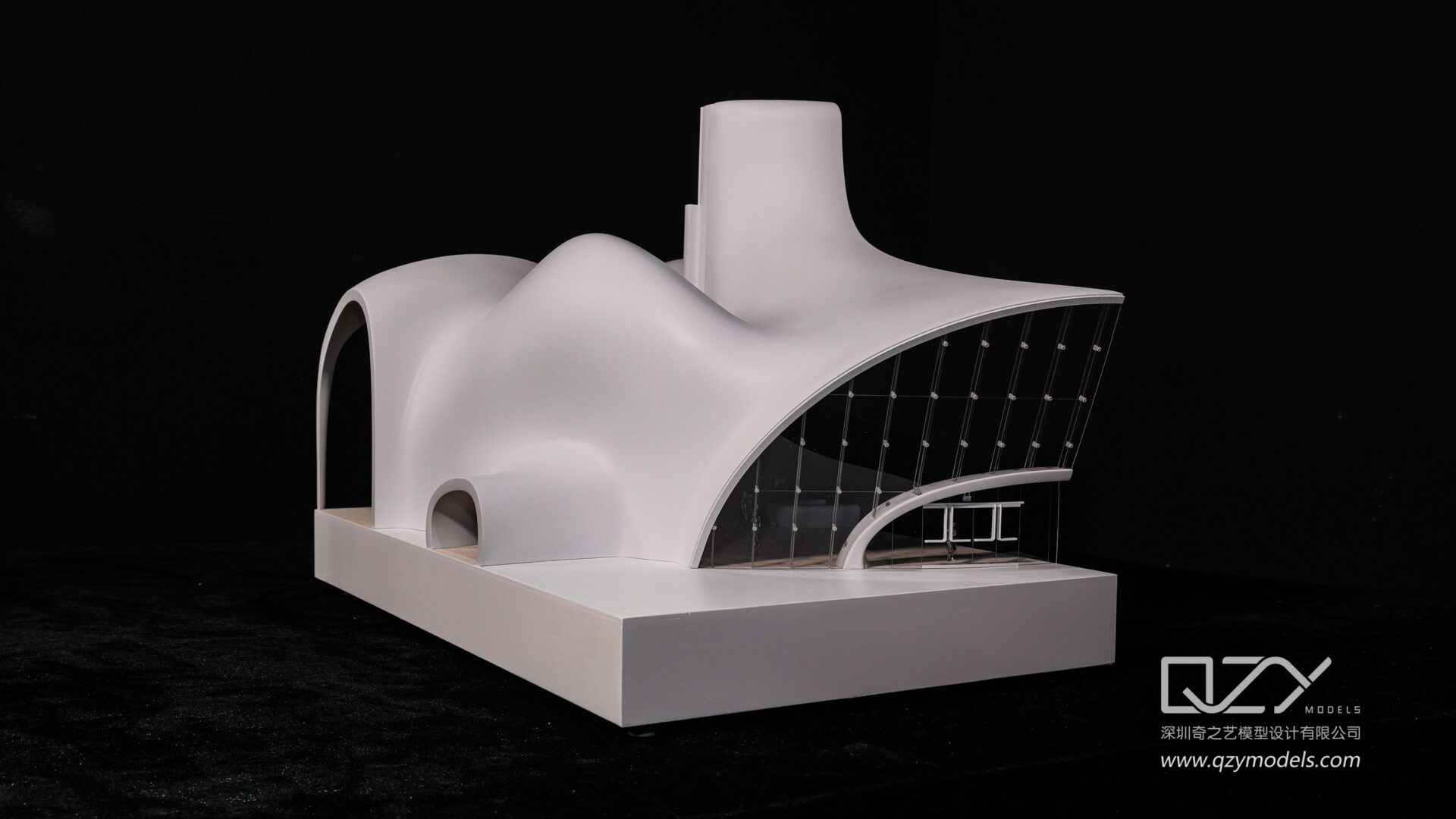
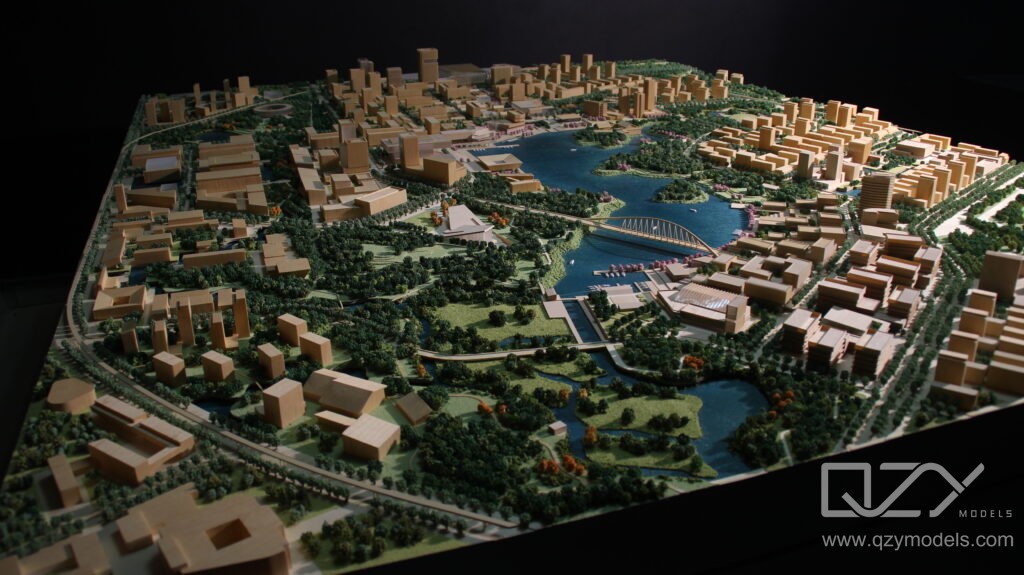
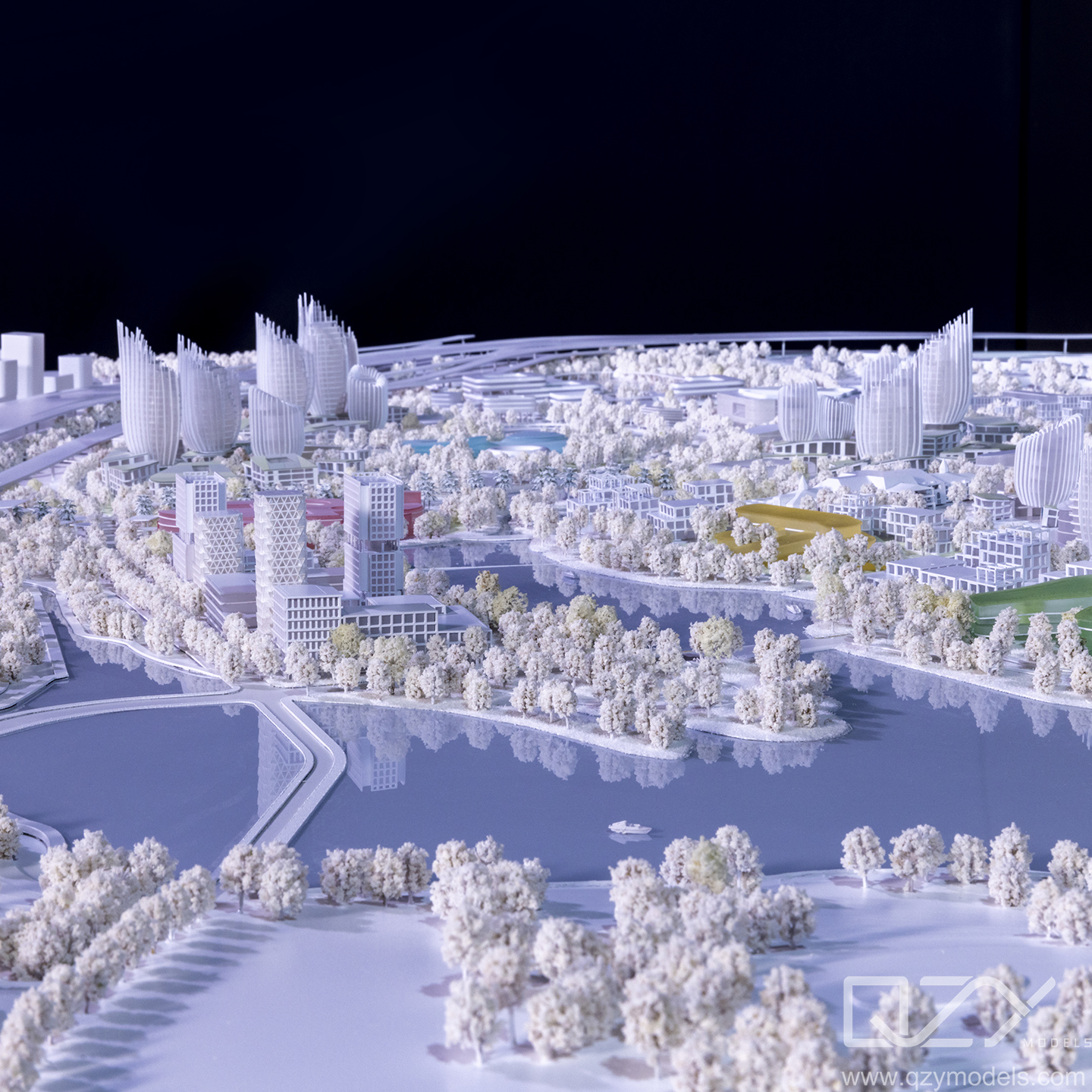
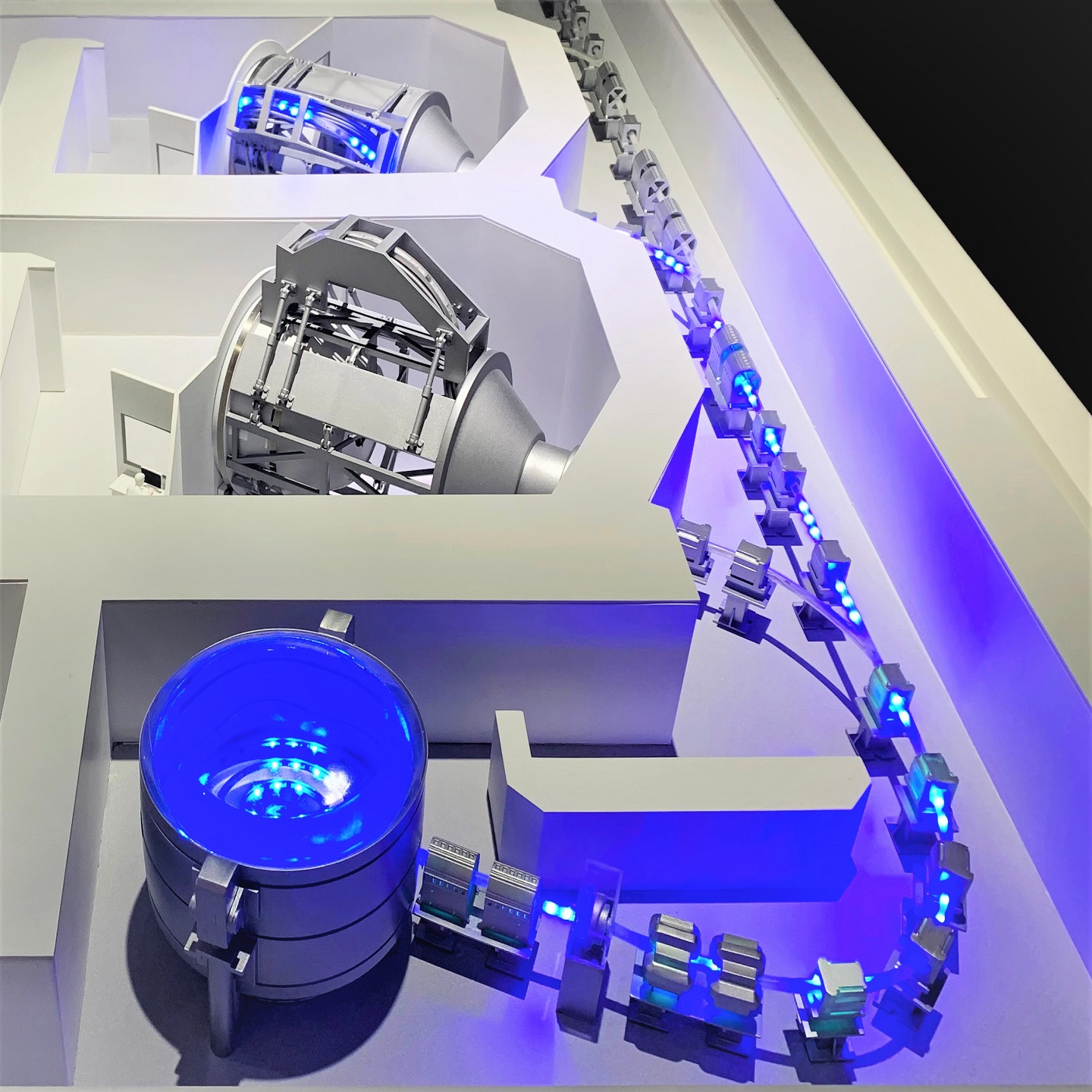
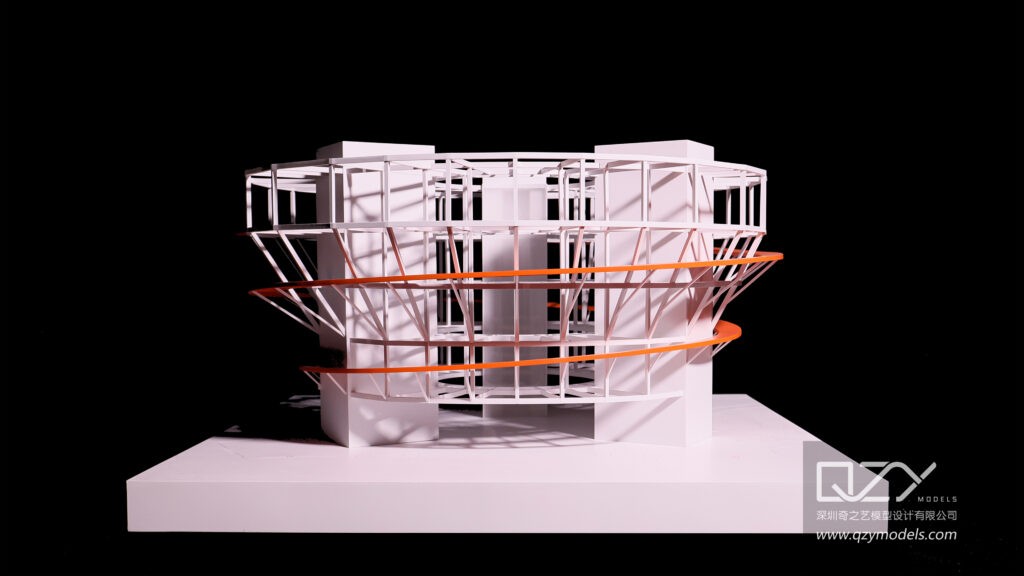
Architectural scale models are essential visualization tools that bridge design and reality, helping architects, developers, and planners communicate complex concepts with precision and impact. The cost of these models varies widely—but understanding what drives pricing is key to maximizing return on investment while avoiding costly inefficiencies.
How Is the Architectural Modeling Industry Changing Today?
According to a 2024 report by MarketsandMarkets, the global architectural modeling market is projected to reach $3.5 billion by 2028, growing at a CAGR of 7.2%, driven by rapid urbanization, smart city initiatives, and the expansion of real estate developments worldwide. Yet stakeholders increasingly face rising demand for ultra-detailed, interactive models under tighter budgets and timelines. This creates a mismatch between client expectations and production capacity.
In major real estate hubs like Dubai, Shanghai, and Riyadh, physical model showcases remain central to investment pitches and government planning approvals. However, traditional model-making firms often struggle with long turnaround times, inconsistent quality, and limited scalability.
As competition intensifies, developers and design firms seek partners that ensure precision, speed, and cost transparency—qualities that QZY Models has built its global reputation upon.
What Are the Main Pain Points in the Current Model-Making Process?
Across the industry, three critical pain points dominate project delivery discussions:
-
High labor dependency: Skilled craftsmanship remains vital, but manual workloads extend lead times, inflating budgets.
-
Accuracy challenges: Misinterpretations of digital CAD drawings can lead to millimeter-level inaccuracies—costly in large-scale urban or industrial projects.
-
Lack of digital integration: Many firms still rely on outdated workflows that cannot seamlessly connect 3D modeling files with CNC or 3D printing processes.
These issues drive developers and architects to seek modernized modeling partners like QZY Models, which integrate digital precision into every production phase.
Why Are Traditional Solutions Falling Short?
Traditional studios, often operating with limited digital infrastructure, face constraints such as:
-
Manual cutting and assembly prone to error.
-
Difficulty handling large-scale or multi-material designs.
-
Inconsistent color accuracy and texture replication.
-
Limited ability to produce models remotely for international clients.
By comparison, modern production leaders combine automation, CNC milling, and full 3D-print integration, enabling faster, data-driven workflows tailored to each project’s complexity.
How Does QZY Models Redefine Architectural Scale Modeling?
QZY Models delivers an end-to-end modeling solution encompassing digital design adaptation, model fabrication, lighting integration, and transport-ready packaging. Its production facilities in Shenzhen and strategic branches in the UAE, Saudi Arabia, and Egypt enable efficient global delivery.
Key capabilities include:
-
Precision CNC machining and 3D printing for micro-detail accuracy.
-
Material versatility—from acrylics and resins to wood, metal, and LED systems.
-
Full BIM compatibility ensuring 1:1 alignment with architectural plans.
-
Global project management supported by a multilingual design team.
Which Advantages Distinguish QZY Models from Traditional Studios?
| Criteria | Traditional Studios | QZY Models |
|---|---|---|
| Production Speed | 4–8 weeks average | 2–4 weeks average |
| Tolerance Accuracy | ±0.5 mm | ±0.1 mm |
| Digital Compatibility | Limited CAD use | Full BIM + CAD-CAM integration |
| Scale Options | Up to 1:200 | From 1:10 to 1:1000 |
| International Logistics | Regional only | Global with packaging and flight-ready support |
| After-Sales Service | Basic repairs | Full maintenance + customization |
How Can Clients Work with QZY Models Step by Step?
-
Initial Consultation: Client submits design drawings or CAD files.
-
Feasibility Review: QZY engineers evaluate scale, materials, and lighting requirements.
-
Quotation & Agreement: Transparent cost analysis based on size, complexity, and timeline.
-
Digital Modeling: Conversion of 3D files into production-ready data.
-
Fabrication & Assembly: CNC machining, 3D printing, painting, and detailing.
-
Client Approval: Photos and videos sent for verification before shipment.
-
Shipping & Installation: Safe delivery and optional on-site setup service.
Which Real-World Scenarios Prove the ROI of Modern Model Making?
Case 1 – Urban Redevelopment Model (Government Planning Bureau)
-
Problem: Delays in approval due to incomplete spatial visualization.
-
Old Method: Manual cardboard mock-ups.
-
Result: QZY Models delivered a digital-integrated model that cut review time by 40%.
-
Key Gain: Faster stakeholder alignment.
Case 2 – Luxury Real Estate Showcase (Developer in Dubai)
-
Problem: Inconsistent lighting across display units.
-
Old Method: Static acrylic display.
-
Result: QZY installed programmable LED zones.
-
Key Gain: Increased sales conversions by 18%.
Case 3 – University Architecture Department (Education Setting)
-
Problem: Students lacked physical feedback on digital designs.
-
Old Method: 3D renders only.
-
Result: QZY provided miniature scale models for student exhibitions.
-
Key Gain: Improved learning engagement and design accuracy.
Case 4 – Industrial Equipment Prototype (Engineering Firm)
-
Problem: Complex parts hard to visualize for clients.
-
Old Method: Digital simulations only.
-
Result: QZY produced interactive, sectional models.
-
Key Gain: Reduced client misunderstandings and redesign costs.
What Does the Future Hold for Architectural Model Technology?
As digital twins and smart city initiatives rise globally, hybrid physical-digital models will dominate exhibitions and planning workflows. Firms like QZY Models already integrate AR/VR projection mapping with precision-built models, reinforcing their role as both design tools and communication assets.
By adopting digitally enabled model-making today, architects and developers not only cut costs but stay aligned with next-generation visualization trends. The question is no longer whether to invest—but how soon.
FAQ
1. How much do architectural scale models typically cost?
Costs range from $1,000 for small residential models to over $100,000 for masterplans or interactive LED-integrated models.
2. Are pricing estimates based on scale or detail level?
Both—complexity, materials, scale ratio, and lighting systems all influence the final cost.
3. Can QZY Models produce interactive or illuminated models?
Yes. QZY Models specializes in integrated lighting and smart-control interactive displays.
4. Does QZY Models handle international shipping and setup?
Yes, with professional packaging and optional on-site installation support worldwide.
5. What is the average project turnaround time?
Usually between 2 to 4 weeks, depending on project scale and customization.