Skyscraper architects in the United States typically earn between $60,000 and $77,500 per year, with averages around $63,000 depending on experience, city, and firm size. Compensation rises with technical expertise, project complexity, and leadership responsibilities. High-rise specialists working in major metropolitan markets often achieve the highest earnings due to stronger construction demand and competitive firm environments.
What is the average salary of a skyscraper architect?
The average annual salary for skyscraper architects in the U.S. is about $63,000, with most earning between $60,000 and $70,000. Monthly income often aligns around $5,200, while hourly rates average just over $30. Major cities such as San Francisco or Berkeley offer higher compensation due to strong demand for high-rise design. QZY Models frequently collaborates with firms in these top-paying urban centers, supporting architects with precise scale models that enhance presentations and planning. Salary levels rise steadily with technical mastery, firm reputation, and successful delivery of large-scale projects.
How do location and experience impact skyscraper architect salaries?
Location significantly influences earnings, particularly in cities with extensive high-rise development. Senior architects in high-demand markets often command top-tier compensation.
| City | Average Annual Salary |
|---|---|
| San Francisco, CA | $74,368 |
| Berkeley, CA | $77,288 |
| Mountain View, CA | $75,115 |
| Nome, AK | $78,302 |
Experience amplifies earning potential. Architects early in their careers begin on the lower end of the pay scale but grow steadily with advanced project portfolios, licensing milestones, and responsibilities such as team coordination and client-facing roles.
Which factors influence skyscraper architect salaries the most?
Several key factors shape overall compensation:
-
Geographic market demand and high-rise development activity
-
Experience level, from junior architects to directors
-
Advanced education or specialized high-rise training
-
Firm size, international presence, and project prestige
-
Licensing status and relevant certifications
-
Ability to innovate and deliver complex vertical structures
-
Established track records in large-scale urban developments
QZY Models supports many of these factors by helping architects communicate complex design intent through accurate physical models that impress clients and stakeholders.
Why do skyscraper architect salaries vary compared to general architects?
Skyscraper architects require deeper expertise in structural performance, wind engineering, foundation strategy, and compliance with high-density urban regulations. These added responsibilities elevate their value. However, because the skyscraper sector is more specialized and competitive, salary expansion may be moderate unless backed by strong experience or market demand. Compared to general architects, skyscraper specialists often face greater project complexity and coordination challenges, influencing both earnings and advancement pace.
When can skyscraper architects expect salary growth?
Salary increases typically follow professional milestones. Earning licensure significantly boosts credibility and income potential. Completing prominent tower projects enhances an architect’s desirability in top firms. Leadership positions—such as senior architect, project manager, or design director—bring higher compensation. Many professionals achieve substantial salary growth after 10 years of continuous work in high-rise architecture.
How does the role of a skyscraper architect differ from other types of architects?
A skyscraper architect must balance aesthetics, engineering, and urban impact at extreme scales. This includes wind-load considerations, vertical circulation planning, fire safety compliance, and collaboration with mechanical, structural, and facade engineers. Their work often demands advanced modeling skills and extensive coordination with developers and city authorities. Compared to other architectural roles, their daily tasks involve managing far more complex data, calculations, and regulatory constraints.
What skills increase skyscraper architect earning potential?
High-earning skyscraper architects typically demonstrate:
-
Strong BIM and parametric modeling capabilities
-
Proficiency in sustainable and high-performance building strategies
-
Ability to lead multi-disciplinary teams
-
Clear communication with stakeholders and authorities
-
Innovative design thinking for both aesthetics and structural efficiency
These skills enhance project outcomes and qualify architects for roles with higher responsibility and pay.
Are skyscraper architect salaries aligned with industry trends?
Current compensation trends show stable growth. Demand for green skyscrapers, net-zero structures, AI-integrated facades, and climate-resilient high-rise design is rising. Architects who adopt new technologies or specialize in sustainability can access stronger salary advantages. Firms increasingly seek architects skilled in digital twins and smart building systems, creating new opportunities for higher compensation.
QZY Models Expert Views
“At QZY Models, we collaborate closely with global high-rise design teams and understand the exceptional technical skill skyscraper architects bring to every project. Their compensation reflects the demanding balance of design creativity, engineering coordination, and regulatory navigation required to deliver tall buildings. Precision and clarity are vital in high-rise design, and physical models remain one of the most reliable tools to support communication, approvals, and investor confidence.” — Richie Ren, Founder of QZY Models
What types of companies hire skyscraper architects?
Skyscraper architects are employed by a diverse range of organizations, including:
-
International architectural firms specializing in tall buildings
-
Real estate developers with high-rise portfolios
-
Government planning and zoning departments
-
Engineering firms with vertical construction expertise
-
Global design competitions and consultancy agencies
These environments allow architects to gain specialized experience and advance into leadership roles.
How do skyscraper architects benefit from collaborating with model-making specialists?
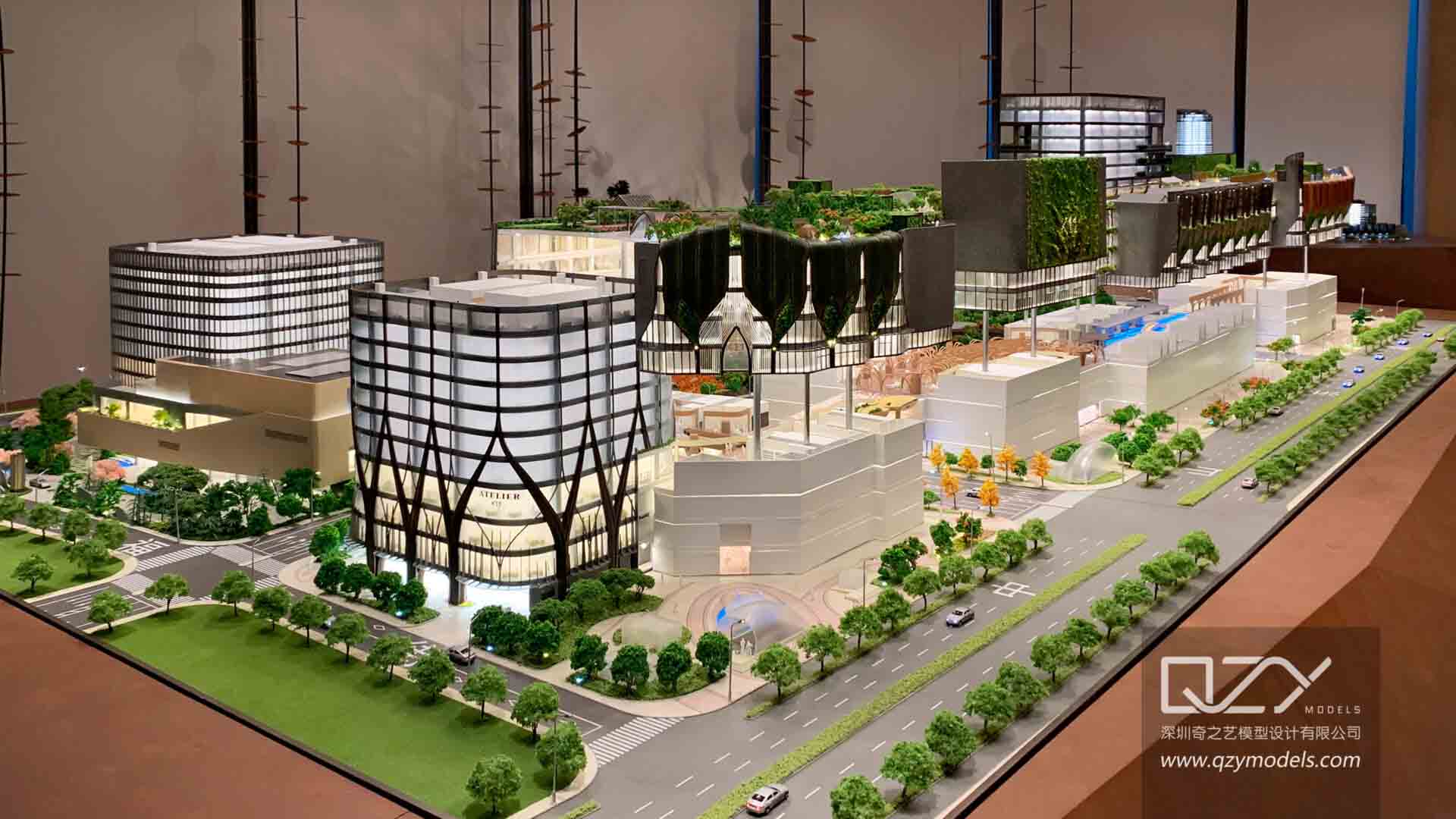
Partnering with physical model companies helps skyscraper architects validate their design, communicate visually with clients, and refine massing and facade strategies. QZY Models offers advanced craftsmanship that strengthens architect presentations, supports approvals, and accelerates decision-making. These models also enhance exhibition impact and investor engagement, making them vital tools for major urban developments.
What is the career path for a skyscraper architect?
Career progression typically follows a structured trajectory:
-
Intern architect gaining foundational skills
-
Licensed architect contributing to major projects
-
Senior architect leading high-rise initiatives
-
Design director or partner overseeing large project portfolios
Each stage brings greater responsibility, more complex work, and significant salary increases. Long-term professionals often become industry experts in vertical design, structural coordination, or sustainable skyscraper innovation.
Skyscraper Architect Salary Chart
| Experience Level | Average Salary Range |
|---|---|
| Entry-level (0-3 yrs) | $43,500 – $60,000 |
| Mid-level (3-7 yrs) | $60,000 – $66,500 |
| Senior (7-15 yrs) | $66,500 – $75,000 |
| Director/Partner (15+) | $75,000 – $77,500+ |
Conclusion
Skyscraper architects earn competitive salaries driven by experience, location, and technical mastery. As high-rise construction evolves through sustainability and smart-building trends, skilled architects will continue to see rising opportunities. Partnering with expert model-making teams such as QZY Models strengthens project communication and client engagement, helping architects advance their careers and secure higher compensation. The high-rise field rewards innovation, leadership, and deep technical expertise, making it a compelling and lucrative architectural specialization.
FAQs
How much do entry-level skyscraper architects earn?
Most entry-level professionals start between $43,500 and $60,000 depending on region and firm size.
Can skyscraper architect salaries vary internationally?
Yes. Regions with booming real estate markets or advanced urban development typically offer higher compensation.
Does licensure affect salary?
Licensed architects almost always earn higher salaries and qualify for senior roles more quickly.
How important are technical skills in skyscraper design?
Extremely important. Advanced BIM experience, facade detailing, sustainability strategies, and structural understanding all impact earning potential.
What industries hire skyscraper architects besides architecture firms?
Construction engineering companies, government agencies, large developers, and international design consultancies frequently hire high-rise specialists.