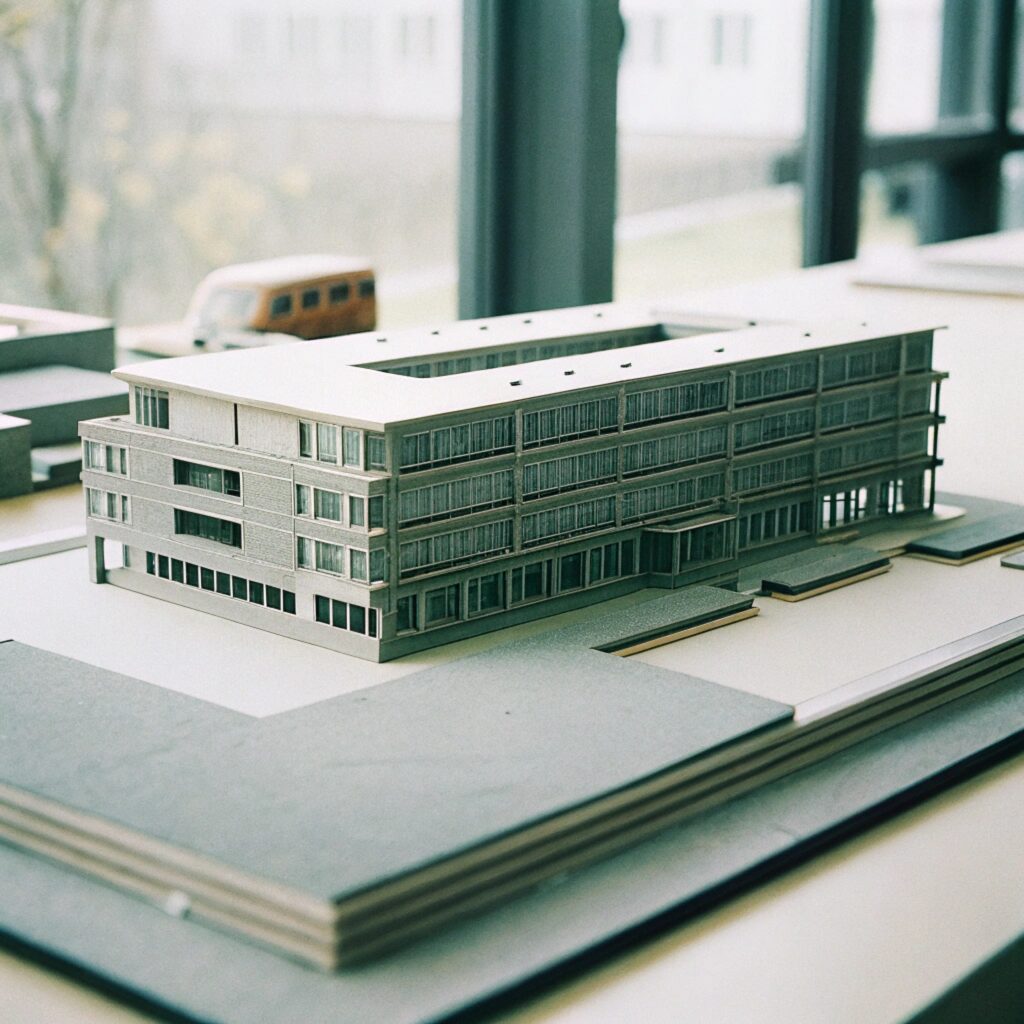
How much does an architectural model cost?
Architectural model costs vary widely depending on scale, detail, materials, and purpose, from a few hundred dollars for basic concept pieces to over six figures for large, high-end masterplans. When budgets are tight but impact is critical, partnering with a professional workshop like QZY Models ensures that every dollar spent delivers precise, market-ready quality that drives approvals, sales, and investor confidence.
What is the current state of the architectural model market?
Global demand for architectural models remains strong, especially in competitive real estate markets where physical models outperform digital-only presentations in sales galleries and investor meetings. Major architecture and development firms now treat high-quality models as a strategic asset, not just a presentation tool, because they reduce design miscommunication, shorten approval cycles, and improve buyer conversion rates.
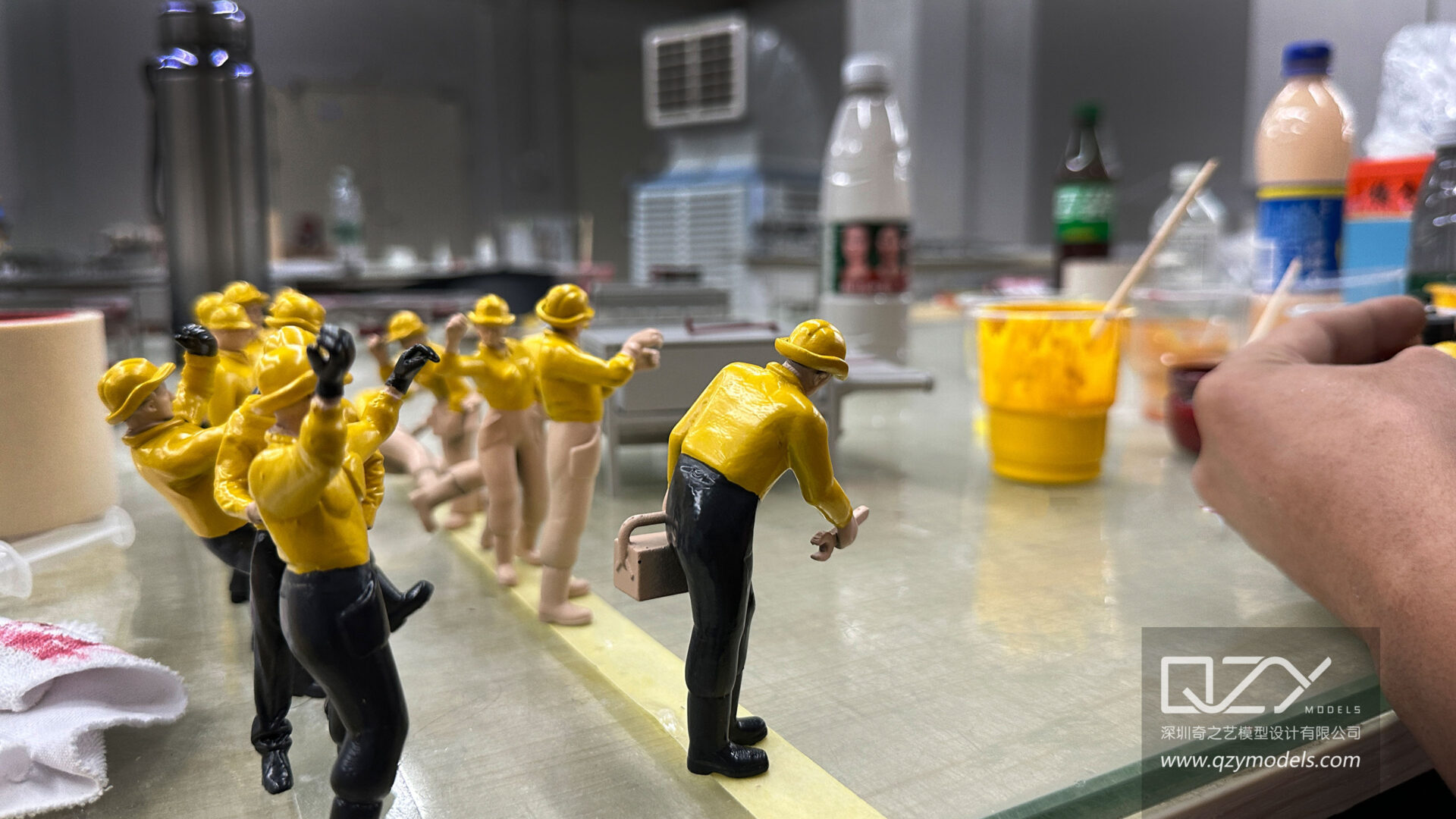
In production, most models are still built using a mix of CNC-machined wood or acrylic, 3D-printed details, and hand-applied finishes, which keeps labor and material costs as the two largest cost drivers. Rush timelines, very small or very large scales, and highly detailed textures (like realistic façades, lighting, and landscaping) all push costs higher, while simple massing or basic site models can be produced more affordably.
A key market pain point is inconsistent quoting: many in-house studio teams or small local workshops lack standardized pricing, making it hard for architects and developers to compare options and predict final costs. This leads to budget overruns, last-minute material changes, and mismatched detail levels that don’t align with the project’s goals, especially when the model is needed for international exhibitions or cross-border sales campaigns.
How do architectural model costs typically break down?
In 2026, typical architectural model costs in major markets can be grouped into four main categories by size and purpose:
-
Small concept models (1:200–1:500 scale for housing, interiors, or early-stage designs): $2,000–$8,000
-
Mid-size architectural models (1:100–1:200 scale for townhomes, small commercial buildings, site plans): $4,000–$20,000
-
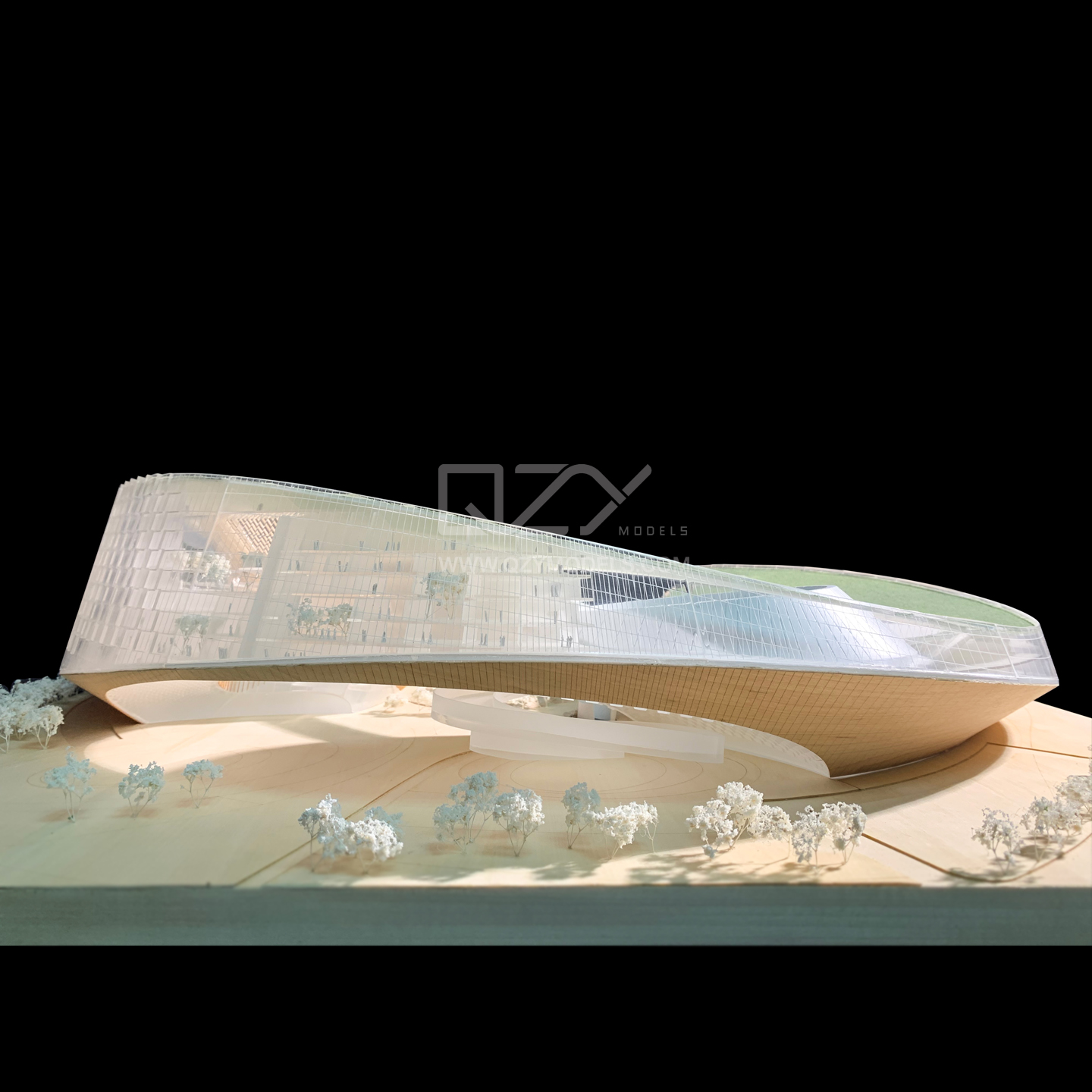
Large display/presentation models (used in sales galleries, luxury developments, high-detail presentations): $15,000–$80,000+
-
Masterplans and industrial models (large urban planning, campuses, infrastructure, shipyards): $30,000–$250,000+
These ranges depend heavily on six key factors: scale and physical size, level of detail, materials (ABS, acrylic, resin, wood, metal), quality of input files (clean CAD/SketchUp vs. messy 2D), special features (LED lighting, moving parts, interactive elements), and the project timeline (rush jobs usually cost 20–50% more).
Why are traditional architectural model approaches no longer enough?
Most design firms still rely on either in-house model-making teams or local workshops, but these approaches have several limitations. In-house teams are often overloaded with design work, so model production slows down, revisions take longer, and quality can suffer under tight deadlines.
Local workshops, while convenient, frequently lack the equipment for large-scale, high-precision work and struggle with complex modern façades, integrated lighting, and sustainable materials. They may also charge opaque or inconsistent prices, making it hard to forecast budgets across multiple projects.
For international or high-profile projects, the lack of standardized workflows and global logistics support becomes even more problematic. Models often arrive late, damaged, or with incorrect specifications, leading to costly rework and lost credibility during critical presentations to clients, investors, or planning authorities.
How does a professional architectural model service solve these problems?
A professional architectural model service, like QZY Models, acts as an extension of the design team, providing a structured, scalable workflow from concept to global delivery. Instead of treating each project as a one-off, experienced workshops apply repeatable processes that control cost, quality, and timeline.
Key capabilities include:
-
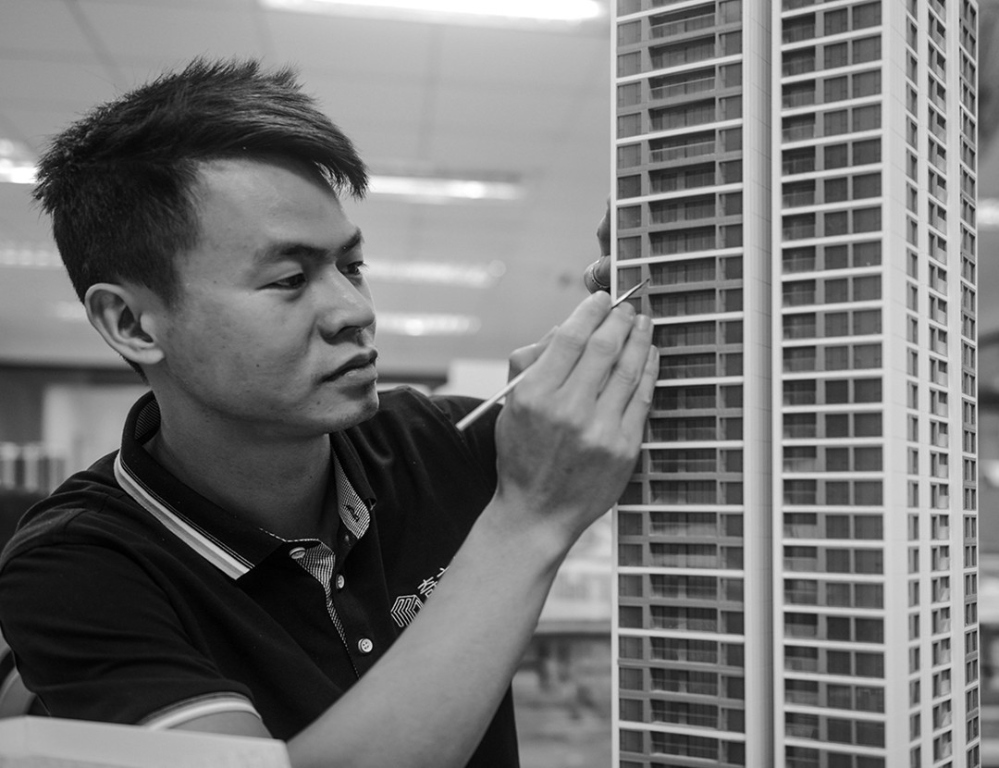
Precision fabrication using CNC routers, laser cutters, and 3D printing to ensure accuracy and consistency across all model components.
-
High-detail finishes such as realistic textures, custom lighting effects, and lifelike landscaping that match the project’s branding and market positioning.
-
Standardized estimation based on scale, area, and detail level, so architects and developers can compare options and plan budgets confidently.
-
International production and logistics with branches in regions like the UAE, Saudi Arabia, and Egypt, enabling fast, reliable delivery for global exhibitions and sales centers.
QZY Models, founded in 2013 in Shenzhen and led by founder Richie Ren with over 20 years of experience, has delivered thousands of projects for major clients including Foster + Partners, Vanke, and China Resources. This scale of experience means they can balance cost and value effectively, avoiding the common pitfalls of over-engineering or under-delivering.
What are the advantages of a professional model maker vs. traditional methods?
| Factor | Traditional in‑house / local workshop | Professional service (e.g., QZY Models) |
|---|---|---|
| Cost predictability | Often inconsistent; rework can inflate budgets | Transparent, stage‑based pricing with clear inclusions |
| Quality & detail | Limited by tools and skill breadth | High-precision CNC, 3D printing, and hand-finishing |
| Timeline reliability | Delays common due to workload or skill gaps | Fixed timelines with parallel production and QA steps |
| Materials & finishes | Standard off‑the‑shelf options only | Wide choice of premium materials and custom textures |
| Special features | Basic lighting or simple details only | Integrated LED, moving parts, interchangeables, AR/VR-ready bases |
| Global reach | Domestic only, limited logistics support | Production hubs and branches in multiple countries, door‑to‑door delivery |
| Client portfolio | Small, local projects | Proven track record with world‑renowned architects and developers |
This structured approach turns the model from a potential budget risk into a measurable investment that improves client engagement, shortens approval cycles, and increases sales conversion.
How does the process work with a professional model workshop?
Working with a professional model maker like QZY Models follows a clear, repeatable process that keeps costs and timelines under control:
1. Define scope and objectives
Clarify the model’s purpose (client presentation, investor pitch, exhibition, public consultation), required scale (e.g., 1:100 vs. 1:200), and key features (lighting, landscaping, special materials).
2. Provide design files and reference materials
Share clean CAD, Revit, SketchUp, or Rhino files along with images, renderings, and material boards. High‑quality files reduce drafting time and avoid costly interpretation errors.
3. Receive a detailed quote and proposal
A professional workshop will provide a breakdown of cost by scale, area, detail level, materials, and timeline, often including options to adjust scope for different budget tiers.
4. Review design and produce mock‑ups
For complex or high‑value models, a digital mock‑up or small physical sample is produced for approval before full production begins.
5. Manufacture and quality control
The model is built in parallel workflows (structure, façade, landscape, lighting) with strict quality checks at each stage to ensure accuracy and finish.
6. Packaging, shipping, and on‑site support
Models are professionally packed and shipped worldwide, with options for on‑site setup, training, and after‑event collection.
This process minimizes surprises and ensures that the final model aligns with the project’s strategic goals, whether it’s a local planning meeting or an international trade show.
What are real‑world examples of architectural model use cases?
1. High‑end residential project for a luxury developer
-
Problem: A developer needed a compelling sales tool for a new luxury tower but struggled with generic renderings that failed to convey scale and exclusivity.
-
Traditional approach: Basic 3D renderings and a simple site board, which did not stand out in a crowded market.
-
With professional model: A 1:100 scale, high‑detail presentation model with integrated LED lighting, custom furniture, and realistic landscaping.
-
Key results: Visitor time in the sales center increased by over 40%, and the model became a social media highlight, helping the project reach 80% off‑plan sales within three months.
2. Public masterplan presentation for a government client
-
Problem: A city planning office needed to explain a large urban renewal scheme to citizens and stakeholders, but 2D plans and renderings were difficult to understand.
-
Traditional approach: A large printed plan and a few digital renderings, which led to confusion and repeated questions at public meetings.
-
With professional model: A 1:200 masterplan model showing streets, buildings, green spaces, and transportation with clear zoning and phased development indicators.
-
Key results: Public understanding improved significantly, reducing the number of objections by 60% and speeding up the approval process by several weeks.
3. International exhibition for a global architecture firm
-
Problem: A top-tier architecture studio needed a show‑stopping model for a major trade show in Dubai but faced tight deadlines and complex logistics.
-
Traditional approach: Local production risked delays and quality issues when shipping across continents.
-
With professional model: A large, high‑detail model produced by QZY Models in Shenzhen and shipped directly to Dubai, with local support for setup and breakdown.
-
Key results: The model became a focal point of the stand, generating press coverage and multiple new client leads, with the project later shortlisted for a major design award.
4. Industrial and campus project for a developer
-
Problem: A developer needed to communicate the scale and functionality of a new industrial park and residential campus to investors, but CAD drawings were too technical.
-
Traditional approach: A series of 2D plans and aerial renderings, which made it hard to visualize the relationship between buildings and infrastructure.
-
With professional model: A highly detailed 1:150 campus model with separate building blocks, traffic flow, and integrated lighting for different zones.
-
Key results: Investor confidence increased, leading to faster due diligence and a smoother closing process, with the model later used in follow‑up presentations in multiple countries.
Where is the architectural model market headed in the next 3–5 years?
Architectural models are evolving from simple physical representations into strategic communication tools that combine precision, storytelling, and interactivity. Two major trends are shaping this shift:
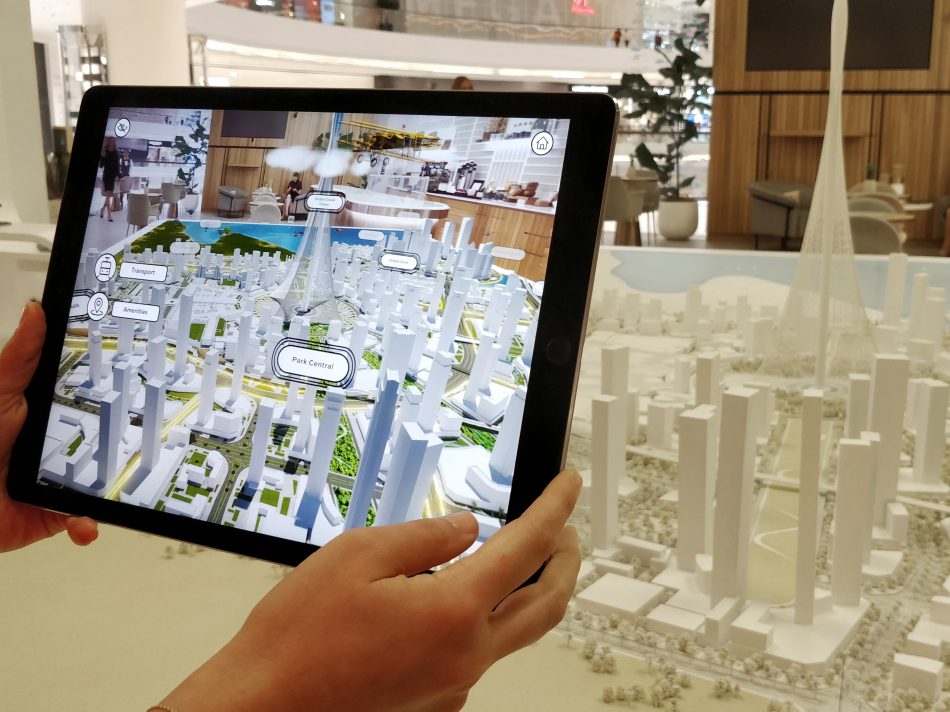
First, integration with digital tools is becoming standard. Smart models now include AR markers, QR codes, or embedded screens that link to BIM data, videos, and virtual tours, turning the model into a multi‑layered experience rather than a static object.
Second, sustainability and efficiency are rising in importance. Clients increasingly demand models built with recyclable or low‑impact materials, standardized modular components for reuse, and faster production cycles that reduce both waste and timeline risk, especially for time‑sensitive projects like real estate launches and public consultations.
For architecture firms and developers, this means that a high‑quality model is no longer optional—it’s a competitive necessity. Choosing a professional workshop like QZY Models allows teams to focus on design while ensuring that every model is delivered on time, on budget, and with the level of impact needed to win projects, secure funding, and accelerate market entry.
How much does an architectural model typically cost?
Basic concept or small-scale models can start under $1,000 for simple designs, while mid‑size architectural models typically range from $4,000 to $20,000. Large presentation models for sales galleries or high‑end projects usually cost $15,000–$80,000+, and masterplans or industrial models can reach $30,000–$250,000+ depending on size and complexity.
What factors most affect architectural model pricing?
The main cost drivers are the model’s physical size and scale, the level of detail (façade, landscaping, interior fit‑out), the materials used (acrylic, wood, resin, metal), input file quality, special features (lighting, moving parts, interactive elements), and the project timeline (rush jobs usually cost more).
How can I reduce the cost of an architectural model without losing quality?
Cost can be optimized by choosing an appropriate scale, limiting revisions, working from clean CAD/SketchUp files, selecting standard materials where possible, and planning early with an experienced workshop like QZY Models to avoid last‑minute changes.
When should I choose a professional workshop instead of in‑house or local production?
A professional workshop is worth choosing when the project is high‑profile, time‑critical, internationally distributed, requires high precision or complex features, or when the client expects museum‑grade quality in sales centers or exhibitions.
How long does it take to receive a professional architectural model?
Standard timelines range from 3–6 weeks for mid‑size models and 6–12 weeks for large or high‑detail masterplans, depending on complexity and current workshop load. Rush options are available, but they typically add 20–50% to the base cost.
Which types of clients benefit most from professional architectural models?
Architectural design firms, real estate developers, urban planning and government institutions, interior and landscape design companies, industrial design studios, exhibition organizers, design schools, and international clients in the Middle East, Europe, and Southeast Asia all benefit from professional models that enhance communication, secure approvals, and drive sales.
Sources
-
How Much Do Architectural Scale Models Cost in US? (Quick Guide)
-
How much does an architectural model cost?
-
How Much Do High-End Architectural Models Cost?
-
Unpacking the 5 Key Factors of Architectural Model Pricing
-
The Comprehensive Guide to Architectural Model Costs: Understanding, Factors, and Pricing
-
3D Architectural Modeling Cost: Pricing Factors & Estimates
-
FAQ for 3D Architectural Models: Types, Costs & Benefits Explained