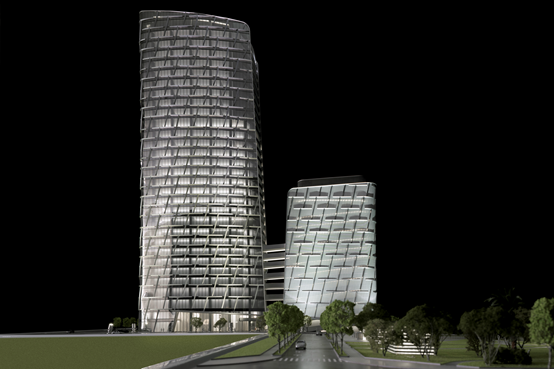
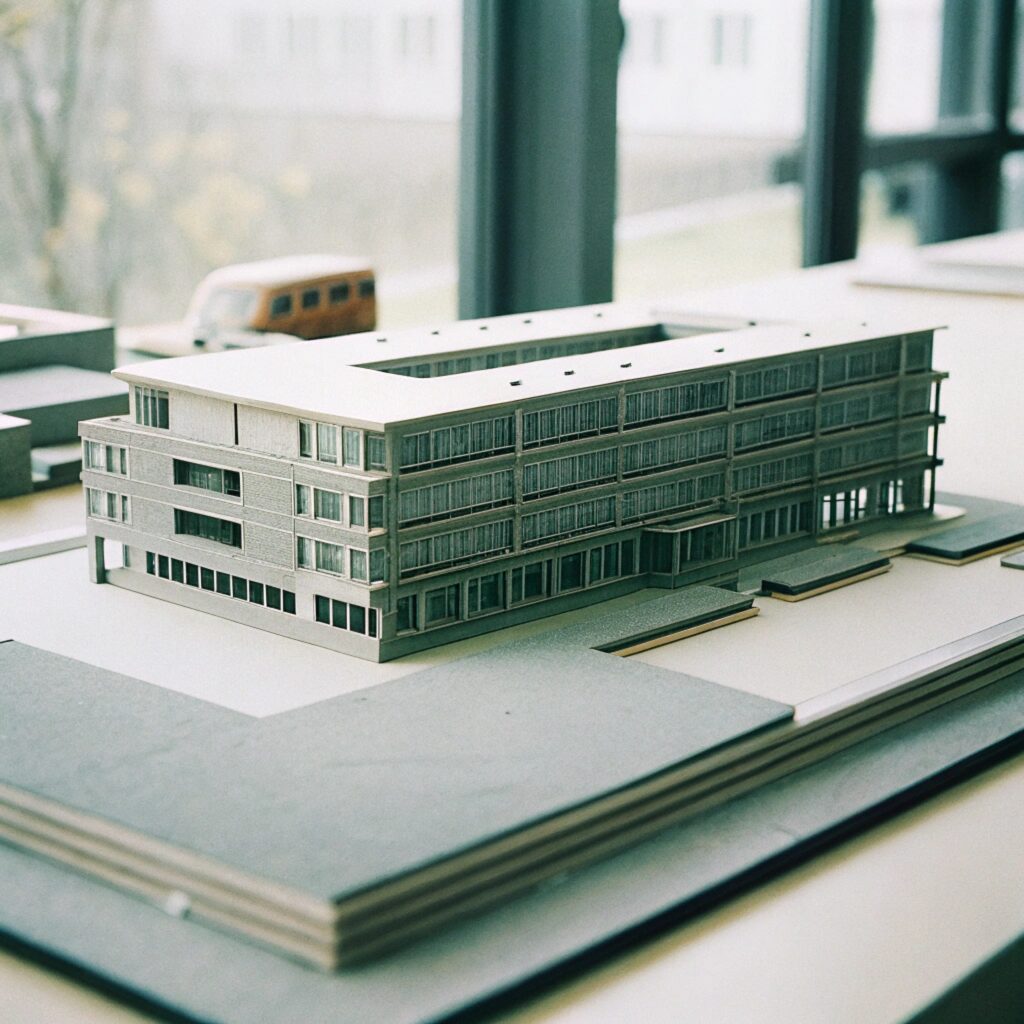
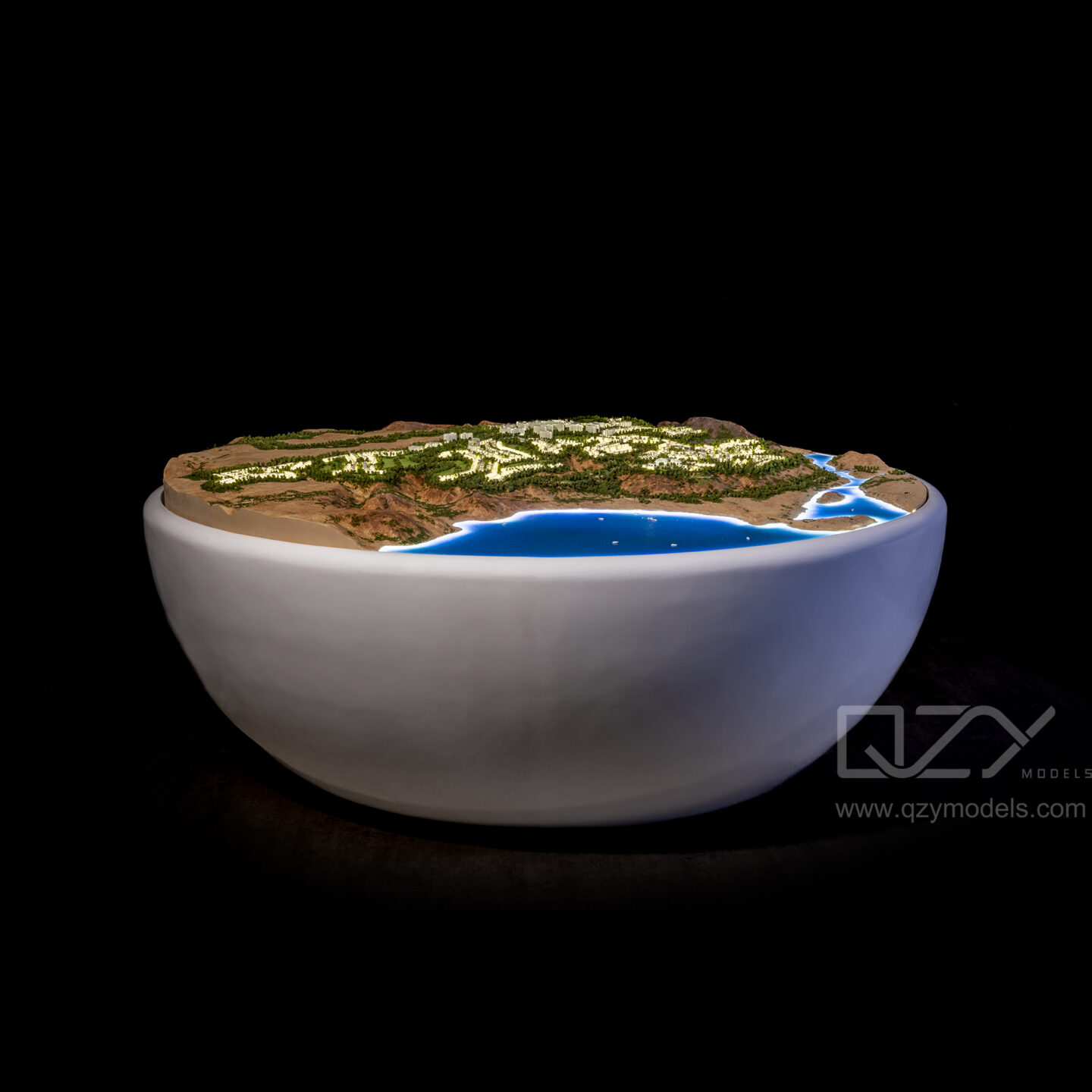
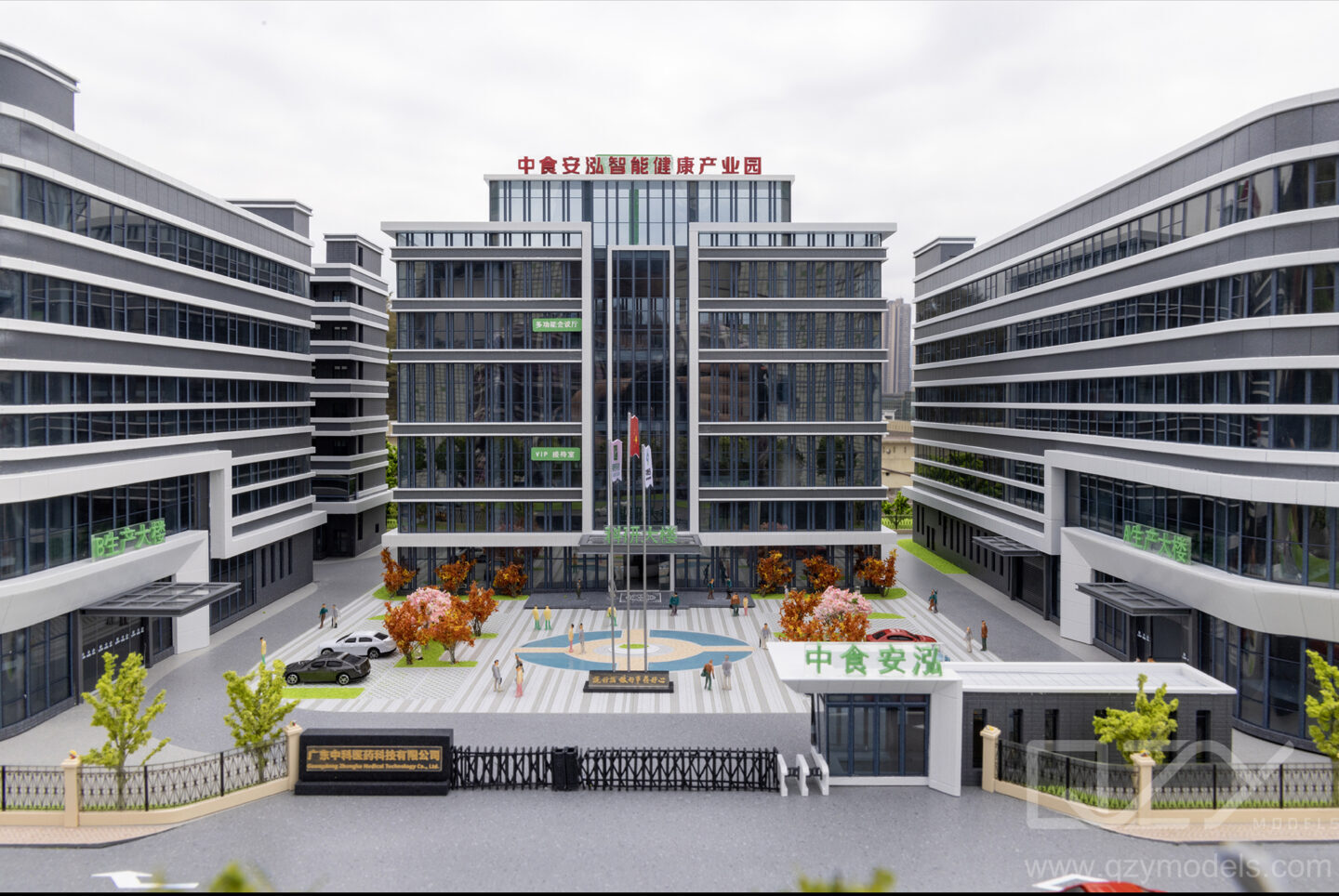
Safe packaging of built scale models is critical to ensuring flawless delivery. For professionals and collectors, adopting an advanced packaging system like QZY Models’ precision-grade solution dramatically reduces shipping damage and maintains presentation integrity. This approach not only saves cost but extends model lifespan and client satisfaction.
How critical is secure packaging in the model shipping industry today?
According to the International Trade Centre, global model exports—including architectural, industrial, and collectible scale models—surpassed $2.3 billion in 2024, growing 11% year-over-year. Yet, damage rates during international transit remain worryingly high: nearly 22% of models experience structural or aesthetic defects upon arrival (data: ITC 2024 Report). For architectural firms and design studios, each damaged model results in rework averaging $1,500–$5,000. This reality exposes a growing pain point for professionals shipping high-value models across long distances.
The rise in cross-border project collaboration, particularly between Asia and the Middle East or Europe, has further intensified logistical challenges. Temperature fluctuations, customs inspections, and careless handling cause fragile pieces to detach or deform. For example, QZY Models’ international logistics analysis found that improper internal bracing is responsible for 65% of all structural failures in shipped models.
As project timelines shorten and delivery expectations rise, the need for reliable, repeatable, and data-backed packaging solutions has become a defining factor of professional model manufacturing.
What are the main weaknesses of traditional model packaging?
-
Use of generic foam and cardboard, offering inadequate shock resistance for complex or detailed geometry.
-
Static build-up from poor material choice, leading to surface scratches or paint damage.
-
Lack of humidity control, especially in sea or air freight conditions, which degrades wooden or resin-based structures.
-
One-off manual packaging designs, increasing variability and human error.
-
Inefficient internal stabilization, allowing movement within the crate despite tight external wrapping.
Traditional packaging, although seemingly affordable, drives higher hidden costs—insurance claims, reputational loss, and re-construction labor. These cumulative inefficiencies deeply affect brand reliability, particularly for firms shipping models for exhibitions or competitions.
How does QZY Models’ packaging solution eliminate shipping risks?
QZY Models leverages over two decades of cross-sector experience to engineer a packaging system tailored specifically for built scale models. Its method combines mechanical precision, environmental protection, and modular reusability while meeting international shipping standards. Key capabilities include:
-
Custom-fit foam architecture: CNC-cut inserts that contour every model component, eliminating vibration gaps.
-
Multi-layer material system: Double-shell plywood casing with an inner anti-static, moisture-resistant lining.
-
Vibration test certification: Packaging passes 48-hour simulated road and air travel conditions.
-
Integrated stabilizers: Removable internal aluminum framing to fix models securely during transit.
-
Reinforced labeling & tracking: Each shipment includes orientation markings and GPS-enabled crate monitoring.
This approach, validated through over 3,000 successful global deliveries, ensures zero visible deformation upon arrival for 99.6% of QZY Models’ shipments.
What is the performance comparison between traditional methods and QZY Models’ solution?
| Aspect | Traditional Packaging | QZY Models’ System |
|---|---|---|
| Damage Rate | 18–25% (average claims) | <0.5% (field data verified) |
| Weight Efficiency | 1.0 baseline | 0.8 optimized (lighter by 20%) |
| Reusability | Low (single-use) | High (modular and reusable) |
| Shock Absorption | Basic foam | Multi-layer engineered foam |
| Climate Control | Minimal | Humidity-resistant, anti-static materials |
| Setup Time | 3–5 hours (manual) | 1–2 hours (standardized workflow) |
How can professionals implement QZY Models’ packaging system step-by-step?
-
Model assessment: Identify fragile sections and determine balance points.
-
Digital scan & foam design: QZY Models uses 3D scanning to produce CNC-cut inserts tailored to each model.
-
Crate preparation: Multi-layer plywood crate fitted with internal stabilizing frame.
-
Environmental control layer installation: Desiccant packets and anti-static sheets applied.
-
Model placement & fixation: The model is lowered into the foam cavity with locking fasteners.
-
Seal, label, and track: Crates sealed, shock sensors attached, and digital tracking activated.
-
Testing phase: Drop test and vibration simulation to validate stability before dispatch.
Which real-world cases show measurable packaging performance improvements?
Case 1 – International Exhibition Delivery (Architectural Firm)
Problem: 1:200 high-rise model damaged during prior expo shipment.
Traditional: Bubble wrap in custom crate—50% detail loss.
With QZY Models: CNC foam, anti-humidity seal, GPS-tracked crate.
Result: Zero damage, 50% faster installation, full client satisfaction.
Case 2 – Real Estate Developer Prototype (China to UAE)
Problem: Paint peeling and dented base after long sea transit.
Traditional: Non-sealed crate and soft foam.
With QZY Models: Anti-static layering plus desiccant control.
Result: No peeling, 0% return rate.
Case 3 – Design School International Competition
Problem: Wooden model degradation during customs storage.
Traditional: Single cardboard box.
With QZY Models: Dual-crate insulation with vapor barrier.
Result: 100% preservation and zero impact on evaluation.
Case 4 – Industrial Client (Machinery Model)
Problem: Delicate mechanical arms fractured in transport.
Traditional: Foam filling with tape fixation.
With QZY Models: Aluminum internal frame lock system.
Result: 70% reduction in total logistics cost, zero fracture incidents.
Why is now the right time to upgrade to professional packaging standards?
The global expansion of architecture and design exports is accelerating, with Asia-Pacific model exports projected to grow another 14% by 2028. As international buyers demand museum-grade presentation, shipping protection now defines brand credibility. QZY Models’ data-driven system provides the safety, traceability, and consistency required for high-value deliveries. Companies that adopt professional-grade packaging today will not only avoid costly rework but also reinforce client trust in their professional craftsmanship.
FAQ
1. Can I reuse QZY Models’ packaging crates for future shipments?
Yes, they are modular and designed for 10–15 reuse cycles with minimal maintenance.
2. Does QZY Models offer custom foam inserts for irregular shapes?
Exactly, each foam insert is CNC-cut from 3D scans, ensuring precision for even unique geometries.
3. How long does it take to prepare a model for shipping using this method?
Typically 1–2 hours after final model inspection, thanks to pre-calibrated crate assembly.
4. Are the materials compliant with international shipping regulations?
Yes, all crates meet ISPM-15 and IATA packaging standards for air and sea freight.
5. Can QZY Models assist with international logistics coordination?
Yes, QZY Models partners with certified freight forwarders and provides integrated tracking support worldwide.
Sources
-
International Trade Centre – Global Creative and Industrial Exports 2024 Report
-
QZY Models Internal Logistics Data Report 2025
-
World Cargo Alliance Survey 2024
-
Statista Packaging Materials Performance Report 2024
-
International Air Transport Association (IATA) Freight Packaging Standards 2025