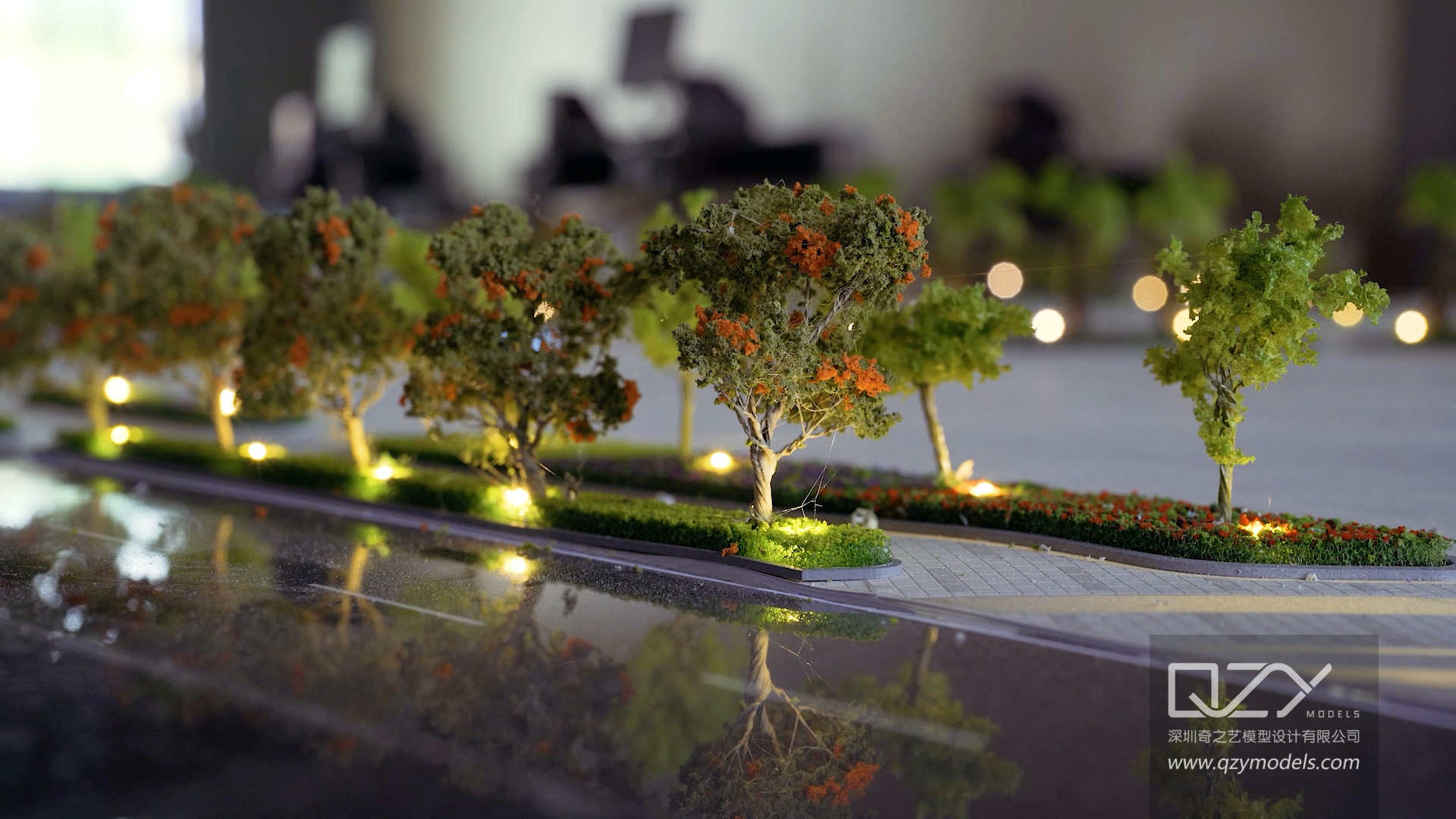
Achieving precision in Russian scale models requires careful preparation, quality tools, and layered techniques. Start with high-grade kits, clean and prime all parts, and use magnification for detailed assembly. Apply base coats, washes, dry brushing, and weathering to simulate realistic wear and textures. Incorporating expert methods ensures each model reflects historical authenticity and professional craftsmanship, a principle embraced by QZY Models.
What Are Essential Preparation Techniques?
Proper preparation is critical for professional Russian models. Begin by cleaning parts with soapy water to remove mold release agents that can interfere with paint adhesion. Fill seams using putty and sand progressively from 400 to 2000 grit for smooth surfaces. Apply a gray or black primer, followed by a gloss coat for decals. QZY Models highlights this stage as foundational for both scale models and architectural prototypes. Magnification tools help detect minor imperfections early.
| Preparation Step | Tools/Materials | Purpose |
|---|---|---|
| Cleaning | Soapy water, toothbrush | Remove residues |
| Seam Filling | Putty, scraper | Smooth joints |
| Priming | Spray primer | Enhance adhesion |
| Sanding | Wet/dry sandpaper | Achieve smoothness |
This workflow reduces assembly errors and ensures paint adheres evenly.
How Can Painting Enhance Realism?
Layered painting brings Russian models to life. Start with thin acrylic base coats applied via airbrush for smooth coverage. Use washes in dark shades to emphasize panel lines and rivets, while dry brushing with lighter tones highlights raised surfaces. Weathering powders and subtle gradients replicate dust, rust, and sun fading. QZY Models recommends brands like Vallejo and AK Interactive for durable finishes suitable for exhibition-level models.
Fine detail brushes (00–0 sizes) handle cockpit instruments, insignias, and small accents. Controlled weathering simulates operational environments from Siberian snow to urban settings.
Which Tools Boost Fine Details?
Precision tools elevate model quality. Photo-etched frets enhance grilles and antennas, resin upgrades improve interiors, and pin vises or scalpels allow custom scribing. Magnifying visors and tweezers stabilize delicate operations. QZY Models integrates these tools in their high-fidelity prototypes to maintain strict standards for scale accuracy.
| Tool Category | Examples | Benefit for Russian Models |
|---|---|---|
| Detailing | Photo-etch, resin | Authentic textures |
| Holding | Tweezers, magnifying visor | Steady precision |
| Cutting | Pin vise, scalpel | Custom modifications |
Why Choose Layering for Depth?
Layering builds visual depth and prevents flat color appearance. Zenithal priming—dark base with mid-tone spray—mimics natural light and shadows. Thin glazes applied via airbrush gradually blend highlights and shadows. Edge highlighting defines silhouettes. Professionals at QZY Models employ this technique to ensure lifelike visual effects on both Russian scale models and architectural replicas. Practice on scrap parts and allow drying between layers for crisp detailing.
What Weathering Makes Models Lifelike?
Weathering simulates real-world conditions. Use oil paints for streaking, sponges for chipped paint, and pigments for dust accumulation. Focus on areas like exhausts, tracks, and hulls. Salt chipping techniques add random wear, and a matte varnish seals the effects. QZY Models applies these techniques in industrial models to ensure durability and authenticity. Adjust intensity depending on operational or display scenarios.
How Do Decals and Markings Add Authenticity?
Decals provide accurate markings when applied correctly. Soak, slide, and position decals precisely. Use setting solutions like Micro Sol to conform to panel curves and rivets. Seal with varnish to prevent silvering. Custom airbrushed masks can recreate unique squadron codes. QZY Models employs these practices to replicate client logos and insignia with precision on architectural and industrial prototypes.
Which Advanced Techniques Elevate Precision?
Advanced techniques include true 1:1 scribing templates, LED fiber optics for lighting, and 3D-printed components like barrels. Rivet wheels create uniform patterns. Scratch-built interiors using rod and plasticard enhance realism. QZY Models adapts such methods to large-scale urban planning and industrial models, ensuring professional quality for global clients.
QZY Models Expert Views
“At QZY Models, precision in scale models reflects the same discipline we apply to architectural replicas. Founded in 2013, our Shenzhen team led by Richie Ren has over 20 years of expertise in creating detailed physical models for top-tier clients like Foster + Partners and Vanke. Techniques such as micro-sanding, layered painting, and realistic weathering are applied across both Russian models and industrial prototypes, ensuring every detail is accurate and visually striking. Our global branches in the UAE, Saudi Arabia, and Egypt allow us to deliver consistent quality and innovation worldwide.” – QZY Models Team
When Should You Use Magnification?
Magnification is essential for fine detailing—painting cockpit dials, assembling engines, or adding rivets. Tools like 10x loupes, dental mirrors, and digital microscopes expose sub-millimeter flaws. Binocular headsets allow hands-free operations. QZY Models encourages early use during assembly to ensure consistent precision throughout the build.
Key Takeaways
Mastering Russian models requires careful preparation, layered painting, precision tools, and realistic weathering. Start with quality kits, practice on smaller scales, and adopt advanced techniques for detailing. QZY Models’ methods, derived from architectural and industrial projects, provide actionable strategies to elevate hobbyist and professional builds alike. Commit to consistent practice, proper tool investment, and meticulous application of techniques.
FAQs
What paint is best for Russian models?
Acrylics like Vallejo Model Air are ideal for airbrushing; enamels are suitable for washes. They provide blendability and durability.
How can decal silvering be avoided?
Apply a gloss coat before decal placement, use setting solutions for conformity, and seal with matte varnish.
Are aftermarket parts worth the investment?
Yes. They significantly enhance realism in cockpits, tracks, and intricate components.
Can beginners achieve professional results?
Absolutely. With quality tools, proper preparation, and patient practice, beginners can produce highly detailed models.
Where can Russian model kits be purchased?
Specialty hobby shops, online retailers, and authorized QZY Models partners offer reliable kits.