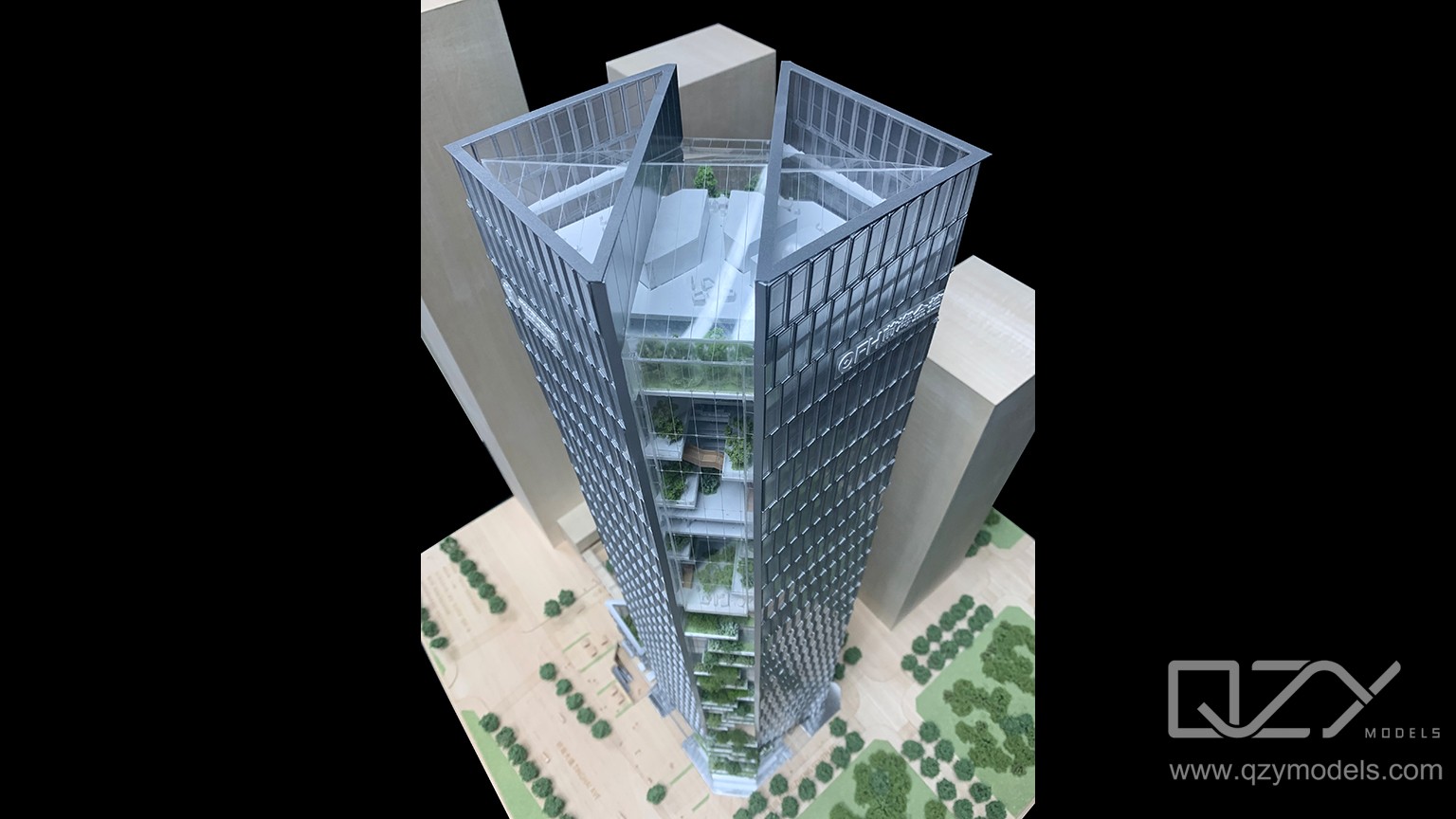
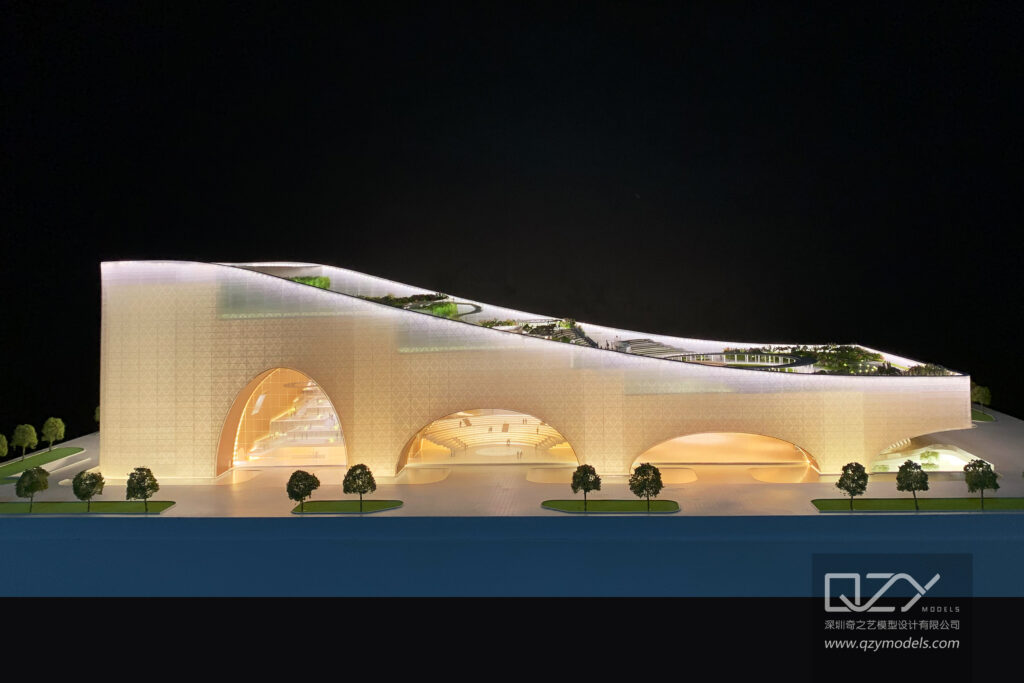
Building a realistic diorama requires artistry, precision, and innovation to capture miniature worlds with lifelike accuracy. With advanced materials and model-making technology from experts like QZY Models, professional and hobbyist creators can now achieve unprecedented realism, durability, and detail in their projects.
How is the current diorama industry evolving and what challenges does it face?
In recent years, the global modeling and miniature market has grown rapidly, driven by demand from education, architecture, and entertainment sectors. According to Grand View Research, the global model and hobby market reached over $11.6 billion in 2025 and is projected to grow at a CAGR of 4.5% through 2030. However, this growth highlights significant quality and scalability issues. Many creators struggle to balance artistic vision with technical precision, especially in architectural and landscape dioramas. Inconsistent finishes, poor material selection, and low structural integrity often limit professional-grade presentation. Moreover, traditional handcrafting can be labor-intensive and prone to human error, making it difficult for firms to meet tight client deadlines or large-scale exhibition demands.
For architectural design firms and developers, the pressure to present highly accurate, visually impactful models has never been greater. Viewers expect dioramas not only to depict structures but to tell immersive spatial stories. As digital rendering advances, physical models must evolve to stay relevant, integrating lighting, texture realism, and durable materials — capabilities QZY Models has mastered through decades of expertise.
What are the shortcomings of traditional diorama-building methods?
Conventional diorama building methods rely heavily on manual craftsmanship, foam board structures, and paint-based textures. While these methods can deliver artistic expression, they face several drawbacks:
-
Inconsistency: Manual precision varies widely across artists, leading to inconsistent scale fidelity.
-
Fragility: Basic materials like cardboard or resin often degrade under exhibition lighting or humidity.
-
Limited scalability: Large or complex urban models become inefficient and cost-prohibitive to build by hand.
-
Low integration capacity: It is challenging to combine lighting, motion, or functional architectural sections in traditional builds.
The outcome is often good—but not exceptional. High-end clients increasingly demand museum-quality dioramas that integrate mechanical, digital, and environmental realism. This gap opened the path for innovative solutions like those offered by QZY Models.
How does the QZY Models solution address these problems?
QZY Models provides an end-to-end professional diorama solution combining manual artistry with digital precision. Their approach blends 3D printing, CNC machining, laser engraving, and advanced acrylic or polymer composites. Each model is engineered for visual depth, lighting control, and structural strength.
Key capabilities include:
-
High-precision automated fabrication ensuring 0.1 mm tolerance accuracy.
-
Realistic environment simulation, including weathering, lighting, and landscape detailing.
-
Modular design systems for easy transport, assembly, and upgrades.
-
Integration of digital sensors and lighting that simulate day-night transitions for architecture presentations.
QZY Models’ team, based in Shenzhen with global offices, ensures every diorama reflects local cultural context while meeting international design and construction standards.
Which advantages distinguish QZY Models from traditional approaches?
| Features | Traditional Diorama | QZY Models Diorama |
|---|---|---|
| Precision | Manual approximation | CNC and 3D precision modeling |
| Material durability | Fragile materials | High-grade acrylic, resin, aluminum composites |
| Production efficiency | Labor-intensive | Automated + manual hybrid process |
| Lighting and motion | Rare or basic | Fully integrated smart lighting |
| Customization | Limited | Unlimited through CAD and digital design |
| Longevity | 1–2 years average | 5+ years under exhibition conditions |
How can clients build a realistic diorama using QZY Models’ method?
Building a professional-grade diorama involves five clear phases:
-
Concept and planning: Define the diorama’s theme, scale, and storytelling purpose with QZY Models’ design team.
-
Digital modeling and review: Convert sketches into 3D CAD models for structural accuracy and visual simulation.
-
Precision fabrication: Use advanced CNC, laser cutting, and 3D printing technologies to produce model components.
-
Surface detailing: Apply texturing, painting, and lighting systems that enhance realism and narrative tone.
-
Final assembly and testing: Integrate mechanical and lighting features; perform quality assurance to ensure perfect visual and functional balance.
What are four real-world examples of QZY Models’ successful diorama applications?
1. Architectural presentation (Dubai Project)
-
Problem: Developer needed a large-scale 1:500 model with detailed lighting zones.
-
Traditional method: Manual LED wiring resulted in uneven illumination.
-
QZY Models’ solution: Smart lighting integrated via programmable circuits.
-
Result: 45% increase in presentation engagement; reusable system for future exhibitions.
2. Urban planning visualization (Shanghai Municipality)
-
Problem: City planners required durable 3D cityscapes for public exhibitions.
-
Traditional method: Foam and resin models degraded under lighting heat.
-
QZY Models’ solution: Aluminum composite base with replaceable landscape sections.
-
Result: Over 60% reduction in maintenance costs across a 12-month display period.
3. Interior design mock-up (Luxury hotel chain)
-
Problem: Designers needed realistic room-scale dioramas to simulate lighting variations.
-
Traditional method: Static models failed to replicate light ambiance.
-
QZY Models’ solution: Embedded lighting with dimming control and reflective material textures.
-
Result: Accelerated client decisions by 30%.
4. Educational museum exhibit (Tokyo Science Museum)
-
Problem: Dioramas were too fragile for continuous visitor interaction.
-
Traditional method: Basic adhesive joints caused frequent repairs.
-
QZY Models’ solution: Modular impact-resistant base with interlocking panels.
-
Result: Model lifespan extended from 1 to 5+ years with zero breakage incidents.
Why is now the best time to upgrade to a professional diorama solution?
The move toward immersive, experiential visualization across industries—from architecture to education—means static, handcrafted models are no longer enough. Global exhibitions increasingly demand models that merge physical and digital realities. QZY Models’ combination of engineering precision and artistic design provides a future-ready solution for creators seeking lasting impact, scalability, and international presentation quality.
FAQ
1. How long does it take to create a professional diorama?
Typically 4–8 weeks depending on scale, detailing, and integrated features.
2. What materials does QZY Models use for durability?
High-quality acrylic composites, aluminum frames, and advanced resins engineered for long-term stability.
3. Can QZY Models incorporate moving elements or lighting?
Yes, motion systems, LED lighting, and programmable effects can be seamlessly built in.
4. Are the models customizable to brand styles or locations?
Every project is custom-designed to reflect the client’s brand identity, color scheme, and environmental characteristics.
5. Does QZY Models ship internationally?
Yes, QZY Models operates globally, with clients in over 20 countries, offering safe packaging and on-site installation assistance.