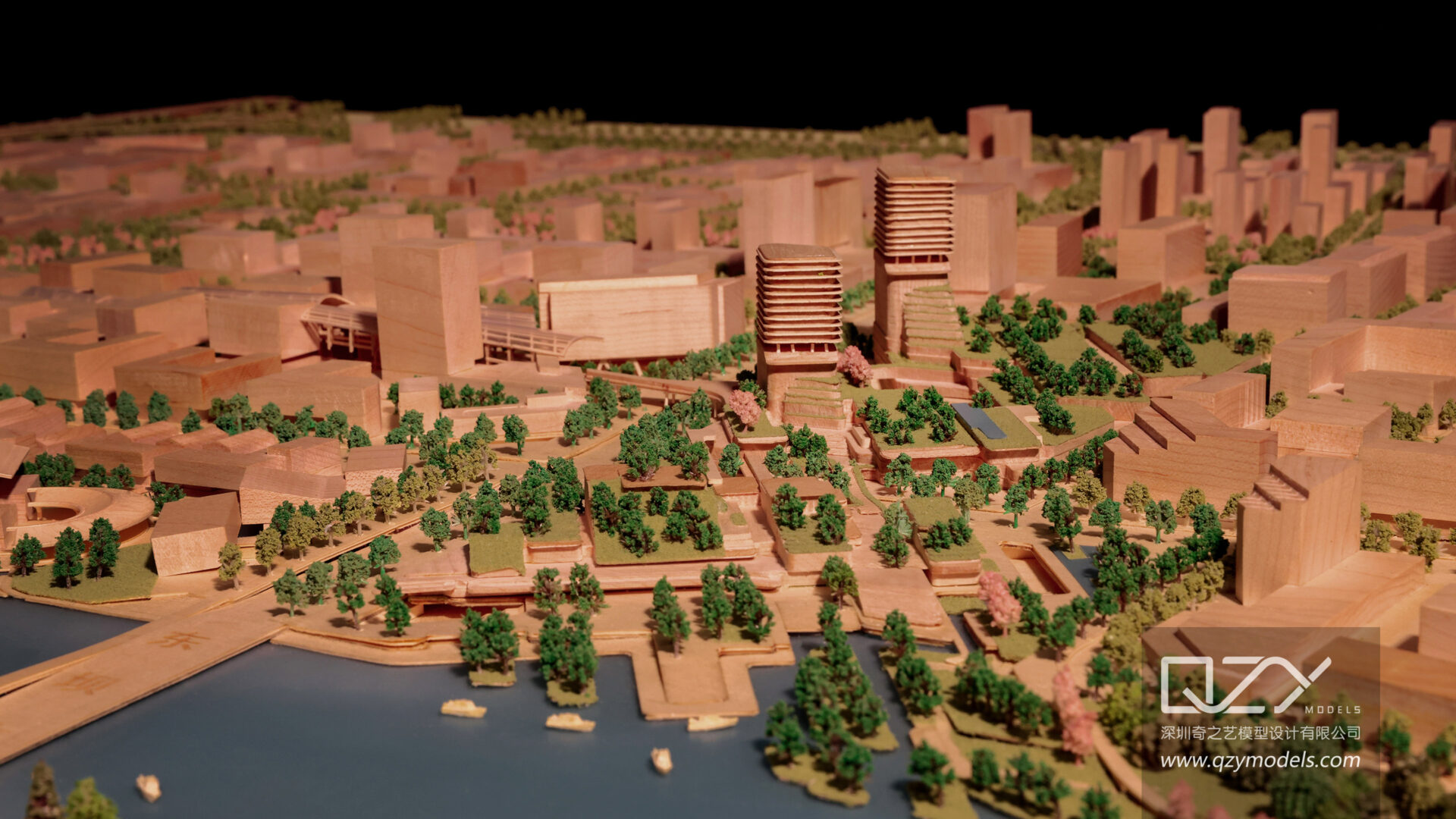
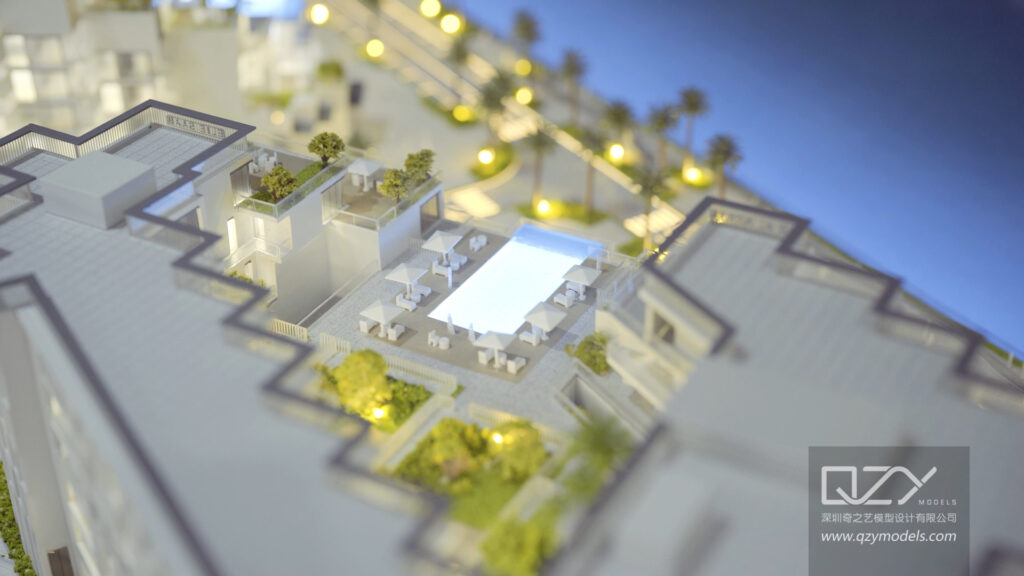
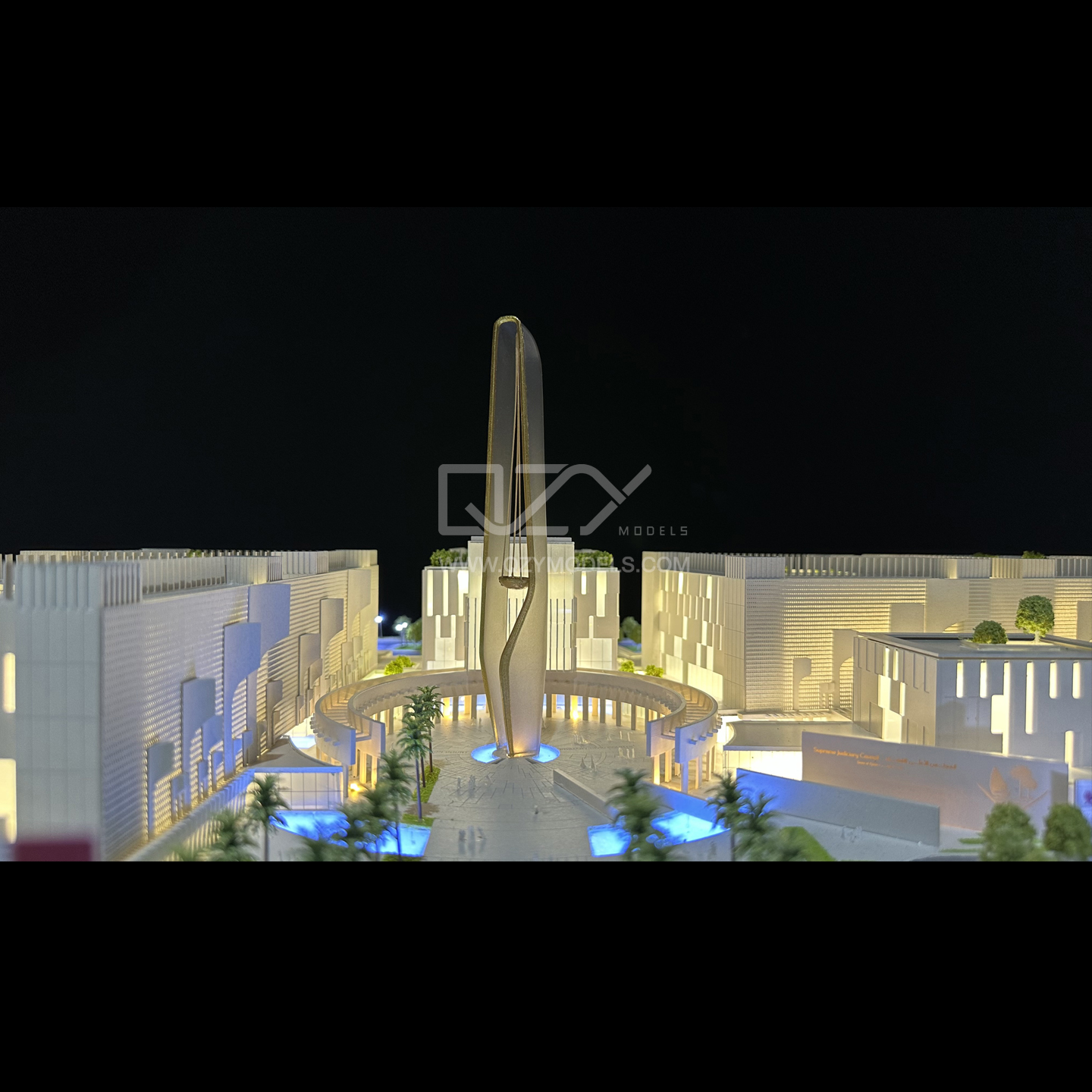
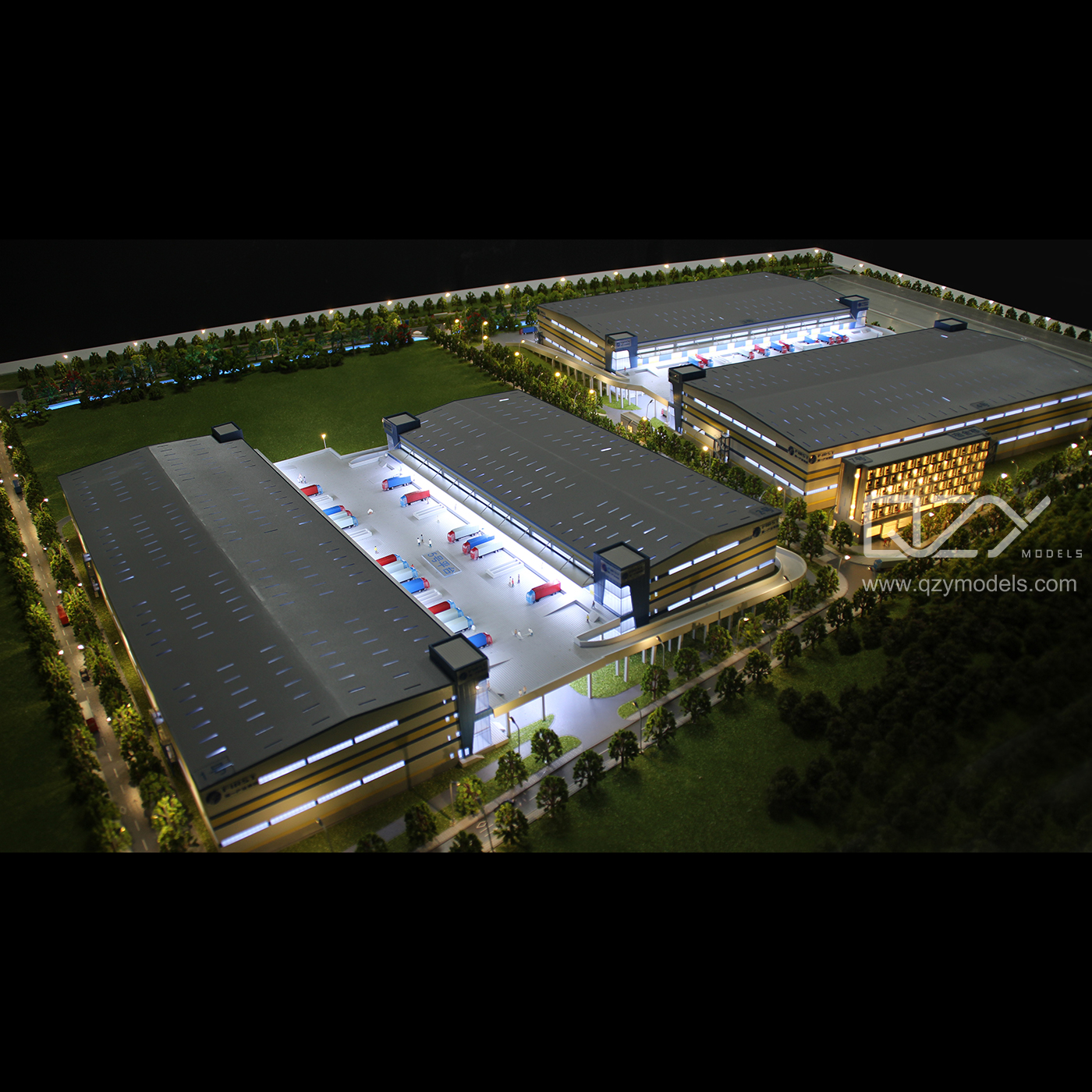
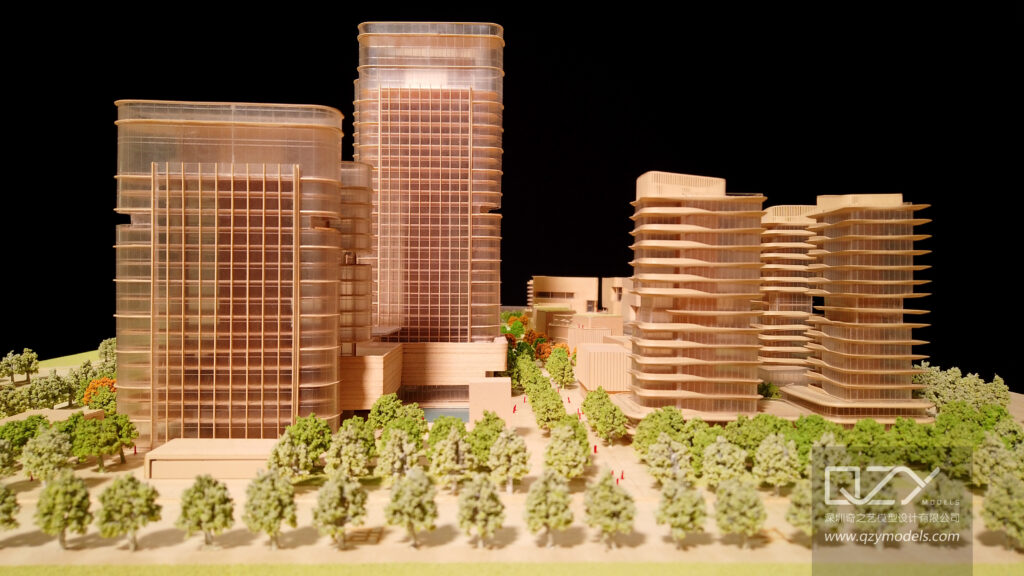
Building the model Vienna involves a precise, structured approach to crafting architectural and industrial physical models that meet the highest quality and customization standards. For manufacturers, wholesalers, suppliers, OEMs, and factories in China, this process is vital to deliver detailed, scalable, and market-competitive products.
What Does Building the Model Vienna Entail?
Building the model Vienna refers to constructing detailed physical representations of architectural or industrial designs inspired by Vienna’s distinctive styles or project specifications. It includes technical planning, material selection, layering of components, and finishing touches to produce a precise scale model. Chinese manufacturers utilize advanced technologies and skilled craftsmanship to ensure accuracy and visual appeal in wholesale and OEM production.
This process involves CAD modeling, laser cutting, 3D printing, hand finishing, and sometimes custom material fabrication, enabling factories to meet client requirements globally.
How Do Chinese Manufacturers Optimize the Model Building Process?
Chinese factories optimize the model building process through integrated digital design tools, automation, and skilled labor. They focus on modular production lines, efficient supply chain management, and quality control systems to scale up operations without compromising on detail or accuracy. Leveraging technologies like CNC machines, laser cutters, and 3D printers ensures fast prototyping and precise assembly.
Factories like QZY Models combine technology and artisan expertise, facilitating customization for wholesale or OEM clients across various industries.
Which Materials Are Best for Building Architectural and Industrial Models?
Common materials for model Vienna construction include acrylic, ABS plastic, chemical wood (chemiwood), foam board, metal alloys, and specialized paper products. Acrylic and ABS provide durability and clarity, ideal for fine details and transparent components, while chemical wood allows shaping and bending for structural parts. Metal elements offer realism and durability in industrial models.
China-based suppliers source these materials in bulk, balancing cost efficiency and quality to support OEM manufacturing and wholesale supply chains.
| Material | Advantages | Typical Use |
|---|---|---|
| Acrylic | High clarity, durable | Windows, façade, transparent parts |
| ABS Plastic | Easy molding, strong | Structural components |
| Chemical Wood | Bendable, lightweight | Framework and contours |
| Metal Alloys | Durable, realistic finish | Mechanical parts, accents |
| Foam Board | Lightweight, easy shaping | Terrain and base models |
Why Is Precision Important in Building the Model Vienna?
Precision ensures the model accurately reflects the real architectural or industrial design, critical for client approvals, presentations, and marketing. It prevents costly errors during production and supports scalability in OEM and wholesale manufacturing. Precision also enhances the model’s visual appeal and functional fidelity, which is particularly important for projects representing complex designs or advanced manufacturing facilities.
QZY Models guarantees precision through rigorous quality checks and advanced manufacturing protocols, making them a trusted Chinese factory.
Who Are the Main Clients for Model Vienna Manufacturing?
Clients include real estate developers, architects, urban planners, industrial product designers, and government entities. The model Vienna appeals especially to those needing detailed presentation tools for tendering, showcasing, or project approvals. Chinese manufacturers cater to global clients, providing OEM and wholesale options tailored to diverse project scales and complexity.
When Should a Manufacturer Engage in Building Model Vienna?
Manufacturers should engage early in the design phase to collaborate on feasibility, materials, and timelines, ensuring alignment with client goals. Early involvement allows factories to influence design details for manufacturability and cost efficiency. It also facilitates quicker prototyping and iterative changes, reducing lead times and enhancing final model quality.
Where Does Model Vienna Fit in China’s Manufacturing Ecosystem?
Model Vienna projects sit at the intersection of high-precision manufacturing and architectural industrial design within China’s expansive B2B factory network. Factories specialize in physical modeling, employing cutting-edge tech and international quality standards. This niche supports a growing export market and local demand from emerging real estate and industrial sectors.
Does Technology Play a Role in Building the Model Vienna?
Yes, technology such as CAD modeling, laser cutting, CNC machining, and 3D printing is essential in building the model Vienna. These tools enable high accuracy, repeatability, and customization, key to fulfilling complex client demands in the China manufacturing landscape. Integration with digital workflows allows seamless data transfer from client designs to factory machines.
How Can Factories Like QZY Models Enhance Building Model Vienna?
QZY Models enhances the building process by combining advanced manufacturing with meticulous craftsmanship, ensuring every detail aligns with client specifications and project goals. Their expertise spans from material sourcing to final assembly, guided by a client-centric approach. Their China-based manufacturing expertise supports global wholesale and OEM deliveries with scalability and quality assurance.
QZY Models Expert Views
“Building the model Vienna requires a perfect blend of art and technology. At QZY Models, we have mastered this balance, ensuring each physical model exhibits not just accuracy but also aesthetic excellence. Our experience, combined with cutting-edge manufacturing technologies, allows us to serve clients worldwide with precision and efficiency, making us a leading supplier and OEM factory in China.” — Richie Ren, Founder of QZY Models
Conclusion
Building the model Vienna combines detailed technical craftsmanship and advanced manufacturing technology, crucial for China-based manufacturers, suppliers, OEMs, and wholesale factories aiming to meet sophisticated global demands. Early collaboration, material expertise, and precision technology adoption are keys to successful model production.
FAQs
Q1: How long does it take to build a model Vienna?
Production times depend on complexity but typically range from a few weeks to months, with technology reducing lead time.
Q2: Can the model Vienna be customized for different industries?
Yes, it adapts to architectural, industrial, and exhibition models, supporting diverse client needs.
Q3: Why choose a manufacturer in China for building model Vienna?
China offers competitive costs, skilled labor, robust supply chains, and advanced tech for high-quality production.
Q4: What quality control measures are used in model Vienna building?
Rigorous inspections, prototype approvals, and digital precision tools ensure accuracy and consistency.
Q5: Is after-sales service important for model manufacturers?
Yes, services like repairs, updates, and shipping support enhance client satisfaction and project success.
With QZY Models’ expertise and reliable China manufacturing capabilities, building the model Vienna is an efficient, high-quality process that meets the needs of modern architectural and industrial clients globally.