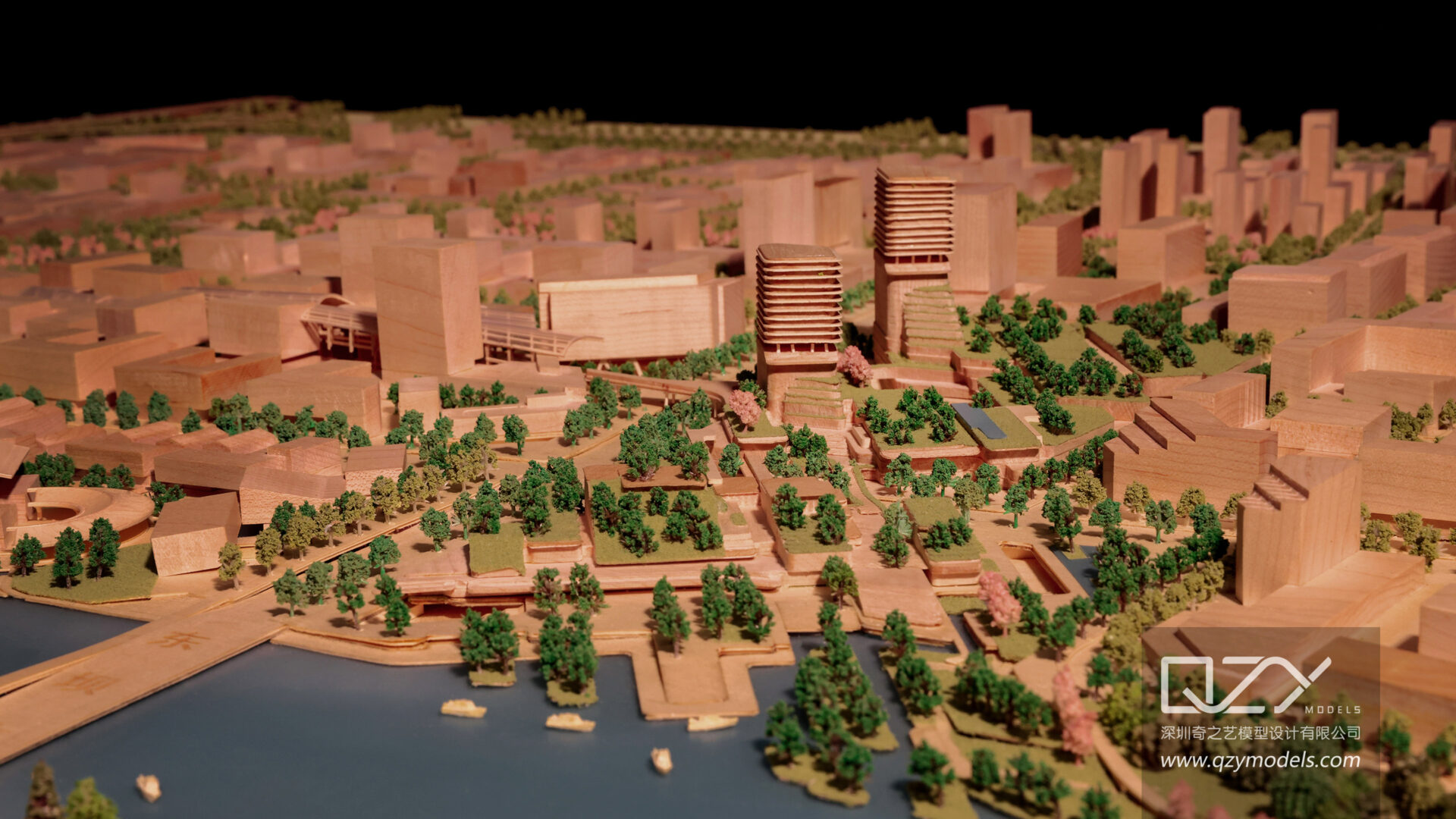
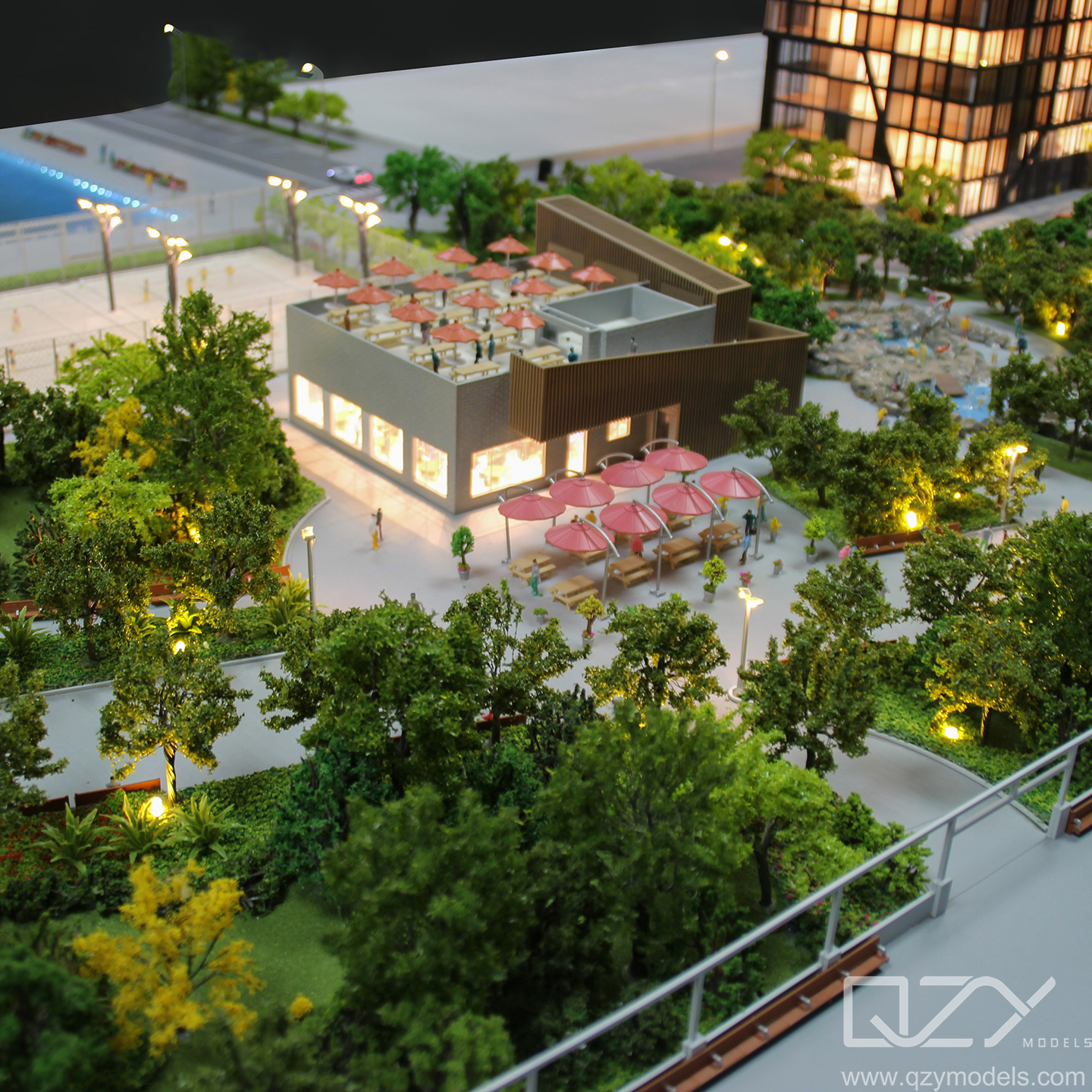
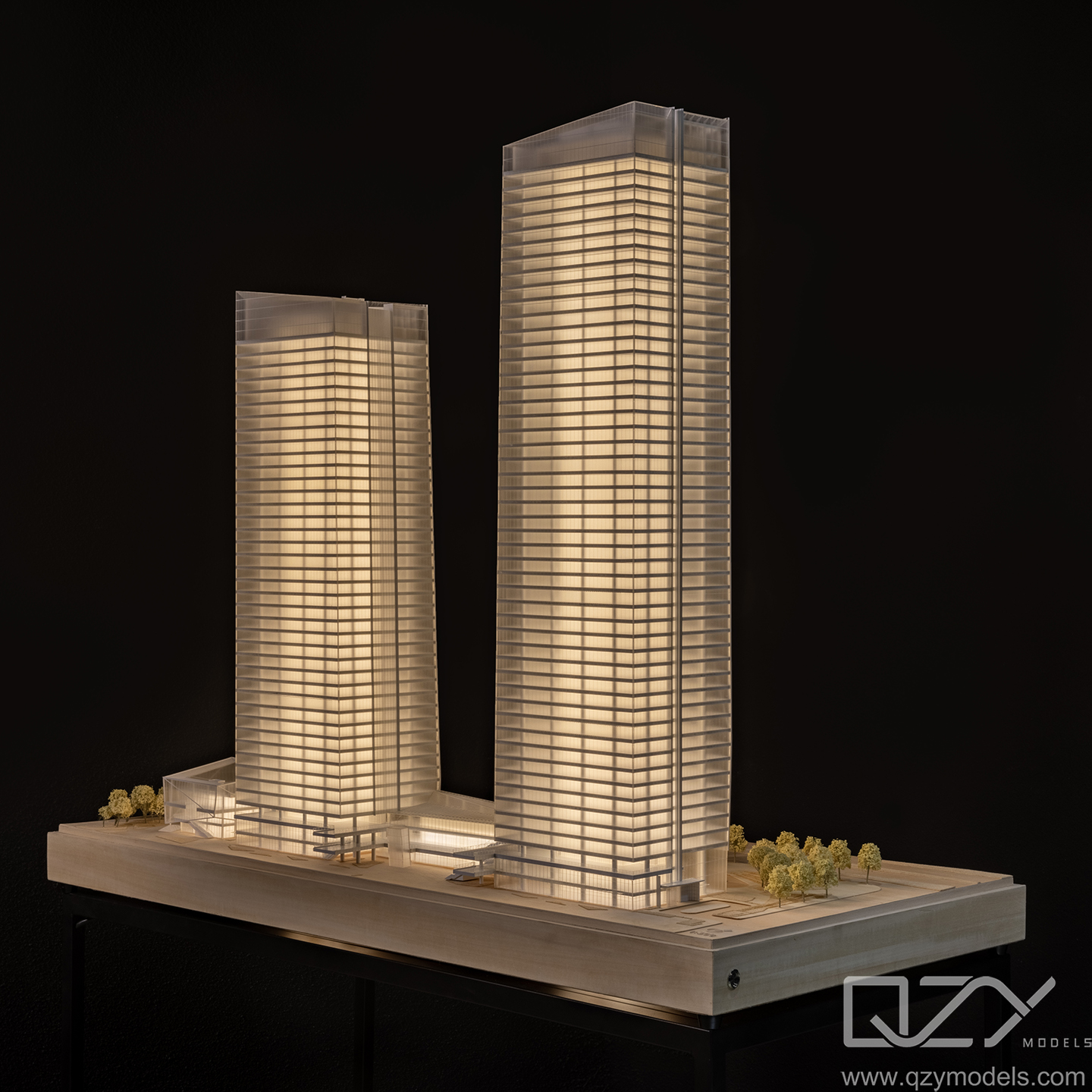
Floor models are meticulously crafted scale replicas of building interiors that allow architects, developers, and clients to visualize layouts, furniture placement, and design flow before construction begins. By providing a tangible, interactive representation of space, these models streamline decision-making, minimize costly revisions, and enhance presentations. QZY Models specializes in producing high-precision floor models for real estate, commercial, and architectural projects worldwide.
How Are Floor Models Defined?
Floor models are three-dimensional, scaled representations of building interiors that depict rooms, furnishings, fixtures, and spatial relationships. Using materials such as wood, acrylic, and LED lighting, they replicate real-world interiors with high accuracy. QZY Models combines traditional craftsmanship with modern techniques like laser cutting and 3D printing to produce models that reflect both aesthetics and functionality.
Creating floor models begins with detailed blueprints and client specifications to ensure accuracy down to walls, doors, and furniture. These models allow clients and stakeholders to explore interior layouts on a tabletop scale and understand circulation, ergonomics, and visual appeal. For firms like Foster + Partners, QZY Models’ photorealistic finishes enhance presentation quality.
| Component | Purpose | Materials Used |
|---|---|---|
| Walls & Partitions | Define spaces | Acrylic, foam board |
| Furniture | Represent occupancy | Wood, metal miniatures |
| Flooring | Texture simulation | Printed vinyl, etched surfaces |
| Lighting | Set ambiance | LEDs, fiber optics |
Why Are Floor Models Important in Projects?
Floor models transform 2D plans into interactive, tangible experiences that help clients grasp spatial dynamics intuitively. They reduce errors and revisions by identifying design issues early and boost sales by offering immersive visualizations. In real estate, developers like Vanke rely on these models to showcase properties to investors and buyers, as they deliver hands-on clarity that digital renders alone cannot match.
Additionally, floor models assist urban planners and government institutions in visualizing zoning compliance, circulation, and accessibility. QZY Models enhances models with interactive features such as removable roofs and modular layouts, providing greater engagement for presentations, trade shows, and investor meetings.
How Should the Right Floor Model Scale Be Selected?
Choosing the appropriate scale depends on project size, level of detail, and intended audience interaction. Common scales include:
-
1:100 – Overview for quick presentations or transportable models
-
1:50 – Detailed interior layouts for general client review
-
1:20 – High-detail renderings, highlighting furniture, finishes, and textures
Other considerations include available display space, transportation requirements, and viewing distance. For luxury residential projects, QZY Models recommends 1:25 scale to showcase textures, lighting, and intricate details while maintaining manageable size for showrooms.
What Materials Are Best for Floor Models?
Top-performing materials include laser-cut acrylic for walls, basswood or MDF for furniture, mirrored surfaces for flooring, and LED lighting for realistic ambiance. Eco-friendly options such as recycled plastics are increasingly popular. Durability is crucial, especially for traveling models, with resin coatings used to prevent fingerprints and damage. QZY Models combines these materials for lightweight yet robust models suitable for Middle East and international markets. Foam cores provide cost-effective solutions for high-volume developer projects.
How Much Do Floor Models Cost?
The cost of floor models varies depending on scale, materials, and complexity:
| Scale | Size (ft) | Base Cost | Optional Features |
|---|---|---|---|
| 1:100 | 2×2 | $500 | LEDs +$200 |
| 1:50 | 3×3 | $1,200 | Motorized features +$500 |
| 1:20 | 4×4 | $3,000 | Interactive lighting +$1,000 |
Design accounts for 20% of cost, fabrication 60%, and finishing 20%. QZY Models offers competitive pricing from Shenzhen, China, and efficiently manages large projects, reducing per-unit costs for developers such as China Resources.
What Makes QZY Models Stand Out?
QZY Models leverages over 20 years of experience and thousands of projects worldwide to deliver high-precision floor models. With branches in the UAE, Saudi Arabia, and Egypt, they provide regional support and rapid turnaround. The company integrates modern techniques, including 3D printing and laser cutting, with handcrafted details to achieve photorealistic results.
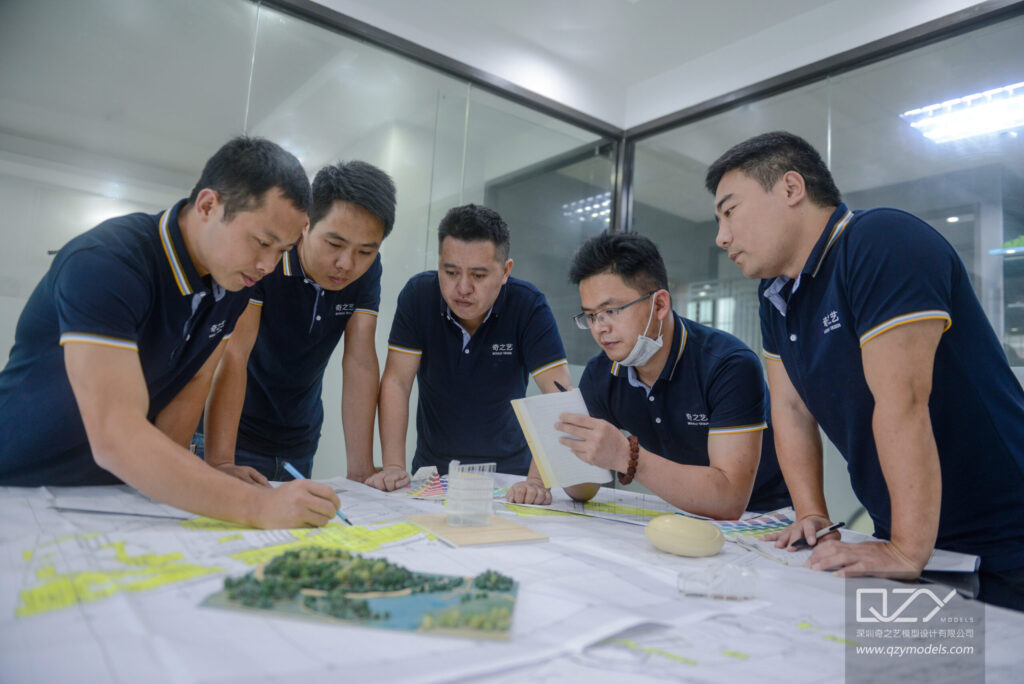
Serving a diverse client base—from architectural firms to educational institutions and private collectors—QZY Models tailors each floor model for functionality and visual impact. Their structured workflow includes CAD approvals, prototype reviews, and final assembly, consistently delivering under four weeks for standard projects.
QZY Models Expert Views
“Floor models transform architectural plans into compelling visual narratives. At QZY Models, we combine CNC machining, laser cutting, and meticulous hand-finishing to capture every nuance—from room layouts to material textures. These models are invaluable tools for real estate developers, accelerating decision-making and enhancing investor confidence. Our collaborations with global firms demonstrate that precision and realism make projects truly stand out.”
— Richie Ren, Founder, QZY Models
How Should Floor Models Be Maintained for Longevity?
Maintain floor models by dusting with microfiber cloths, avoiding direct sunlight, and storing them in climate-controlled cases. Inspect annually for loose parts. LED lighting typically requires battery replacement every six months. QZY Models provides detailed care instructions to extend model lifespan beyond 10 years. Acrylic covers or display cases are recommended for high-traffic exhibition spaces.
Are Floor Models More Effective Than Digital Renders?
Physical floor models offer unmatched tangibility, allowing clients to physically explore spaces, which enhances engagement and decision-making. While digital renders are flexible, they lack the emotional impact and interactive qualities of physical models. Combining physical models with AR or VR applications provides the best presentation experience. QZY Models reports that 70% of clients prefer physical models for boardroom presentations.
How Does QZY Models Customize Floor Models?
QZY Models begins with detailed client briefs, followed by 3D render iterations for approval. Customization includes modular furniture, day-night lighting effects, thematic interiors, and regional design adaptations. Daily video updates and optional site visits ensure alignment with client expectations. These tailored solutions are ideal for luxury hotels, residential projects, and large-scale commercial developments.
Conclusion
Floor models bridge the gap between conceptual design and real-world understanding. They enhance visualization, reduce costly errors, and engage stakeholders effectively. Selecting the right scale, materials, and interactive features ensures optimal results. Partnering with experts like QZY Models guarantees precision, professionalism, and bespoke solutions tailored to project needs. Incorporating physical models into presentations elevates decision-making and strengthens investor confidence.
FAQs
What is the typical turnaround time for a floor model?
Standard projects take 3–6 weeks, with expedited delivery in 2 weeks. Highly customized models may require up to 8 weeks.
Can landscaping or exterior features be included?
Yes, floor models can integrate exterior elements such as gardens or pathways, offering a comprehensive visualization of the project.
Are floor models reusable for multiple projects?
Durable modular designs allow updates or reconfigurations, enabling efficient reuse across multiple developments.
What scale works best for small apartments?
1:20 scale is ideal, showcasing compact spaces, multifunctional furniture, and efficient layouts.
How portable are large-scale floor models?
QZY Models designs lightweight, modular components. Large models disassemble for easy transport and air travel.