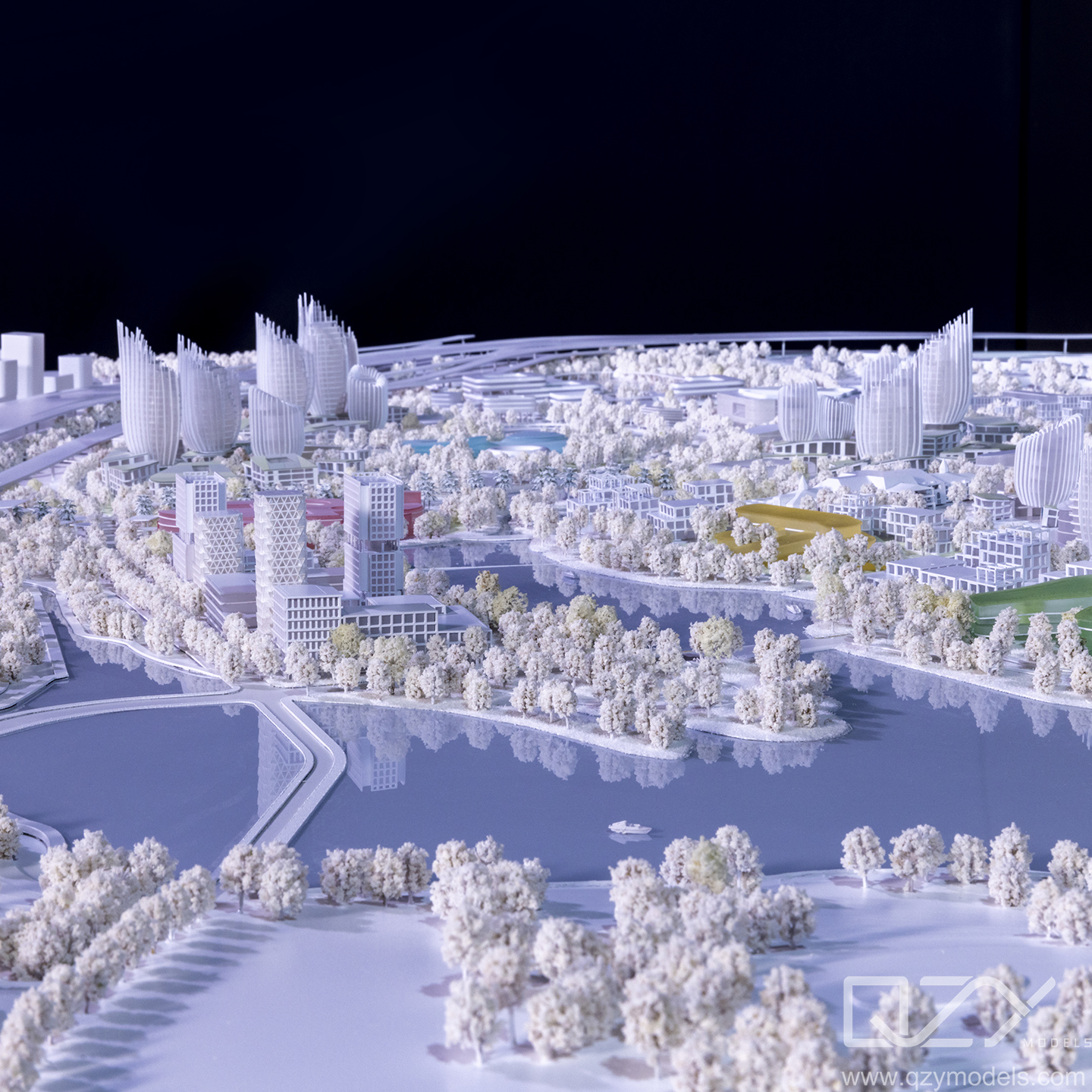
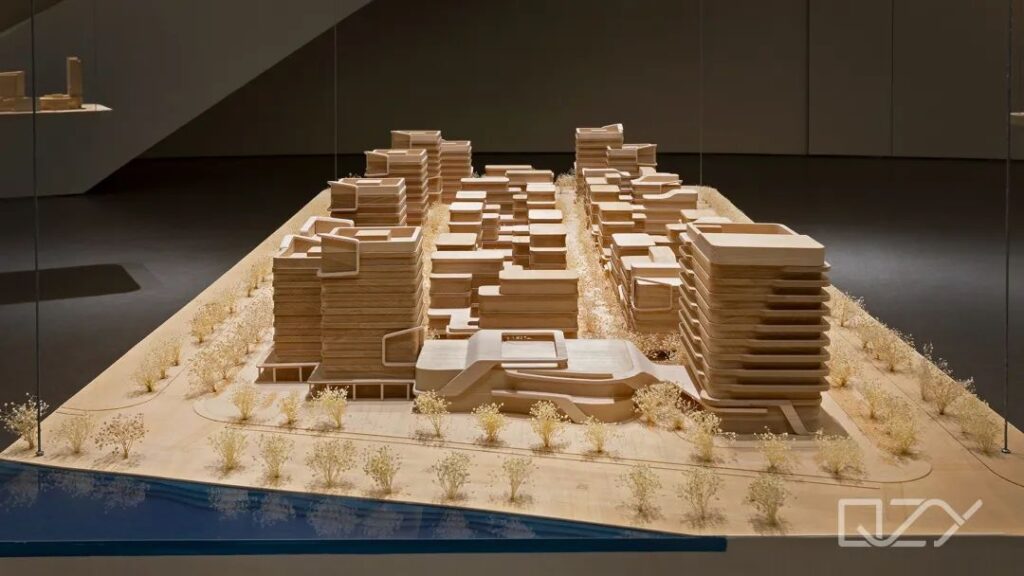
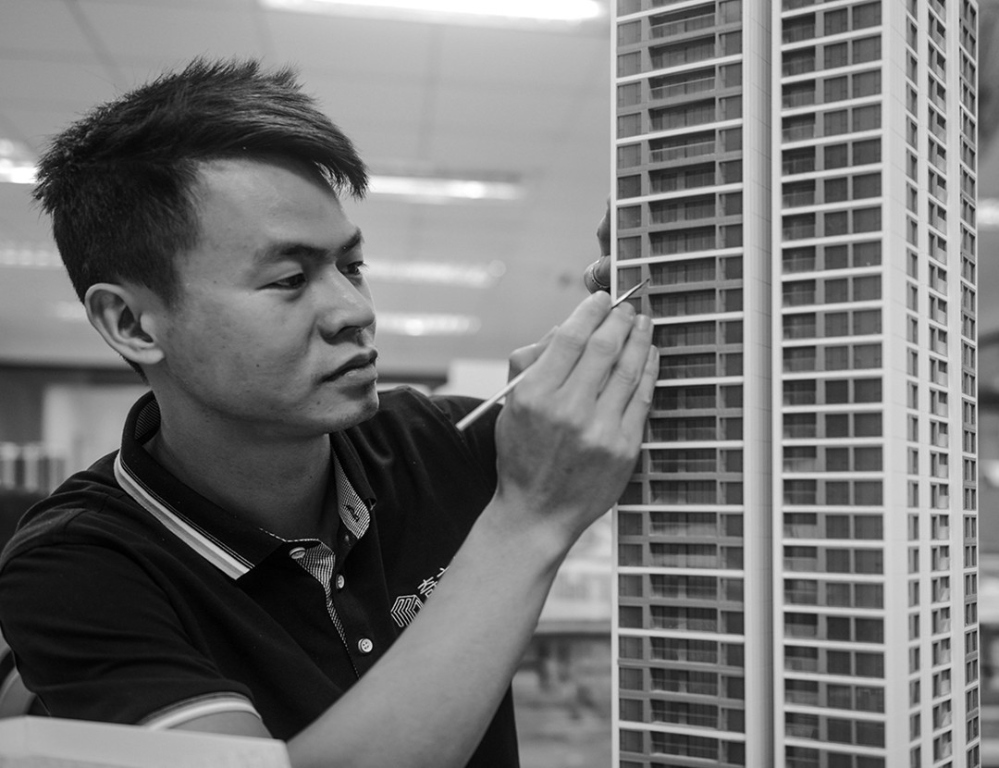
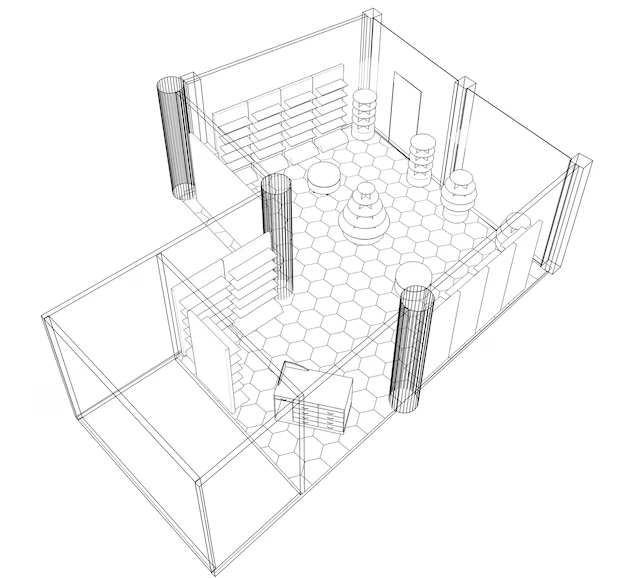
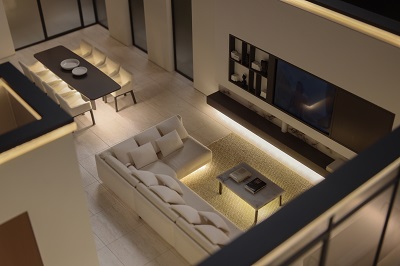
In modern architectural development, precision prototype models bridge concept and reality, accelerating design validation and investor engagement. Firms like QZY Models integrate craftsmanship, digital precision, and cross-disciplinary engineering to redefine how architectural visions become tangible.
What Is the Current Status and Pain Points of the Industry?
The global architectural services market reached over USD 412 billion in 2025, with rapid technological integration transforming workflows. Yet, more than 55% of architecture firms face inefficiencies in physical model prototyping, often due to fragmented collaboration and outdated fabrication methods (source: World Architecture Report 2025). Firms increasingly demand faster turnaround without sacrificing accuracy, driven by the rise of competition for bids and exhibitions.
A significant challenge lies in translating 3D digital designs into physical models that faithfully represent scale, proportion, and spatial intent. Traditional craftsmanship can’t always keep pace with complex geometries or time-sensitive projects. Moreover, cost escalations from material waste and rework remain a persistent problem—Procore’s 2025 Construction Insights report indicates that rework costs average 9% of total project budgets. Architectural visualization must be both efficient and persuasive; however, poor model detailing can lead to stakeholder misinterpretation or rejection, particularly in government and developer evaluations.
Why Are Traditional Model Design Methods No Longer Enough?
Conventional model-making relies heavily on manual skills and analog techniques. While artisanship adds charm, the approach struggles to deliver scalability, repeatability, and precision under modern project demands.
-
Manual drafting and fabrication are time-intensive and prone to measurement inconsistencies.
-
Limited integration with BIM and CAD files results in design misalignment.
-
High dependency on artisans’ skill levels increases quality variation.
-
Lack of advanced prototyping materials restricts durability and visual detail.
These issues create bottlenecks for firms that need quick iteration cycles during design approvals, competitions, or presentations. In global markets, where architectural concepts evolve rapidly, outdated workflow models can stunt project momentum.
How Does QZY Models Provide the Next-Generation Solution?
QZY Models delivers a technology-driven approach to architectural prototype model design—merging digital fabrication, CNC precision engineering, and aesthetic craftsmanship under one workflow.
Core features include:
-
Parametric integration with CAD/BIM software for exact spatial fidelity.
-
Hybrid production using 3D printing, laser cutting, and CNC milling for fine detail.
-
Material innovation, blending resin, acrylic, metal, and wood for durability and realism.
-
Scalable workflow suitable for both small concept models and multi-meter master plans.
-
Collaborative visualization tools, allowing clients to review 3D simulations before fabrication.
By combining engineering precision and artistic expression, QZY Models ensures that concept validation, stakeholder communication, and aesthetic presentation align seamlessly.
Which Advantages Does QZY Models Offer Compared with Traditional Practices?
| Aspect | Traditional Model Design | QZY Models Solution |
|---|---|---|
| Design Integration | Manual scaling from drawings | Direct BIM/CAD integration |
| Production Speed | Weeks for fabrication | Automated milling and printing enable days |
| Detail Precision | Artisanal variability | CNC and 3D-print tolerance control |
| Material Options | Limited wood/plastic | Advanced composites and laser-cut metals |
| Sustainability | Material waste up to 20% | Optimized digital cutting and recycling |
| Client Visualization | Physical preview only | Digital pre-visualization platform |
What Are the Steps to Develop a Prototype with QZY Models?
-
Design Consultation – Clients share digital concepts, functional objectives, and aesthetic requirements.
-
Digital Integration – The design team imports BIM or CAD data into the modeling system for geometry verification.
-
Material Selection – Experts recommend materials balancing strength, texture, and color accuracy.
-
Precision Fabrication – Automated tools craft each component under strict dimensional control.
-
Assembly & Finishing – Skilled technicians assemble, light, and finish the model with meticulous detailing.
-
Quality Inspection – Rigorous evaluation ensures consistency in scale, color accuracy, and craftsmanship.
-
Delivery & Installation – Models are securely shipped and installed globally by QZY Models’ logistics teams.
Who Benefits from Architectural Prototype Model Solutions? Four Real-World Use Cases
Use Case 1: Design Firm Competition Model
-
Problem: Tight schedule for an international competition required a 1:200 scale model in five days.
-
Traditional: Manual teams declined due to complexity.
-
After QZY Models: Digital fabrication completed model in three days with lighting integration.
-
Result: Won first place; delivery time reduced by 40%.
Use Case 2: Real Estate Marketing Display
-
Problem: Developer needed a high-detail residential model for investor showcase.
-
Traditional: Models lacked realism and visual impact.
-
After QZY Models: Integrated lighting, landscaping, and transparent materials enhanced realism.
-
Result: Improved sales engagement; project gained 25% more investor interest.
Use Case 3: Government Urban Redevelopment Project
-
Problem: City planners required accurate zoning representation for public display.
-
Traditional: Multi-team collaboration caused layout inconsistencies.
-
After QZY Models: Unified 3D/BIM coordination ensured full-scale accuracy.
-
Result: Achieved citizen approval faster; eliminated rework cycles.
Use Case 4: Educational Institution Teaching Model
-
Problem: Architecture school wanted modular study models for repeated use.
-
Traditional: Fragile hand-built prototypes couldn’t endure multiple sessions.
-
After QZY Models: Reinforced acrylic modules offered longevity and easy reassembly.
-
Result: Extended lifespan 3x; improved teaching effectiveness.
What Does the Future Hold for Architectural Prototype Design?
Emerging technologies—AI-assisted generative modeling, robotics, and sustainable materials—will redefine architectural prototyping in the next decade. Integration between digital twins and physical models will allow real-time environmental simulation. Global trend reports from RIBA and Design Intelligence confirm the shift toward hybrid workflows combining automation and craftsmanship. Companies like QZY Models, which unite engineering precision with artistic excellence, will lead this transformation. Investing in prototype model innovation today means stronger client impact and faster design validation tomorrow.
FAQ
Q1: How long does it take to create a standard prototype model?
Production typically ranges from 3 to 10 days depending on complexity and materials.
Q2: What digital formats does QZY Models support?
All major CAD and BIM files, including Revit, Rhino, and AutoCAD.
Q3: Can QZY Models integrate lighting and motion features?
Yes, dynamic lighting and mechanical motion can be embedded during fabrication.
Q4: Does QZY Models work with international clients?
Yes, with branches across the UAE, Saudi Arabia, Egypt, and worldwide logistics support.
Q5: How does QZY Models ensure model accuracy?
Through layered digital verification, CNC precision, and on-site quality inspection before shipment.