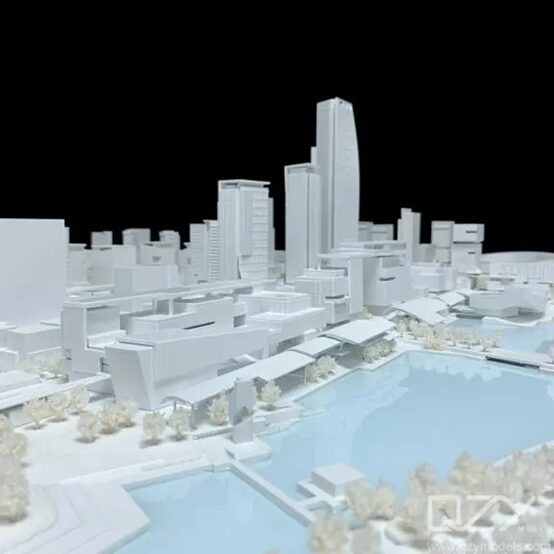
Successful shopping mall design blends circulation efficiency, anchor store placement, multi-level connectivity, experiential zones, and sustainable systems. QZY Models produces precise physical scale models that visualize complex layouts, enabling architects and developers to communicate design intent, identify flaws, and optimize foot traffic and revenue potential before construction begins, ensuring informed decisions and stakeholder approval.
What Makes a Shopping Mall Design Successful?
A successful mall balances commerce, experience, and operational efficiency. Key principles include intuitive navigation, visual landmarks guiding movement, and flexible retail spaces adapting to market demands.
Key success factors:
-
Foot Traffic Optimization: Anchor stores positioned to draw visitors through all zones
-
Dwell Time Extension: Entertainment, dining, and rest areas strategically located
-
Multi-Sensory Appeal: Lighting, materials, and acoustics enhance ambiance
-
Future-Proof Flexibility: Modular retail units accommodate evolving brand needs
QZY Models’ scale models provide developers a tangible view of circulation patterns and revenue zones, revealing design issues invisible in 2D plans.
How Should Mall Circulation Patterns Be Planned?
Effective circulation ensures smooth flow and maximizes exposure to retail spaces. Racetrack and dumbbell layouts with anchor stores at opposite ends pull visitors through specialty zones, while central atriums and escalators enhance vertical connectivity and natural light penetration.
| Layout Type | Strengths | Best For | Foot Traffic Flow |
|---|---|---|---|
| Racetrack | Continuous loop | Large malls | Excellent |
| Dumbbell | Anchor-driven | Regional centers | Very Good |
| Linear | Simple navigation | Strip malls | Good |
| Hub-Spoke | Central attraction | Lifestyle centers | Moderate |
Design steps:
-
Place anchor stores at strategic ends
-
Design 18–22 ft main walkways with seating nodes
-
Locate escalators near food courts and entertainment
-
Use landmarks like fountains or sculptures for orientation
QZY Models’ sectional models with LED-lit pathways demonstrate traffic flow, enabling informed design decisions.
What Role Do Anchor Stores Play?
Anchor stores drive 40–60% of mall traffic, positioned to pull visitors past specialty shops and increase tenant sales by 25–35%.
Anchor strategy:
-
Traffic Generation: Each anchor (50,000+ sq ft) attracts dedicated customers
-
Extended Dwell Time: Encourages longer shopping trips
-
Prestige Value: Iconic brands elevate mall positioning
| Anchor Type | Draw Radius | Peak Hours | Foot Traffic Impact |
|---|---|---|---|
| Department | 20 miles | Weekends | High |
| Supermarket | 5 miles | Daily | Consistent |
| Cinema | 15 miles | Evenings | Peak surge |
QZY Models’ modular anchor sections allow physical testing of placement before final design commitment.
How to Design Multi-Level Connectivity?
Vertical circulation is crucial for modern malls. Central glass atriums with adjacent escalators, glass elevators as focal points, skybridges, and destination escalators near entertainment zones enhance movement and customer experience.
Best practices:
-
Escalators visible across levels create excitement and guide flow
-
Glass elevators function as navigational and visual attractions
-
Consistent floor numbering and signage improve orientation
-
Plan capacity for 1 escalator per 25% of peak hour visitors
QZY Models’ multi-level models with functional escalators and LED indicators demonstrate sightlines and circulation for stakeholders.
What Experiential Zones Increase Dwell Time?
Experience-driven areas extend visitor engagement and spending. Food courts, family entertainment, urban parks, interactive art, and event plazas boost dwell time from 45 to 120+ minutes, increasing per-visit revenue by up to 35%.
| Zone Type | Dwell Time | Conversion Rate | Revenue/sqft |
|---|---|---|---|
| Food Court | 45 min | 65% | $850 |
| Entertainment | 90 min | 45% | $720 |
| Lifestyle Park | 60 min | 30% | $420 |
| Luxury Retail | 20 min | 15% | $2,100 |
QZY Models integrates functional seating, LED-lit entertainment zones, and green spaces in physical models to illustrate revenue layering opportunities.
How to Incorporate Sustainable Design?
Sustainability improves operational efficiency and tenant appeal. Key strategies include natural ventilation, photovoltaic skylights (30% energy contribution), rainwater harvesting (40% reduction), green roofs (cooling), and LED lighting (70% energy savings) to achieve LEED Gold certification.
Green integration methods:
-
Atriums for stack ventilation reducing AC load
-
Solar glass for natural illumination and energy
-
Chilled beams reducing mechanical footprint
-
Smart BMS for occupancy-based HVAC and lighting control
QZY Models’ physical mockups demonstrate daylight penetration and energy modeling, aiding green building approvals.
QZY Models Expert Views
“Shopping mall success relies on physical model accuracy during design validation. Our 1:200 scale models reveal circulation bottlenecks invisible in digital renders. Strategic anchor placement and multi-level connectivity simulations increase specialty retail exposure by 27%. For Middle East projects, we incorporate culturally specific spaces like prayer rooms and family zones to avoid costly redesigns. Functional elevators and working elements in models show stakeholders exact customer flow, building confidence and securing approvals.”
— Richie Ren, Founder QZY Models
Which Materials Enhance Mall Aesthetics?
Material choices impact perception, durability, and maintenance. Polished terrazzo, glass railings, perforated metal ceilings, and warm LED lighting create premium environments and improve visitor satisfaction.
Considerations:
-
Durability: Terrazzo withstands high traffic
-
Maintenance: Antimicrobial coatings reduce cleaning frequency
-
Light Enhancement: Reflective surfaces maximize daylight
QZY Models uses real material samples in physical mockups, allowing tactile evaluation before major investments.
How Do Physical Models Aid Mall Design?
Physical scale models reveal circulation flaws, light interactions, and material realities unseen in digital renders, reducing redesign costs and accelerating approvals.
| Aspect | Physical Model | Digital Render |
|---|---|---|
| Circulation Logic | Excellent | Good |
| Material Reality | Perfect | Fair |
| Stakeholder Buy-in | Highest | Moderate |
| Cost | $25K-$75K | $5K-$15K |
QZY Models’ interactive models with removable roofs and LED circuits serve as permanent sales center assets, enhancing pre-leasing and stakeholder confidence.
Conclusion
Exceptional shopping mall design requires understanding visitor behavior, revenue layering, and adaptability. Prioritize racetrack circulation, well-spaced anchors, experiential programming, and sustainability targets. Physical models from QZY Models validate complex decisions before construction, reducing risk and improving stakeholder engagement.
Action steps:
-
Commission a 1:200 QZY Models study (4-week delivery)
-
Test multiple anchor configurations pre-schematic design
-
Allocate ~12% of space to experiential zones
-
Engage QZY Models for sales center production
Frequently Asked Questions
What is the ideal anchor store spacing?
300–500 meters in racetrack layouts optimizes specialty retail exposure and anchor draw. QZY Models tests configurations physically.
How much area should food courts occupy?
22–28% of gross leasable area, positioned near entertainment and parking for accessibility.
What scale is best for mall models?
1:200 for master planning, 1:500 for regional context; dual scales enhance stakeholder communication.
How long does mall design take?
15–24 months from concept to construction documents. Physical models can accelerate approvals by 30–40%.
Can existing malls retrofit experiential zones?
Yes, 65% of QZY Models’ projects upgrade existing centers. Phased implementation prevents revenue loss.