-
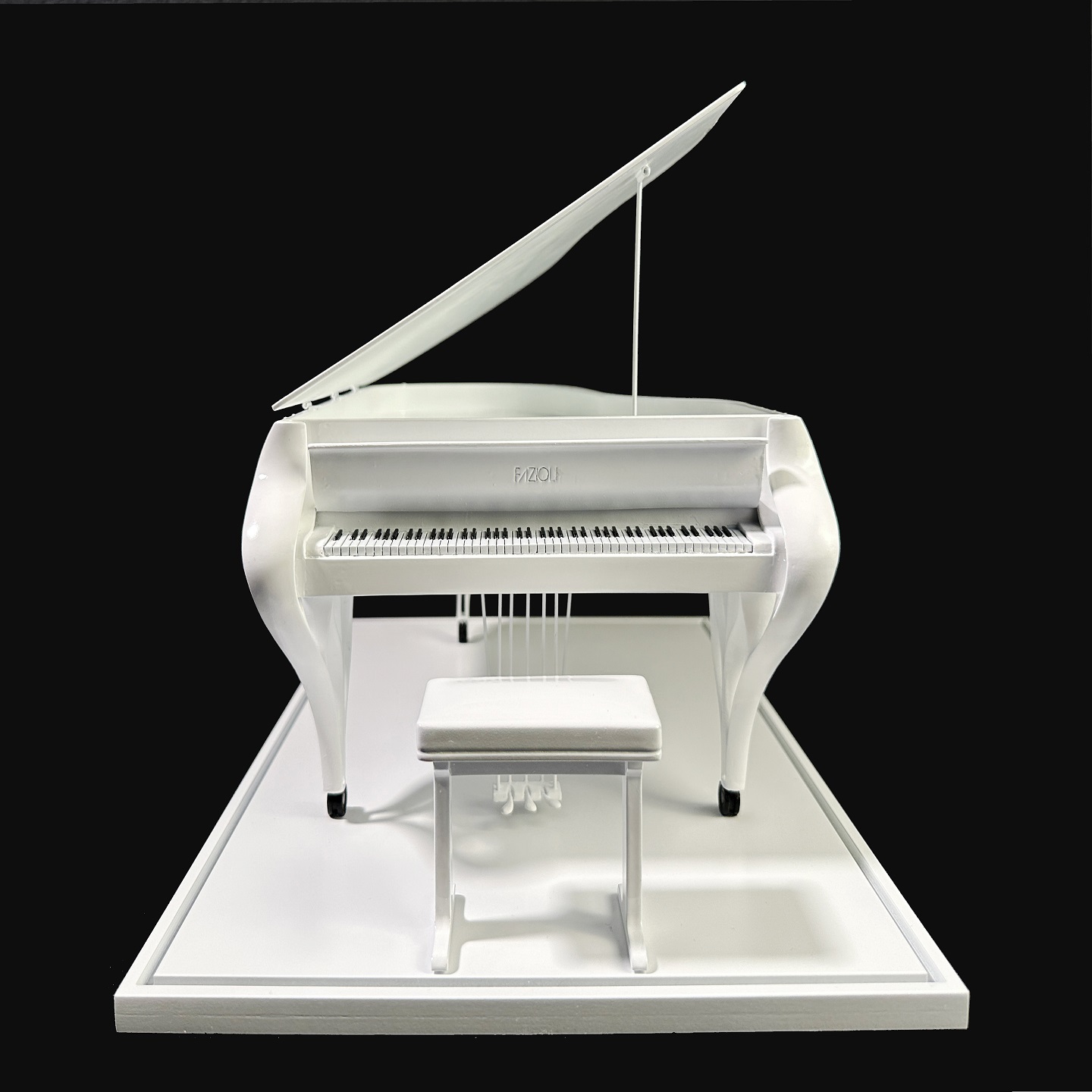
Creating a DIY diorama is more than just a creative pastime—it’s a gateway to immersive storytelling, model craftsmanship, and visual education. With innovations from professional model makers like QZY Models, crafting realistic and durable dioramas has become more precise, accessible, and visually engaging for both professionals and hobbyists.
How has the diorama craft industry evolved in recent years?
According to the Statista 2025 Creative Hobby Market Report, the global craft and hobby market has exceeded $52 billion, with model-making and miniature projects accounting for a growing 14%. The rise of virtual learning and architectural visualization has intensified demand for tactile, physical displays that bring ideas to life. Yet, 63% of creative learners and 48% of model hobbyists surveyed cite “lack of guidance” and “unrealistic materials” as their main challenges. These gaps highlight the need for expert-produced kits and professional consulting, such as those provided by QZY Models, to elevate the quality and realism of DIY dioramas.
Why do DIY diorama makers face significant challenges today?
Despite fast-growing interest in miniature modeling, most hobbyists struggle with the complexity of scale accuracy, structural durability, and realistic detailing. Industry research by The Hobby Manufacturers Association (HMA) shows that over 70% of first-time creators abandon projects due to material wastage or poor design direction. This signals a clear market gap—amateurs want achievable, aesthetically appealing results that previously required professional-grade craftsmanship.
What pain points define the current DIY diorama market?
-
Material inconsistency – Inexpensive foam and cardboard often warp or disintegrate over time.
-
Lack of spatial realism – Many models fail to achieve accurate scale relationships or lighting dynamics.
-
No standardization – Unlike architectural modeling, hobby dioramas lack framework templates and engineering reliability.
-
Tool inaccessibility – Quality cutting and shaping tools remain costly or unavailable to home creators.
What are the shortcomings of traditional DIY diorama methods?
Traditional approaches rely heavily on hobby supply stores and self-directed trial-and-error learning. While this offers creativity freedom, it misses technological precision and longevity. Hand-cut cardboard bases, glue-heavy assembly, and random material usage result in visual inconsistencies, making it difficult for learners to achieve professional results. In contrast, QZY Models integrates industrial-grade modeling standards into educational and creative DIY frameworks, bridging craft with science.
How does QZY Models redefine DIY diorama making?
QZY Models introduces a hybrid methodology that merges expert model-making craftsmanship with modular, user-friendly design systems. Their solution emphasizes:
-
Pre-engineered templates for architecture, landscape, and industrial scenes.
-
Eco-friendly, precision-cut materials using laser and CNC technology.
-
Guided assembly kits supplemented by virtual 3D instructions.
-
Customization options for scale, texture, and lighting.
Through this structured process, hobbyists and professionals can create realistic, polished dioramas with measurable accuracy while exploring artistic creativity.
What are the main differences between traditional method and QZY Models’ solution?
Criteria Traditional DIY Dioramas QZY Models’ Solution Material Quality Basic foam or cardboard Laser-cut eco-materials Structural Accuracy User-dependent Professionally engineered templates Assembly Time 15–20 hours 6–8 hours Detailing Precision Manual estimation CAD-based precision modeling Durability Moderate (6–12 months) Long-lasting (3–5 years) Sustainability Often unverified Certified eco-friendly materials How can you make a DIY diorama step-by-step using QZY Models’ approach?
-
Determine scale and theme – Choose between architectural, urban, landscape, or industrial settings.
-
Select base materials – Use QZY Models’ pre-cut panels for uniformity.
-
Build foundation – Assemble the base structure using alignment tabs (no complex tools needed).
-
Add landscape elements – Include greenery, water bodies, and rock formations using eco-safe paints.
-
Integrate lighting and textures – Install mini-LED systems for realistic night effects.
-
Finalize presentation – Spray a matte finishing coat to preserve texture and prevent damage.
Which real-world examples show the effectiveness of this solution?
Case 1: Educational Use (Design Schools)
-
Problem: Architecture students lacked access to reliable physical model tools.
-
Traditional Method: Foam-only projects degraded quickly.
-
Result with QZY Models: Reusable templates reduced model-building time by 60%.
-
Key Benefit: Improved learning outcomes and professional-grade presentations.
Case 2: Real Estate Visualization
-
Problem: Developers struggled to visually convey large-scale projects.
-
Traditional Method: Outsourced expensive models overseas.
-
Result with QZY Models: Scalable modular kits allowed faster, on-site presentation.
-
Key Benefit: Cut development showcase costs by 30%.
Case 3: Exhibition Display
-
Problem: Trade shows required durable, portable dioramas.
-
Traditional Method: Fragile foam structures often failed during transport.
-
Result with QZY Models: Sturdy composite bases with interchangeable components.
-
Key Benefit: Increased reuse rate and brand visibility.
Case 4: Hobbyist Showcase
-
Problem: Amateur builders lacked reliable design reference.
-
Traditional Method: Self-sourced materials led to patchy finishes.
-
Result with QZY Models: Guidance and kits enabled museum-quality builds at home.
-
Key Benefit: Elevated satisfaction and skill retention for creators.
Why is now the best time to adopt professional diorama solutions?
Technological integration, sustainability awareness, and experiential education are converging. With 3D printing, laser precision, and global collaboration accelerating, model enthusiasts demand both creativity and accuracy. QZY Models exemplifies this evolution—merging professional heritage with DIY culture to democratize excellence in model-making. As physical storytelling gains importance in education, exhibitions, and digital twin visualizations, now is the ideal time to elevate craftsmanship with proven expertise.
FAQ
Q1. Can beginners effectively use QZY Models’ diorama kits?
Yes. Kits are designed with modular structures and step-by-step visual instructions, ideal for learners and professionals alike.Q2. Are the materials eco-friendly and safe?
Absolutely. QZY Models uses certified sustainable wood composites and low-VOC adhesives.Q3. Can I customize the diorama scale or theme?
Yes, themes such as urban design, industrial layout, or fantasy terrain can be customized upon order.Q4. Does QZY Models provide support or training?
Yes. They offer digital tutorials and customer consultation across UAE, China, and Europe branches.Q5. How long do QZY Models dioramas last?
With proper care, models retain structural integrity and color for 3–5 years on average.Sources
-