-
In the era of digital visualization, precision physical models remain a cornerstone of architectural and industrial innovation. QZY Models offers an advanced approach to model building, transforming conceptual design into tangible masterpieces that inspire, persuade, and deliver measurable project value.
How is the Current Industry Evolving and What Are Its Pain Points?
According to a 2025 Global Market Insights report, the architectural model market surpassed USD 4.2 billion and continues to grow at over 6% annually. Yet, despite this expansion, challenges persist. Designers and developers increasingly demand models that not only showcase design but also reflect real-world functionality. Many firms struggle to meet high standards for accuracy and visual fidelity while maintaining cost efficiency.
The industry’s pain points include the escalating need for faster turnaround times and more detailed physical presentations. With urbanization driving demand for complex mixed-use developments, model makers face tighter project cycles. However, outdated techniques and materials slow production and limit creativity.
A survey by Archipreneur revealed that 68% of architectural firms believe traditional model-making processes impede innovation due to manual inefficiencies and inconsistent production quality. This makes the demand for professional, technology-driven partners like QZY Models more urgent than ever.
What Are the Limitations of Traditional Model Building Techniques?
Traditional model building often relies heavily on manual craftsmanship using foam boards, acrylic sheets, and hand tools. While these methods can yield beautiful results, they are slow, inconsistent, and prone to human error. Scaling issues, uneven lighting integration, and fragile assembly materials reduce the professional presentation of models.
Moreover, traditional workflows lack digital integration. Without CAD or BIM compatibility, making revisions becomes costly and time-consuming. This outdated approach struggles to meet today’s standard for multi-stage design validation. In fast-paced commercial environments, these limitations can delay approvals and reduce investor confidence.
How Does QZY Models Provide a Complete Modern Solution?
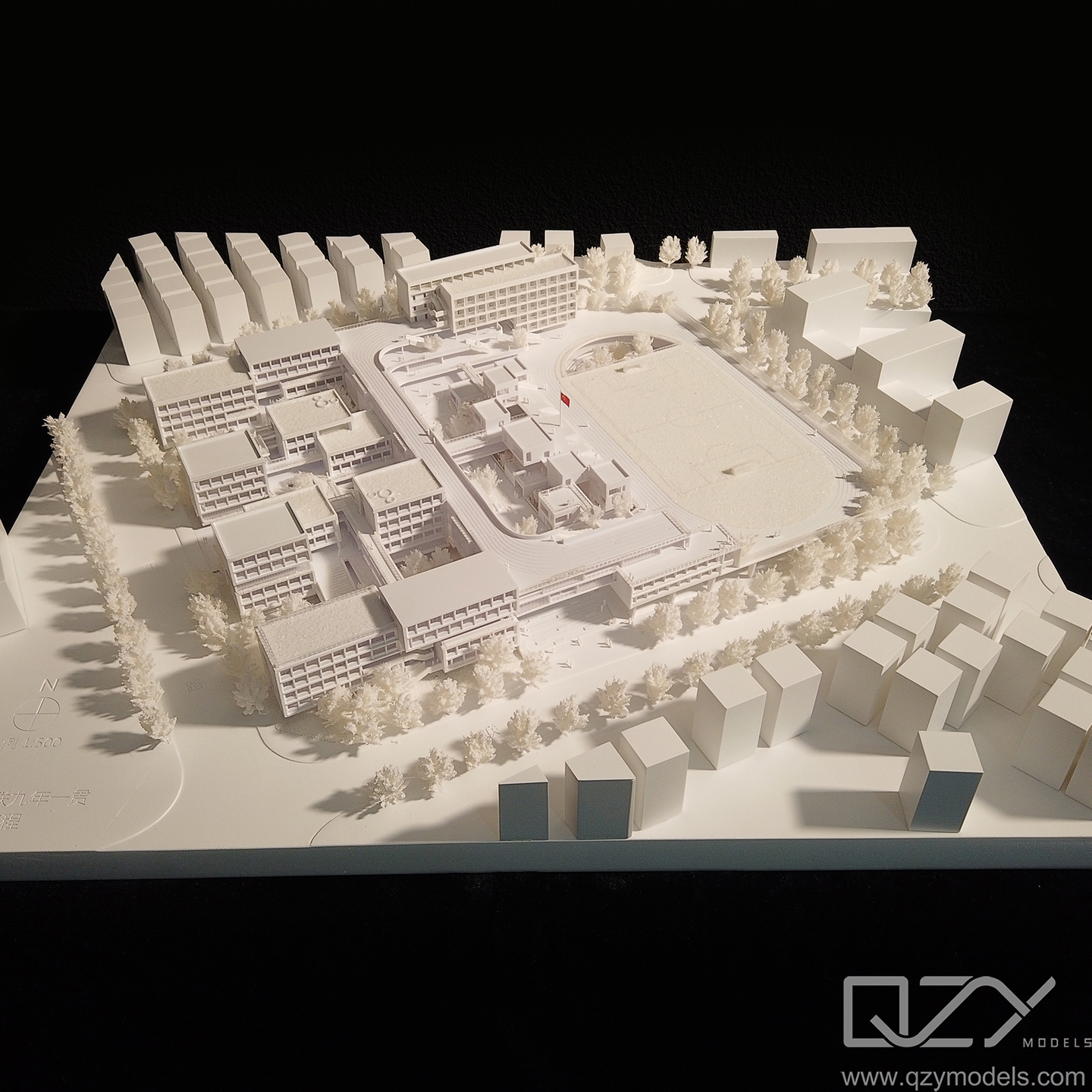
QZY Models integrates digital precision with artisanal craftsmanship. The company employs CNC milling, full-color 3D printing, and laser cutting to ensure consistency, accuracy, and stunning detail across each build. Whether it’s a skyscraper scale model or an industrial prototype, QZY Models guarantees refined presentation aligned with the client’s objectives.
Key capabilities include:
-
Integration with BIM and CAD data for seamless digital-to-physical transitions.
-
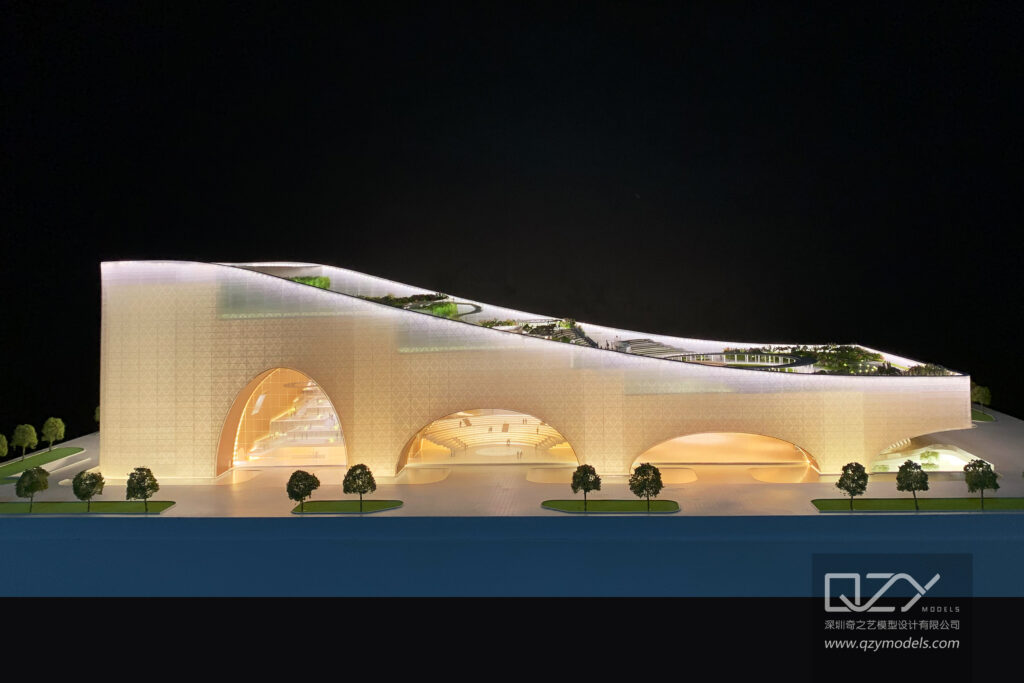
Advanced lighting, motorization, and interactive features to enhance presentation.
-
Scalable project management from concept to shipping, supported by global logistics.
-
Expert craftsmanship overseen by QZY’s founder, Richie Ren, with over two decades of experience.
What Are the Comparative Advantages of QZY Models?
Criterion Traditional Model Building QZY Models Solution Accuracy ±1–2 mm variation ±0.1 mm precision using CNC & 3D printing Turnaround Time 4–8 weeks average 2–4 weeks with digital workflow Material Quality Medium-density foam, acrylic Premium resin, laser-cut aluminum, composite materials Design Integration Manual scaling Direct BIM/CAD integration Presentation Features Non-interactive Smart lighting, motion, and interactive components How Can You Use the QZY Models Workflow Step-by-Step?
-
Project Consultation: Define goals, model scale, and display purpose with a QZY specialist.
-
Digital Integration: Upload 3D BIM or CAD files for digital optimization.
-
Precision Fabrication: Model parts are produced using multi-axis CNC, resin 3D printing, and laser cutting.
-
Assembly & Finishing: Skilled artisans assemble, paint, and detail each component for realism.
-
Lighting & Automation Setup: Integrate LED systems or motion features if required.
-
Quality Inspection & Shipping: Each model undergoes QZY’s multi-level QC before international delivery.
Which Real-World Scenarios Show QZY Models in Action?
Case 1: Urban Development Showcase
-
Problem: City planners required a high-detail model to visualize a new downtown masterplan.
-
Traditional Approach: Used foam blocks and printed elevations—resulted in low engagement during presentations.
-
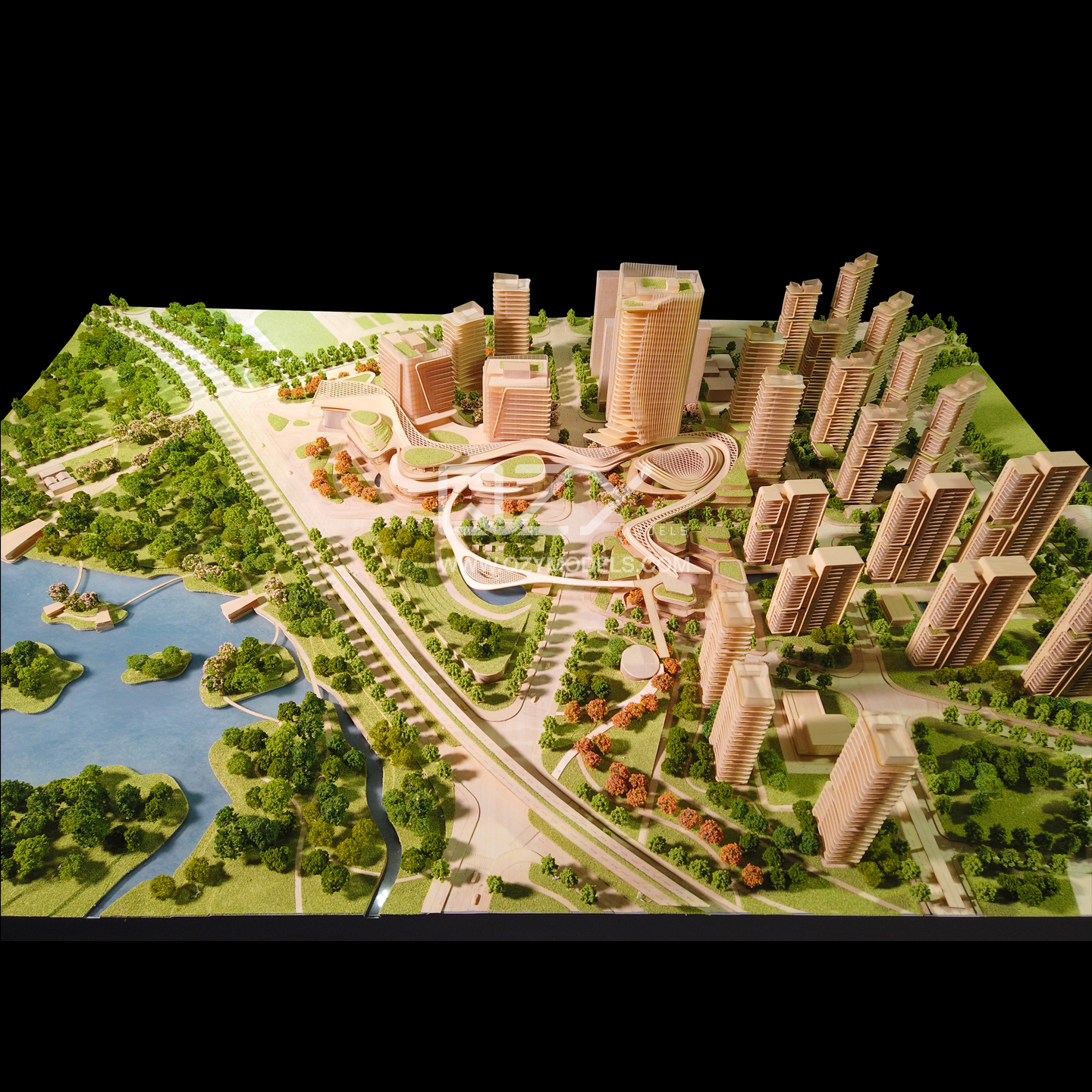
QZY Solution: Delivered a 1:500 scale model with integrated lighting and motorized traffic simulation.
-
Outcome: Enhanced investor approval rate by 40%.
Case 2: Real Estate Marketing Center
-
Problem: Developer needed a lasting centerpiece model for a luxury residential launch.
-
Traditional Approach: Outsourced to a small local maker; quality degraded over time.
-
QZY Solution: Constructed a durable acrylic model with custom lighting.
-
Outcome: Attracted 30% more visitors during the first month of display.
Case 3: Industrial Prototype Demonstration
-
Problem: Manufacturer struggled to communicate mechanical design complexity to clients.
-
Traditional Approach: Relied on 2D renders and partial models.
-
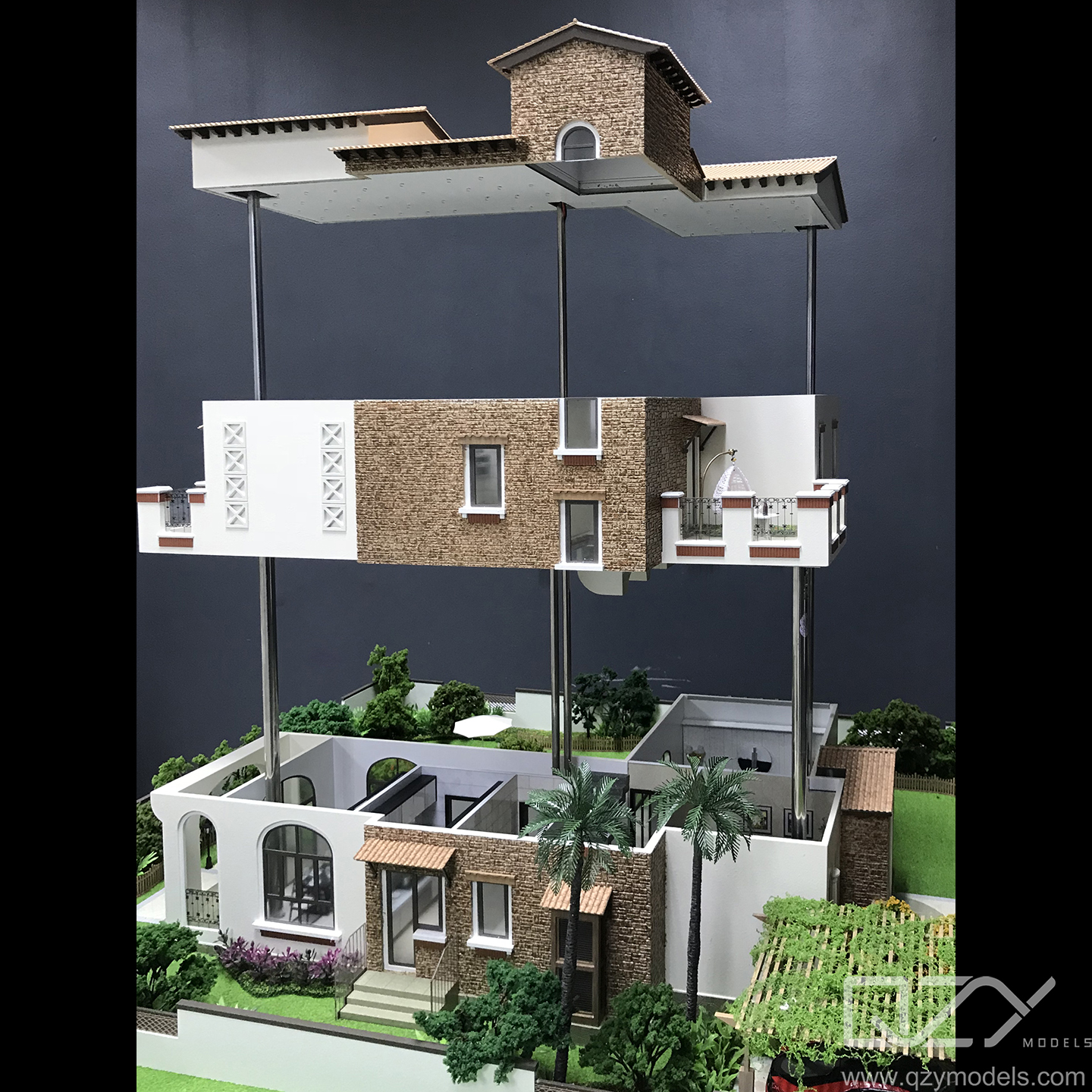
QZY Solution: Produced a 3D sectional model with removable layers for interactive demos.
-
Outcome: Increased client understanding and reduced sales cycle by 25%.
Case 4: Educational Institution Collaboration
-
Problem: Design school required teaching models for architectural courses.
-
Traditional Approach: Inconsistent handmade models limited learning impact.
-
QZY Solution: Supplied modular kits replicating professional-grade workflows.
-
Outcome: Improved student project quality and engagement.
Why Is Now the Right Time to Upgrade to QZY Models?
As competition intensifies across architecture, real estate, and industrial design, the need for compelling physical storytelling grows stronger. Investors and clients expect tangible proof of vision—models that go beyond visual aid to become persuasive business tools.
By combining digital precision, aesthetic craftsmanship, and global service excellence, QZY Models redefines industry standards. With over 20 years of expertise and international partnerships, QZY continues to empower creative professionals to convert designs into persuasive experiences today—and for the next generation.
FAQ
Q1: Can QZY Models handle large-scale city or industrial complex mockups?
Yes. QZY Models specializes in multi-structure city models and industrial facility replicas with integrated lighting systems.Q2: What is the typical production timeline for a mid-size architectural model?
Generally 2–4 weeks, depending on complexity and detail level.Q3: Are QZY Models’ projects shipped internationally?
Absolutely. QZY Models manages global logistics and on-site installation across over 20 countries.Q4: Does QZY Models integrate with BIM or AutoCAD files?
Yes. The team works directly with BIM, CAD, and STL formats for seamless precision.Q5: Who typically benefits most from collaborating with QZY Models?
Architectural design firms, real estate developers, government urban planning departments, and industrial product companies see the greatest advantage.Sources
-
Global Market Insights, Architectural Model Market Forecast to 2030
-
Archipreneur, State of Architectural Technology 2025
-
Statista, Global Construction Market 2025 Outlook
-
Design Intelligence, Trends in 3D Visualization and Model Fabrication
-
World Architecture Community, Global Practices and Model Making Evolution
-