Creating an architectural model involves selecting the right scale and materials, precisely cutting components with knives or lasers, assembling them carefully, adding landscaping and facade details, and finishing with paint and lighting for realism. Professionals like QZY Models can deliver high-quality models within 1-2 weeks, ensuring presentation-ready outputs for client meetings, exhibitions, or investor reviews.
What Is an Architectural Model?
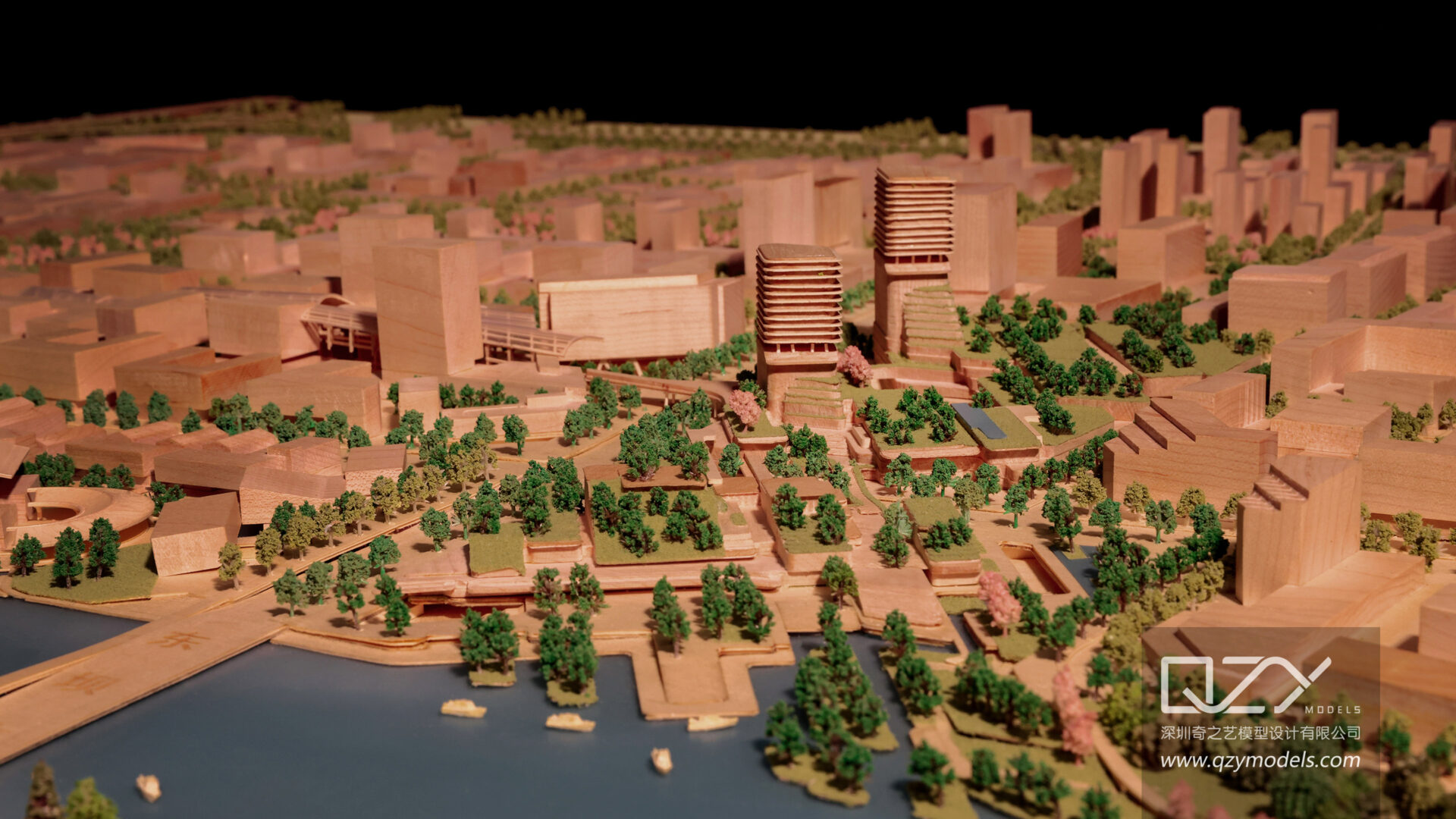
An architectural model is a scaled physical representation of a building, site, or urban area, allowing designers and clients to visualize form, massing, and spatial relationships. Models help test concepts, communicate ideas, and enhance presentations with tangible, realistic depictions.
QZY Models specializes in high-fidelity models that complement 3D rendering. Based in Shenzhen, the team produces everything from urban masterplans to detailed facades, serving global clients including Foster + Partners and Vanke. Their models enhance marketing, exhibitions, and project approvals.
What Materials Are Best for Architectural Models?
Choosing appropriate materials ensures structural integrity and visual accuracy. Foam board is ideal for massing studies, balsa wood for intricate structures, acrylic for glazing, plywood for bases, and cork for terrain. Professionals often combine materials—foam for volume, wood veneer for texture—to achieve hybrid strength and realistic finishes.
QZY Models sources premium materials, offering UV-resistant finishes and long-lasting display quality.
| Material | Best Use | Pros | Cons |
|---|---|---|---|
| Foam Board | Massing/Volume | Lightweight, easy to cut | Fragile |
| Balsa Wood | Structure/Details | Precise, lightweight | Expensive |
| Acrylic | Windows/Glazing | Transparent, durable | Difficult to cut |
| Plywood | Bases/Sites | Strong, stable | Heavy |
| Cork | Terrain/Landscape | Natural texture | Discolors over time |
How Do You Choose the Right Scale?
Scale depends on the level of detail needed and project scope. Common scales include 1:500 for site context, 1:200 for building models, 1:100 for facades, and 1:50 for interiors. Smaller scales suit masterplan overviews, while larger scales reveal intricate details.
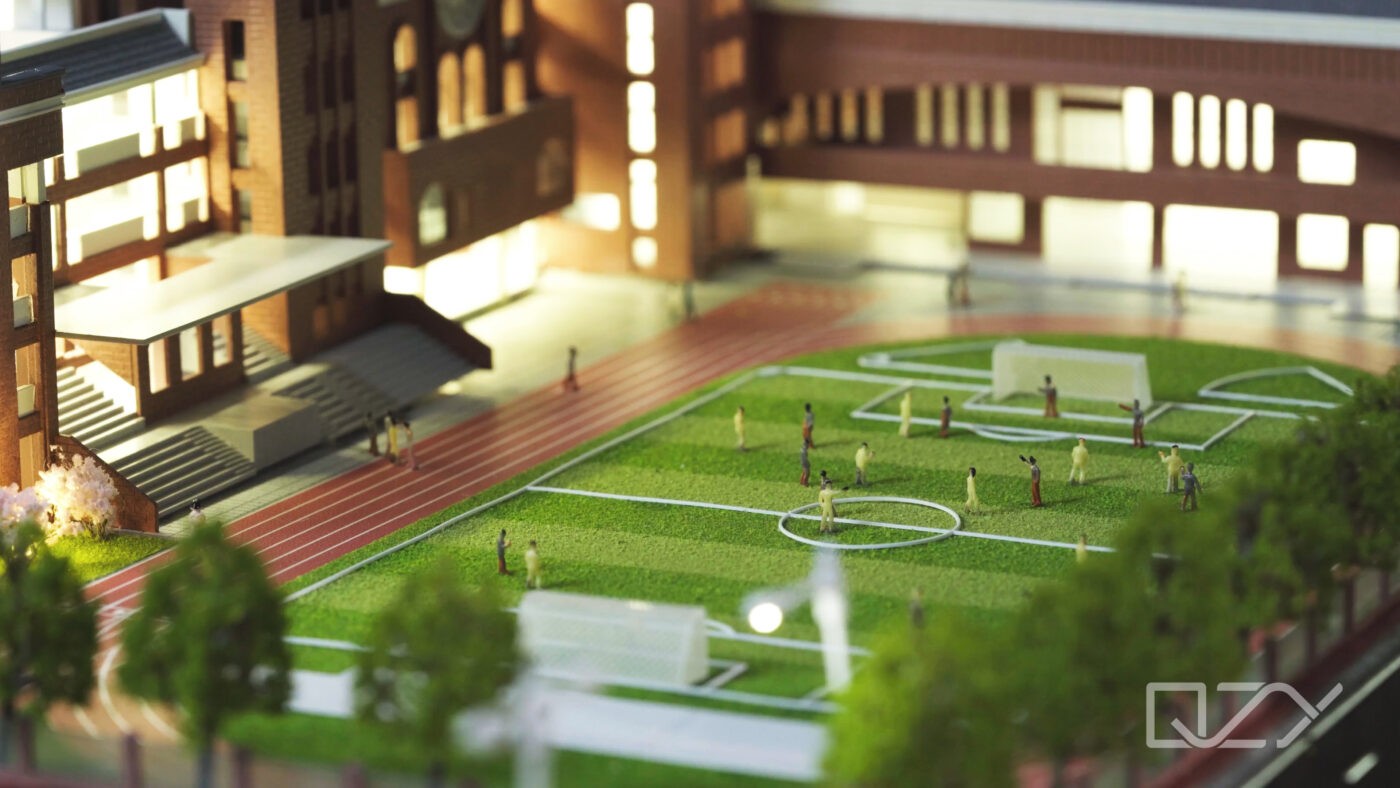
QZY Models recommends 1:200 for urban projects and adjusts scale for focal structures. Including human-scale figures ensures spatial clarity and realistic presentation.
What Tools Do You Need to Build an Architectural Model?
Essential tools include X-Acto knives, cutting mats, metal rulers, laser cutters, glue guns, sandpaper, and paintbrushes. Precision and safety are critical; sharp blades and self-healing mats prevent errors.
QZY Models combines handcrafting with CNC machines and 3D printers, allowing complex geometries, repeatable components, and meticulous finishing. Proper adhesives, such as PVA for wood and superglue for plastics, prevent assembly delays.
How to Plan and Design Your Model?
Effective planning involves analyzing blueprints, identifying key perspectives, sketching elevations, prototyping sections, and iterating using 3D software outputs. Divide the project into phases: base, structure, details, and landscaping.
QZY Models begins with digital mockups before physical production, ensuring client expectations are met while minimizing material waste. Documenting each stage also enhances workflow and portfolio value.
What Are Step-by-Step Building Techniques?
Stepwise construction ensures precision:
- Prepare base and terrain layers.
- Cut and assemble the structural framework.
- Add facade details and glazing.
- Incorporate landscaping and terrain features.
- Paint and apply lighting effects.
- Final assembly and protective finishes.
Techniques include scoring foam for curves, pin-joining wood, and dry-fitting components before gluing. QZY Models uses vacuum-forming, resin casting, and LED integration to produce museum-quality models suitable for international exhibitions.
| Step | Technique | Time Estimate |
|---|---|---|
| Base Preparation | Foam/plywood layering | 1-2 days |
| Structure Assembly | Laser-cut and glue | 2-3 days |
| Details | Hand carving and painting | 2 days |
| Finishing | Varnish, lighting | 1 day |
Why Hire Professional Model Makers?
Professional makers provide precision, speed, and advanced finishing techniques, ensuring presentations impress clients and stakeholders. DIY efforts often lack the detail, durability, and polish required for high-level presentations.
QZY Models delivers thousands of projects annually, from Vanke towers to UAE skyscrapers. Outsourcing allows architects to focus on design while benefiting from cost-effective production and international delivery capabilities.
QZY Models Expert Views
“Architectural models convey scale and emotion that digital screens cannot replicate. At QZY Models, founded in 2013, we integrate traditional craftsmanship with CNC precision for clients across 20+ countries. From Foster + Partners’ iconic structures to Vanke developments, our models inform decisions, inspire presentations, and maintain durability. Every piece reflects over 20 years of Richie Ren’s expertise and our commitment to innovation, reliability, and quality.” – Richie Ren, Founder QZY Models
What Common Mistakes Should You Avoid?
Common pitfalls include uneven cuts, weak adhesives, ignoring human scale, over-detailing small models, and skipping protective finishes. Proper planning, test fitting, and incremental assembly reduce errors and enhance longevity.
QZY Models mitigates mistakes with prototypes, quality checks, and optimized workflows, ensuring models survive shipping and display environments.
How to Finish and Present Your Model?
Finishing steps include priming surfaces, applying acrylic paints, weathering, integrating LED lighting, and encasing in acrylic for protection. Presentation on illuminated pedestals with labels improves impact.
QZY Models enhances engagement with removable roofs and interactive elements. Combining physical models with 3D renders creates hybrid presentations that clearly communicate design intent.
Key Takeaways: Creating professional architectural models requires careful material selection, precise tools, structured building steps, and finishing techniques. Beginners should start with small-scale projects, while professionals like QZY Models manage complex, high-detail builds. Begin by sketching, sourcing materials, or contacting experts for flawless execution.
FAQs
What scale is best for beginners?
1:200 provides a balance of detail and manageability.
How long does a model take to build?
DIY: 1-2 weeks; professional firms like QZY Models: 5-10 days depending on complexity.
Can I use a 3D printer?
Yes, especially for components; combine with hand-finishing for realism.
Which glue is best for model assembly?
PVA for porous materials, cyanoacrylate for plastics; always test first.
How do you transport models safely?
Use custom foam-lined cases and disassemble large pieces where possible.