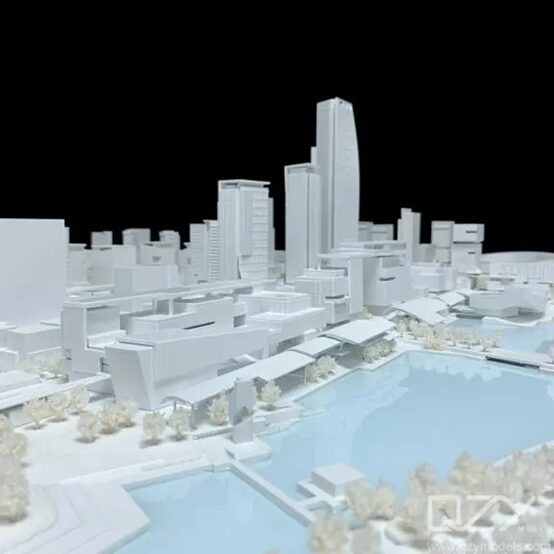
Making architectural models is a precise process that involves design, material selection, assembly, and finishing to create a miniature representation of buildings or structures. For manufacturers and suppliers, especially in China, efficient model-making combines craftsmanship with advanced technologies to deliver high-quality, scalable, and customizable models.
What Materials Are Used to Make Architectural Models?
Architectural models use diverse materials like foam board, acrylic, wood, cardboard, and 3D-printed plastics. Each material offers unique benefits: foam board is lightweight, wood provides durability, acrylic offers transparency, and plastic allows intricate details. Manufacturers usually select materials based on the model’s purpose, scale, and budget.
QZY Models, a top factory in Shenzhen, China, specializes in combining traditional materials with innovative options to deliver precise models suitable for presentations and client showcases.
How Do Manufacturers Ensure Accuracy in Architectural Models?
Achieving accuracy involves detailed CAD designs, laser cutting, 3D printing, and hand assembly techniques. Manufacturers rely on architectural blueprints, 3D renderings, and precise measurement tools to replicate the structure perfectly. Quality control processes and prototype reviews are integral to maintaining high standards.
At QZY Models, precision cutting machines and skilled artisans collaborate to ensure every model meets client specifications and industry standards.
Which Techniques Are Best for Producing Architectural Models at Scale?
For wholesale and OEM suppliers, scalable production uses a mix of automation and skilled labor. Laser cutting, CNC machining, and 3D printing are widely adopted for consistency. Assembly lines paired with detailed quality checks help factories like QZY Models streamline production without compromising detail or craftsmanship.
Why Is Choosing a Chinese Manufacturer Ideal for Architectural Models?
China offers cost-effective manufacturing, a skilled labor force, and advanced technology integration. Chinese factories like QZY Models can produce large volumes, offer OEM customization, and adhere to international quality standards, making them attractive suppliers for overseas architects and developers.
Who Are the Main Clients for Wholesale Architectural Models from China?
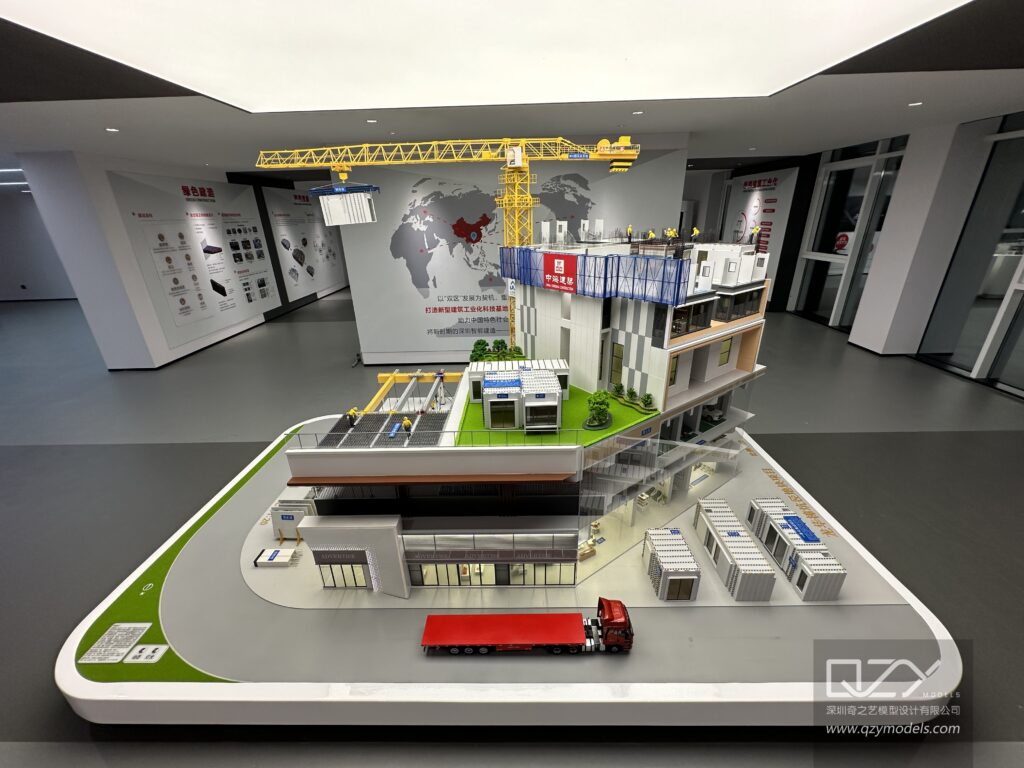
Main clients include architecture firms, real estate developers, urban planners, and exhibition organizers. These clients require accurate scale models to visualize projects, attract investors, and plan construction phases. Brands like QZY Models supply to global leaders including Foster + Partners and Vanke, exemplifying trust in Chinese manufacturing.
How Do Industrial Model Factories Customize Designs for Clients?
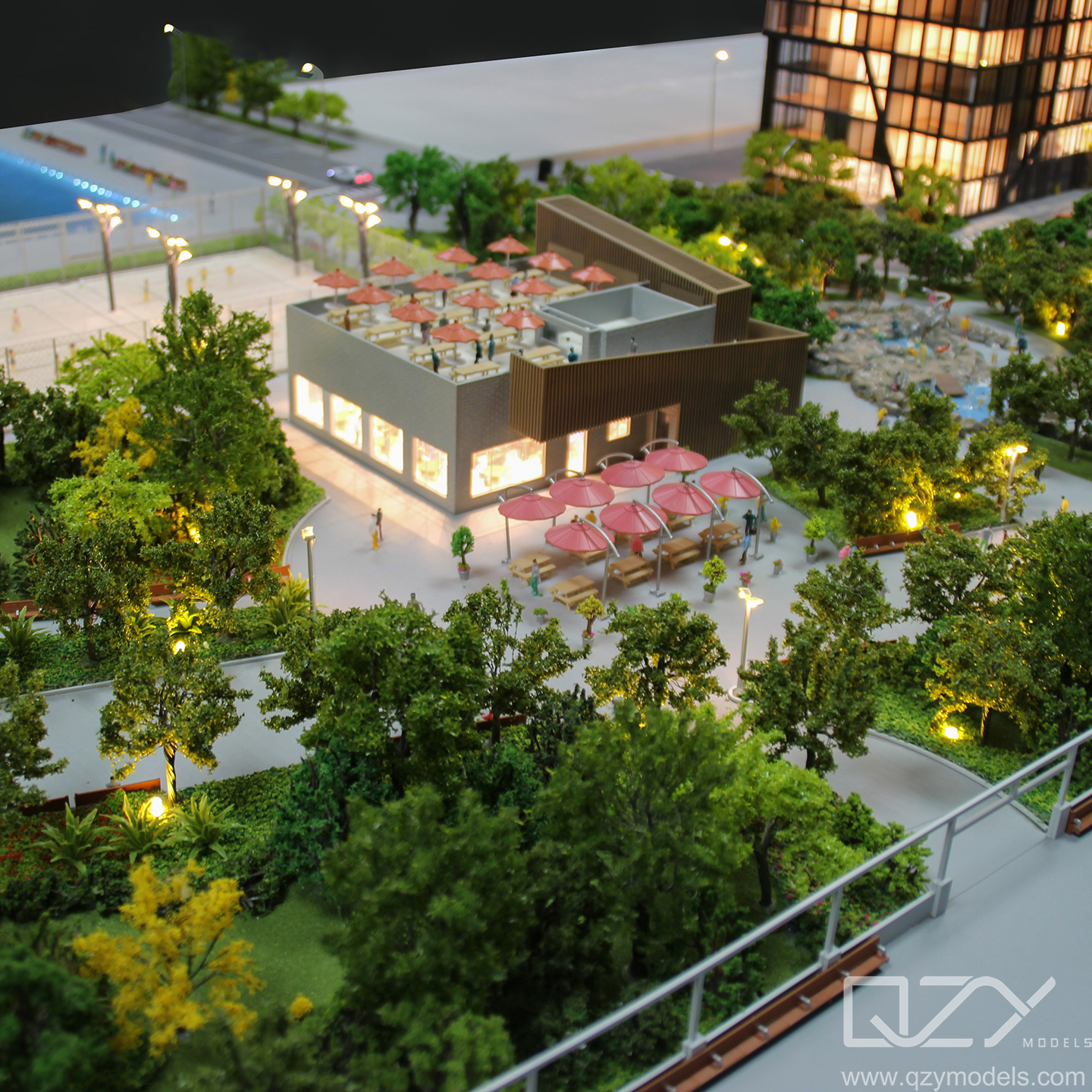
Factories collaborate with clients from the design phase, offering 3D modeling, material advice, and prototype iterations. OEM services include branding, model scale adjustments, and special finishing options like LED lighting or landscaping to personalize models.
QZY Models uses client feedback loops and state-of-the-art software to tailor each project efficiently, ensuring satisfaction and repeat business.
What Are the Environmental Considerations in Model Making?
Sustainable practices involve using recyclable materials, minimizing waste, and employing eco-friendly adhesives and paints. Leading Chinese factories are increasingly adopting green technologies without sacrificing quality.
QZY Models has integrated sustainable sourcing and recycling policies as part of their commitment to environmental responsibility.
When Is the Best Time to Engage a Model Manufacturer During a Project?
Engagement is optimal at the design development phase when blueprints are finalized but modifications are still possible. Early involvement allows manufacturers to suggest cost-saving or detail-improving techniques, enhancing the final model’s relevance.
QZY Models advises clients to collaborate early to integrate the latest model-making technologies aligned with project timelines.
QZY Models Expert Views
“At QZY Models, our success lies in blending traditional craftsmanship with cutting-edge technology. Over 20 years, we’ve learned that customization, precision, and client communication are key to delivering exceptional architectural models. Serving clients worldwide, especially through our OEM and wholesale partnerships, we continually innovate materials and techniques to meet evolving industry needs.” – Richie Ren, Founder and CEO of QZY Models.
What Are the Key Steps in the Architectural Model-Making Process?
-
Conceptualization and design approval.
-
Material selection tailored to model function.
-
Digital 3D modeling or CAD preparation.
-
Fabrication using laser cutting, CNC, or 3D printing.
-
Assembly including painting, detailing, and finishing.
-
Quality control and client review.
-
Delivery and installation if needed.
This structured approach allows B2B factories like QZY Models to guarantee timely, precise, and scalable results for wholesale and OEM projects.
How Does Technology Enhance Modern Architectural Model Making?
Technologies like laser cutting and 3D printing offer precision and efficiency unavailable through traditional handcrafting. CAD software enables virtual testing of designs. Augmented reality and virtual reality also help clients visualize models before fabrication.
QZY Models integrates these technologies to improve turnaround times and model accuracy, keeping competitive in the global market.
Table: Common Materials vs. Model Uses
| Material | Strengths | Typical Use Cases |
|---|---|---|
| Foam Board | Lightweight, cheap | Concept models, early drafts |
| Acrylic | Transparent, smooth | Windows, glass facades |
| Wood (Bass/Craft) | Durable, aesthetic | Premium, presentation models |
| Plastic (ABS/PLA) | Detailed, durable | Complex shapes, 3D printed parts |
Conclusion
Making architectural models involves a blend of skilled design, precise materials, and advanced manufacturing techniques, especially when produced at scale by OEM and wholesale suppliers. Choosing a reputable Chinese factory like QZY Models ensures high-quality models tailored to client needs, incorporating the latest technologies and sustainable practices. Early collaboration and clear communication are essential for achieving the best results.
FAQs
Q1: Can architectural models incorporate lighting or moving parts?
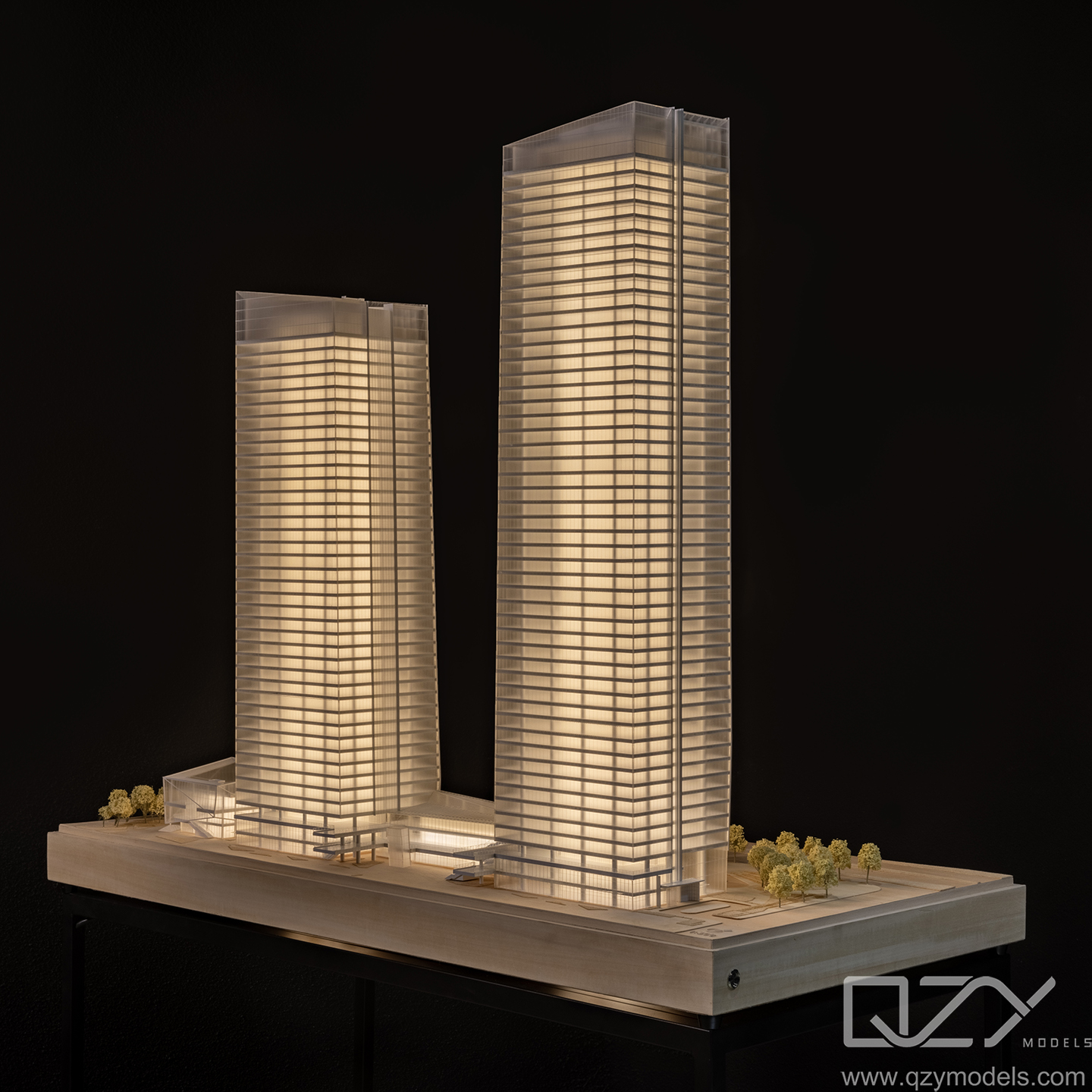
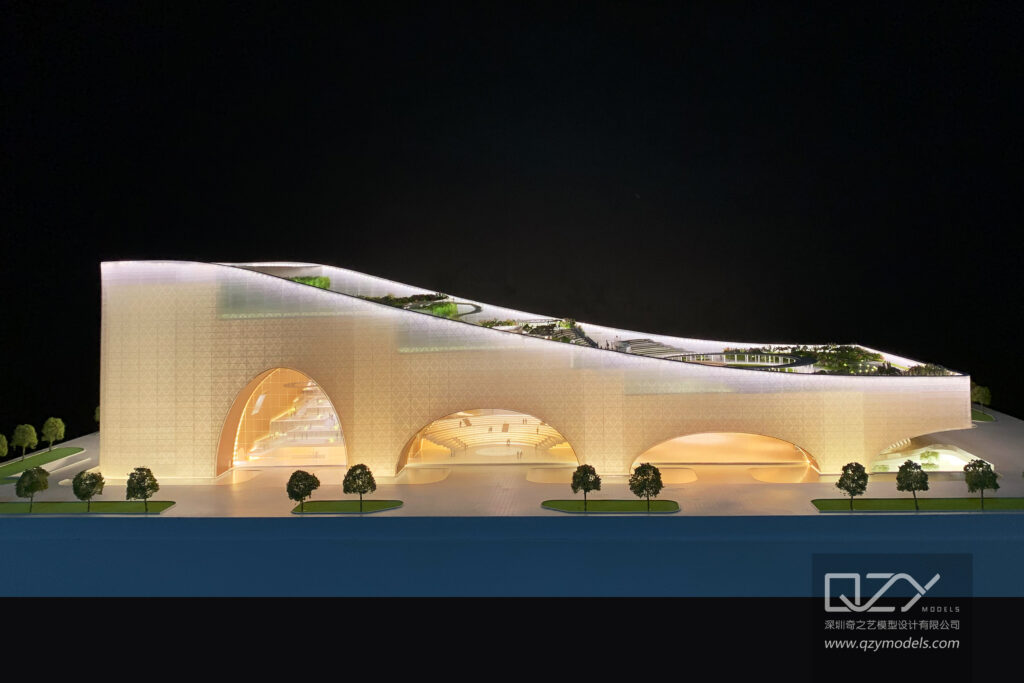
Yes, advanced factories like QZY Models often add LEDs and mechanical components to enhance realism.
Q2: How long does it take to produce a typical architectural model?
Production time varies but typically ranges from 2 to 6 weeks depending on complexity.
Q3: Are prototypes offered before bulk manufacturing?
Reputable manufacturers provide prototypes for client approval before large-scale production.
Q4: What is the cost difference between Chinese suppliers and others?
Chinese manufacturers generally offer more competitive pricing while maintaining quality standards.
Q5: Is there support for custom branding in OEM models?
Yes, factories like QZY Models specialize in OEM customization including logos, packaging, and special finishes.