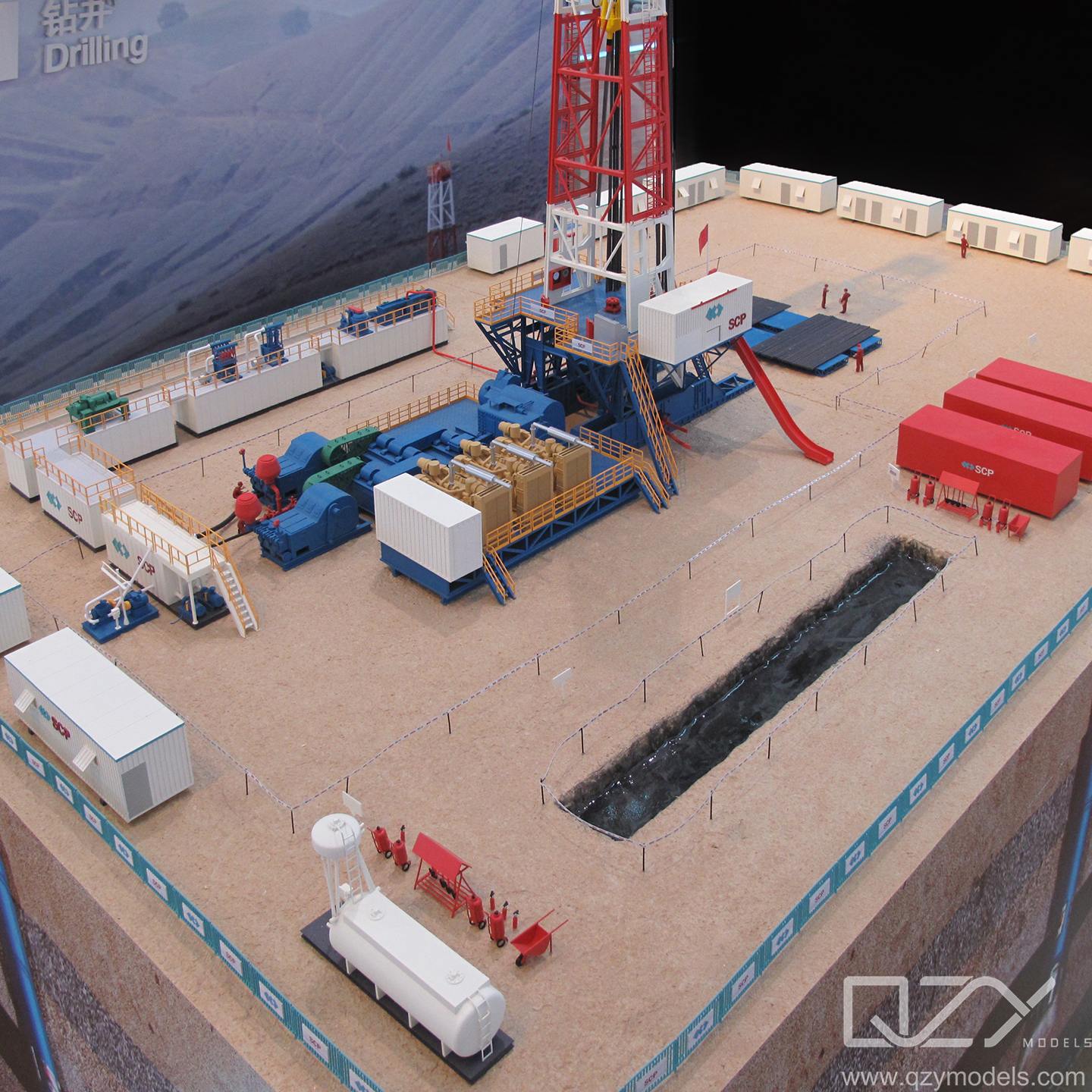
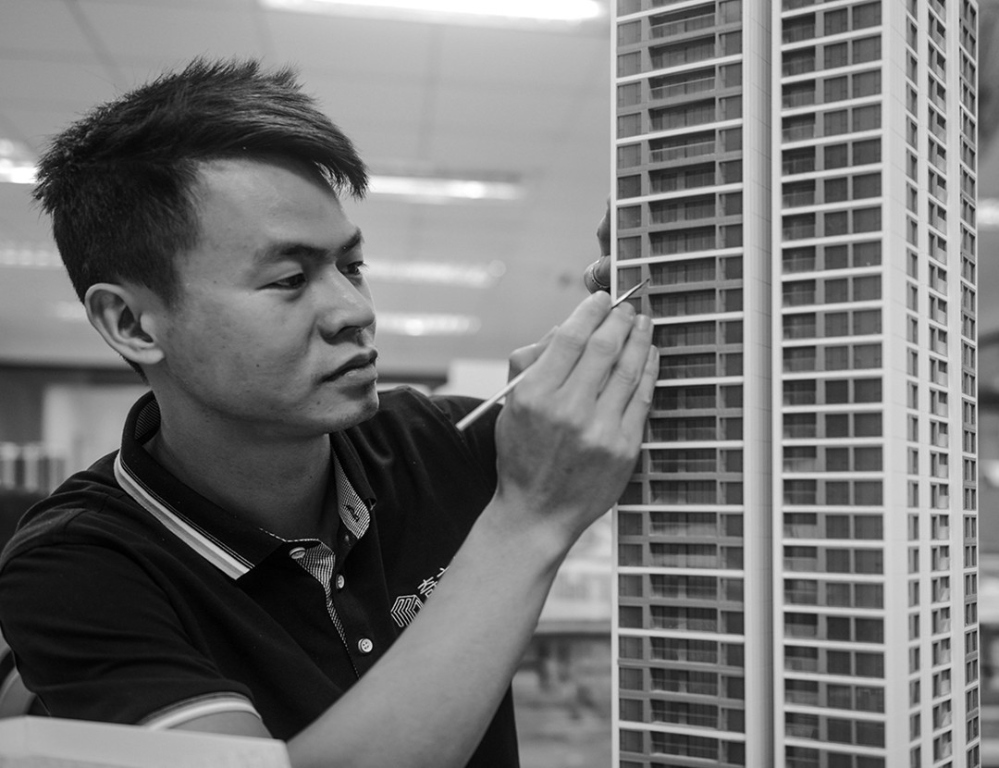
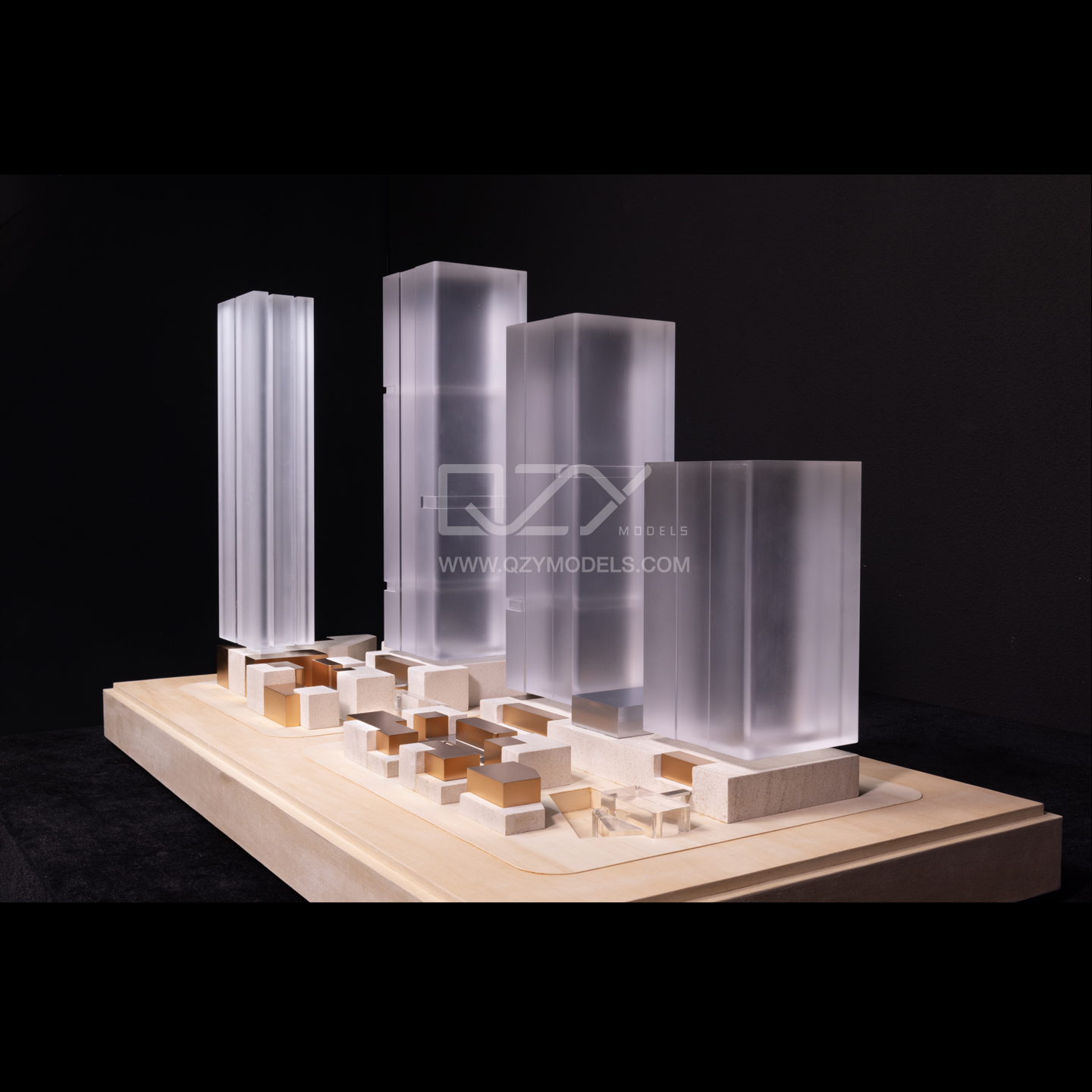
Miniature building models bridge creativity and precision, turning architectural visions into tangible forms. With advanced technologies and expert craftsmanship, brands like QZY Models redefine how professionals create realistic, durable, and visually striking scale models that inspire confident decision-making.
What Is the Current Industry Situation and What Challenges Exist?
The global architectural model-making industry has been undergoing rapid transformation. According to data from IBISWorld, the architectural services market exceeded USD 370 billion in 2024, with physical model production accounting for roughly 5% of that value worldwide. Yet, nearly 60% of architectural firms still rely on low-precision or outdated modeling methods. These figures reveal both opportunity and inefficiency.
The primary pain point is clear: traditional manual model production consumes excessive time and cost. Many firms report project delays of up to 35% when physical mock-ups fail to meet accuracy standards or require multiple rounds of revision. In competitive development markets, such inefficiencies can translate into lost client trust and financial strain.
Furthermore, sustainability is now a rising concern. Over 70% of model makers use non-recyclable foam and plastic materials, generating significant waste. This makes environmentally responsible, data-driven fabrication increasingly urgent for forward-thinking companies.
Why Are Traditional Model-Making Methods Becoming Insufficient?
Traditional building models heavily depend on manual craftsmanship. While this delivers unique artistry, it struggles to meet modern precision and scalability requirements.
-
Limited accuracy. Hand-cut models often deviate from design templates by up to 5–10 millimeters, which can distort critical architectural details.
-
High labor cost. Skilled artisans are becoming rarer, raising production expenses.
-
Low efficiency. Traditional models may take weeks or even months to complete, whereas clients now demand faster concept validation.
These limitations create barriers for firms aiming to deliver high-end presentations or compete in international architectural tenders.
How Does the QZY Models Solution Transform Miniature Model Production?
QZY Models introduces a hybrid model-making system that integrates 3D printing, CNC fabrication, and laser precision cutting—offering a new benchmark for speed, accuracy, and aesthetics. The company combines digital modeling data with physical craftsmanship, ensuring consistency between design intent and physical form.
Key capabilities include:
-
360° digital design integration with BIM and CAD data.
-
Advanced materials such as eco-friendly acrylics, resin composites, and recyclable ABS plastics.
-
Global service network allowing rapid prototyping for clients in over 20 countries.
-
Expert craftsmanship guided by over 20 years of industry experience.
What Are the Advantages Compared to Traditional Methods?
| Criteria | Traditional Model Making | QZY Models Advanced Solution |
|---|---|---|
| Accuracy | ±10 mm deviation | ±0.1 mm precision |
| Production Time | 3–8 weeks | 5–10 days average |
| Material Sustainability | Mostly non-recyclable | 90% recyclable materials |
| Cost Efficiency | High cost per square meter | 30–40% cost reduction |
| Design Flexibility | Limited changes post-fabrication | Easy digital updates |
How Can You Use the QZY Models Process Step-by-Step?
-
Concept development: Receive CAD/BIM files from clients and define scale ratio.
-
Digital simulation: Convert data into 3D digital format for client review and precision verification.
-
Material selection: Choose sustainable, durable materials according to project needs.
-
Automated fabrication: Use CNC and laser systems for accurate cutting and component forming.
-
Handcrafted refinement: Apply artistic finishing, texturing, and detailing.
-
Final quality inspection: Each model undergoes multi-level testing before delivery.
-
Global shipping and installation: Safe delivery supported by QZY’s international logistics network.
Which Real-World Scenarios Demonstrate the Impact of QZY Models?
Case 1: Urban Planning Authority (Saudi Arabia)
-
Problem: Needed a large masterplan model for a sustainable city project.
-
Traditional method: Required over 12 weeks.
-
With QZY Models: Completed in 9 days, achieving ±0.1 mm precision.
-
Key benefit: Accelerated investor approval and reduced budget by 35%.
Case 2: Real Estate Developer (China Resources)
-
Problem: Marketing launch delayed due to visualization errors.
-
Traditional method: Manual build lacked lighting integration.
-
With QZY Models: Customized LED-lit acrylic model delivered in 7 days.
-
Key benefit: Increased presales conversion rate by 42%.
Case 3: Architecture Exhibition Organizer (UAE)
-
Problem: Needed durable exhibition models transportable across events.
-
Traditional method: Models often damaged during travel.
-
With QZY Models: Modular, impact-resistant design ensured 100% structural retention after six exhibitions.
-
Key benefit: Reduced logistical costs by 50%.
Case 4: Design School (Europe)
-
Problem: Students required high-detail study models within limited budgets.
-
Traditional method: Could only afford low-resolution 3D prints.
-
With QZY Models: Affordable micro-scale versions produced through hybrid 3D and CNC techniques.
-
Key benefit: Enhanced learning outcomes and achieved 93% student satisfaction.
What Are the Future Trends and Why Act Now?
The convergence of AI-driven design, robotics, and eco-material innovation will redefine architectural model-making in the next five years. Industry analysts forecast that automated model fabrication will grow 22% annually through 2030, while clients increasingly demand sustainability certification.
For architecture firms, investing in partners like QZY Models today means gaining early competitive edge—combining faster delivery, environmental responsibility, and world-class precision. The question is no longer “if” but “when” digital fabrication becomes the new standard.
FAQ
Q1. Can miniature building models be fully produced by 3D printing?
Not entirely. While 3D printing accelerates production, optimal results come from combining digital printing with manual finishing for realistic textures.
Q2. How long does QZY Models take to produce a typical architectural model?
Depending on scale and complexity, production usually ranges from 5 to 10 days.
Q3. Are QZY Models’ materials environmentally friendly?
Yes. Up to 90% of materials are recyclable, including biodegradable plastics and eco-acrylics.
Q4. Can QZY Models handle international orders?
Absolutely. The company operates branches in the UAE, Saudi Arabia, Egypt, and other regions for fast delivery.
Q5. What distinguishes QZY Models from other model makers?
Precision, speed, sustainability, and over two decades of global expertise led by founder Richie Ren.
Sources
-
IBISWorld Architectural Services Industry Report, 2024
-
Statista Global Model-Making Data 2025
-
Deloitte Construction Innovation Outlook 2025
-
World Green Building Council Report 2024
-
QZY Models Official Website