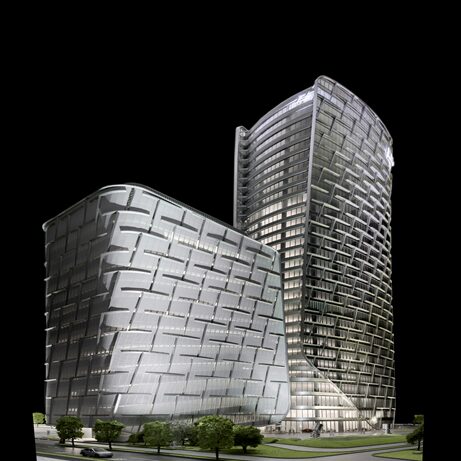
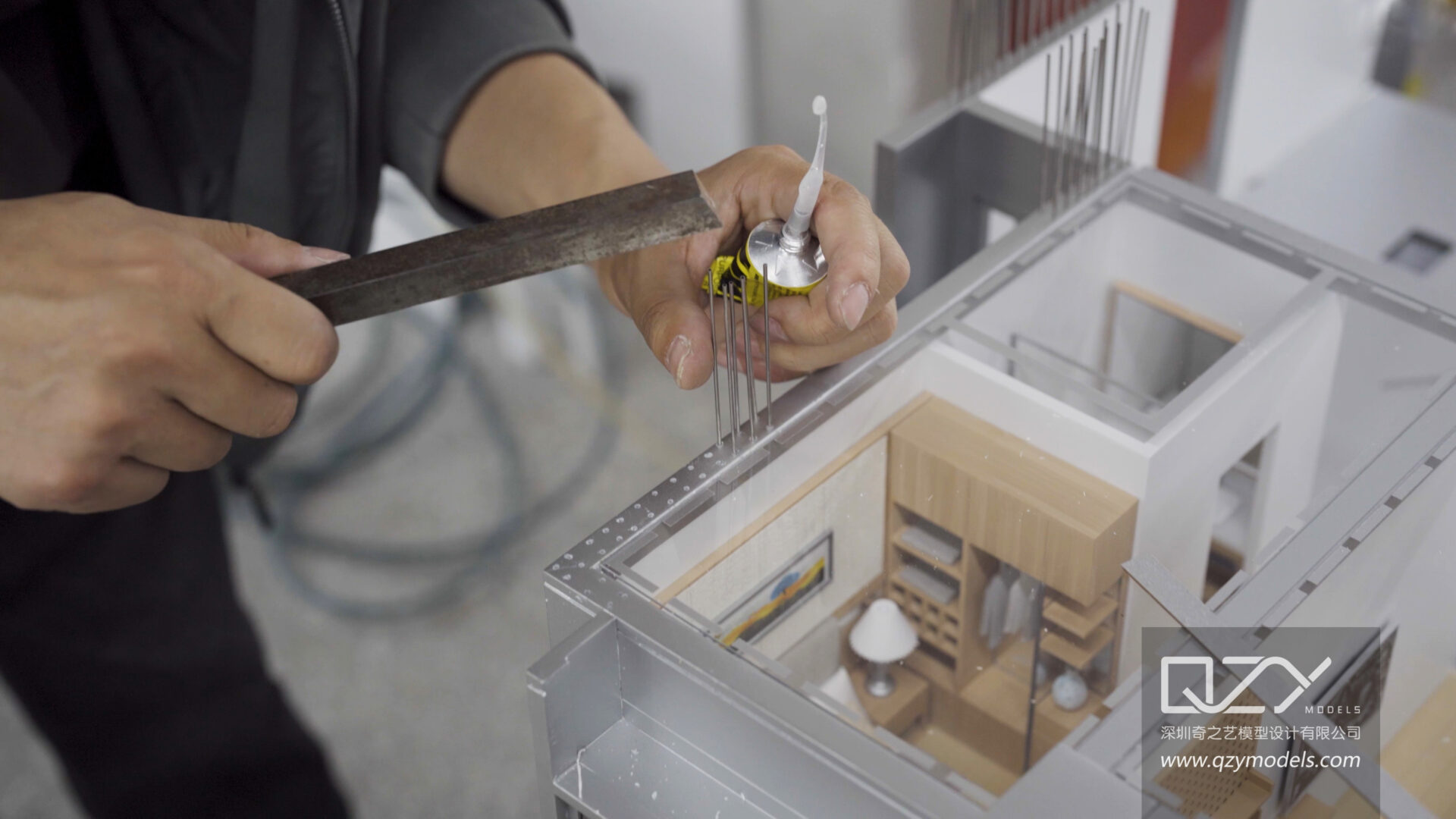
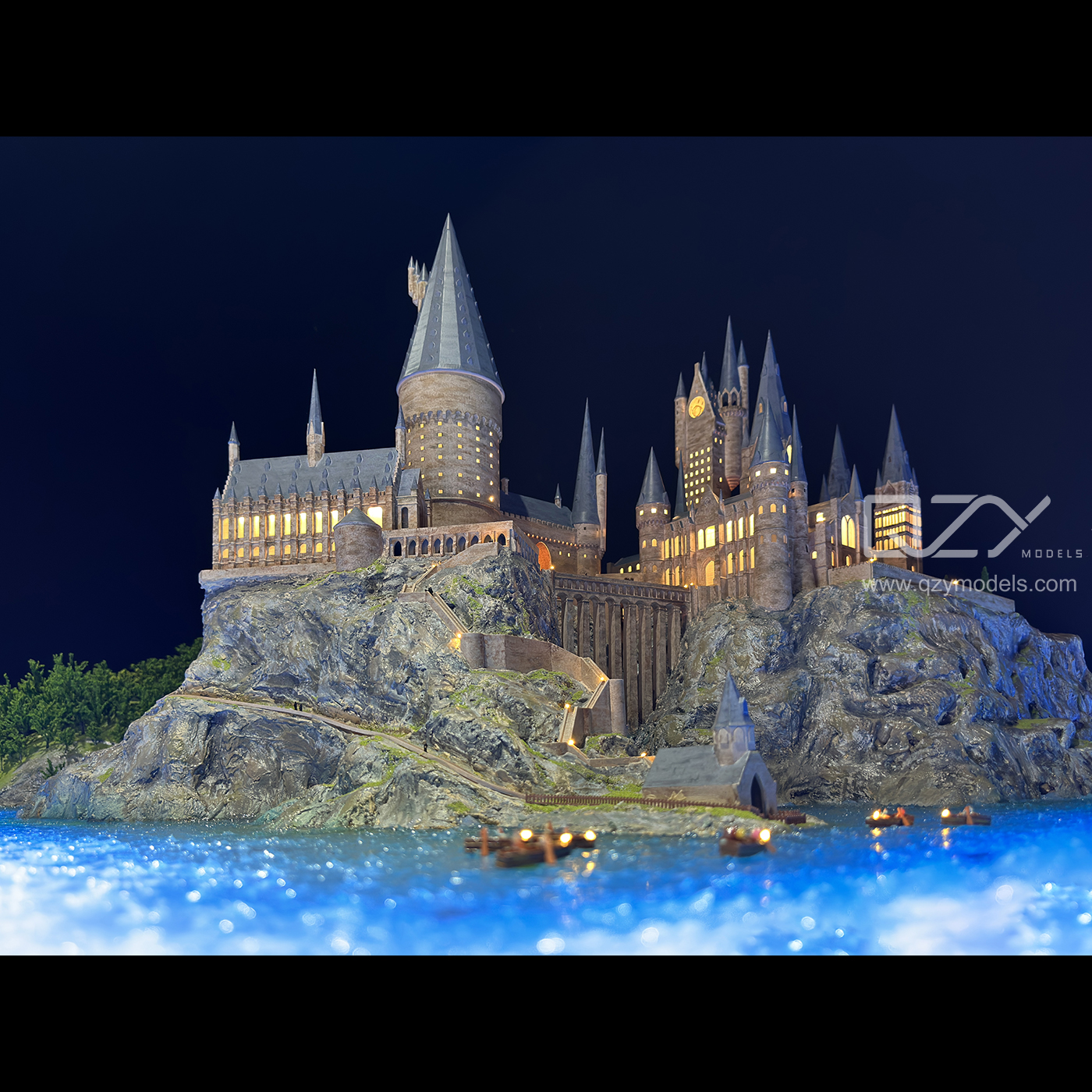
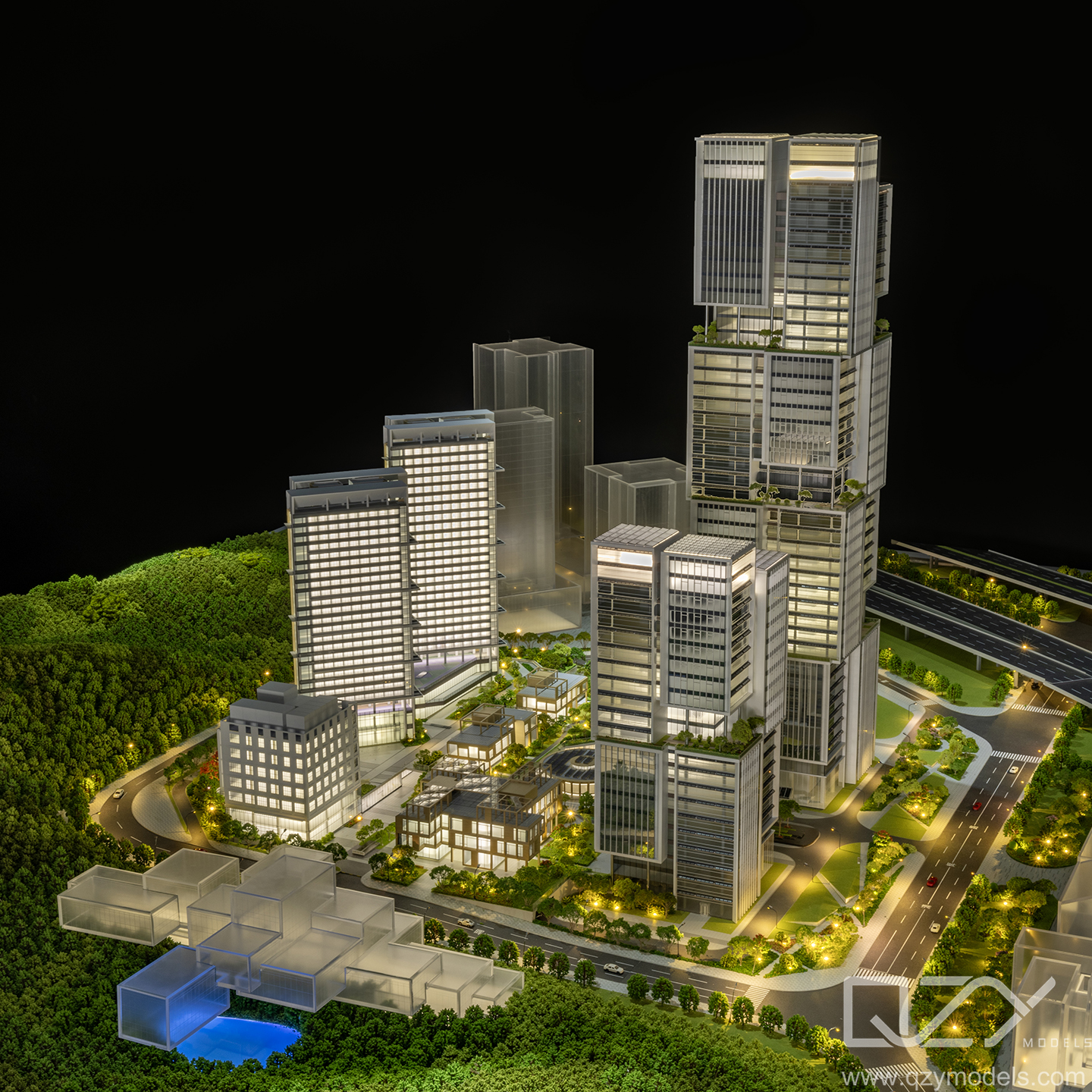
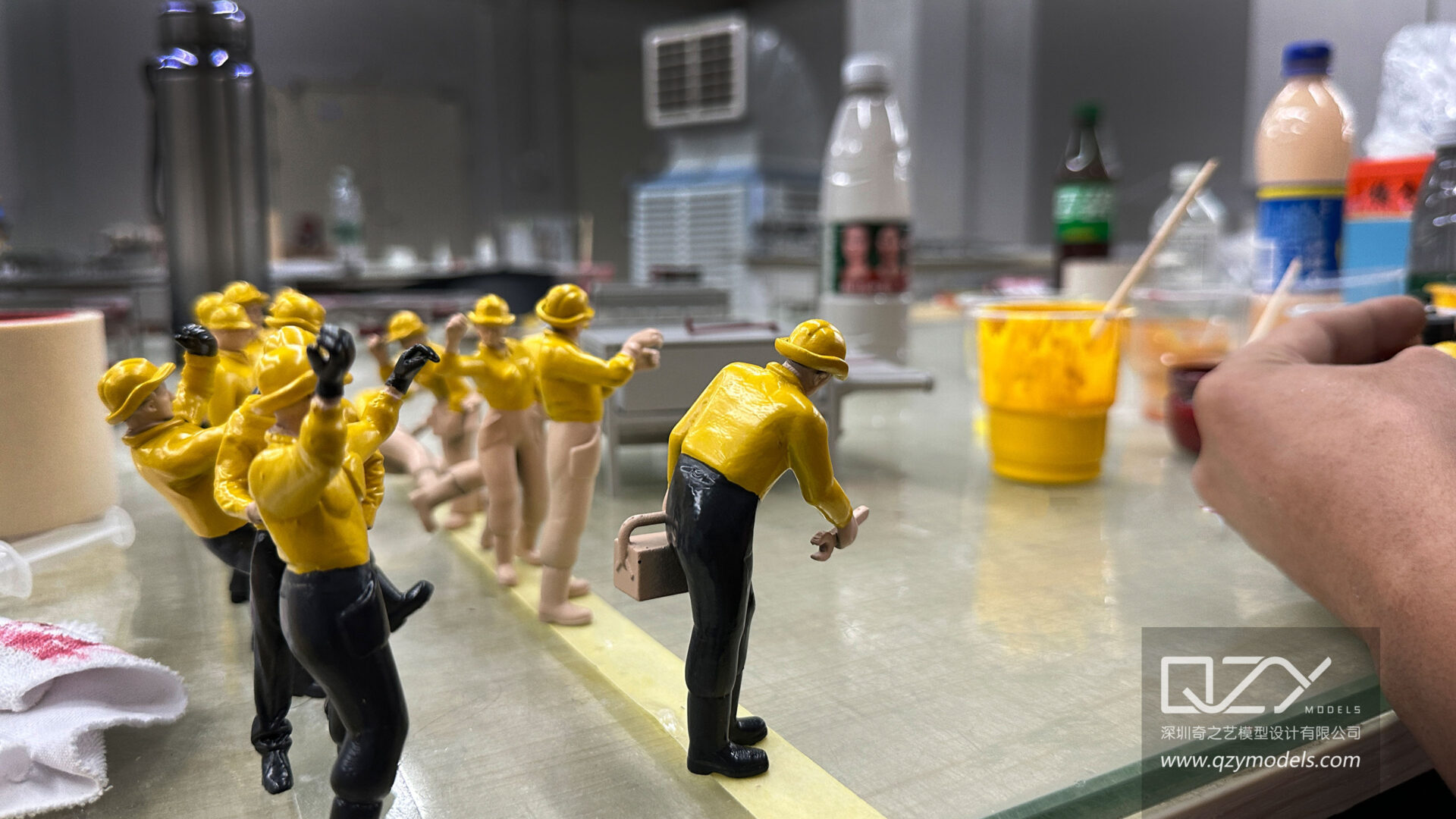
Advanced miniature weathering techniques transform models into lifelike scenes by simulating dirt, rust, scratches, and environmental wear. Using pigments, washes, chipping, streaking, and airbrushing, these methods add depth and realism to architectural and industrial miniatures. QZY Models experts emphasize observation of real-world references, careful layering, and precise application to create professional-quality results that captivate collectors, designers, and architects alike.
What Essential Tools Are Needed for Advanced Weathering?
Achieving realistic weathering requires specific, high-quality tools. QZY Models recommends pigments, washes, sponges, fine brushes, airbrushes, and matte varnish. Pigments simulate dust and rust, sponges create chipping effects, and airbrushes allow smooth fades and pre-shading. Fine brushes handle intricate details, while varnish seals layers for durability. Professional workshops, like QZY Models, layer these tools strategically to enhance realism in architectural and industrial models.
| Tool | Purpose | Recommended Brands |
|---|---|---|
| Pigments | Dust, rust effects | AK Interactive, Vallejo |
| Sponges | Chipping, wear | Makeup sponges |
| Airbrush | Fading, pre-shading | Iwata, Harder & Steenbeck |
| Oil Paints | Streaking, filters | Winsor & Newton |
Layering effectively: start with airbrush base, add pigments and washes, finish with varnish. This ensures models withstand display or transport while maintaining realistic textures.
How Are Washes and Filters Applied?
Washes and filters add subtle depth and shading without overpowering base colors. Dilute oil- or enamel-based washes about 1:5 and apply to recesses. Remove excess with a clean brush to highlight details naturally. Filters—ultra-thin glazes—tone entire surfaces for faded paint effects. QZY Models often uses earth-toned filters to simulate pollution on buildings. Multiple thin layers, dried between applications, create nuanced realism.
Steps for application:
-
Use recess-friendly shades for shadows.
-
Pinwash edges to emphasize grime buildup.
-
Seal with varnish before moving to advanced layers.
These methods enhance architectural textures, vehicle panel lines, and miniature brickwork.
What Is the Most Effective Chipping Technique?
Chipping replicates paint wear and exposed metal. QZY Models applies sponge techniques with metallic paints, lightly dabbing high-wear areas like corners, handles, and edges. Vary pressure to create natural chip sizes. Advanced approaches include the hairspray technique: base coat, hairspray layer, topcoat, then chip with water and a toothpick for larger peeling effects. Rust streaks applied afterward deepen realism.
| Chipping Method | Scale Suitability | Difficulty |
|---|---|---|
| Sponge | All scales | Easy |
| Hairspray | 1:35+ | Medium |
| Knife/Scribe | Edges only | Advanced |
Testing on scrap pieces ensures damage appears authentic at the model’s scale.
How Can Realistic Rust Effects Be Achieved?
Rust effects require layered pigments and oil paints. Pre-shade rust-prone areas with an airbrush for base tones. Apply rust streaks downward and blend with a brush. Add dry pigments to build texture, mimicking oxidation. QZY Models applies transparent rust washes over chipped areas, layering pigments like European Dirt or Light Rust to create dimension.
Tips for rust:
-
Use vertical streaks to simulate rain-run corrosion.
-
Add puddles with sponge-dashed pigments.
-
Combine bright orange with matte brown for fresh vs. old rust.
Seal lightly to preserve the matte finish while keeping textures realistic.
What Are the Best Streaking Methods?
Streaking replicates rain-washed dirt or rust. Dot oil paints like burnt sienna or raw umber, then drag downward with a brush dipped in thinner. Blend immediately to maintain natural flow. QZY Models uses streaking on building facades to represent weathering from rain and sand abrasion. Adjust streak thickness for subtlety or intensity, and combine with filters for cohesive effects. Reverse streaking simulates capillary action on ropes or cables. Regular practice ensures clean, fluid lines.
QZY Models Expert Views
“At QZY Models, we elevate miniatures by transforming static designs into dynamic stories of wear and time. Using pigments, washes, and airbrushing, we recreate dust accumulation, rust, and fading with precision. Our experience with international architectural clients allows us to simulate environmental effects accurately, from desert sand abrasion to urban pollution. Each layer is applied thoughtfully, enhancing realism while maintaining structural integrity.” – Richie Ren, Founder, QZY Models
How Can Pigment Dusting Be Mastered?
Pigments are ideal for dust, mud, and subtle surface variation. Apply light to dark, focusing on low areas. Soft brushes allow gradual buildup; wet pigments create splatter, dry pigments give haze. QZY Models dusts terrain and architectural bases with earth tones for natural realism. Fixatives like Micro Set or floor polish prevent fallout and maintain display quality. Stippling can simulate mud or textured dirt on roads and industrial floors.
What Advanced Airbrushing Techniques Add Depth?
Airbrushing provides smooth fades, subtle shadows, and highlights. Zenithal pre-shading mimics sun exposure by spraying light from above. QZY Models applies pollution gradients and subtle stains using controlled freehand dots. Masking enables precision for chipping or streaking details. Post-varnish application protects the airbrushed layers while preserving visual depth.
When Should Weathering Layers Be Sealed?
Sealing protects layers from handling and preserves finishes. Apply thin matte varnish after major steps, and a final seal once the weathering is complete. QZY Models double-varnishes exhibition models to ensure durability. Test for compatibility between acrylic and enamel layers to avoid clouding.
Why Is Observing Real-Life References Important?
Real-world references guide authenticity. Study photos or prototypes to note wear patterns, dirt accumulation, and rust behavior. QZY Models requires client-provided prototypes or reference images to replicate scale wear accurately, ensuring every model reflects realistic environmental effects.
Key Takeaways
Mastering advanced miniature weathering involves strategic layering: start with washes, proceed with chipping and rust, then finish with pigments and airbrushing. Tools and techniques inspired by QZY Models create realistic architectural and industrial models. Observe references, practice diligently, and seal layers properly. Well-executed weathering elevates presentations, impresses clients, and adds immersive realism for collectors and design professionals.
FAQs
What paints are best for weathering?
Use enamel or oil washes with acrylic pigments. Acrylics work well for base layers; oils provide subtle effects when thinned.
Can beginners attempt advanced weathering techniques?
Yes, start with washes and basic chipping. Gradually build skill and layer complexity.
How long does a weathering project take?
Typically 30–90 minutes per model, depending on layers and drying time.
Does matte varnish affect metallic finishes?
Yes, it dulls shine. Use satin selectively on metallic surfaces to retain luster.
Are pigments safe to use on miniatures?
Yes, non-toxic brands like Vallejo are safe. Fixatives help prevent loose powder and ensure durability.