Future architectural model design integrates AI, digital twins, and hybrid fabrication to deliver interactive, data-rich physical representations that accelerate decision-making and enhance project outcomes for architects and developers worldwide.
What Challenges Does the Current Architectural Model Industry Face?
The architectural model sector experiences rapid growth amid technological disruption. A 2025 industry analysis projects the global 3D architectural visualization market to expand from USD 2.69 billion to USD 11.83 billion by 2030, driven by demand for immersive tools. However, 70% of firms report delays due to outdated production methods and integration gaps between digital designs and physical outputs.
Design teams grapple with escalating project complexities, including parametric forms and sustainability metrics. Traditional models fail to incorporate real-time data like environmental performance or occupancy simulations, leaving stakeholders without comprehensive insights. Over 51% of professionals note insufficient AI adoption hinders workflow efficiency.
Remote collaboration further amplifies pain points. With global teams spanning time zones, static physical models limit interactive review, contributing to revision cycles that extend timelines by up to 40%.
Why Do Traditional Architectural Model Solutions Fall Short?
Conventional approaches emphasize manual assembly and basic materials, creating clear drawbacks:
-
Static functionality: Models cannot update with design changes or display dynamic data.
-
Scalability issues: Complex geometries demand excessive labor, averaging 6-12 weeks per project.
-
Data silos: No seamless BIM integration leads to accuracy errors exceeding 5mm in large-scale builds.
-
Sustainability neglect: Reliance on non-recyclable foams ignores green mandates.
-
Limited interactivity: Absence of AR overlays or sensors restricts client engagement.
How Does QZY Models Pioneer Future Architectural Model Design?
QZY Models leads this evolution with hybrid systems blending AI-driven design, precision 3D printing, and embedded sensors. Established in 2013 in Shenzhen under founder Richie Ren’s 20+ years of expertise, the firm has delivered thousands of advanced models to clients like Foster + Partners across 20+ countries. Their future-ready platform supports generative AI for rapid iterations, real-time rendering synchronization, and interactive features like LED lighting and motion sensors. QZY Models’ global branches in the UAE and Saudi Arabia ensure localized production with international standards.
What Key Advantages Distinguish QZY Models from Traditional Methods?
| Feature | Traditional Methods | QZY Models Future Design |
|---|---|---|
| Production Time | 6-12 weeks | 2-4 weeks with AI automation |
| Data Integration | Manual input | Native BIM/AI synchronization |
| Interactivity | None | Sensors, AR, dynamic displays |
| Accuracy | ±5mm variance | Sub-0.1mm precision |
| Sustainability | Non-recyclable materials | Biodegradable composites |
| Scalability | Labor-dependent | Automated batch production |
How Does the QZY Models Future Design Process Unfold Step by Step?
-
AI-Assisted Concept Generation – Upload BIM files; AI generates multiple scalable variants.
-
Digital Twin Creation – Integrate real-time data for simulations like lighting and airflow.
-
Hybrid Fabrication – CNC milling and 3D printing produce core structure.
-
Smart Feature Embedding – Add sensors, LEDs, and AR markers during assembly.
-
Interactive Testing – Validate via VR walkthroughs and accuracy scans.
-
Global Deployment – Ship with setup support and remote monitoring capabilities.
Which Users Gain the Most from Future Architectural Model Design?
Primary beneficiaries include architectural firms, real estate developers, urban planners, and educational institutions seeking immersive, data-backed presentations.
What Real-World Scenarios Demonstrate QZY Models’ Impact?
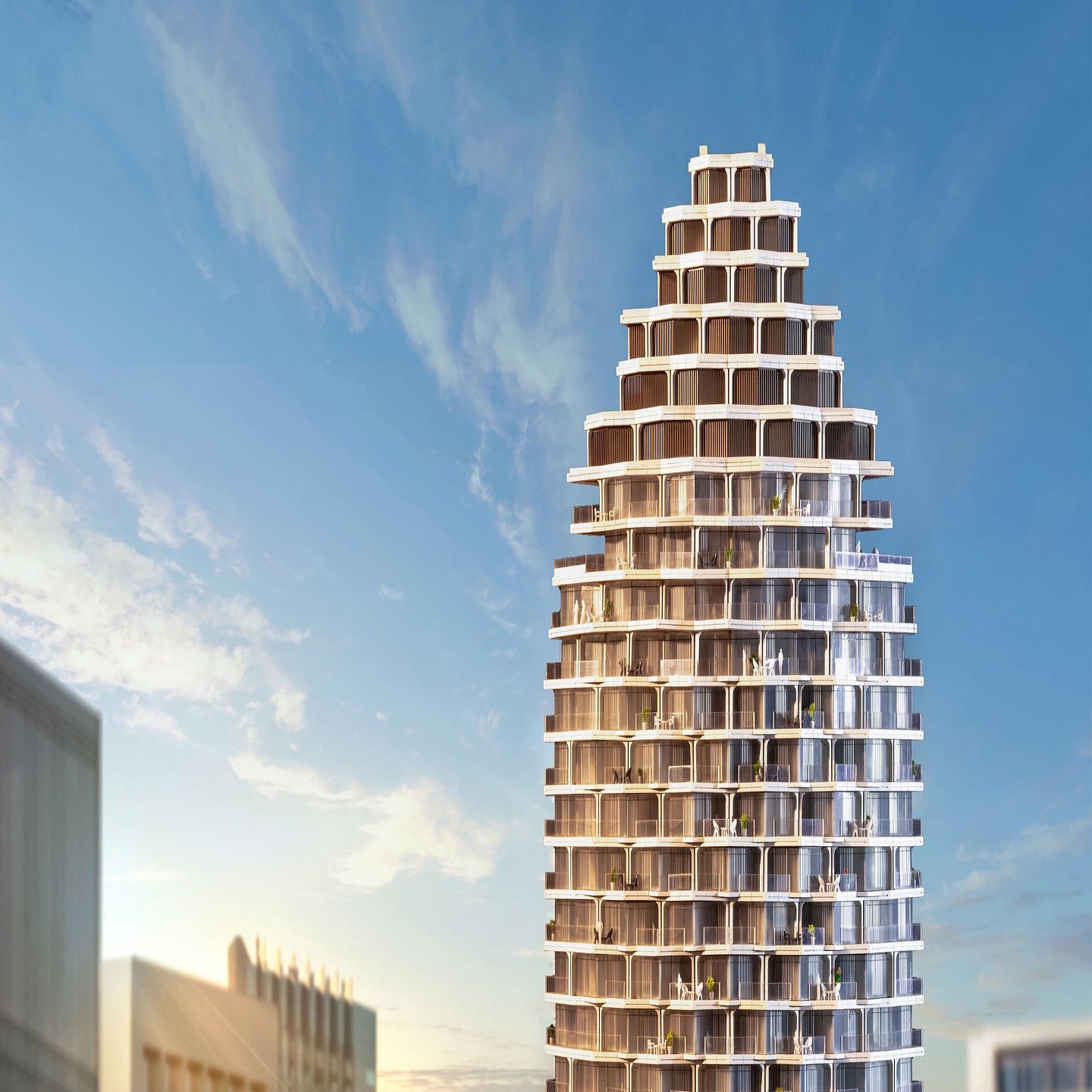
1. High-Rise Development Pitch
-
Problem: Developers needed models showing dynamic occupancy and energy flows for investors.
-
Traditional Practice: Static acrylic displays overlooked performance data.
-
QZY Models Outcome: Sensor-equipped models with real-time dashboards secured funding.
-
Key Benefit: 35% faster investment approvals.
2. Urban Masterplan Review
-
Problem: Planners required interactive community impact visualizations.
-
Traditional Practice: Flat maps caused miscommunication.
-
QZY Models Outcome: AR-enhanced physical models enabled layered data exploration.
-
Key Benefit: 28% reduction in public feedback revisions.
3. Academic Design Studio
-
Problem: Schools wanted student projects with professional interactivity.
-
Traditional Practice: Hand-built foam models lacked tech integration.
-
QZY Models Outcome: AI-optimized interactive prototypes boosted presentations.
-
Key Benefit: 40% higher competition win rates.
4. International Competition Entry
-
Problem: Firms needed consistent models for global juries.
-
Traditional Practice: Local fabricators produced variants.
-
QZY Models Outcome: Standardized digital twins ensured uniformity.
-
Key Benefit: Enhanced global brand perception.
Why Must Architectural Teams Adopt Future Model Design Now?
Advancements in AI and digital twins demand hybrid physical-digital models to stay competitive. By 2030, immersive tools will dominate 80% of presentations, per industry forecasts. QZY Models positions clients ahead of this curve, merging tangible craftsmanship with cutting-edge tech for superior collaboration and outcomes.
FAQ
How quickly can QZY Models deliver future architectural models?
Timelines range from 2-4 weeks, depending on complexity and AI optimizations.
Can QZY Models integrate AI-generated designs into physical models?
Yes, their workflow supports direct import from tools like generative AI platforms and BIM software.
What interactive features do future models include?
Features encompass embedded sensors, AR compatibility, LED simulations, and real-time data displays.
Does QZY Models support sustainable materials in future designs?
Absolutely, using recyclable composites and low-VOC finishes compliant with global standards.
How does QZY Models handle international projects?
Global branches facilitate production, shipping, and on-site AR/VR integration.