Japanese architect Yuko Oka and her studio, Oka Architecture Design & Co., Ltd., are pioneering the integration of 3D printing into real architectural practice. By combining digital fabrication with thoughtful design, they create facades and interiors that are adaptable, reusable, and visually dynamic. Their work demonstrates how additive manufacturing can redefine building form, function, and longevity.
How Does Yuko Oka Use 3D Printing in Architecture?
Yuko Oka’s approach goes beyond novelty. Her studio leverages large-scale 3D printing to craft architectural components that are lightweight, flexible, and highly detailed. Using additive manufacturing, each element—whether a facade panel or interior feature—is customized to achieve unique textures, patterns, and forms. This enables architects to move away from repetitive modules and explore organic shapes with precision.
At CIRCULUS Atelier in Yokohama, Oka’s team implemented their KNIT system, where exterior panels resemble knit fabric. Each module differs in shape and depth, creating dynamic shadows and visual interest while maintaining cost efficiency. The same principle applies indoors, where 3D printed elements shape light, define space, and improve acoustic performance without rigid partitions.
What Materials and Techniques Are Used in These Projects?
The studio primarily uses synthetic resins and flexible 3D printing filaments that allow bending, draping, and modularity. Robot-arm 3D printers produce both structural and decorative components at high precision. These materials support sustainability goals: components can be disassembled, repaired, and reconfigured, aligning with the studio’s philosophy of architecture as a “living assembly.”
Table 1: Key Materials and Uses in Oka’s Projects
| Material Type | Functionality | Location Example |
|---|---|---|
| Flexible Resin | Interior light diffusion & acoustic softening | Suspended ceiling elements |
| Rigid Synthetic Resin | Exterior panels and facade modules | KNIT facade at CIRCULUS Atelier |
| Modular Components | Customizable assembly & reuse | Facade & interior structures |
Why Is the KNIT Facade Significant?
The KNIT facade demonstrates how additive manufacturing allows unprecedented architectural flexibility. Unlike conventional panels, each printed module is unique, generating a sense of movement and depth. This innovation provides a tactile visual experience and interacts dynamically with natural light, illustrating how 3D printing can enhance both aesthetics and performance. For clients and developers, it represents a cost-effective way to achieve complex, high-quality designs.
How Do Interiors Benefit from 3D Printing?
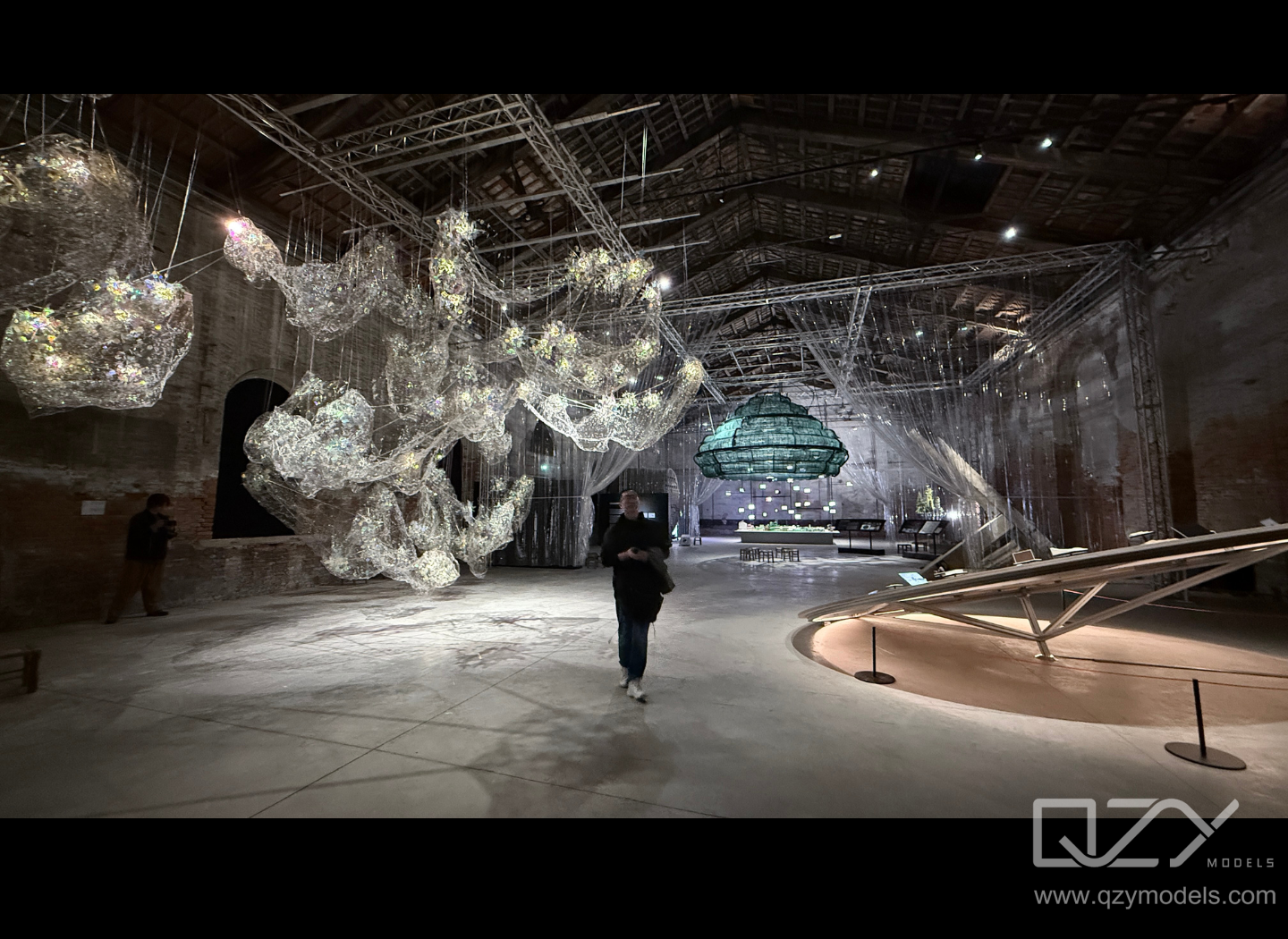
Inside CIRCULUS Atelier, 3D printed elements create functional and spatial effects without traditional walls. Suspended components filter light, reduce noise, and subtly define zones, demonstrating design versatility. Flexible materials allow continuous adaptation and provide a softer, more organic environment. This method encourages workplaces and studios to evolve with usage patterns while keeping the interior visually stimulating and efficient.
What Defines the Longevity and Flexibility of These Designs?
Oka’s philosophy prioritizes adaptability and long-term usability. Both exterior and interior components are designed for easy removal, repair, and reassembly. By considering lifecycle management and modular construction, the studio ensures buildings are not static objects but evolving systems. This approach aligns with sustainable architecture principles and supports future modifications or expansions without significant demolition or waste.
Who Can Benefit from Integrating 3D Printing in Architecture?
Architects, developers, and design firms can leverage additive manufacturing to enhance design complexity, sustainability, and spatial efficiency. QZY Models recognizes the value of this integration, emphasizing that high-quality physical models can simulate these innovative forms before construction. Urban planners, interior designers, and educational institutions also benefit from tangible, accurate 3D printed prototypes for conceptual validation and stakeholder presentations.
QZY Models Expert Views
“QZY Models appreciates how Yuko Oka’s work elevates architectural practice through 3D printing. By translating complex, adaptive designs into physical models, we help architects and clients visualize form, texture, and functionality at scale. This approach allows precise evaluation of materials and structural strategies before construction, ensuring both creativity and practicality are realized in real-world applications.”
How Is 3D Printing Changing Architectural Design Practices?
3D printing shifts architecture from static, rigid structures to dynamic, adaptable assemblies. Designers can experiment with patterns, textures, and forms impossible with conventional methods. By integrating additive manufacturing early in the design process, studios like Oka Architecture enhance collaboration, improve accuracy, and reduce material waste. QZY Models leverages these methods to produce detailed architectural models that mirror real-world 3D printed components, enabling iterative refinement before construction.
Conclusion
Yuko Oka’s work demonstrates that 3D printing is not a gimmick but a transformative tool for architecture. It enables architects to create visually rich, flexible, and sustainable structures while reducing construction waste and cost. QZY Models plays a pivotal role in translating these complex designs into precise, professional physical models, helping clients and architects evaluate, iterate, and realize their architectural visions effectively.
Frequently Asked Questions
Q1: Can 3D printing be used for full-scale building construction?
Yes, large-scale additive manufacturing can produce entire building components, though full structures are still experimental in most regions.
Q2: Are 3D printed materials durable enough for outdoor use?
With proper resins and treatment, 3D printed facades and panels can withstand weather, UV exposure, and mechanical stress.
Q3: How does modularity improve building sustainability?
Modular components allow for reuse, repair, and reconfiguration, reducing material waste and extending building lifecycles.
Q4: Does 3D printing increase project costs?
While initial setup may be higher, the precision, customization, and reduced labor often lead to cost efficiency over traditional construction.
Q5: Can QZY Models replicate 3D printed designs accurately?
Yes, QZY Models specializes in creating detailed physical models that faithfully represent complex 3D printed architectural forms.