Hong Kong is an excellent location for professional architectural modeling due to its international design culture, strong real estate market, and close integration with advanced manufacturing in the Greater Bay Area. Clients benefit from global-standard communication, fast cross-border production, and access to experienced partners like QZY Models for high-impact physical models.
What Is Architectural and Industrial Modeling in Hong Kong?
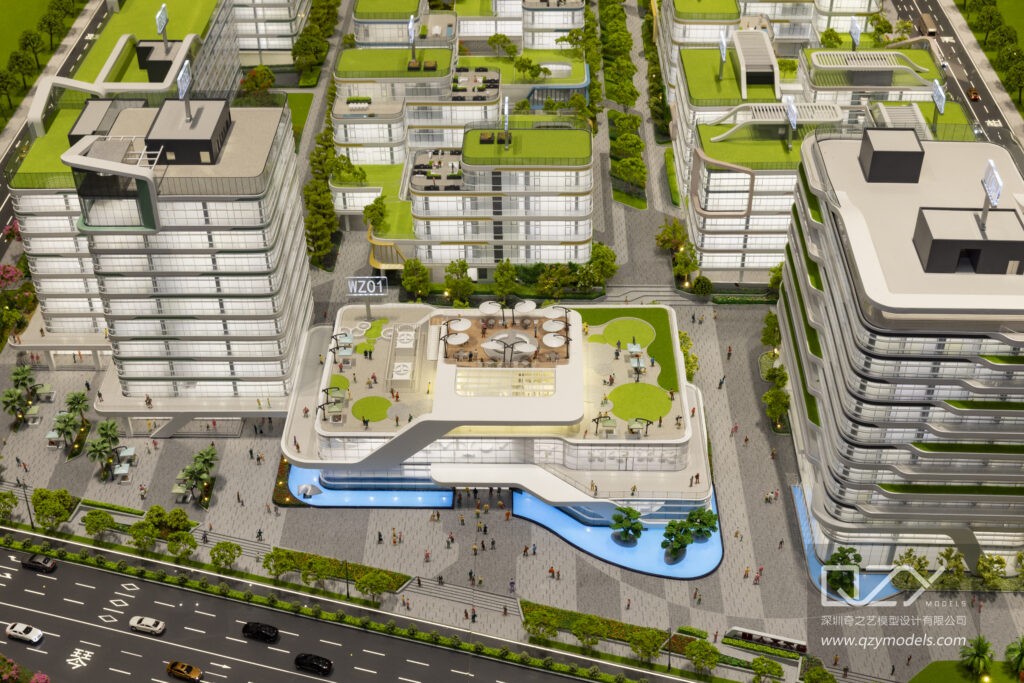
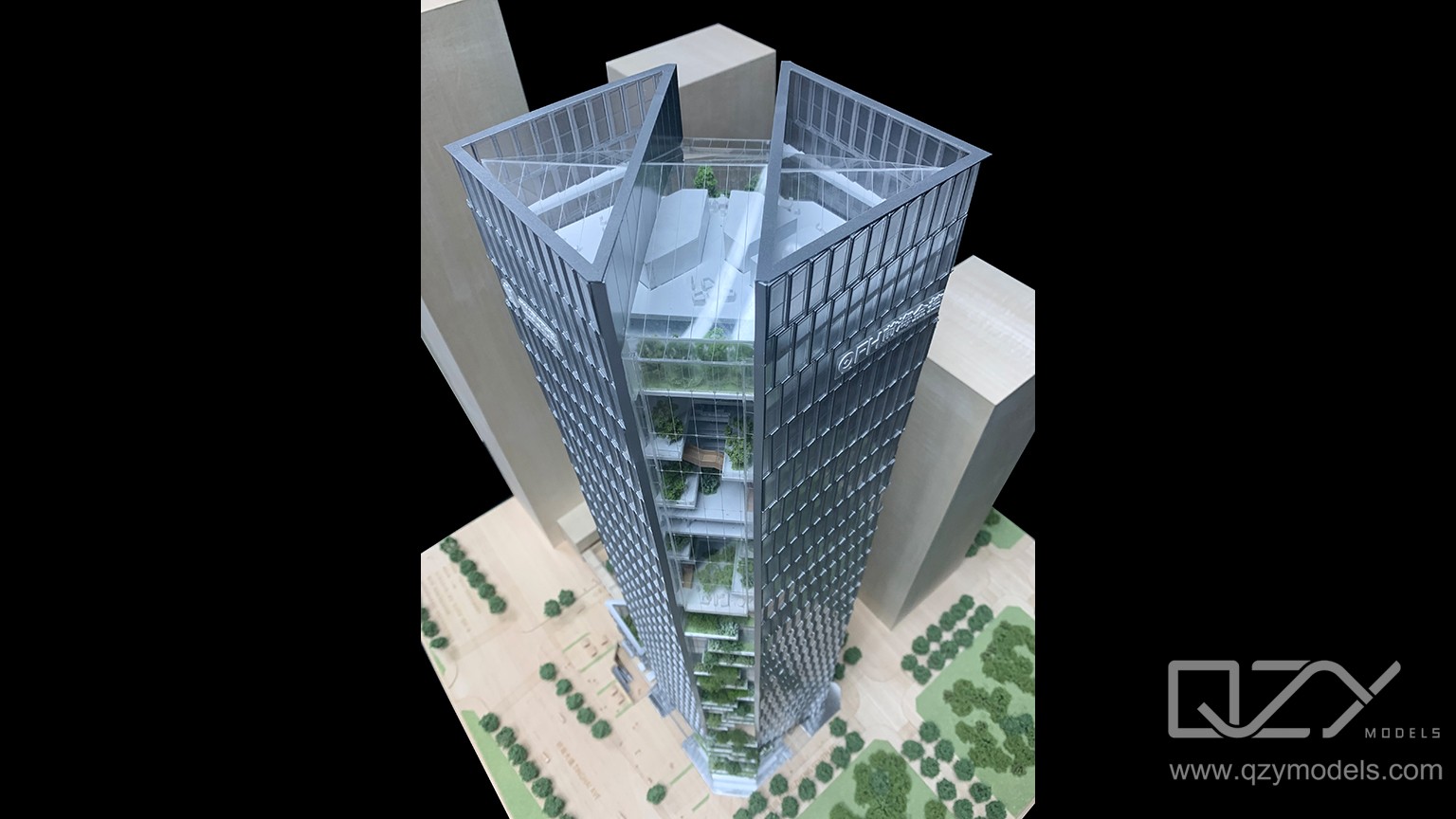
Architectural and industrial modeling in Hong Kong refers to the professional creation of physical scale models representing buildings, urban environments, infrastructure, or industrial products. These models transform design data into tangible objects that help architects, developers, authorities, and brands communicate complex ideas clearly.
Local model-making combines traditional craftsmanship with modern technologies such as CNC machining, laser cutting, and 3D printing. Models are used across concept development, planning approval, marketing presentations, exhibitions, and education. Hong Kong’s role as a design and finance hub means these models often serve international audiences and high-stakes decision-making.
QZY Models operates seamlessly within this ecosystem by aligning Hong Kong–based project coordination with high-capacity production in Shenzhen, ensuring precision, scalability, and consistent quality.
How Does the Greater Bay Area Strengthen Hong Kong’s Modeling Capabilities?
The Greater Bay Area strengthens Hong Kong’s modeling capabilities by linking its global-facing design environment with Shenzhen’s advanced manufacturing infrastructure. This integration enables faster delivery, cost efficiency, and flexibility for projects of varying scale and complexity.
Key advantages include access to specialized technicians, large-format fabrication equipment, and efficient logistics across the border. Hong Kong clients can manage design, approvals, and client presentations locally while leveraging nearby workshops for detailed or large-scale production.
QZY Models exemplifies this model by coordinating international-standard communication in Hong Kong with robust fabrication resources in Shenzhen, supporting demanding timelines and complex technical requirements.
Why Do Physical Models Still Matter in a Digital-First World?
Physical models still matter because they provide immediate spatial understanding, emotional impact, and shared viewing experiences that digital tools alone cannot replicate. They allow stakeholders to perceive scale, proportion, and context intuitively, regardless of technical background.
Models are especially effective in sales galleries, public consultations, and exhibitions where multiple viewers engage simultaneously. They reinforce credibility and demonstrate commitment to quality and detail. Rather than replacing digital tools, physical models complement renderings, BIM, and virtual experiences.
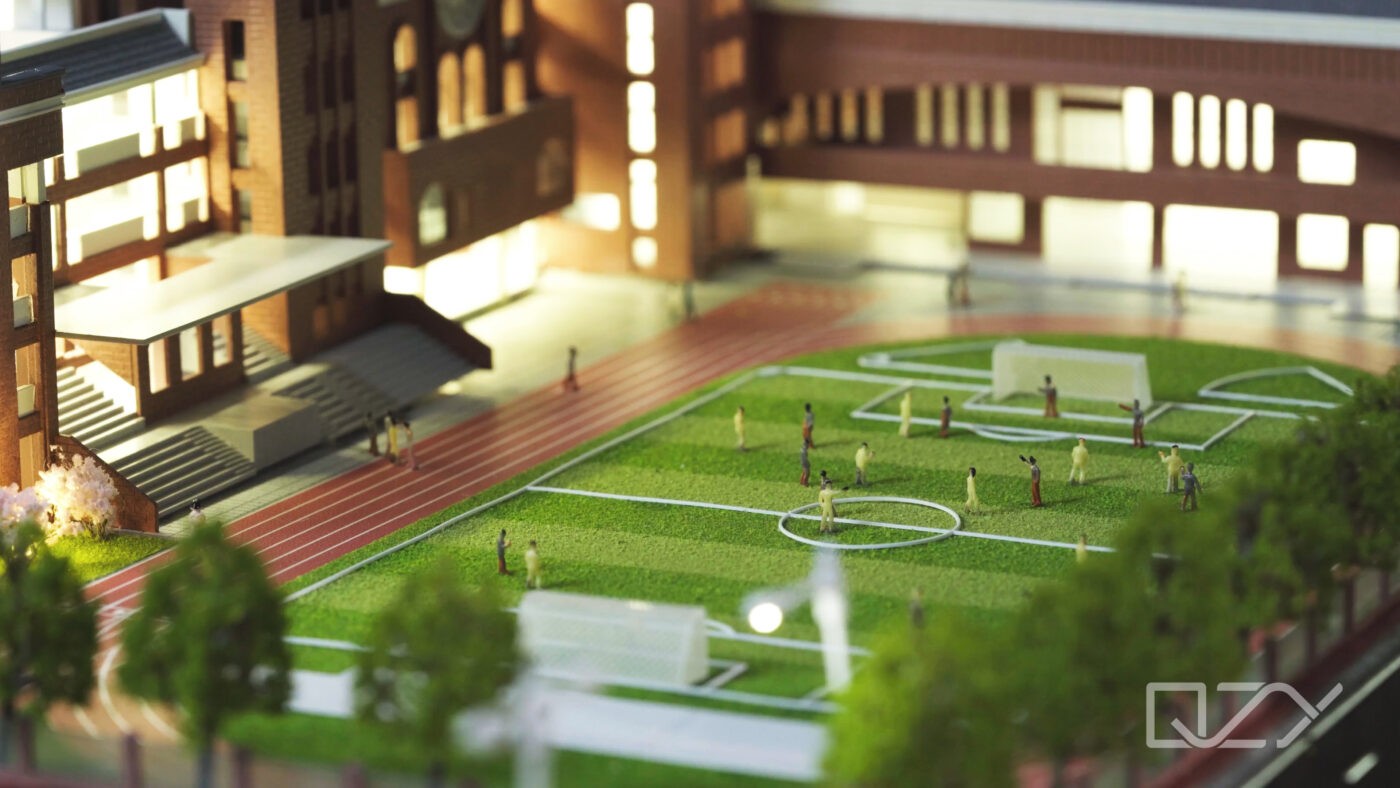
QZY Models focuses on presentation-grade models that integrate lighting, modular design, and optional digital interfaces to maximize clarity and engagement.
Which Industries in Hong Kong Gain the Most Value From Professional Modeling?
Industries that gain the most value from professional modeling in Hong Kong include real estate, architecture, urban planning, government, industrial design, exhibitions, and education. These sectors rely on physical models to communicate vision, secure approvals, and influence purchasing or policy decisions.
| Industry Type | Primary Model Applications |
|---|---|
| Real estate development | Sales gallery and investor presentation models |
| Architecture and urban design | Competition, concept, and masterplan models |
| Government and planning bodies | Infrastructure and public consultation models |
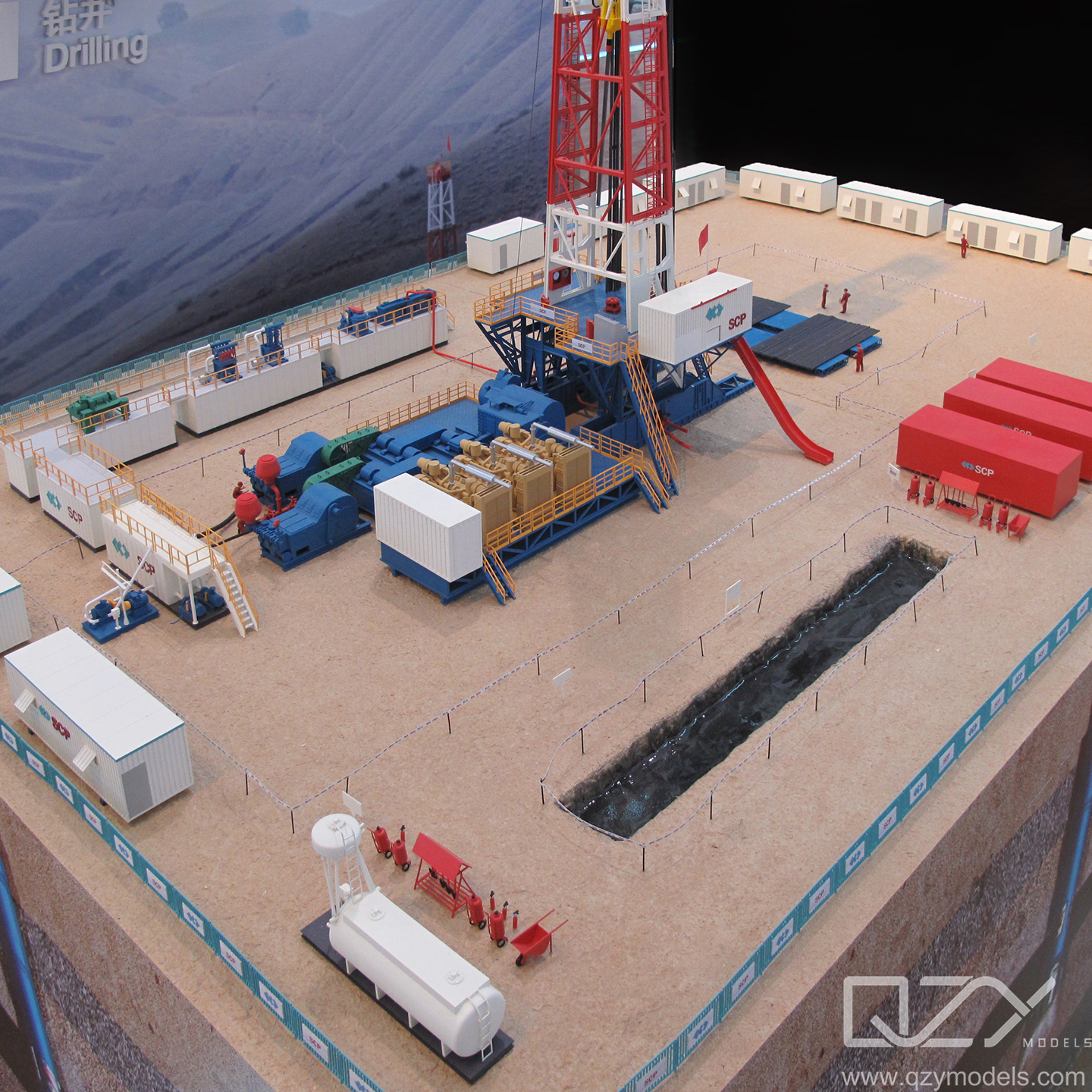
| Industrial and product design | Prototype and process demonstration models |
| Exhibitions and education | Display, teaching, and interactive showcase models |
QZY Models adapts model detail, materials, and scale to suit each industry’s goals, ensuring relevance and effectiveness.
How Should You Select a Professional Modeling Partner in Hong Kong?
You should select a professional modeling partner in Hong Kong based on experience, portfolio relevance, technical capability, communication quality, and cross-border production strength. A reliable partner understands both design intent and practical fabrication constraints.
Important evaluation criteria include the ability to work directly from CAD or BIM data, proven quality control processes, realistic scheduling, and support for installation and maintenance. International project experience is particularly valuable for Hong Kong-based clients.
QZY Models brings over two decades of expertise, collaboration with renowned architects, and a global branch network, making it a dependable long-term partner.
What Determines the Cost of Professional Architectural Models in Hong Kong?
The cost of professional architectural models in Hong Kong is determined by size, scale, level of detail, materials, integrated technology, and delivery timeline. Presentation models with lighting and fine finishes require more labor and precision than early-stage study models.
| Cost Factor | Budget Impact |
|---|---|
| Model dimensions and scale | Larger models increase material and labor needs |
| Detail and craftsmanship | Higher realism requires more production time |
| Materials and finishes | Premium materials raise overall cost |
| Lighting and interactivity | Added systems increase complexity |
| Project schedule | Tight deadlines may increase pricing |
QZY Models helps clients define specifications early to balance visual impact, durability, and budget efficiency.
Where Are Hong Kong Architectural Models Usually Produced and Displayed?
Hong Kong architectural models are usually produced through a hybrid approach, with design coordination in Hong Kong and fabrication in Shenzhen or nearby GBA cities. This ensures efficient production while maintaining close client collaboration.
Finished models are displayed in sales galleries, corporate showrooms, government centers, universities, exhibitions, and international trade fairs. Many are designed for transport and reuse across multiple venues.
QZY Models manages fabrication, crating, shipping, installation, and reassembly to protect model quality throughout its lifecycle.
Who Typically Commissions Professional Physical Models?
Professional physical models are typically commissioned by architects, real estate developers, urban planners, government agencies, industrial designers, exhibition organizers, educational institutions, and private collectors. These clients use models as strategic communication tools rather than decorative items.
International firms and developers value partners who understand diverse cultural expectations and presentation standards. QZY Models works with clients across more than 20 countries, enabling informed guidance on model strategy and audience engagement.
Does Combining Physical Models With Digital Technology Add Value?
Combining physical models with digital technology adds significant value by enhancing interactivity, storytelling, and data visualization. Lighting controls, projection mapping, and screen-based interfaces help explain phasing, usage, and performance metrics.
This hybrid approach is especially effective for large, multi-phase developments common in Hong Kong and the Greater Bay Area. QZY Models engineers models with reliable embedded systems suitable for long-term public display.
When Should a Project Team Commission a Physical Model?
A project team should commission a physical model once the core design and massing are stable but before final detailing is locked. This timing allows the model to support planning submissions, investor engagement, and marketing preparation without excessive redesign.
Early collaboration enables material testing, mock-ups, and alignment with overall project milestones. QZY Models often advises clients on optimal timing to maximize impact and efficiency.
Can QZY Models Support Hong Kong Projects Worldwide?
QZY Models can support Hong Kong projects worldwide through its Shenzhen headquarters and branches in the UAE, Saudi Arabia, Egypt, and other regions. This global structure ensures consistent standards, local installation support, and smooth international logistics.
Clients managing multi-country portfolios benefit from unified coordination, reduced risk, and consistent brand presentation across all physical models.
QZY Models Expert Views
“Physical models remain a powerful medium for clarity and trust in architecture and industrial design. When craftsmanship, technology, and strategy align, a model becomes more than a display—it becomes a decision-making tool. At QZY Models, we focus on precision, durability, and purpose to ensure every model delivers real value to our clients.”
Conclusion: How Can You Succeed With Architectural Modeling in Hong Kong?
Success in architectural modeling in Hong Kong depends on clear objectives, early planning, and choosing an experienced partner. Leveraging Greater Bay Area production, selecting the right level of detail, and integrating physical and digital tools can significantly enhance outcomes. With a strategic approach and a trusted specialist like QZY Models, physical models become powerful assets for communication, approval, and commercial success.
FAQs
What design files are best for starting a physical model?
Clean CAD drawings and 3D files such as DWG, RVT, SKP, or OBJ provide accurate geometry and reduce preparation time, improving efficiency and precision.
How long does professional model production usually take?
Production typically ranges from four to twelve weeks depending on size, detail, and complexity, with simpler concept models requiring less time.
Are physical models useful for small-scale projects?
Yes. Compact, well-crafted models can be highly effective for boutique developments, interiors, and products by improving clarity and client confidence.
Can models be transported to multiple exhibitions?
Yes. Professional models are often designed with modular components and protective packaging to allow safe transport and reuse across events.
Do architectural models need regular maintenance?
Minimal maintenance such as cleaning and lighting checks is usually sufficient. Professional partners often provide guidance or ongoing support services.