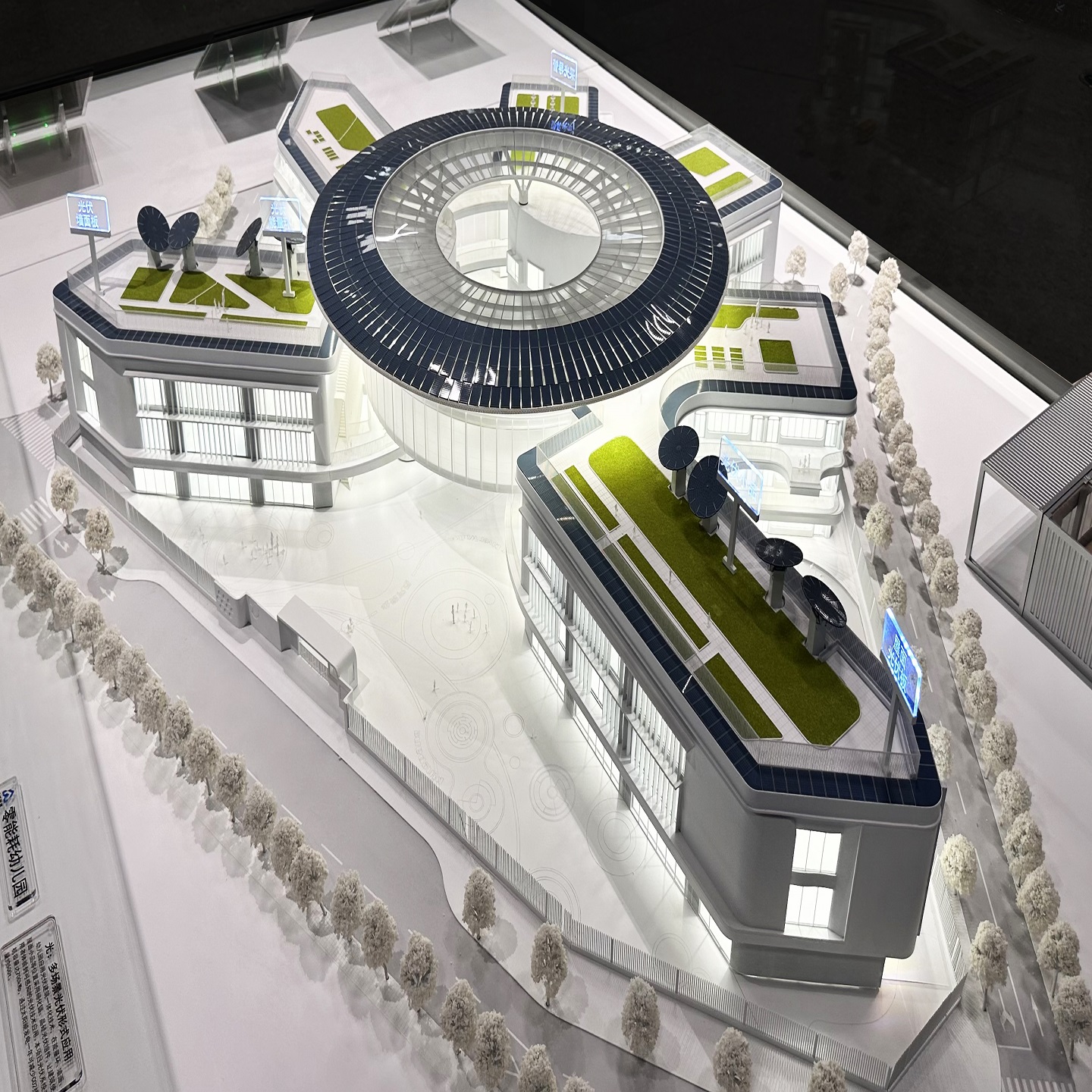
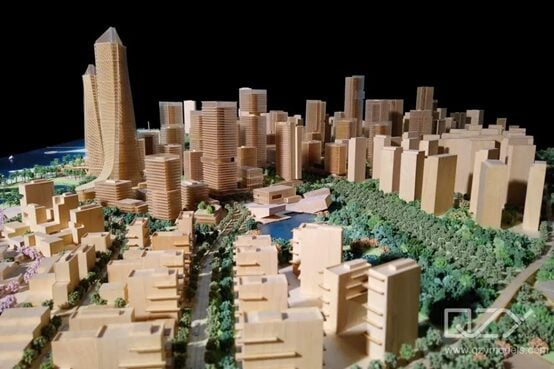
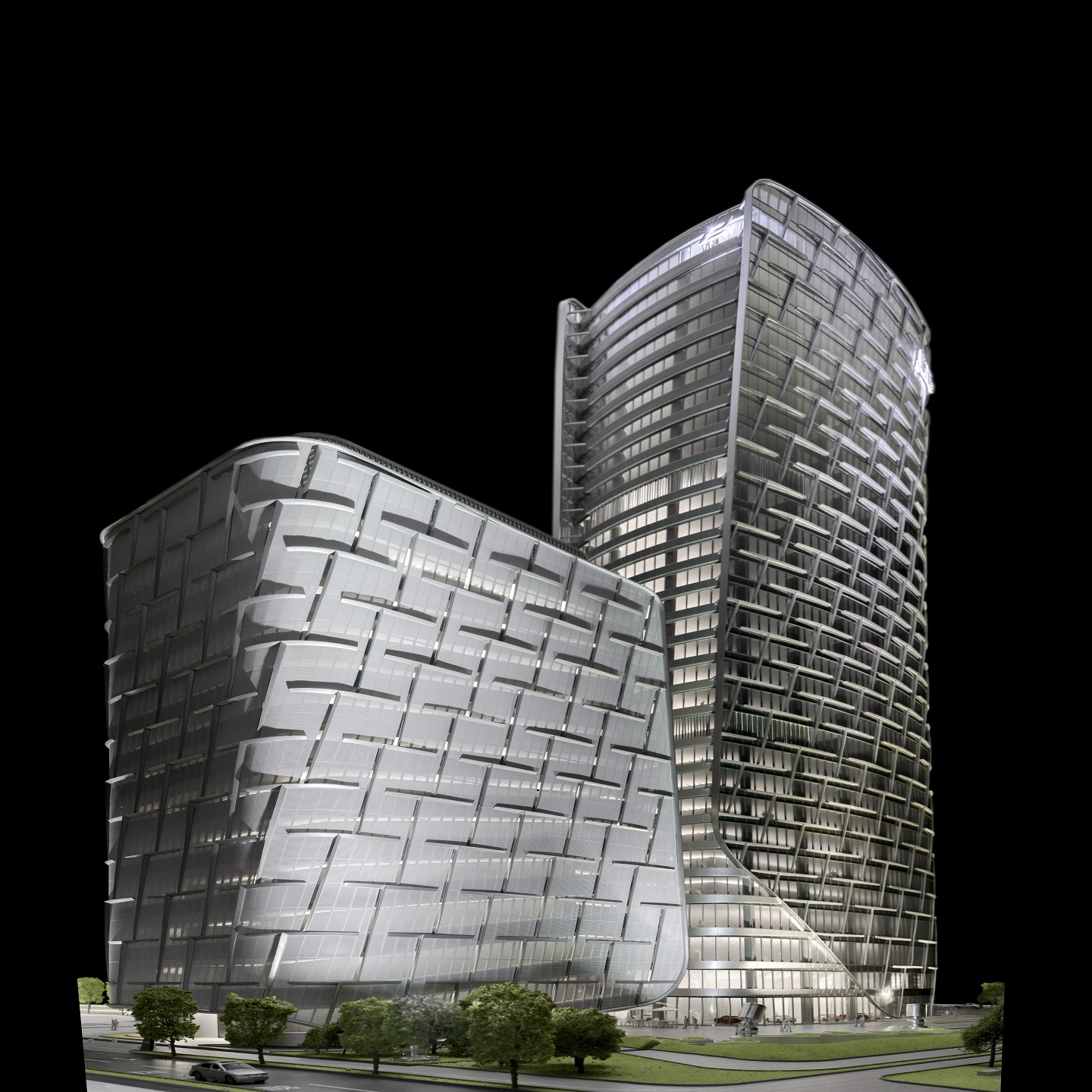
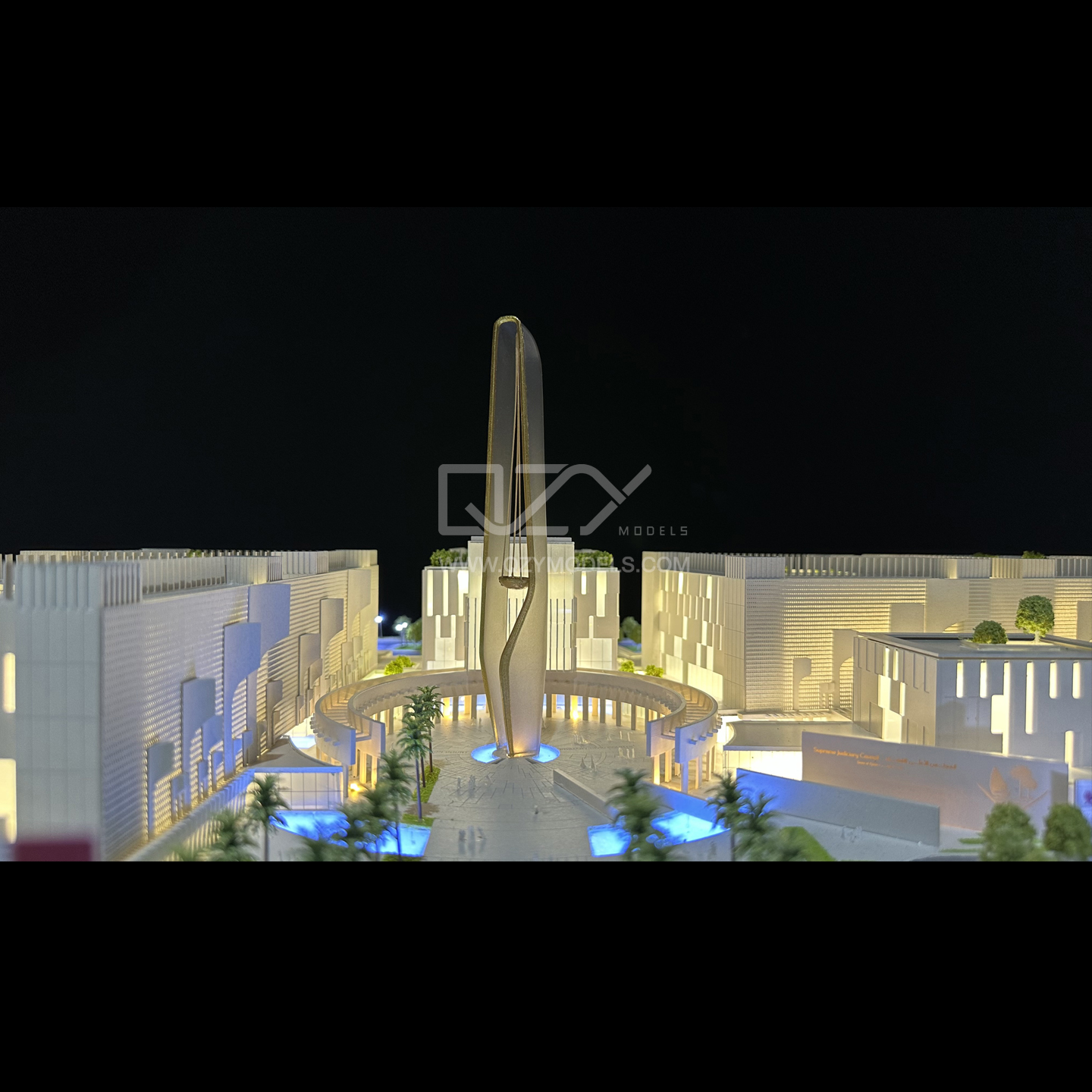
Landscape miniatures are scaled physical models that translate complex outdoor environments into clear, tangible visuals for architects, developers, and planners. By combining terrain, vegetation, infrastructure, and buildings, they reveal spatial relationships instantly. When professionally crafted, landscape miniatures enhance communication, support informed decisions, and create emotional impact that digital tools alone rarely achieve.
What Are Landscape Miniatures in Architectural and Industrial Modeling?
Landscape miniatures are three-dimensional physical models that represent natural and built environments at a reduced scale. They are widely used in architecture, urban planning, real estate development, and industrial projects to visualize site context, terrain, circulation, and spatial hierarchy.
Unlike drawings or screens, landscape miniatures provide an immediate sense of proportion and depth. Designers use them to study topography, understand relationships between buildings and open space, and evaluate visual impact. Developers rely on them to explain complex masterplans, while educators use them to teach spatial thinking and environmental systems.
Professional studios such as QZY Models build these miniatures using precise scale standards like 1:100, 1:200, or 1:500, depending on project size and purpose. Each model balances abstraction and detail to ensure clarity, realism, and effective communication.
How Do Landscape Miniatures Improve Communication and Decision-Making?
Landscape miniatures improve communication by giving all stakeholders a shared physical reference. Clients, officials, and non-technical audiences can quickly understand layout, scale, and design intent without interpreting complex drawings.
By viewing terrain, buildings, and landscape together, decision-makers can assess views, access, density, and spatial quality more confidently. This clarity reduces misunderstandings and accelerates approvals. In public consultations, models encourage constructive discussion and informed feedback.
For international projects, QZY Models often uses landscape miniatures to bridge language and cultural gaps. A well-crafted model communicates ideas instantly, helping teams align faster and make better, more confident decisions.
Why Are Scale and Proportion So Important in Landscape Miniatures?
Scale and proportion determine whether a landscape miniature is believable and useful. Consistent scaling ensures that buildings, trees, roads, and people relate correctly, allowing viewers to trust what they see.
Choosing the right scale depends on the project goal. Large masterplans benefit from smaller scales to show regional structure, while detailed developments need larger scales to reveal human-level design. Proportion errors distort perception and can mislead stakeholders about density, comfort, or functionality.
QZY Models applies rigorous scale control using CAD, BIM, and survey data, ensuring that every element reflects real-world dimensions and supports accurate spatial understanding.
Which Materials and Technologies Are Best for Professional Landscape Miniatures?
Professional landscape miniatures combine advanced fabrication with skilled handcraft. Common materials include high-density foam for terrain, acrylic or PVC for roads and water, and resin for detailed components. These materials provide stability, precision, and long-term durability.
Digital technologies such as CNC milling, laser cutting, and 3D printing ensure accuracy and efficiency. Hand-finishing adds realism through texturing, painting, and vegetation detailing. Integrated lighting systems further enhance storytelling by highlighting key areas or simulating day and night scenes.
| Material Type | Typical Application | Main Advantage |
|---|---|---|
| High-density foam | Terrain and contours | Lightweight and precise shaping |
| Acrylic / PVC | Roads and water bodies | Smooth, stable surfaces |
| 3D-printed resin | Custom site elements | High detail and repeatability |
| Static grass and foliage | Landscape planting | Realistic texture |
| LED lighting | Illumination features | Enhanced visual clarity |
QZY Models selects materials based on display environment, transport needs, and project lifespan, ensuring models remain reliable and visually consistent.
How Do Landscape Miniatures Support Marketing and Sales for Developers?
Landscape miniatures are powerful marketing tools because they present an entire project vision in one physical centerpiece. Buyers and investors can immediately see how buildings, parks, and amenities connect, creating trust and emotional engagement.
In sales galleries, models guide conversations naturally. Sales teams can explain unit locations, views, and lifestyle benefits by pointing directly to the model. This clarity shortens decision cycles and increases buyer confidence.
Developers also use professional photography and video of the miniature for digital campaigns. QZY Models often designs models with marketing content in mind, ensuring they perform well both in person and on screen.
Why Should Urban Planners and Government Agencies Use Landscape Miniatures?
Urban planners and government agencies benefit from landscape miniatures because they make long-term strategies visible and understandable. Zoning, transport, green space, and infrastructure plans become accessible to both officials and the public.
Models support transparent decision-making by enabling side-by-side comparison of scenarios. They are effective tools in public hearings, exhibitions, and planning centers, where clear communication builds trust and consensus.
With extensive international experience, QZY Models helps public institutions balance technical accuracy with visual clarity, ensuring models remain useful throughout lengthy planning processes.
When Are Physical Landscape Miniatures Better Than Digital Models?
Physical landscape miniatures are most effective when collaboration, engagement, and emotional impact matter. Teams can gather around a model, discuss ideas, and explore solutions together in ways that screens rarely support.
They are especially valuable in exhibitions, sales centers, and stakeholder workshops, where attention and interaction are critical. Physical presence encourages longer engagement and stronger recall.
Many professionals adopt a hybrid approach, using digital tools for analysis and physical models from QZY Models for presentation and alignment at key project stages.
Where Do Landscape Miniatures Deliver the Most Value Across Client Types?
Landscape miniatures deliver high value wherever complex spatial ideas must be communicated quickly. Architects use them for competitions and concept reviews, while developers rely on them for sales and investor presentations.
Urban planners, educators, and industrial operators use models to explain systems, policies, and operations. Private collectors commission bespoke miniatures as prestigious display pieces.
| Client Type | Primary Benefit |
|---|---|
| Architectural firms | Clear design communication |
| Real estate developers | Strong sales impact |
| Government agencies | Public engagement |
| Educational institutions | Spatial learning |
| Industrial owners | Operational clarity |
QZY Models serves all these groups with tailored solutions that align with specific objectives.
Who Should Commission Landscape Miniatures and How Can the Right Partner Be Chosen?
Any organization dealing with complex environments or high-value projects should consider commissioning a landscape miniature. Selecting the right partner requires evaluating experience, technical capability, and communication quality.
A reliable studio demonstrates strong understanding of drawings and data, offers precise fabrication, and provides logistical support for transport and installation. Global reach and after-sales service are also important for traveling models.
QZY Models, with projects across more than 20 countries, combines technical precision with design insight, making it a trusted partner for demanding international clients.
Does QZY Models Offer Specialized Expertise in Landscape Miniatures?
QZY Models offers specialized expertise built on over two decades of leadership experience and thousands of completed projects. Founded in 2013 in Shenzhen by Richie Ren, the company serves architects, developers, and institutions worldwide.
Its team integrates digital fabrication with meticulous craftsmanship to deliver models that are accurate, expressive, and durable. From masterplans to industrial parks, QZY Models ensures each landscape miniature communicates both vision and reality with confidence.
QZY Models Expert Views
“A landscape miniature is not just a representation of space; it is a decision-making instrument. At QZY Models, we design every model to reveal relationships, risks, and opportunities that might otherwise remain abstract. When stakeholders can truly see and feel a project, alignment becomes faster and outcomes improve.”
How Can Professionals Follow Best Practices When Commissioning Landscape Miniatures?
Best practices begin with a clear brief outlining objectives, audience, scale, and display context. Accurate drawings and reference data allow the model maker to translate intent faithfully.
Regular review milestones help maintain alignment, while early discussions about budget, timeline, and logistics prevent delays. Modular design supports future updates and transport efficiency.
Working with experienced partners like QZY Models ensures a structured process from concept to delivery, resulting in a model that remains valuable throughout the project lifecycle.
Is There a Long-Term Future for Landscape Miniatures in Modern Design?
Landscape miniatures have a strong future because they complement digital tools rather than compete with them. As projects grow more complex, the need for clear, trust-building communication increases.
New approaches, such as combining physical models with digital overlays, extend their usefulness. Sustainable materials and modular construction also improve adaptability and longevity.
By investing in innovation, QZY Models ensures landscape miniatures continue to play a central role in architecture, planning, and development worldwide.
Conclusion: How Can Professionals Maximize Value from Landscape Miniatures?
Professionals maximize value by treating landscape miniatures as strategic assets. Clear objectives, appropriate scale, and thoughtful storytelling turn a model into a powerful decision and communication tool.
Early collaboration with experienced makers ensures accuracy and relevance. With the right approach and a trusted partner like QZY Models, a landscape miniature can unify teams, inspire confidence, and drive successful project outcomes.
FAQs
What scale is most suitable for landscape miniatures?
Common scales range from 1:1000 for regional plans to 1:200 or 1:100 for detailed developments, depending on project goals.
How long does it take to produce a professional landscape miniature?
Timelines vary from several weeks to a few months based on size, detail, and complexity.
Can a landscape miniature be modified later?
Yes, many models are designed with modular components to allow updates or phased additions.
Are landscape miniatures practical for international exhibitions?
With proper modular design and protective packaging, they are widely used in global exhibitions and roadshows.
How is cost determined for a landscape miniature?
Cost depends on scale, size, detail level, materials, and technology, making early consultation essential.