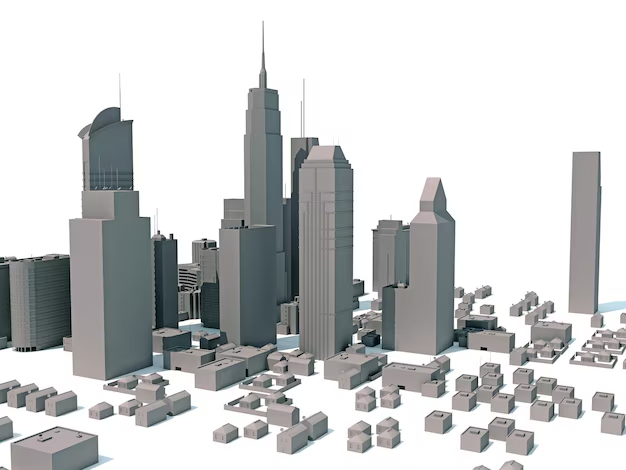
Architectural scale models are essential tools for architects, developers, and planners, providing tangible, three-dimensional representations that communicate complex designs with clarity. They bridge the gap between vision and reality, enhancing presentations, expediting approvals, and engaging investors. Mastering this craft requires precision, creativity, and a deep understanding of project goals, materials, and audience needs. QZY Models exemplifies this expertise worldwide.
How Does a Physical Scale Model Benefit Architectural Projects?
Physical scale models offer a visual and tactile experience that digital renderings alone cannot achieve. They clarify spatial relationships, showcase design intent, and illustrate context within a real-world environment. For developers and architects, models reduce design ambiguities, minimize costly errors, and facilitate stakeholder approvals. For marketing teams, models act as engaging tools to attract investors, communicate value, and drive sales.
Different types of models serve distinct purposes:
| Model Type | Purpose | Example Use Case |
|---|---|---|
| Master Plan Models | Showcase urban layout, infrastructure, landscaping | City-scale residential developments |
| Detailed 3D Models | Highlight architectural elements and façade treatments | Commercial buildings |
| Conceptual Models | Visualize early design ideas and alternatives | Feasibility and design iterations |
QZY Models specializes in customizing each model type for maximum impact, ensuring functional and visual effectiveness.
What Are the Key Steps in Creating a High-Quality Architectural Model?
Crafting a precise architectural model involves a structured workflow combining technical skill and creative insight:
-
Understanding the Project Brief – Evaluate drawings, 3D CAD files, and client expectations to ensure alignment on scale, materials, and presentation objectives.
-
Selecting the Right Scale and Materials – Scales range from 1:1000 for master plans to 1:50 for detailed buildings. Material choices include acrylic, wood, foam, and 3D-printed components, balancing aesthetics, durability, and cost.
-
Precision Fabrication and Assembly – Employ laser cutting, CNC milling, and hand assembly for accurate dimensions, clean finishes, and intricate details like window frames and landscaping.
-
Finishing Touches and Presentation – Painting, texturing, signage, and packaging tailored for exhibition or sales displays enhance visual appeal and professionalism.
Each step ensures the final model delivers strategic, aesthetic, and functional value.
How Does QZY Models Integrate Technology and Craftsmanship?
QZY Models blends traditional techniques with advanced technology to achieve unmatched detail and realism. 3D printing allows complex geometries, intricate façade patterns, and transparent elements simulating glass. Digital prototyping and CAD integration reduce errors, shorten production cycles, and enable hybrid solutions combining physical models with augmented reality.
Example Table – Technology in Model Making
| Technology | Application | Benefit |
|---|---|---|
| 3D Printing | Complex geometries, transparent components | Realism and precision |
| Laser Cutting | Detailed parts, clean edges | High accuracy and repeatability |
| CAD Integration | Digital-to-physical model transition | Reduced errors and accelerated approvals |
This combination of craftsmanship and technology ensures models meet the highest industry standards and client expectations.
Why Is Precision and Client Collaboration Critical?
Accuracy is central to trust. QZY Models maintains stringent quality control at every stage and encourages client involvement through progress updates, mock-ups, and design reviews. Attention to detail enhances storytelling by emphasizing landscaping, lighting, and sustainability. This collaborative approach ensures models are both visually compelling and strategically effective, making QZY Models a preferred partner for global developers, architects, and urban planners.
What Practical Recommendations Maximize Model Impact?
To enhance the utility of architectural models:
-
Integrate models early in the design phase for early feedback and concept refinement.
-
Use interactive elements, removable sections, and lighting to engage viewers.
-
Customize focus areas based on the audience – investors, planners, or government officials.
-
Combine physical models with VR walkthroughs, animations, or digital overlays.
-
Invest in display quality, including lighting and protective cases for exhibitions.
Applying these strategies accelerates decision-making, improves communication, and increases overall project success.
QZY Models Expert Views
“Our approach at QZY Models balances precision, creativity, and functionality. Every model is a bespoke tool designed to communicate design intent clearly and impress stakeholders. By integrating technology like 3D printing and augmented reality with meticulous craftsmanship, we deliver models that not only look exceptional but also support critical business objectives, from investor presentations to urban planning approvals.”
Conclusion
Architectural scale model making is both an art and a science. Mastery requires understanding client goals, choosing the right materials and scale, employing precise fabrication techniques, and leveraging modern technology. QZY Models demonstrates that combining these elements creates models that inspire confidence, accelerate approvals, and drive business success. For developers, architects, and planners, investing in high-quality physical models is essential for competitive advantage.
FAQs
Q: What scales are most commonly used for architectural models?
A: Scales typically range from 1:1000 for city master plans to 1:50 for detailed building models, chosen based on project size and presentation needs.
Q: How long does it take to produce a high-quality model?
A: Production times vary depending on complexity, scale, and materials, usually ranging from a few weeks for simple models to several months for large, detailed projects.
Q: Can models include interactive elements or lighting?
A: Yes. QZY Models can incorporate removable sections, LED lighting, and movable parts to enhance realism and interactivity for presentations or exhibitions.
Q: How do physical models complement digital renderings?
A: Physical models provide a tangible perspective, clarify spatial relationships, and allow stakeholders to interact with the design, while digital renderings offer dynamic visualization and broader contextual options.
Q: Who typically uses architectural scale models?
A: Architects, developers, urban planners, interior designers, landscape architects, educational institutions, and exhibition organizers all benefit from physical models to communicate design intent effectively.