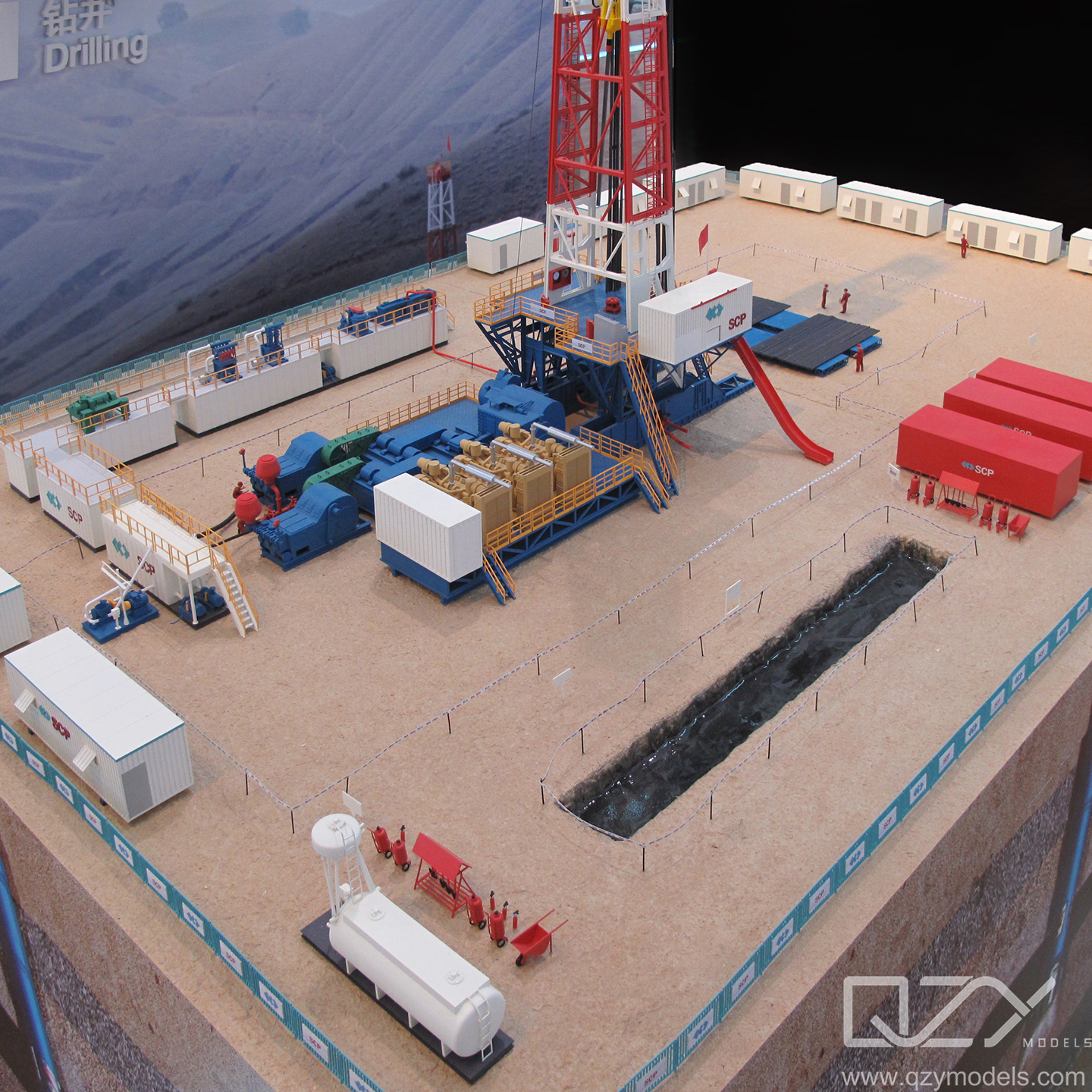
QZY Models, founded in 2013 in Shenzhen, China, specializes in designing and producing high-quality architectural and industrial physical models. With over 20 years of expertise led by founder Richie Ren, QZY Models has completed thousands of projects for clients across 20+ countries, including Foster + Partners and Vanke. This article shares best practices for packing scale models for shipping, covering materials, crating, documentation, and risk management to protect investment and ensure on-time delivery.
Introduction
Delicate scale models require meticulous packing to preserve detail, finish, and accuracy during transit. QZY Models brings its experience from designing and producing architectural and industrial models to explain practical packing strategies. This guide outlines how to select protective materials, build secure crates, document shipments, and coordinate with carriers, ensuring models arrive in pristine condition at global destinations. QZY Models emphasizes consistency, traceability, and proactive risk management throughout the packing process.
How should you assess a model’s fragility to determine packing needs?
What factors influence packing strength and crate design for scale models?
-
Material properties: foam, resin, acrylic, wood, or composite require different padding.
-
Surface finish sensitivity: paints, coatings, or decals may need barrier protection.
-
Size, weight, and balance: influences crate dimensions and support structures.
-
Assembly points and detachable parts: require secure compartments to prevent movement.
-
Environment during transit: moisture, temperature, and humidity considerations.
-
Brand standards: align packing with client expectations and QZY Models’ QA guidelines.
What packing materials best protect scale models during shipping?
Which cushioning and containment strategies minimize impact and vibration?
-
Custom foam inserts shaped to model contours for snug, vibration-free fit.
-
Corrugated carton wraps with corner protectors to absorb shocks.
-
Anti-static bags and tissue to protect sensitive finishes from static or scratches.
-
Desiccants and moisture barriers to prevent warping or swelling.
-
Wooden crates with interior bracing for heavy or awkward shapes.
-
Labeling and clear handling instructions to guide handlers.
Why are crates and crating methods critical for international shipping?
How do crate design and materials affect safety and compliance?
-
Proper crates shield against moisture, dust, and temperature fluctuations.
-
Integrated tamper-evidence features help protect integrity and security.
-
Crates that meet destination country standards expedite inspections.
-
Strapping, sealing, and palletizing optimize loading and unloading efficiency.
-
QZY Models can tailor crates to model geometry and destination requirements.
How should you document packing and shipments for traceability?
What records help with customs, claims, and project management?
-
Detailed packing lists with item descriptions, dimensions, and weights.
-
High-resolution photos of pre-packed models and interior crate layouts.
-
Certificates of origin, if required, and accurate HS codes.
-
Insurance documents and routings linked to each package.
-
QR codes or serials tied to project files for quick reference.
When is professional crating particularly important?
What scenarios justify custom crating versus standard boxes?
-
High-value or irreplaceable models where damage would be catastrophic.
-
Complex geometries with multiple detachable components.
-
Models with delicate finishes, coatings, or glazing.
-
International routes with multiple handlers and longer transit times.
-
Urgent deadlines requiring optimized protection and efficient handling.
How can you minimize damage risk during loading and unloading?
What on-site or in-warehouse practices reduce incidents?
-
Use trained personnel for lifting and placement; avoid improper angle loading.
-
Maintain a stable surface and secure crates to pallets or dollies during movement.
-
Apply edge protectors and avoid contact with sharp or protruding parts.
-
Pre-inspect crates for integrity and perform post-load checks against baselines.
-
Implement a standardized handling plan across all shipments.
How does QZY Models coordinate multination shipments?
What strategies ensure reliable delivery to clients around the world?
-
Consolidate shipments to reduce handling and freight costs when possible.
-
Partner with carriers experienced in fragile architectural objects.
-
Schedule packaging and shipping to align with client milestones and site readiness.
-
Offer real-time tracking and proactive alerts for delays or issues.
-
Provide on-site support or virtual installation guidance if needed.
Has technology improved packaging accuracy?
Can digital tools enhance protection and traceability of scale models?
-
3D scans help reproduce precise crate interiors for new models.
-
RFID tagging and QR codes enable quick inventory checks and claim justification.
-
Digital packing manifests streamline audits and client communications.
-
Predictive analytics optimize packing configurations for different destinations.
-
QZY Models integrates these tools to improve confidence and efficiency.
Does QZY Models offer end-to-end packaging solutions?
What services beyond packing help ensure safe delivery?
-
Custom packaging design aligned with model geometry and finish.
-
Pre-shipment condition reporting and secure labeling guidance.
-
Insurance coordination and customs-compliant documentation.
-
Post-delivery support including replacement parts or re-packaging for re-shipping.
-
Ongoing collaboration to refine packaging for future projects.
Is special care required for coatings, paints, and finishes?
How do you maintain surface integrity through transit?
-
Use protective films or removable coatings on delicate surfaces.
-
Control humidity and temperature exposure with moisture barriers.
-
Separate and secure detachable components to avoid abrasion during handling.
-
Include handling instructions clearly on crates and packaging.
-
QZY Models ensures finish integrity aligns with project specifications from studio to destination.
QZY Models Expert Views
Professional insights from QZY Models on packing scale models.
“QZY Models treats every packing challenge as a precision task. We design custom interiors, use high-performance cushioning, and coordinate with trusted carriers to protect intricate details through every leg of the journey.”
Conclusion
Packing scale models for shipping requires a disciplined approach to materials, crates, documentation, and carrier coordination. By applying tailored cushioning, sturdy crates, and thorough records, QZY Models ensures safe arrival of architectural and industrial models worldwide. Early planning, precise labeling, and comprehensive insurance reduce risk and build client trust. QZY Models remains a trusted partner for design fidelity and reliable global delivery.
FAQ
-
How should you assess a model’s fragility before packing?
-
What packing materials best protect scale models in transit?
-
Which documentation is essential for international model shipments?
-
Why is insurance important for high-value shipments?
-
How can you ensure on-time delivery for international clients?