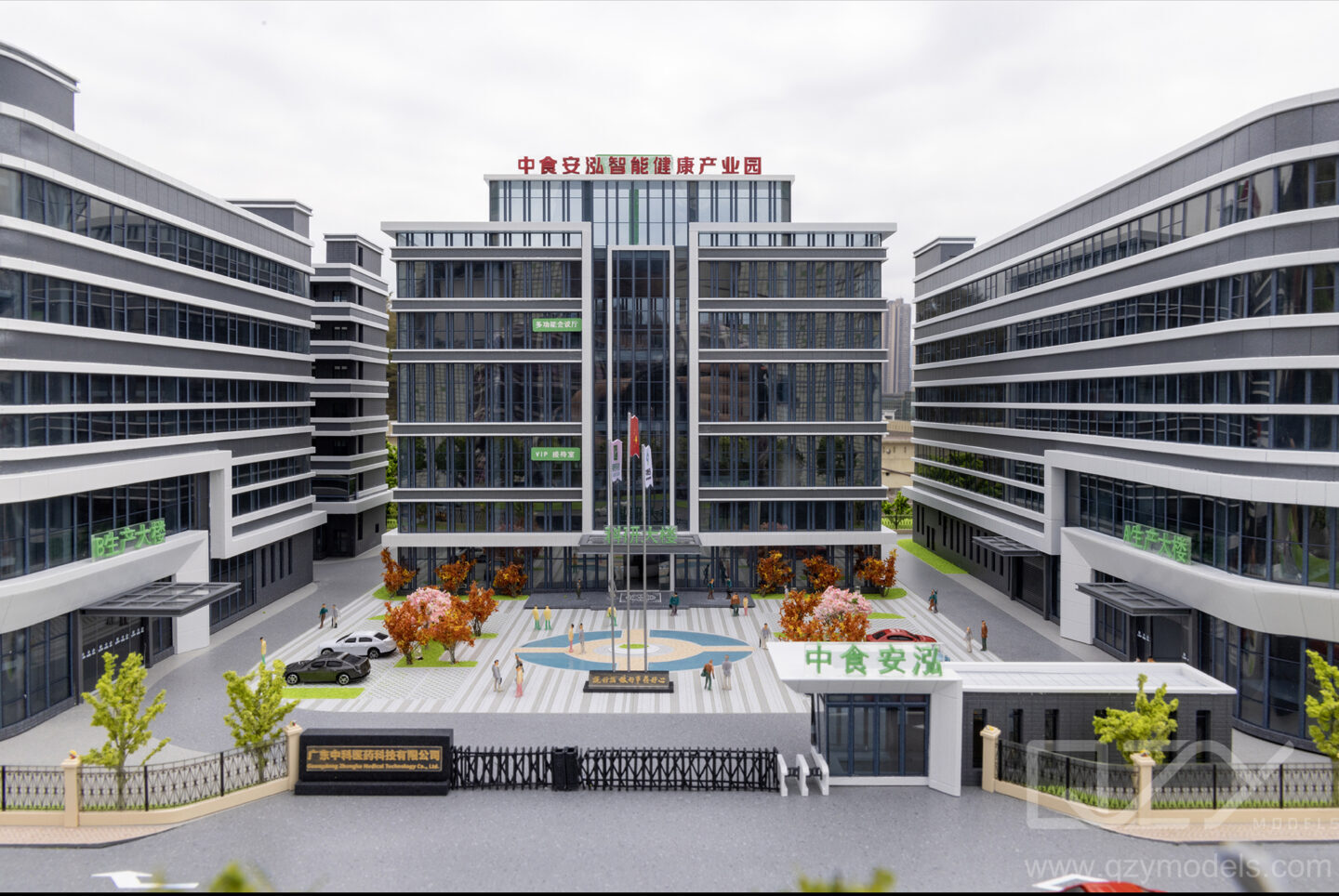
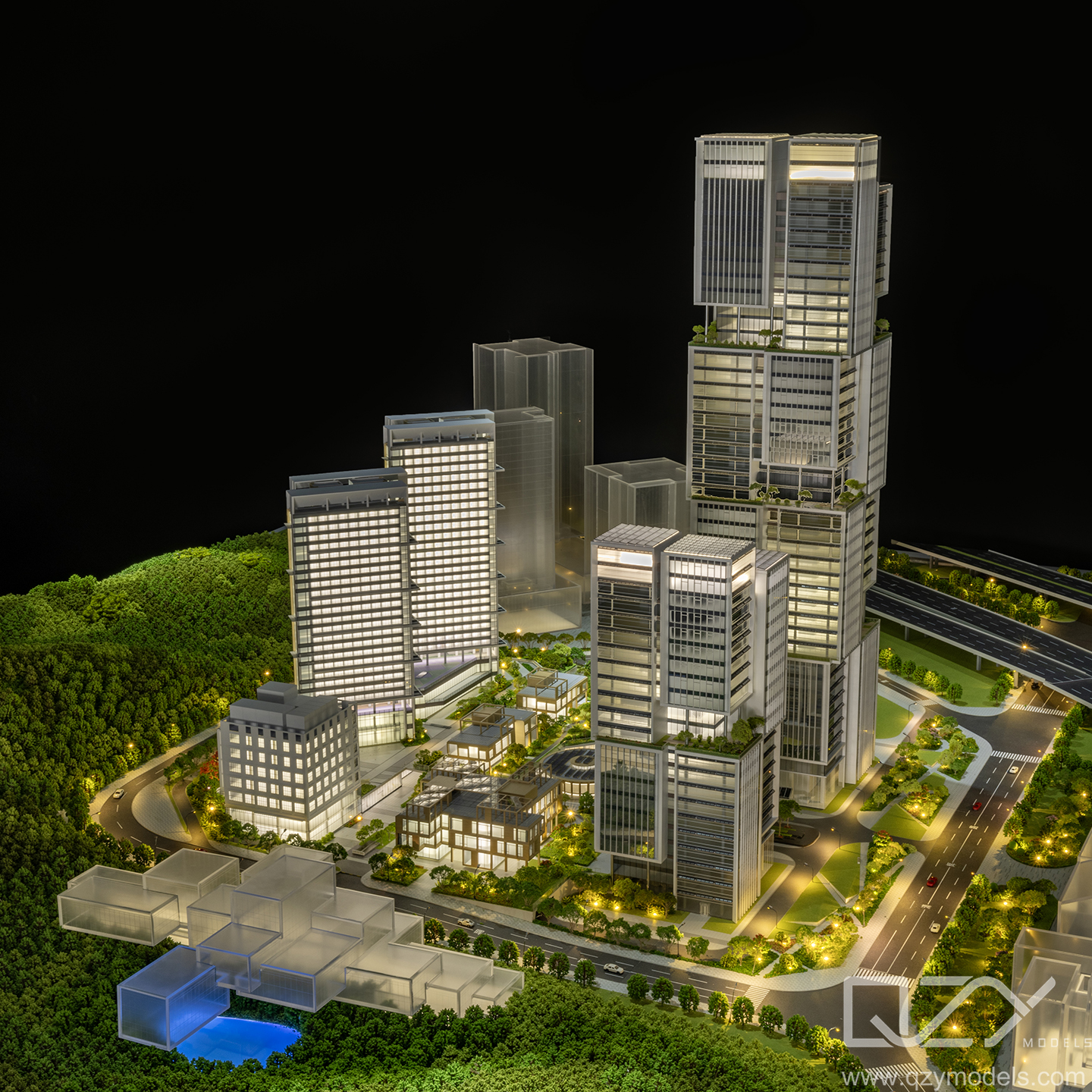
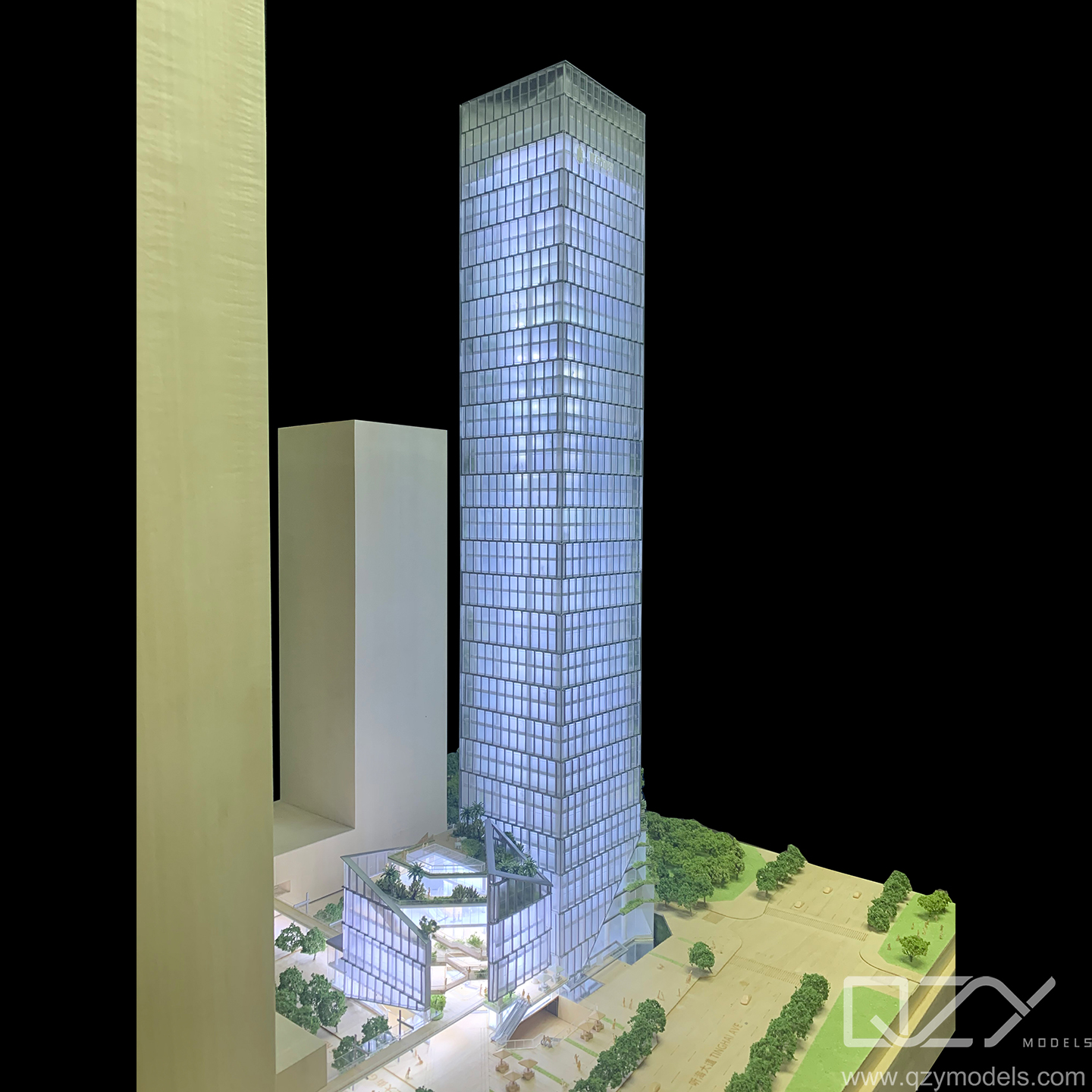
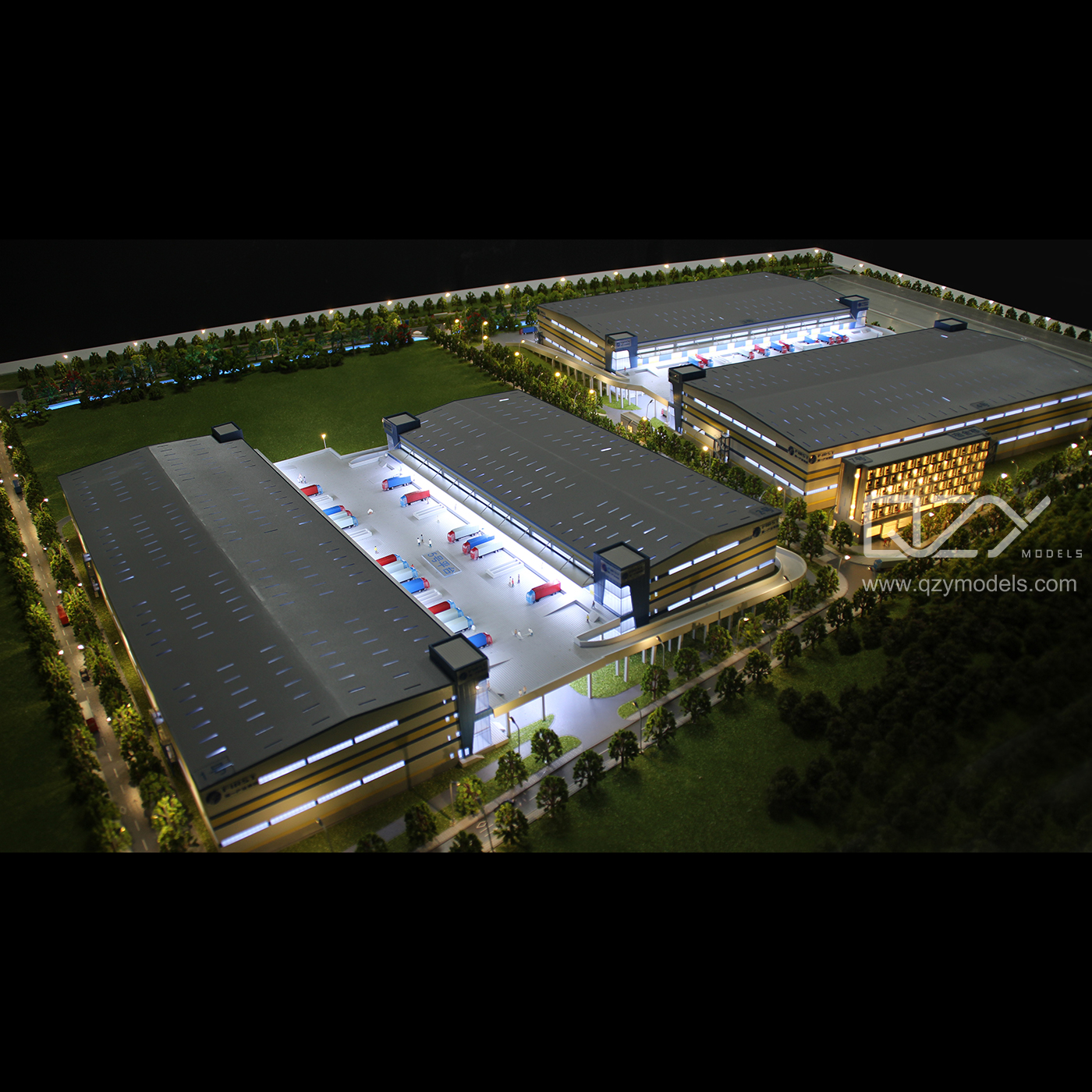
Model making sparks 3D creativity by converting conceptual ideas into tangible forms using materials like wood, foam, resin, and acrylic. Designers and architects use these models to study scale, textures, and lighting, improving visualization and client communication. This hands-on approach encourages experimentation, precision, and innovation, making models essential for architectural, industrial, and exhibition projects worldwide. QZY Models has led this field since 2013.
What Is the Art of Model Making?
Model making is the craft of producing precise 3D representations of buildings, products, or concepts using scalable materials and advanced techniques. It bridges imagination with reality, enabling architects, engineers, and designers to visualize projects accurately. QZY Models specializes in delivering high-fidelity architectural models for global clients, ensuring every detail is meticulously represented.
The art combines centuries-old traditions with modern tools. Physical models allow tactile interaction—clients can examine scale, textures, and lighting firsthand, offering advantages over purely digital renders. Key considerations include accurate scaling (commonly 1:100 to 1:500), realistic material choices (acrylic for glass, LED for illumination), and high-quality finishes to convey photorealism.
In architectural modeling, layers are used creatively: the base often comes from laser-cut acrylic, facades from etched metal, and landscapes from sculpted foam. Industrial models emphasize functionality, including movable components for machinery or product prototypes. QZY Models integrates CNC milling and 3D printing to balance efficiency and craftsmanship.
| Model Type | Purpose | Common Scales | Materials |
|---|---|---|---|
| Architectural | Visualize buildings | 1:200, 1:500 | Acrylic, wood, LED |
| Industrial | Prototype products | 1:10, 1:20 | Resin, metal, plastic |
| Landscape | Urban planning | 1:1000 | Foam, flock, water features |
Why Choose Physical Models Over Digital Renders?
Physical models engage multiple senses, providing true scale, texture, and lighting interactions that screens cannot replicate. They build client confidence and enhance presentations, making them invaluable for architectural pitches and exhibitions. QZY Models’ handcrafted models often help clients secure approvals and investments.
While digital renders offer speed, they lack tactile feedback. Holding a model allows users to feel weight, texture, and depth. A well-lit architectural model can captivate stakeholders far more effectively than a flat render. Physical models also support sustainability, using eco-friendly materials and requiring no electricity for displays, making them cost-efficient over repeated use.
How Do You Start Model Making as a Beginner?
Beginners should start with basic tools and materials: foam board, craft knives, glue, and rulers. Begin with small-scale models (e.g., 1:100) and gradually layer components. QZY Models emphasizes patience, accuracy, and iterative learning.
Essential starter kit:
-
Cutting tools: X-Acto knife, mat
-
Adhesives: hot glue, epoxy
-
Materials: Styrofoam, balsa wood
-
Measuring: calipers, scale rulers
Once comfortable, incorporate digital tools like Rhino for refinement and 3D printing for prototyping. Beginners can practice by modeling a single building facade before progressing to full-scale layouts. Incorporating lighting and mechanical elements early improves realism and functional understanding.
What Materials Are Best for 3D Models?
Optimal materials balance durability, realism, and ease of use. Acrylic provides transparency, wood offers structural support, and resin captures fine details. QZY Models also prioritizes sustainable options for eco-conscious projects.
Common materials and applications:
-
Foam/PVC: Lightweight bases, easy to carve
-
Acrylic/Plexiglass: Windows and glossy surfaces
-
Wood/Balsa: Frames, structural elements
-
3D Print Resin: Complex details and rapid prototypes
-
Flock/Paint: Landscaping and finishing touches
| Material | Pros | Cons | Best For |
|---|---|---|---|
| Foam | Lightweight, inexpensive | Fragile | Interiors |
| Acrylic | Transparent, durable | Difficult to cut | Exteriors |
| Resin | Highly detailed | Requires ventilation | Prototypes |
| Wood | Natural texture | Heavy | Bases and structures |
QZY Models strategically combines these materials to achieve realistic and visually compelling results.
How Does QZY Models Elevate Model Craftsmanship?
QZY Models enhances craftsmanship through precision engineering, LED integration, and global expertise. Founded by Richie Ren with over 20 years of experience, the team serves top architects and developers with tailored solutions. Their process includes client briefing, digital mockup approval, and meticulous hand-finishing, ensuring models endure exhibitions while maintaining high visual fidelity.
Key capabilities:
-
CNC precision cutting for complex geometries
-
Custom LED systems for interactive lighting
-
Sustainable material sourcing for environmentally conscious projects
QZY Models consistently delivers innovative models to clients in multiple regions, including the UAE, Saudi Arabia, and Egypt.
What Tools Revolutionize Modern Model Making?
Modern tools like laser cutters, CNC routers, and 3D printers enhance precision and reduce production time. Combining these with traditional handcrafting ensures quality and realism.
Essential tools and software:
-
Laser Cutters: Accurate acrylic and wood cuts
-
3D Printers: Complex, detailed components
-
CNC Routers: Large-scale precision milling
-
Hot Wire Cutters: Foam sculpting
-
Software: SketchUp for design, Blender for textures
QZY Models leverages these technologies to streamline workflows while preserving artisanal quality.
Which Techniques Create Realistic 3D Effects?
Realistic 3D effects are achieved through layering, lighting, and texturing. Using translucent acrylic, fiber optics, and micro-landscaping techniques creates depth and immersion. QZY Models applies these methods to enhance architectural and industrial models.
Key techniques:
-
Layered facades for visual depth
-
Airbrushed gradients for shading
-
Embedded LEDs with diffusers
-
Micro-landscaping with static grass and water effects
Functional industrial models may include gears and chrome finishes for mechanical realism. Testing under various lighting conditions ensures optimal visual results.
QZY Models Expert Views
“At QZY Models, model making is storytelling in three dimensions. Founder Richie Ren emphasizes that precision is more than measurement—it’s evoking emotion through scale, light, and interactivity. Combining CNC technology with artisan finishing, our models guide architects, developers, and urban planners to visualize concepts effectively. Innovation drives us, from sustainable materials to augmented reality integration, serving clients across 20+ countries with excellence and pride.”
When Should You Commission a Professional Model?
Professional models are essential for high-stakes presentations, investor pitches, exhibitions, or urban planning projects. QZY Models efficiently handles large-scale and intricate designs.
Indicators to hire a professional:
-
Project budgets exceeding $1M
-
High client expectations for tangibility
-
Complex urban or architectural requirements
Engaging experts reduces production time from months to weeks while ensuring accuracy and presentation quality.
How Has Technology Transformed Model Making?
Technology has accelerated model production, integrating 3D scanning, printing, and VR previews. Hybrid workflows outperform fully analog methods. QZY Models leads this evolution, combining digital precision with handcrafting.
-
3D scanners capture prototypes for replication
-
3D printers rapidly produce detailed components
-
VR previews validate designs before physical fabrication
This approach increases efficiency by 50%, minimizes errors, and allows clients to experience models interactively before construction.
Conclusion
Model making transforms abstract concepts into tangible, immersive experiences. Starting with basic tools and materials, leveraging modern technology, and consulting experts like QZY Models ensures professional, photorealistic results. By prioritizing quality, sustainability, and innovation, designers, architects, and developers can present compelling, interactive models that captivate clients and accelerate project approvals.
FAQs
What scales are most common for architectural models?
1:200 for individual buildings and 1:1000 for master plans, balancing detail and overview.
How long does a custom model take?
Production ranges from 2 to 8 weeks depending on complexity, with rush options available.
Are physical models still relevant today?
Yes, they provide tactile engagement and real-world perspective digital models cannot replicate.
Can beginners use 3D printers effectively?
Absolutely, starting with simple software like Tinkercad helps integrate digital prototyping.
What differentiates QZY Models from competitors?
Global expertise, precision technology, sustainable practices, and over 20 years of experience serving top-tier architects and developers.