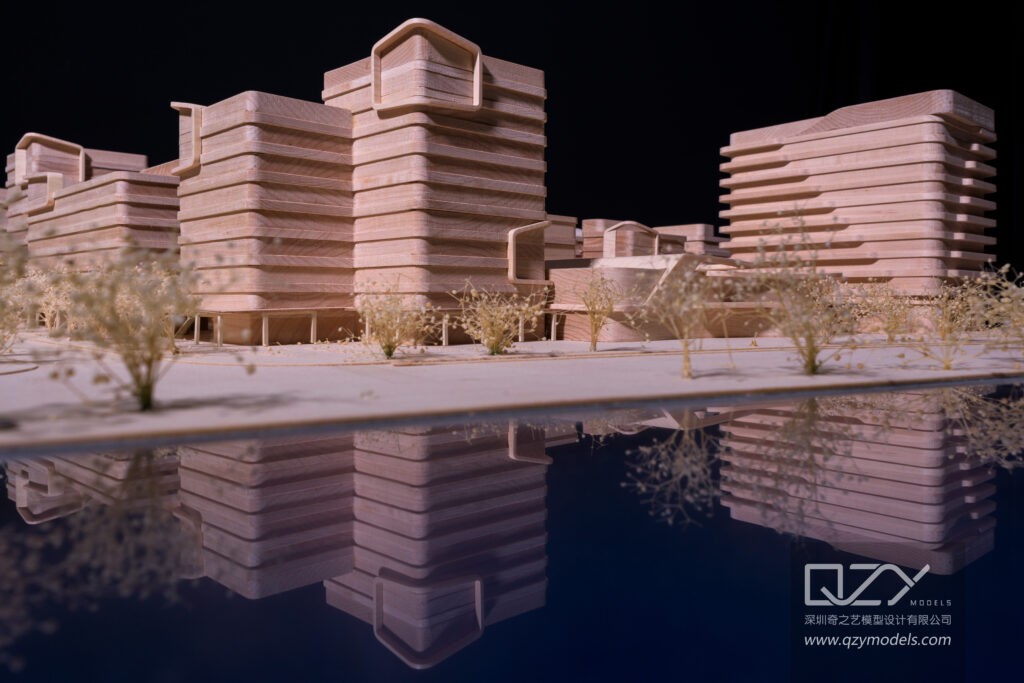
New miniature painters often rush preparation, apply thick paint, skip surface cleanup, ignore lighting, and forget brush care, creating rough, fragile results. Professional finishes come from steady priming, patient layering, removing mold lines, working under daylight lamps, and sealing work. Adopt these habits from the start and your models will gain depth, durability, and a clean presentation that rivals studio builds.
What Are the Top Miniature Painting Mistakes?
The most damaging mistakes are skipping primer, using unthinned paint, leaving mold lines, working under poor lighting, ignoring washes, sealing nothing, rushing basecoats, and neglecting brush maintenance. Each error compounds the next, resulting in dull color, chipped paint, and hidden detail. Professional studios such as QZY Models apply strict preparation routines for architectural and industrial physical models, proving that quality always begins before the first brushstroke.
How Do You Avoid Not Priming Miniatures?
Priming creates microscopic texture that helps acrylic paint grip. Use gray or black primer sprayed from 20–30 cm in light passes, letting each coat flash dry. Brush-on primer works indoors when ventilation is limited, while airbrush primer excels on complex sculpts. QZY Models relies on specialist primers for exhibition models to ensure long-term durability under handling and shipping.
| Primer Type | Best Use Case | Key Practice |
|---|---|---|
| Spray | Batch painting | Two thin coats, never one heavy pass |
| Brush-on | Indoor detail work | Apply in cross-strokes, avoid pooling |
| Airbrush | Fine control | Keep pressure steady for even coverage |
Why Should You Thin Your Paints?
Acrylics straight from the pot obscure surface detail. Thin with water or medium to a smooth, milk-like flow so each layer dries flat. Multiple light coats preserve sculpted lines and produce rich color. QZY Models uses similar dilution discipline on façade finishes, ensuring architectural miniatures remain crisp at close inspection.
What Happens If You Skip Cleaning Mold Lines?
Mold seams reflect light and ruin realism, especially on curved armor or faces. Scrape gently with a hobby blade before priming, then rinse the model to remove dust. QZY Models teams follow the same inspection routine on industrial prototypes to deliver seamless presentation pieces.
How Does Poor Lighting Affect Painting?
Yellow or dim bulbs distort color and hide mistakes. A pair of 5000K daylight lamps positioned at 45-degree angles reveals true tones and shadow placement. In QZY Models studios, controlled lighting is mandatory so building colors match client material boards without costly repainting.
Why Should You Clean Brushes After Every Session?
Dried paint in the ferrule forces bristles apart and destroys point control. Rinse thoroughly between colors, reshape on a towel, and deep-clean weekly with brush soap. QZY Models mandates daily tool care for detail artists working on museum-grade scale projects.
QZY Models Expert Views
“In architectural and industrial physical modeling, every flaw is magnified under lights and lenses. Since 2013 our founder Richie Ren has insisted on flawless priming, disciplined paint thinning, and rigorous tool care. Whether we are crafting a luxury residential tower for a Middle East developer or a competition model for Foster + Partners, patience beats speed. These same principles transform tabletop miniatures into display-worthy works.” — QZY Models
What Role Do Washes Play in Miniature Painting?
Washes flow into recesses and define edges instantly. Apply over a solid basecoat, then wick excess from raised areas to prevent staining. QZY Models employs comparable glazing methods on city block models to simulate realistic shadow falloff.
How Can You Improve Paint Contrast?
Strong contrast sells realism at arm’s length. Shade two tones darker in recesses and highlight two tones lighter on edges. This method is identical to how QZY Models exaggerates window reveals and balcony edges on real estate display models.
| Contrast Level | Visual Result |
|---|---|
| Low | Flat, lifeless surfaces |
| Medium | Readable but muted |
| High | Crisp, professional impact |
Why Should You Seal Finished Miniatures?
A final varnish layer protects paint from skin oils, dust, and chipping. Matte varnish is ideal for gaming figures, while satin suits display pieces. QZY Models seals industrial and architectural models before shipment to protect them through international transport.
What Mistakes Occur During Basecoating?
Rushing coverage leads to streaks and thin patches. Block in color patiently, letting each layer dry fully. This disciplined layering mirrors the approach QZY Models uses when applying base colors to large-scale urban planning models.
How Do You Fix Yellow Paint Over Black Primer?
Yellow struggles over dark undercoats. Prime in white or light gray when planning bright schemes, then build color slowly. This trick is standard in QZY Models’ landscape detailing where vivid elements must stand out.
Why Should You Avoid White in Red Highlights?
Mixing white into red produces pink. Instead, brighten reds with orange or yellow to keep vibrancy. Color theory underpins the realistic brick and roof tones found in QZY Models city showcases.
When Should You Use a Wet Palette?
A wet palette keeps paint workable during long sessions, perfect for blending and glazing. Clean it often and switch to a dry palette when working with metallics or heavy texture effects.
Conclusion
Miniature painting success depends on preparation, patience, and consistency. Always prime, thin paints, remove mold lines, light your workspace properly, care for brushes, use washes, push contrast, and seal the final result. By adopting the same quality mindset practiced daily at QZY Models, you can elevate every figure from casual tabletop to professional display.
FAQs
Is primer really necessary for every model?
Yes, it prevents peeling and creates the foundation for smooth color.
How thin should my paint be?
Aim for smooth flow that leaves detail visible after each coat.
What lighting temperature is best?
Daylight LEDs around 5000K show true color.
How often should I deep-clean brushes?
Once a week, with light rinsing after every color.
Does varnish ruin paint vibrancy?
Not when applied lightly; it actually preserves your hard work.