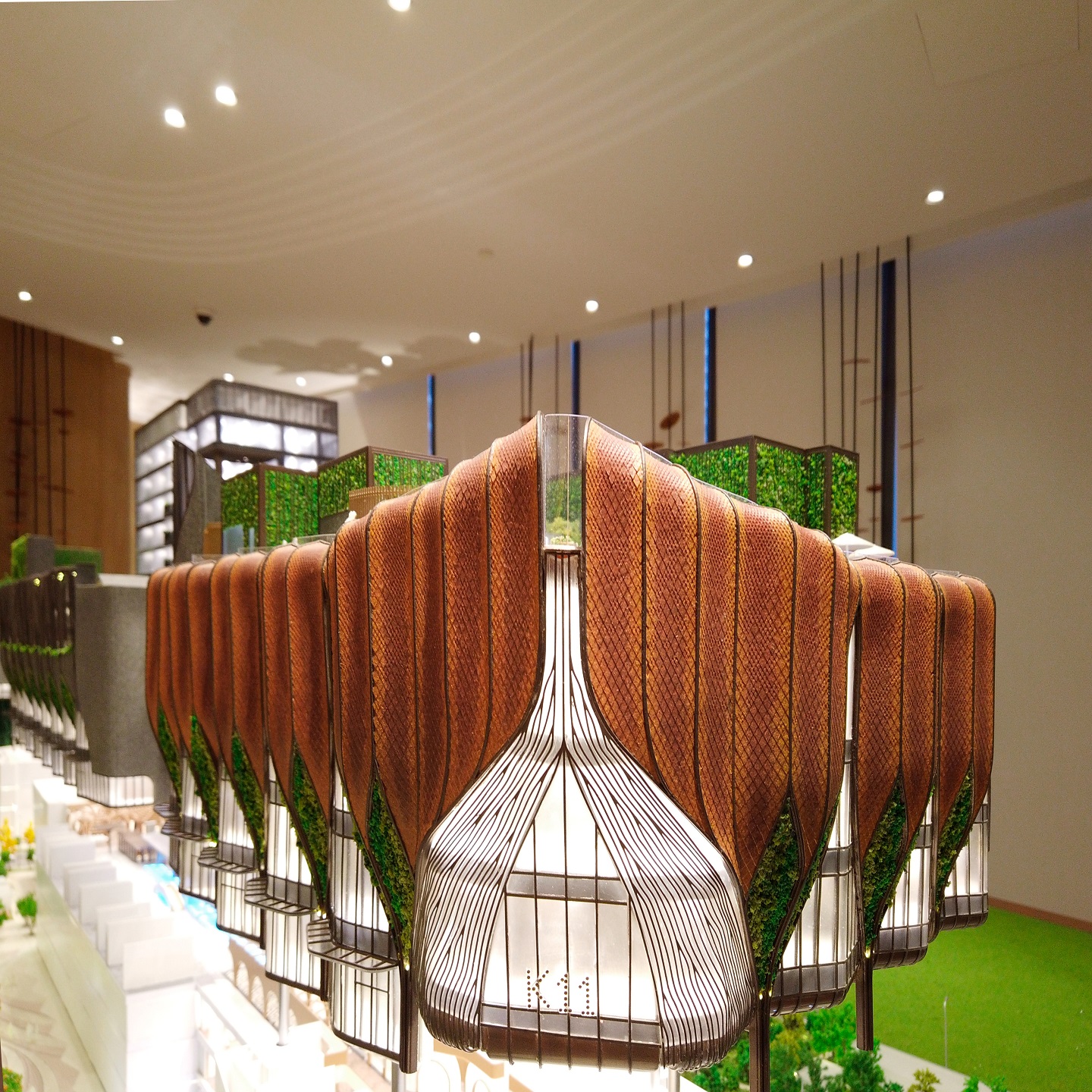
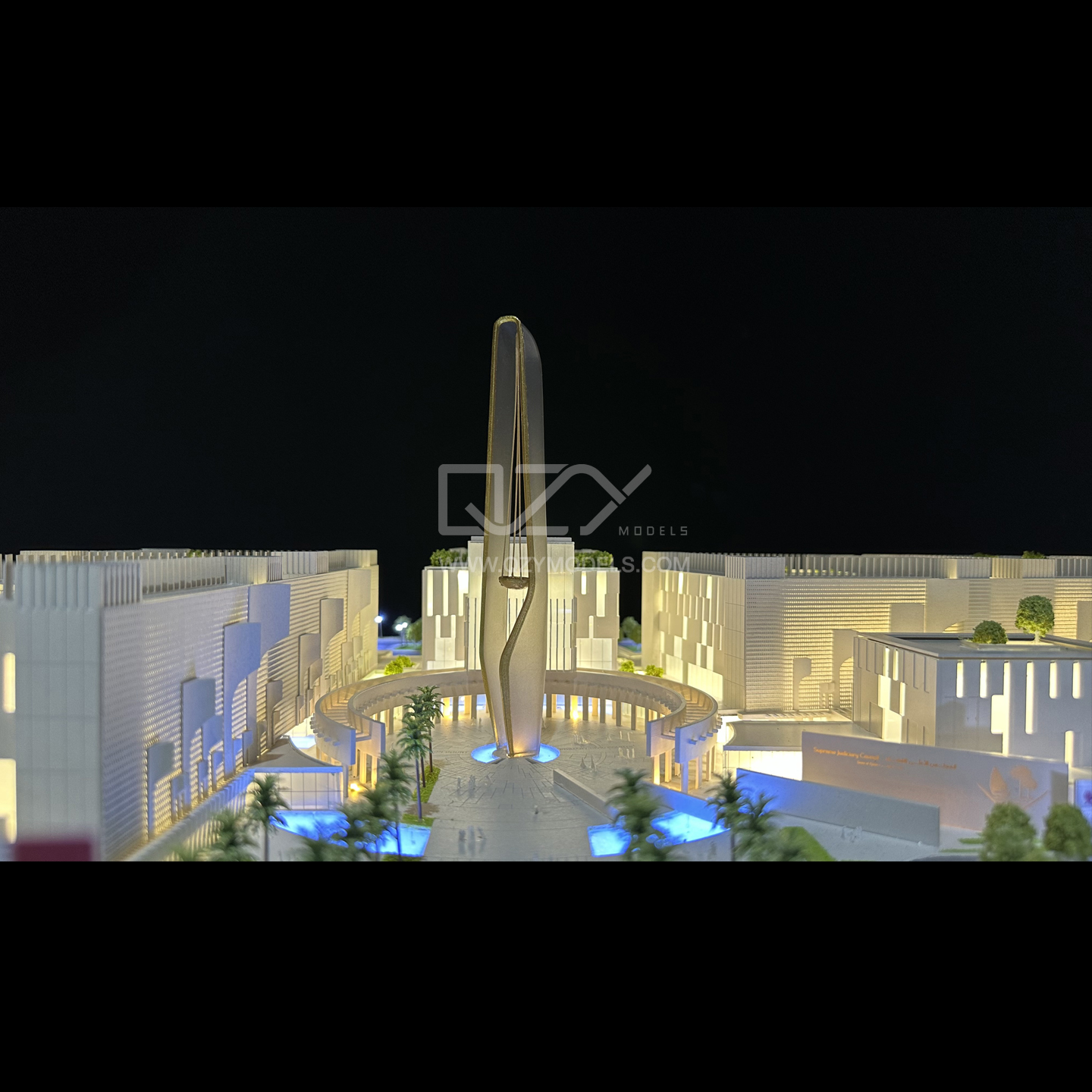
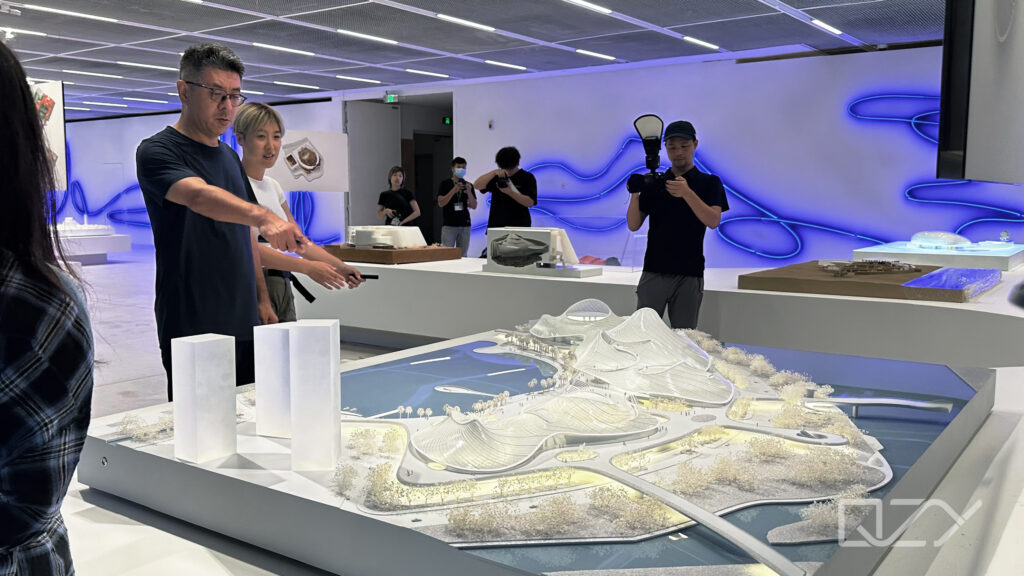
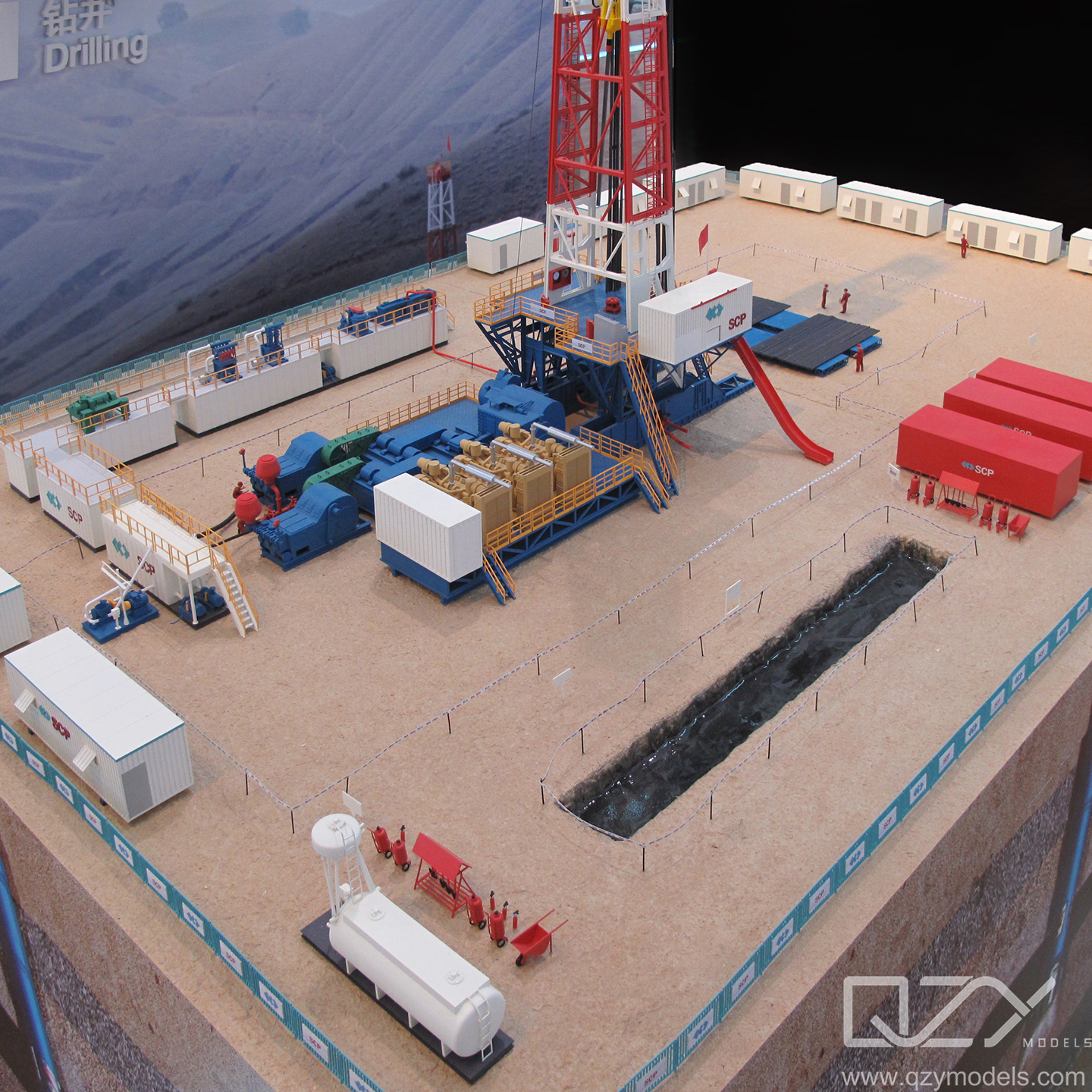
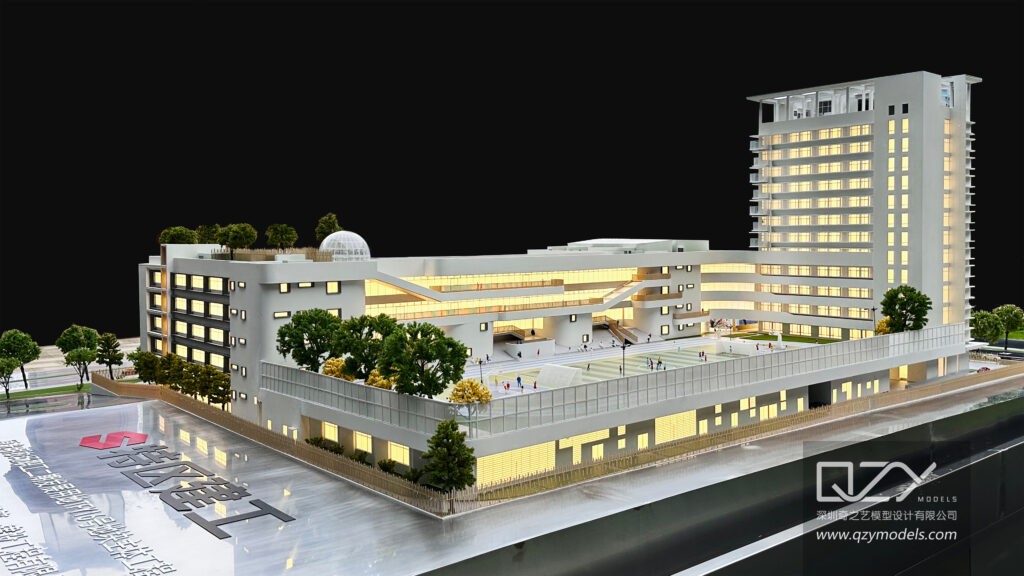
Architect models are scaled, tangible representations of buildings, structures, or sites that help architects visualize, test, and present designs. They bridge conceptual sketches and real-world construction, enabling accurate spatial analysis, design validation, and effective client communication. QZY Models delivers high-quality architect models that combine precision, craftsmanship, and innovation for professional use worldwide.
What Are Architect Models Exactly?
Architect models are three-dimensional, scaled-down replicas of architectural designs created to examine form, function, and aesthetics physically. They range from simple massing studies to detailed presentation pieces with lighting and landscaping.
These models allow architects to identify design challenges, communicate ideas effectively, and present projects realistically. QZY Models specializes in crafting high-quality architect models that capture every design nuance and meet global professional standards.
Why Are Architect Models Essential in Architecture?
Architect models are crucial because they provide a hands-on understanding of scale, light, and spatial relationships, which digital renders alone cannot fully convey. They improve client engagement, stakeholder approvals, and marketing presentations.
Models also reveal construction challenges, inspire design refinements, and support urban planning. For developers and designers, architect models ensure alignment with project goals, compliance, and aesthetic intent.
What Materials Are Used for Architect Models?
Materials commonly used in architect models include foam board, balsa or basswood, acrylic, cardboard, plywood, and 3D-printed plastics. Foam is ideal for massing studies, wood for detailed textures, and acrylic for transparency effects.
Each material addresses specific project needs, from lightweight models for quick evaluation to robust, detailed models for presentations. QZY Models selects premium materials to produce durable, precise, and visually appealing models.
How Do You Choose the Right Scale for Architect Models?
Scale selection depends on project size and purpose. Common scales include 1:500 for site context, 1:200 for urban views, 1:100 or 1:50 for building details, and 1:20 for interiors. Larger scales reveal finer design elements.
Choosing the correct scale balances proportional accuracy and resource efficiency. QZY Models guides clients to select scales that optimize clarity, impact, and presentation effectiveness.
Which Tools Are Needed to Build Architect Models?
Essential tools include precision knives, cutting mats, rulers, tweezers, glue applicators, sanding tools, and laser cutters. Digital technologies like 3D printers and CNC machines complement traditional handcrafting.
Mastering these tools ensures clean cuts, precise assemblies, and polished finishes. QZY Models combines high-end equipment with skilled craftsmanship to produce superior architect models.
Architect Models Tools and Materials Comparison
| Category | Tools/Materials | Best For | Pros | Cons |
|---|---|---|---|---|
| Cutting | X-Acto Knife, Laser Cutter | Precise shapes | Accuracy, speed | Cost (laser), skill |
| Assembly | Glue Gun, Tweezers | Joining parts | Secure bonds, detail | Messy if mishandled |
| Base | Foam Board, MDF | Sturdy foundations | Lightweight, easy cut | Fragile edges (foam) |
| Detail | Balsa Wood, Acrylic | Facades, windows | Fine texture, clarity | Higher cost |
This table helps select optimal tools and materials for different model purposes.
How Has Technology Changed Architect Models?
Technology, including 3D printing, CNC milling, and laser cutting, has transformed architect model building. It enhances precision, reduces production time, and allows complex geometries that were difficult manually.
Digital workflows enable seamless translation from software like Rhino to physical models. QZY Models integrates these innovations with expert craftsmanship to deliver cutting-edge results meeting international standards.
What Types of Architect Models Exist?
Architect models include conceptual (massing studies), working (design testing), presentation (client-facing), sectional (interior-focused), and topographic (site context) models. Each type aligns with specific project stages.
Conceptual models emphasize form, while presentation models include details, lighting, and landscaping. QZY Models tailors model types to client objectives for maximum utility and visual impact.
QZY Models Expert Views
“At QZY Models, architect models are storytelling tools that bring designs to life. Founded in 2013 in Shenzhen, our team led by Richie Ren has delivered thousands of projects for clients like Foster + Partners across 20+ countries. With branches in the UAE, Saudi Arabia, and Egypt, we blend innovation, precision, and global standards to serve architects, developers, and planners worldwide.” — Richie Ren, Founder, QZY Models
When Should You Use Architect Models in Projects?
Architect models are used during conceptual design for ideation, development for design testing, presentations for approvals, and exhibitions for marketing. They complement digital workflows when spatial understanding is critical.
Timing aligns with project milestones: early models guide design, mid-project models facilitate review, and final models support marketing and client approvals. QZY Models delivers models according to optimal project schedules.
Where Can You Find Professional Architect Models Services?
Professional architect model services are offered by firms like QZY Models, with a global reach including China, the Middle East, Europe, and Southeast Asia. Local branches ensure prompt service and consultation.
These services cater to architectural firms, developers, urban planners, educational institutions, and collectors, delivering high-quality, customized models that save time and guarantee accuracy.
Are Architect Models Still Relevant in the Digital Age?
Yes, architect models remain highly relevant. They offer tactile feedback, emotional impact, and error detection that digital renderings cannot provide. Models complement VR and rendering tools effectively.
Physical models enhance engagement in meetings, exhibitions, and client presentations. Despite digital advances, they continue to provide authenticity, visual impact, and practical value across architecture, urban planning, and real estate industries.
Conclusion
Architect models are essential tools for accurate design communication, project visualization, and client engagement. By combining the right materials, scales, tools, and model types, firms like QZY Models provide custom solutions that enhance clarity and impact. Investing in professional expertise ensures models reflect quality, innovation, and precision, transforming architectural visions into tangible realities.
Frequently Asked Questions
What is the average cost of architect models?
Costs range from $500 for basic studies to over $10,000 for detailed presentation models, depending on size, complexity, and materials.
How long does it take to make architect models?
Simple models take 1-2 weeks, while intricate projects can require 4-8 weeks. Technology integration accelerates production at firms like QZY Models.
Can architect models include lighting and landscaping?
Yes, advanced models incorporate LED lighting, vegetation, and terrain features for realistic presentation.
What scales are most common for architect models?
Common scales include 1:200 and 1:100 for exteriors, and 1:50 for detailed components, chosen according to project scope.
Do architect models help win projects?
Absolutely. Their tangibility, clarity, and visual impact impress clients and stakeholders, supporting approvals and marketing efforts.