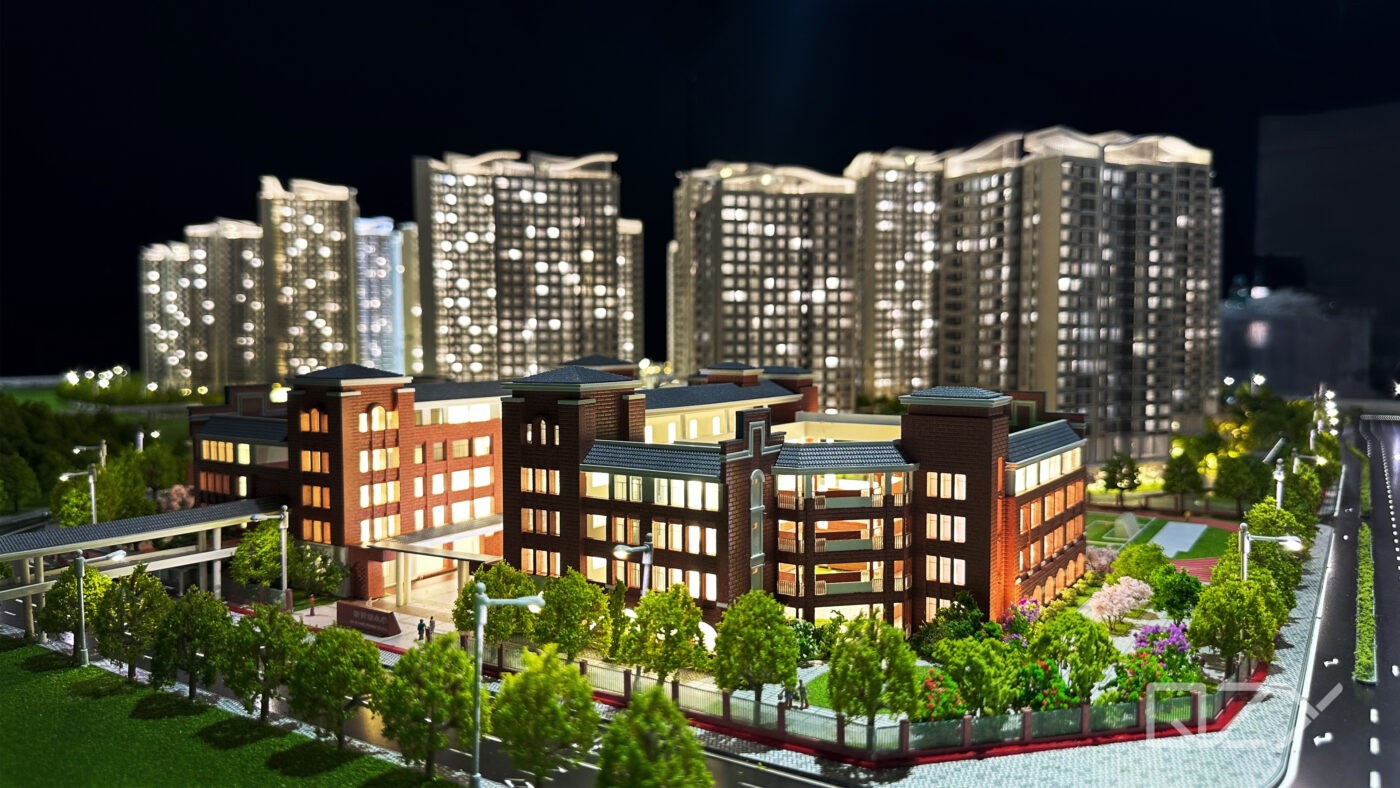
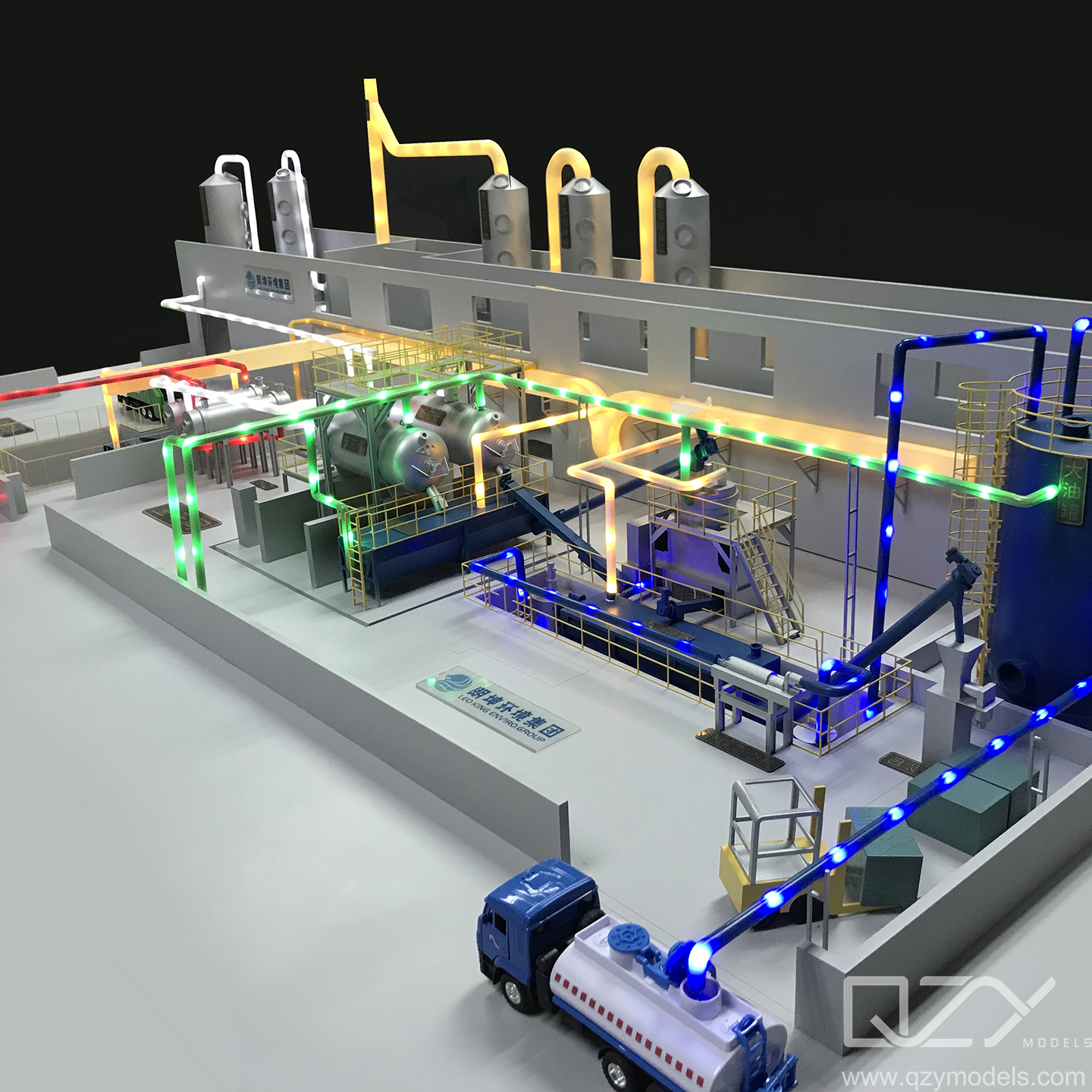
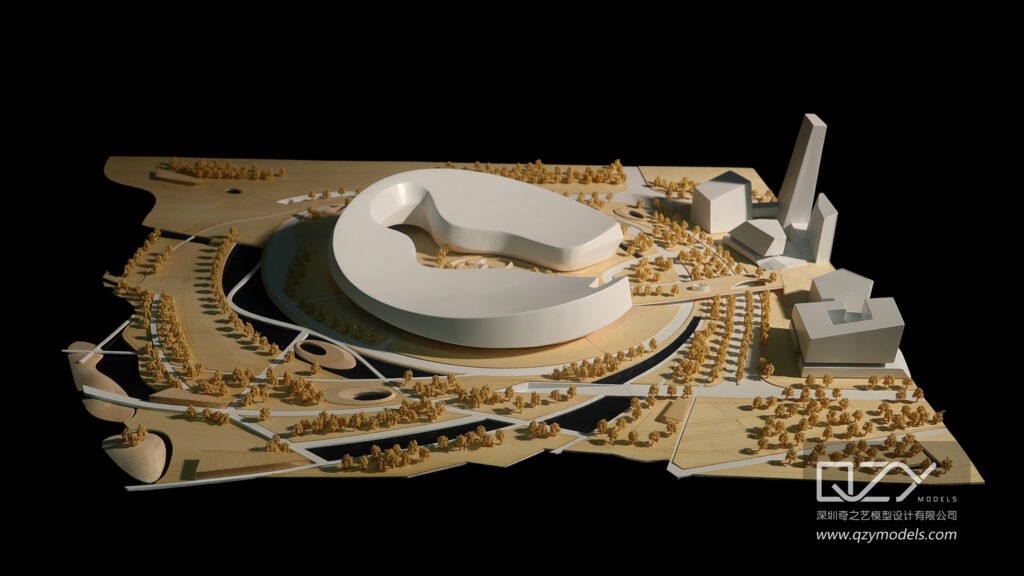
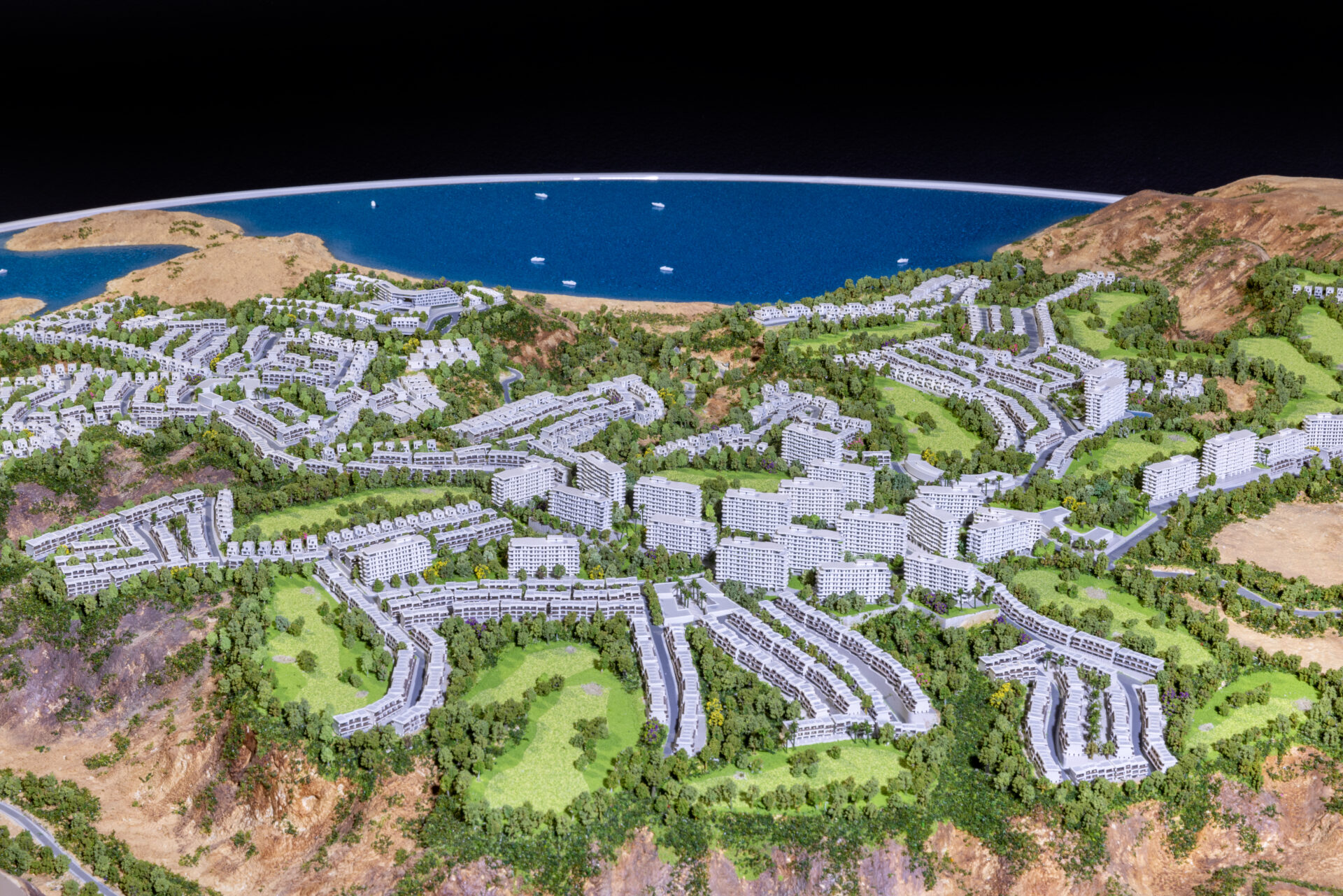
Architectural building models are physical or digital representations of construction projects that visualize design, structure, and spatial relationships. They help architects, developers, and clients evaluate proportions, materials, and aesthetics, enabling informed decision-making, improved communication, and persuasive presentations. By bridging abstract concepts with tangible forms, these models enhance project understanding and stakeholder engagement throughout the design and development process.
How Are Architectural Building Models Created?
Architectural building models are produced using a blend of digital design, precise fabrication, and artisanal assembly. Technologies such as CAD, CNC milling, laser cutting, and 3D printing translate architectural plans into scaled, tangible structures.
QZY Models follows a structured workflow:
-
Design Data Preparation: Analyze blueprints and 3D files.
-
Scaling and Material Selection: Determine size ratios and suitable materials.
-
Fabrication: Machine or print detailed components.
-
Assembly and Finishing: Hand-assemble, paint, and integrate lighting or landscaping.
-
Quality Control: Inspect for accuracy, durability, and visual fidelity.
This approach ensures models are both technically accurate and visually compelling.
What Types of Architectural Building Models Exist?
Architectural building models are designed according to their purpose—concept exploration, presentation, or urban planning:
| Model Type | Scale Range | Application | Description |
|---|---|---|---|
| Concept Model | 1:500 – 1:1000 | Idea development | Simplified, fast to produce |
| Presentation Model | 1:100 – 1:200 | Client presentations | High-detail, visually refined |
| Site Model | 1:500 – 1:1000 | Urban planning | Shows context and site relationships |
| Interior Model | 1:50 – 1:100 | Interior visualization | Clear room and layout representation |
| Industrial Model | Variable | Factories or machinery | Represents industrial spaces or equipment |
| Landscape Model | 1:200 – 1:1000 | Landscape design | Terrain, vegetation, and environment |
QZY Models delivers all these model types, tailoring materials, scale, and detailing to each project’s goals, from skyscrapers to masterplans.
Why Are Architectural Building Models Important in Modern Design?
Models translate abstract digital or paper designs into tangible experiences. They allow stakeholders to assess proportions, textures, and light flow, fostering better understanding and reducing miscommunication.
Physical models also enhance marketing, presentations, and education. Developers use them to attract investors, while educators illustrate complex spatial concepts. QZY Models emphasizes that combining visual clarity with tactile interaction strengthens engagement and supports critical decision-making.
Which Materials Are Commonly Used in Architectural Building Models?
Materials are selected for scale, durability, and aesthetic effect:
| Material | Benefit | Ideal Use |
|---|---|---|
| Acrylic | Lightweight and precise | Modern façades and transparent structures |
| Wood | Natural and versatile | Interiors and landscape features |
| Resin | Smooth and detailed | Facades, sculptures, and intricate detailing |
| Metal | Strong and premium | Industrial or high-end architectural elements |
| Foam Board | Affordable and quick | Conceptual or study models |
QZY Models combines high-grade and eco-friendly materials, balancing realism, durability, and sustainability.
Who Uses Architectural Building Models in Their Work?
Architectural building models serve diverse users:
-
Architects and designers for spatial verification
-
Developers and investors for marketing and approvals
-
Urban planners for city design and zoning evaluation
-
Educational institutions for teaching spatial concepts
-
Museums and exhibitions for display and storytelling
QZY Models has partnered with international clients, including Foster + Partners, Vanke, and China Resources, delivering globally recognized projects.
How Has Technology Transformed the Creation of Architectural Building Models?
Advanced technology has revolutionized model building. Laser cutting, CNC machining, and 3D printing allow precise fabrication with complex geometry. BIM and CAD integration streamline workflows, transferring digital designs directly to fabrication.
QZY Models merges these technologies with artisanal finishing, producing models that are technically accurate, visually striking, and functionally optimized for display and presentation.
What Are the Costs and Timeframes for Architectural Building Models?
Costs vary by model complexity, scale, and materials:
| Model Category | Cost Range (USD) | Production Time |
|---|---|---|
| Concept Model | $1,000 – $5,000 | 3 – 7 days |
| Presentation Model | $10,000 – $60,000 | 3 – 8 weeks |
| Urban/Site Model | $20,000 – $100,000 | 4 – 10 weeks |
QZY Models provides tailored quotations including lighting, revisions, and shipping, ensuring transparent pricing and timely delivery.
QZY Models Expert Views
“Architectural building models are more than representations—they are experiential tools. At QZY Models, we combine advanced fabrication with human artistry to create models that communicate design intent, inspire emotion, and enhance understanding. Every model we produce embodies technical precision and aesthetic excellence, making architecture tangible for clients and stakeholders.”
When Should Architectural Building Models Be Used in a Project?
Models are valuable at all stages:
-
Early Stage: Explore concepts and spatial arrangements.
-
Mid Stage: Communicate progress and refine design.
-
Final Stage: Marketing, exhibitions, and investor presentations.
Early engagement with QZY Models ensures superior quality, project alignment, and logistical planning.
Can Architectural Building Models Support Sustainable Design?
Yes. Models demonstrate sustainable principles such as solar orientation, airflow, and landscape integration. Using modular systems and eco-friendly materials, they visualize environmental strategies at scale. QZY Models implements green production techniques to align with global sustainability standards.
Conclusion
Architectural building models remain essential tools for visualization, communication, and decision-making. Combining digital precision with handcrafted artistry, they allow stakeholders to experience designs before construction. Partnering with expert teams like QZY Models ensures models that are accurate, visually compelling, and globally competitive, making them a cornerstone of modern architectural practice.
FAQs
1. What scale is most commonly used for building models?
Typically 1:50 to 1:500, adjusted according to project type and detail requirements.
2. Can models include lighting effects?
Yes, LEDs simulate daylight, interiors, or night-time conditions.
3. How do professionals ensure dimensional accuracy?
They rely on precise CAD or BIM data for fabrication.
4. Are architectural models portable?
Yes, modular designs allow safe transport and quick assembly for exhibitions.
5. Does QZY Models handle international projects?
Yes, offering worldwide design-to-delivery services with installation support in over 20 countries.