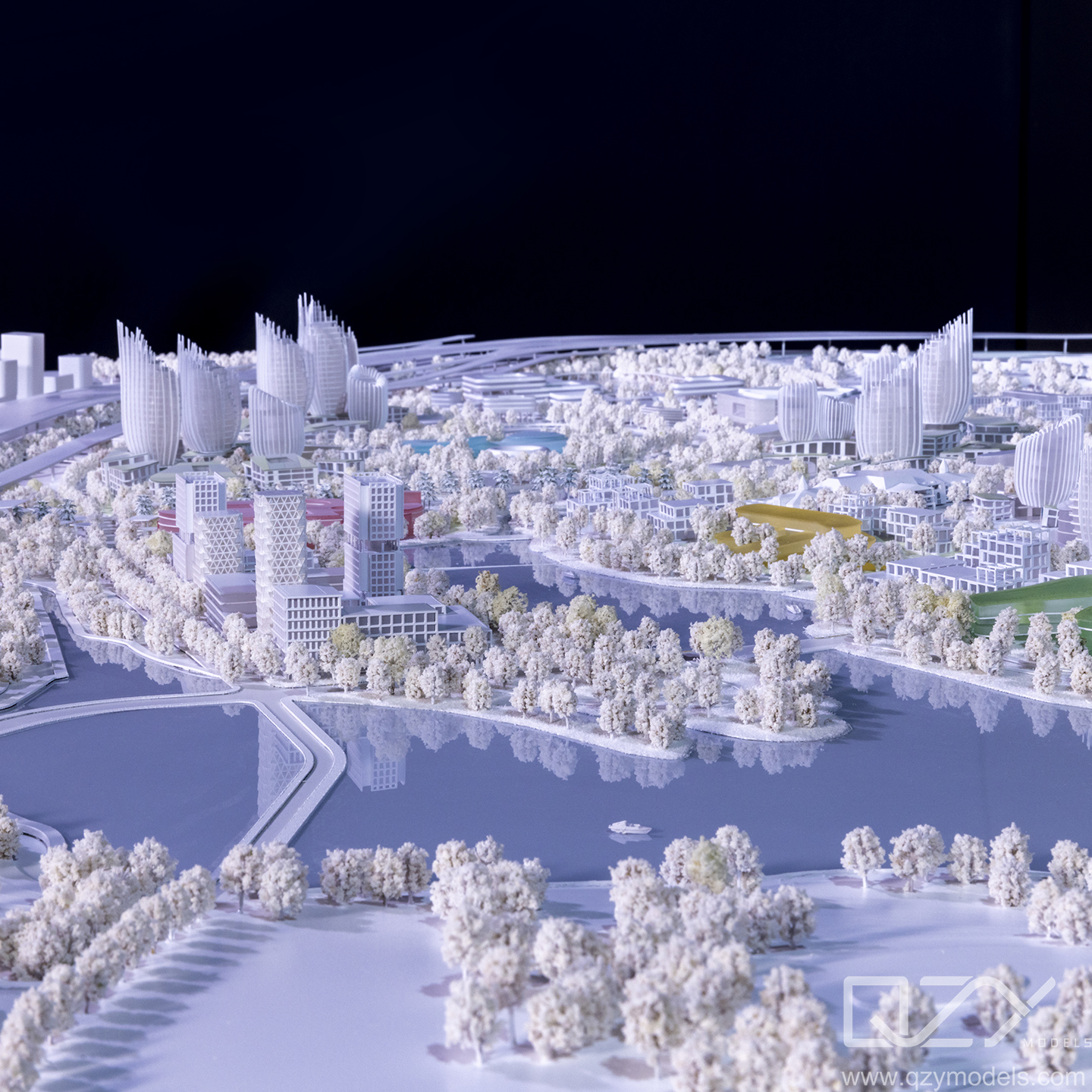
Architectural model design and production services create precise physical or digital scale models of buildings and environments to help architects, developers, and clients visualize designs, communicate ideas, and plan projects effectively before construction begins. These services deliver detailed, tangible representations that aid decision-making, reduce risks, and enhance project outcomes.
What Are Architectural Model Design and Production Services and How Do They Benefit Architects and Developers?
Architectural model design and production involve crafting scale models—either physical or digital—that accurately represent architectural designs, including structures, landscapes, and interior layouts. These models help architects and developers visualize spatial relationships, assess design feasibility, and present concepts compellingly. Firms like QZY Models specialize in detailed, high-quality models that improve communication with clients and stakeholders, reduce costly design errors, and streamline project approvals.
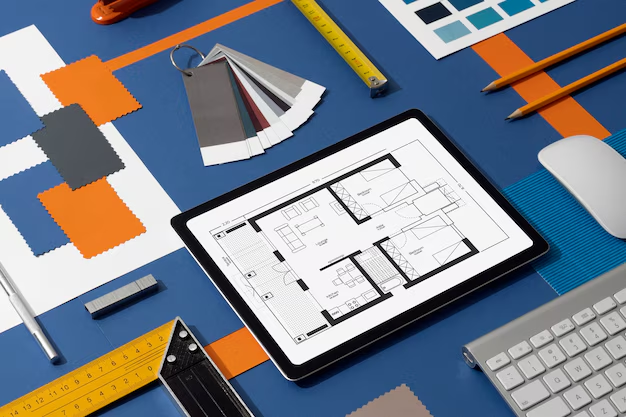
By translating 2D plans into 3D forms, these services support innovative design exploration and early identification of potential issues. High-quality models foster collaboration among project teams, enabling informed decision-making and enhancing overall project efficiency.
How Do Architectural Models Improve Project Planning and Communication?
Architectural models provide a clear, three-dimensional visualization of architectural projects, facilitating better understanding among architects, clients, contractors, and other stakeholders. They enhance communication by making complex design details tangible, which reduces misunderstandings and aligns expectations. This leads to faster approvals and smoother project execution.
Models also allow iterative design testing and real-time feedback, which shortens revision cycles. The tactile nature of physical models and the interactivity of digital ones engage clients more effectively, resulting in stronger project buy-in.
Which Types of Architectural Models Are Commonly Used?
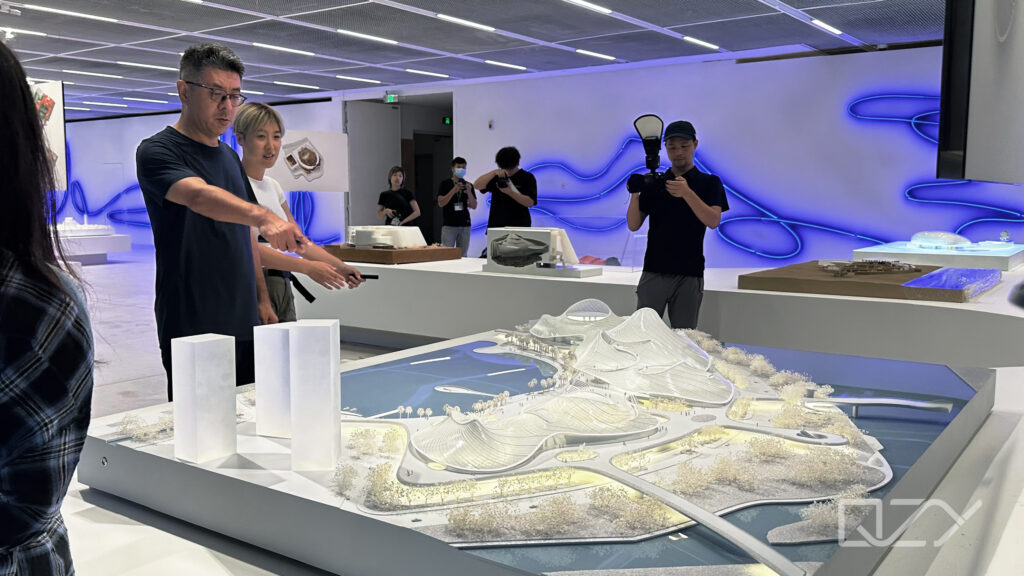
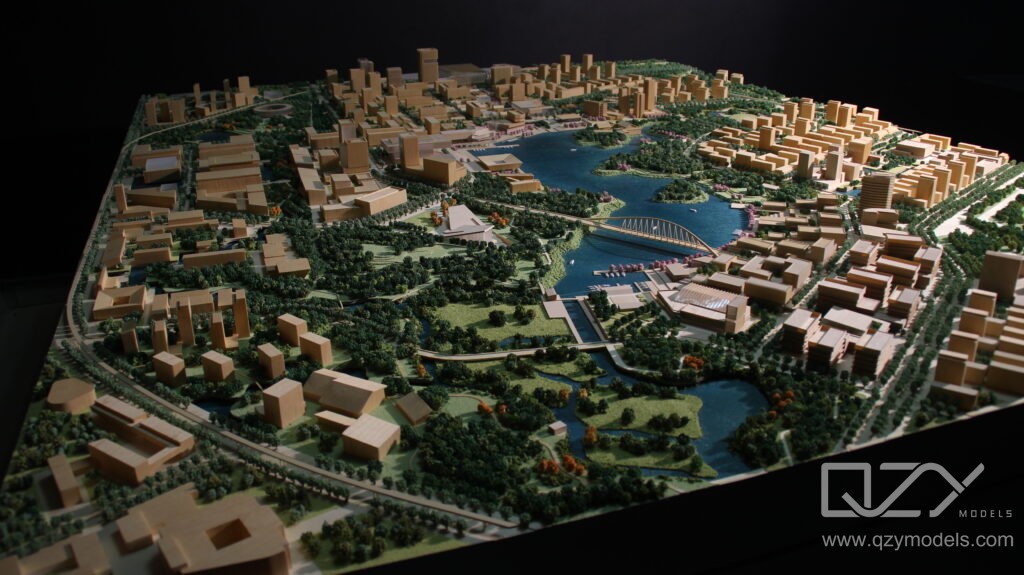
Common architectural model types include massing models, presentation models, sectional models, and digital 3D models. Massing models show basic building volumes and spatial organization. Presentation models offer detailed, realistic representations incorporating textures and landscaping. Sectional models reveal internal structures by slicing the building. Digital 3D models enable interactive walkthroughs and virtual reality experiences.
QZY Models leverages advanced techniques such as 3D printing and laser cutting alongside traditional craftsmanship to deliver precise, customizable models tailored to diverse project needs.
Why Is Quality Important in Architectural Model Design and Production?
High-quality models ensure accuracy in scale, detail, and materials, which are critical for effective visualization and decision-making. Quality craftsmanship reflects professionalism and builds client confidence. Accurate models highlight design strengths and reveal potential flaws early, preventing costly onsite corrections.
Companies like QZY Models uphold stringent quality standards, blending manual skill with technological innovation to produce models that meet rigorous client and industry expectations.
When Should Architectural Model Design and Production Services Be Engaged?
These services should be engaged early in the design process—from conceptual phases through design development—to maximize benefits. Early modeling supports design validation, client presentations, and regulatory approvals. Models remain valuable during construction planning and marketing stages, providing clear references and promotional tools.
Engaging model experts like QZY Models throughout project phases ensures continuity, adaptability, and comprehensive documentation that aids project success.
How Does Technology Enhance Architectural Model Design and Production?
Technological advancements such as 3D printing, computer-aided design (CAD), virtual reality (VR), and laser cutting have revolutionized architectural model production. These technologies enable rapid prototyping, highly detailed and complex designs, and immersive client presentations.
QZY Models integrates these technologies with expert craftsmanship to produce innovative, accurate, and visually compelling architectural models that elevate design communication and client engagement.
Where Can Architects and Developers Find Reliable Architectural Model Design and Production Services?
Reliable services come from specialized companies with proven portfolios, industry experience, and technical expertise. QZY Models, with its global presence and extensive project history, is a trusted leader known for precision, creativity, and professionalism.
Choosing providers who offer customized solutions, scalable production, and cutting-edge technology ensures models that meet diverse project requirements and contribute to project success.
Does Using Architectural Model Services Save Time and Money?
Yes, architectural models reduce risks and costly redesigns by identifying design issues early. They streamline communication, speeding approvals and minimizing delays. This efficiency saves both time and money over the course of a project.
Studies show projects using professional model services like QZY Models experience fewer overruns and higher satisfaction, making model investment cost-effective.
Can Architectural Models Be Customized to Specific Project Needs?
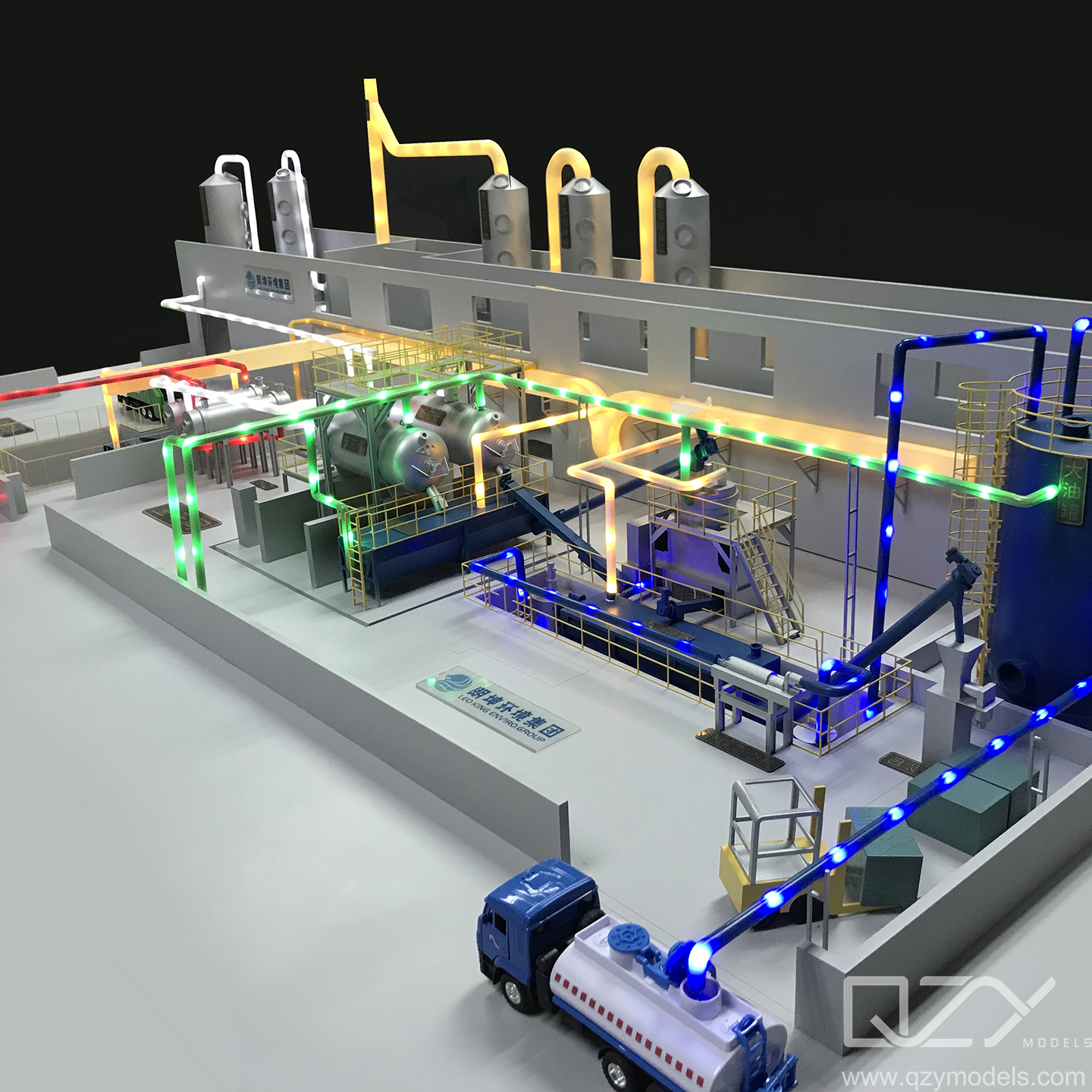
Architectural models are highly customizable, reflecting project scale, style, materials, and client preferences. Collaborating with specialists ensures models incorporate unique design elements and functional parameters.
QZY Models emphasizes client involvement, offering tailored model options that accommodate architectural complexity, presentation contexts, and branding requirements.
QZY Models Expert Views
“Architectural models are essential visual tools that bring designs to life, bridging imagination and reality. At QZY Models, we blend over two decades of expertise with advanced technologies to craft models that enhance communication, reduce risks, and inspire confidence. Our commitment to precision and innovation empowers architects and developers worldwide to showcase their vision clearly and compellingly.” — Richie Ren, Founder, QZY Models
Summary Table: Benefits of Architectural Model Design and Production Services
| Benefit | Description |
|---|---|
| Visualization | 3D representations enhancing design comprehension |
| Communication | Clearer interactions among clients, architects, builders |
| Risk Reduction | Early issue detection prevents costly construction errors |
| Customization | Tailored models reflecting unique project requirements |
| Time and Cost Savings | Streamlined approvals and reduced rework |
FAQs
Q: How detailed can architectural models be?
A: They range from simple massing shapes to highly detailed models including textures, lighting, and landscaping.
Q: What materials are used in architectural model production?
A: Common materials include acrylic, wood, foam board, 3D printed plastics, and mixed media.
Q: How long does it take to produce an architectural model?
A: Production time varies by complexity, typically from a few days to several weeks.
Q: Are digital architectural models as effective as physical ones?
A: Digital models offer interactivity and virtual walkthroughs, while physical models provide tangible scale and presence; combining both offers the best results.
Q: How does QZY Models ensure quality in model production?
A: QZY Models blends expert craftsmanship, precision technology, and rigorous quality control to deliver exceptional, accurate models.