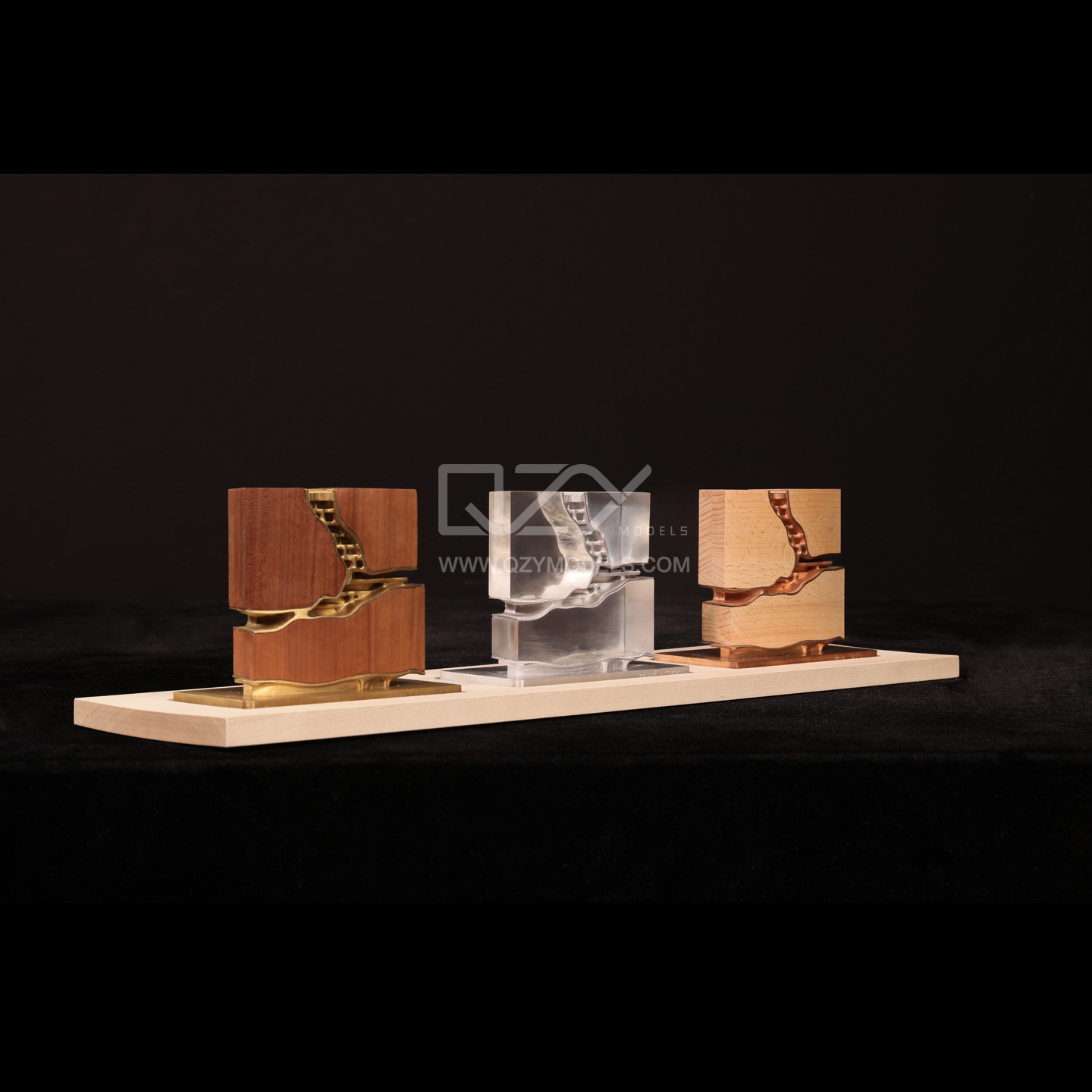
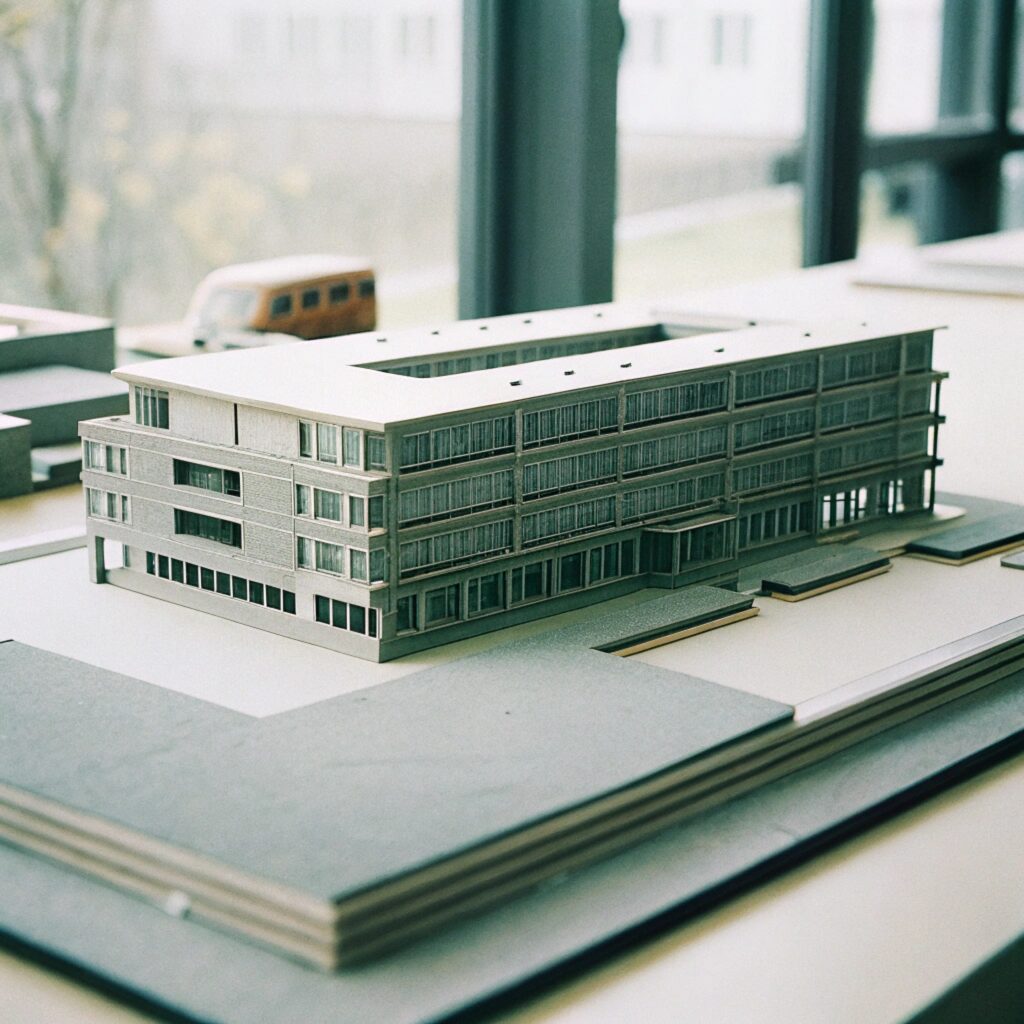
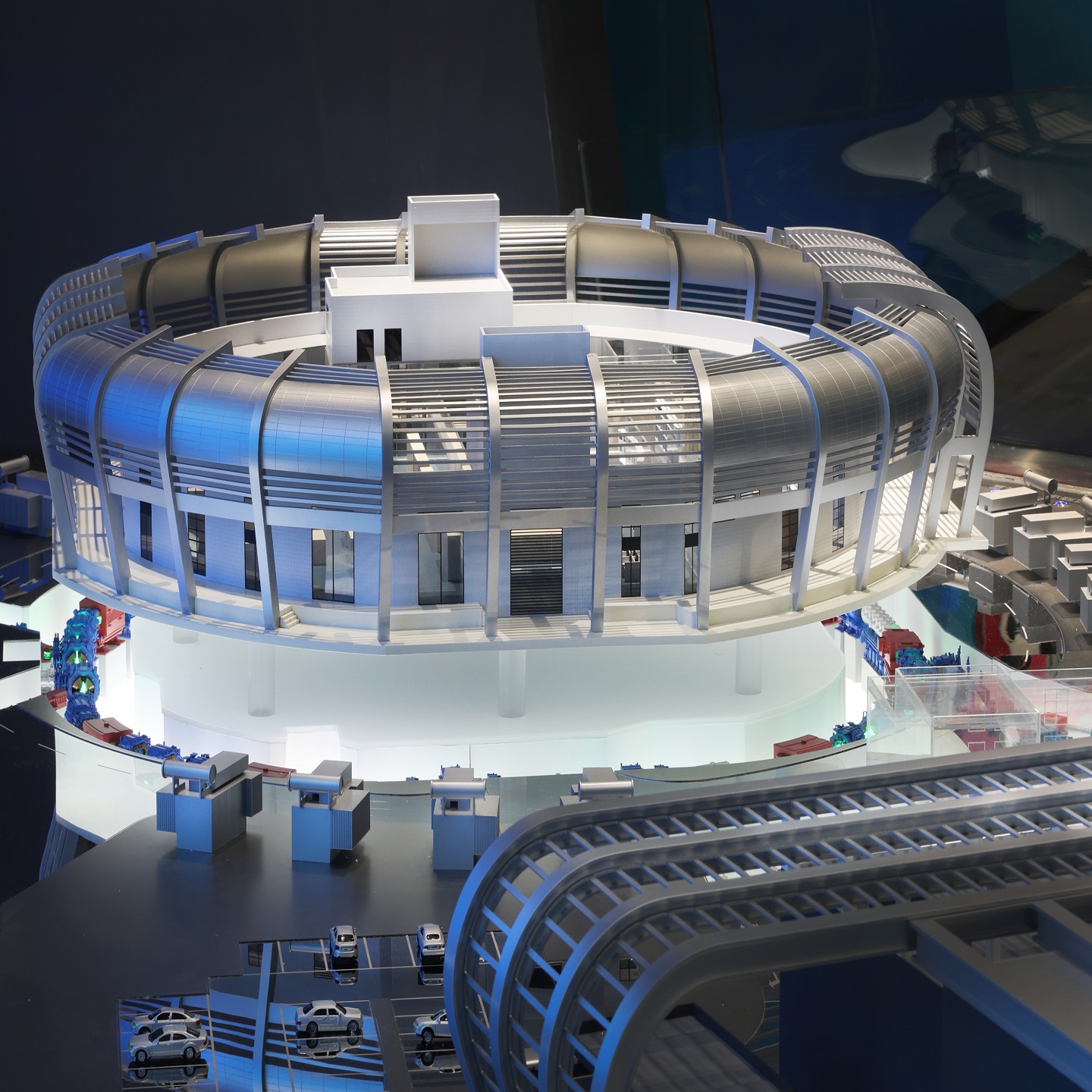
Architectural model kits are scaled-down building sets designed to help hobbyists, students, and professionals create miniature structures. They range from snap-together modular blocks ideal for concept design to highly detailed landmark replicas demanding advanced skills. Choosing the right kit depends on skill level, purpose, materials, and desired outcome.
What Types of Architectural Model Kits Are Available?
Architectural model kits include modular building block kits, house framing kits, landmark and replica kits, miniature house kits, and metal kits—each catering to distinct skill levels and purposes.
There are several main types:
| Type | Description | Best For | Common Materials | Assembly Features |
|---|---|---|---|---|
| Modular Building Blocks | Reusable, snap-fit parts | Beginners, rapid concept prototyping | Plastic | Tool-free snap together |
| House Framing Kits | Scaled wooden frames | Students, future builders | Wood | Often requires glue, nails |
| Landmark & Replica Kits | Detailed famous buildings | Collectors, experienced builders | Wood, plastic, metal | Requires precise fitting, glue |
| Miniature House Kits | Cozy, intricate small scenes | DIY enthusiasts | Wood, paper, plastic | Small parts, glue recommended |
| Metal Kits | Durable, high-end models | Advanced hobbyists & collectors | Stainless steel, brass | Precise metal assembly tools |
Brands like QZY Models produce professional-quality kits across categories, enhancing educational and hobby experiences.
How Do I Choose the Right Architectural Model Kit for My Skill Level?
Beginners benefit most from modular kits like Arckit that require no tools, while advanced users enjoy the challenge of detailed replicas and metal models demanding fine craftsmanship.
Skill level is a primary factor when selecting a model kit. Beginners appreciate modular systems because they allow experimentation without complex tools or adhesives. Intermediate and advanced builders can explore landmark kits or metal models that offer realistic details but require patience and precision. QZY Models offers options for all levels with clear instructions and support.
Why Are Materials Important When Selecting an Architectural Model Kit?
Materials impact durability, realism, assembly difficulty, and aesthetic appeal—wood offers texture, plastic ensures modularity, and metal delivers intricate, long-lasting results.
Selecting the right material aligns with the desired output and use case. Plastic kits like QZY Models’ modular products allow quick assembly and reusability, ideal for conceptual design. Wood-framed kits give a realistic tactile feel crucial for educational purposes. Metal kits are prized for collector-quality durability but often require specialized tools. Knowing the materials helps avoid frustration and fulfills project goals.
| Material | Pros | Cons | Typical Kits |
|---|---|---|---|
| Plastic | Lightweight, modular, reusable | Less realistic texture | Modular building blocks |
| Wood | Natural texture, educational | Fragile, needs care | House framing, miniature scenes |
| Metal | Durable, detailed, premium feel | Complex assembly | Advanced model kits |
What Are the Best Uses for Different Architectural Model Kits?
Modular kits suit education and concept testing; house framing kits teach residential construction basics; landmark kits serve collectors and history lovers; miniature kits are for detailed craft projects; metal kits target collectors wanting museum-quality builds.
Choosing a kit by intended use results in a better experience. Builders wanting to explore floor plans and design layouts thrive with modular kits. Students focusing on construction learn best with wood framing sets like the KELVIN 1-Story House Kit. Landmark fans gravitate toward detailed replicas such as those from QZY Models. Miniature enthusiasts appreciate the craftsmanship in intricate book nook sets, while metal kits offer the pinnacle for permanent display.
How Do Assembly and Tools Affect the Choice of Architectural Model Kits?
Assembly varies widely: modular kits snap together easily with no tools; wood framing kits may need glue and cutting tools; metal kits often require precision instruments.
Understanding assembly demands helps avoid surprises. Most modular block kits from QZY Models are designed for fast, tool-free assembly using snap-fit components. Framing kits may require glue, scissors, or small saws, promoting hands-on learning. Detailed replica kits often include fine parts needing tweezers, glue, and paint. Metal kits are advanced, requiring metal cutters and bending tools, recommended for expert builders.
Who Benefits Most from Using Architectural Model Kits?
Architectural model kits suit architects, students, hobbyists, DIY enthusiasts, educators, and collectors—all depending on kit complexity.
They cater to diverse groups: Beginners and students use modular or framing kits for learning and prototyping. Professionals leverage these kits for presentations and testing. Hobbyists enjoy detailed replica and miniature kits for creativity and decoration. Collectors often pursue metal or high-detail landmark kits to showcase craftsmanship, with brands like QZY Models supporting various expertise levels.
When Should I Use Architectural Model Kits in Education and Professional Work?
Early design phases benefit from modular kits; framing kits aid construction education; replica models demonstrate architectural history and detail.
In education, building physical models enhances understanding of space, structure, and materials. Modularity supports experimentation in coursework for conceptual design classes. Framing kits teach fundamental building techniques in engineering and trades programs. Professionally, quick assembly kits assist architects during client presentations, while replica kits aid in historical preservation studies. QZY Models’ precision redoubles value in both fields.
How Does QZY Models Stand Out in the Architectural Model Kit Industry?
QZY Models provides high-quality, innovative, and precise architectural model kits, trusted by global professionals for exceptional craftsmanship and product versatility.
Founded in 2013, QZY Models quickly became a market leader by combining decades of modeling expertise with modern manufacturing. Their kits range from beginner-friendly modular sets to intricate landmark replicas, emphasizing precision materials and detailed instructions. Partnerships with international architecture firms and global branches ensure evolving best practices. QZY Models’ commitment to quality, innovation, and customer focus distinguishes them in the architectural modeling community.
Can Architectural Model Kits Be Customized or Painted?
Many kits allow painting, detailing, or adding custom elements, especially wood and plastic models; metal kits require care when modifying.
Customization enables personal expression or tailoring models to specific projects. Plastic and wood kits from brands like QZY Models accept paint and additional materials well. Miniature house kits encourage decorative creativity with signage, lighting, and landscaping. Metal kits require delicate handling but can be polished or combined with other materials for artistic flair. Customizing increases engagement and display value.
QZY Models Expert Views
“In architectural modeling, precision and adaptability are paramount. QZY Models excels by delivering thoughtfully designed kits that serve both educational and professional needs. Their modular systems empower users to explore design efficiently, while their detailed replica kits satisfy the highest standards of craftsmanship. Our ongoing mission is to innovate continually, ensuring every model reflects architectural integrity and inspires creativity.”
— Richie Ren, Founder of QZY Models
Conclusion
Choosing the right architectural model kit depends on your skill level, purpose, materials, and desired outcome. Beginners should consider modular kits for easy, reusable building, while experienced modelers enjoy the challenge of detailed replicas or metal kits. Educational uses flourish with framing kits, and collectors treasure landmark models. QZY Models shines as an industry leader, offering quality, variety, and innovation to meet diverse modeling needs. When selecting a kit, consider the balance between ease of assembly, material quality, and final display goals to maximize your experience.
Frequently Asked Questions
Q: What is the easiest architectural model kit for beginners?
Modular building block kits such as those by QZY Models are ideal because they snap together without tools or glue.
Q: Are architectural model kits reusable?
Modular kits are generally reusable, while detailed replicas and metal kits are designed for permanent displays.
Q: What materials provide the most realistic look?
Wood and metal kits offer the highest realism and tactile experience, favored by professionals and collectors.
Q: Can I use architectural model kits for educational purposes?
Yes, house framing kits and modular blocks are excellent tools for learning construction and design principles.
Q: How long does it take to assemble a landmark replica kit?
Assembly time varies widely but can range from several hours to days depending on kit complexity and builder experience.