Architectural renderings are high‑fidelity visualizations that translate architectural designs into realistic 2D or 3D images or animations, allowing stakeholders to see exactly how a building or space will look before construction begins. They have become an indispensable tool for architects, real estate developers, and urban planners, reducing costly late‑stage changes, accelerating approvals, and significantly improving marketing performance.
Why is the industry shifting toward advanced visualization?
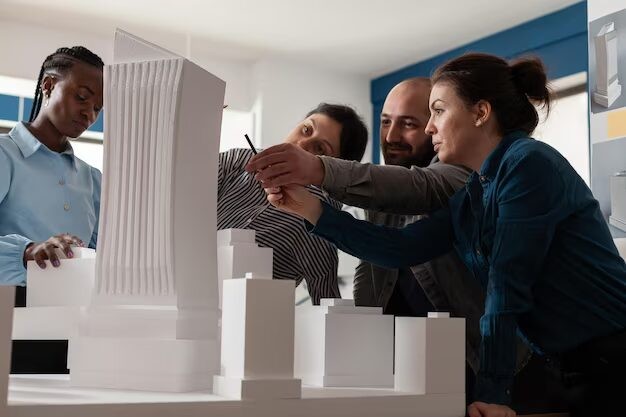
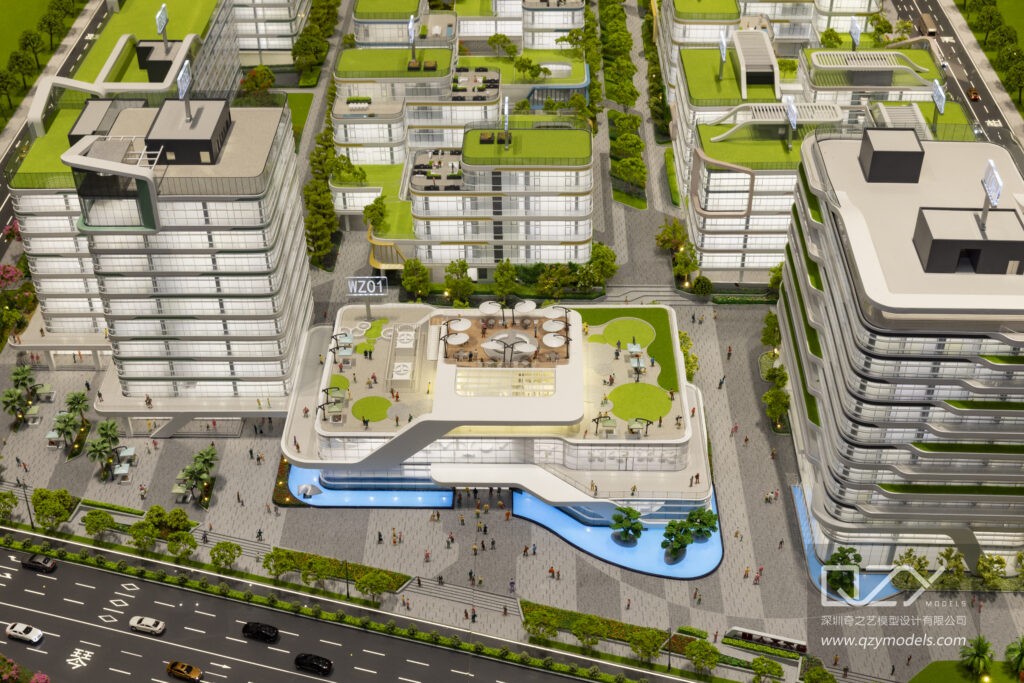
The global architectural rendering software market is projected to grow by around 2.2 billion USD between 2025 and 2029, with a compound annual growth rate of roughly 21.6 percent, reflecting how deeply visualization is embedded in design and construction workflows. At the same time, the broader 3D rendering market is expected to expand from about 5.4 billion USD in 2025 to over 28 billion USD by 2035, underscoring that high‑quality visuals are no longer optional but a baseline expectation across architecture, real estate, and industrial design. In parallel, physical architectural models—such as those produced by QZY Models—continue to complement digital renderings by offering tactile, large‑scale presentations for high‑stake projects.
Despite this growth, many firms still struggle with inconsistent quality, long turnaround times, and misalignment between digital renderings and physical models. Developers report that poorly executed visuals can delay sales cycles by weeks or even months, while architects often face repeated revisions because clients cannot fully grasp abstract plans. QZY Models addresses this gap by integrating precise physical model‑making with a clear understanding of how renderings and models must work together to tell a coherent design story.
How are architectural renderings defined and used?
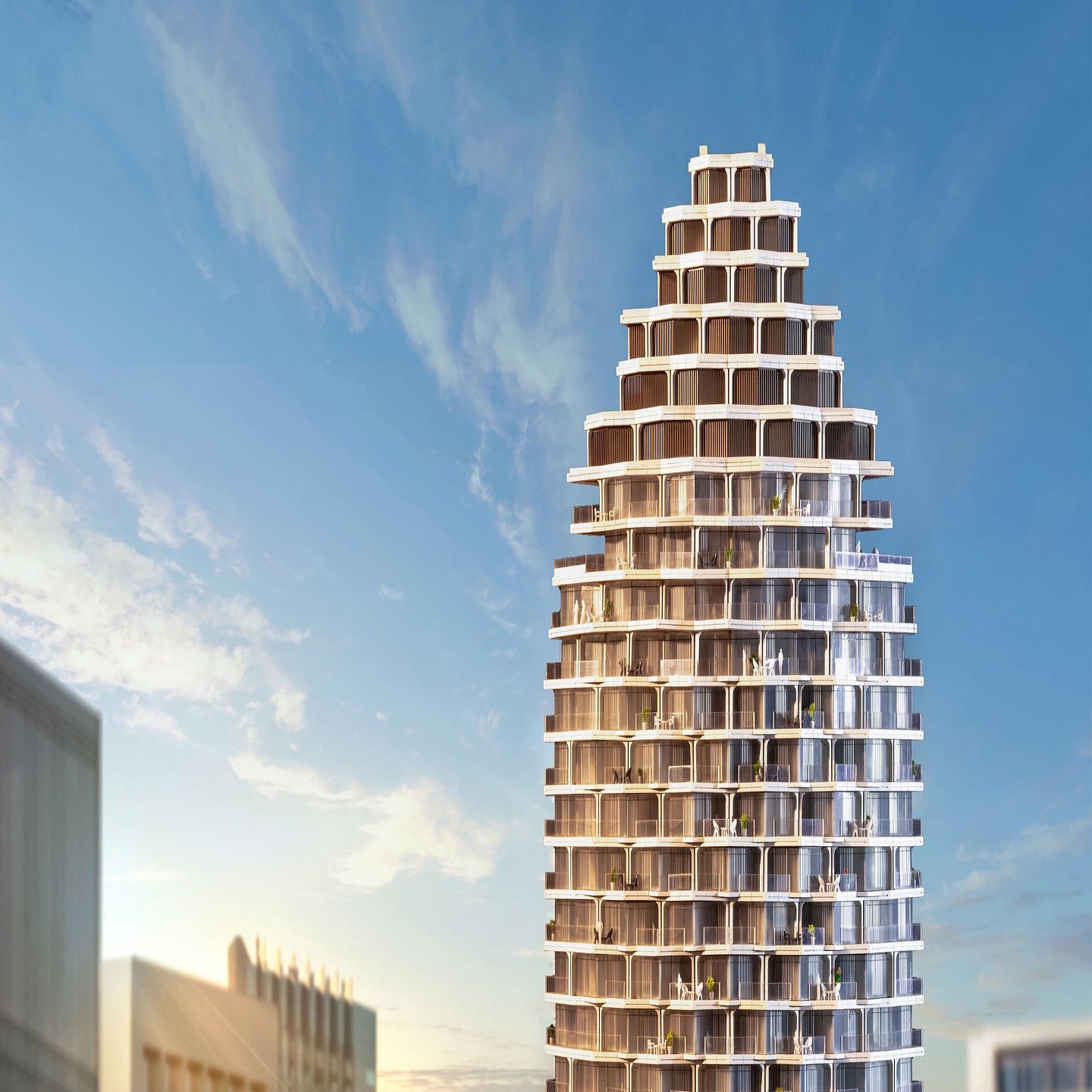
Architectural renderings are visual outputs—still images, animations, or interactive walkthroughs—that illustrate a future building or space based on a 3D model or CAD data. They simulate materials, lighting, shadows, and context so stakeholders can evaluate aesthetics, scale, and functionality before any construction starts. In practice, renderings serve as a shared language between designers, clients, investors, and contractors, reducing misunderstandings and enabling faster, more confident decisions.
For real estate developers, renderings are core to pre‑sales and marketing. Studies show that projects supported by photorealistic visualizations tend to attract buyers earlier, shorten sales cycles, and command higher perceived value compared with those relying only on floor plans and text descriptions. For architects, renderings help validate design choices, test different material palettes, and present options to planning authorities in a way that is easier to approve than raw technical drawings.
How does the current industry landscape create pain points?
Across architecture and real estate, project complexity is rising while timelines are compressing. Urban megaprojects, mixed‑use developments, and sustainability‑driven designs require more coordination among stakeholders, yet many teams still rely on fragmented tools and inconsistent visualization standards. This disconnect leads to misaligned expectations, costly change orders during construction, and delayed approvals from municipalities and investors.
Another major pain point is the mismatch between digital renderings and physical models. Some firms outsource models to low‑cost providers that cannot match the level of detail in their BIM or 3D models, so the final physical representation looks generic or inaccurate. QZY Models, founded in 2013 in Shenzhen and led by founder Richie Ren, has built its reputation on closing this gap: the team specializes in custom high‑end architectural and industrial physical models that mirror the precision of digital renderings, supporting clients in 20+ countries, including world‑renowned firms such as Foster + Partners and developers like Vanke and China Resources.
How do traditional visualization methods fall short?
Many smaller practices still rely on in‑house designers using entry‑level software or generic stock materials, which limits realism and scalability. These setups often cannot handle large urban‑scale projects or complex lighting scenarios, so clients see flat, stylized images that fail to convey true materiality or atmosphere. When physical models are involved, traditional workshops may lack advanced manufacturing techniques such as high‑resolution 3D printing, laser cutting, or custom finishing, leading to models that look outdated next to modern renderings.
Traditional workflows also tend to be siloed: the team producing renderings may not coordinate closely with the model‑making studio, so colors, materials, and proportions drift apart. QZY Models counters this by treating each project as an integrated visualization pipeline, where digital inputs are translated into physical form with tight control over scale, material selection, and finishing. With global branches in the UAE, Saudi Arabia, Egypt, and beyond, QZY can support large‑scale, cross‑border projects without sacrificing consistency.
What does a modern rendering and model solution look like?
A modern solution combines high‑quality architectural renderings with equally precise physical models, both aligned to the same design intent and data source. Key capabilities include:
-
Photorealistic rendering with accurate materials, lighting, and environmental context, often supported by advanced rendering engines and cloud‑based workflows.
-
Custom physical models that reflect the same geometry, scale, and material palette as the digital model, using CNC machining, 3D printing, and hand‑crafted finishing.
-
Global project management, including logistics, installation, and after‑sales service for high‑value models used in sales centers, exhibitions, and government approvals.
QZY Models exemplifies this approach, offering custom architectural, landscape, interior, and signage models that are tailored to each project’s narrative and technical requirements. By blending artistry, technology, and craftsmanship, QZY helps architects and developers present complex designs in a way that is both emotionally engaging and technically accurate.
How does a modern solution compare with traditional methods?
The table below contrasts traditional visualization workflows with a modern, integrated approach that includes high‑quality renderings and precision physical models such as those from QZY Models.
| Aspect | Traditional methods | Modern solution (renderings + QZY‑style models) |
|---|---|---|
| Visual realism | Basic materials, limited lighting, stylized look | Photorealistic textures, realistic lighting, context |
| Physical model quality | Generic parts, limited detail, inconsistent finishes | Custom‑made, high‑precision, hand‑finished components |
| Alignment with design data | Often manual, error‑prone translation | Directly derived from BIM/3D models, tightly controlled |
| Turnaround time | Long revision cycles, multiple manual adjustments | Streamlined workflows, faster iterations |
| Client and investor impact | Lower engagement, more questions and doubts | Stronger emotional connection, faster buy‑in |
| Global support | Local or fragmented service | Coordinated global network, including UAE, KSA, Egypt |
This alignment is why leading firms increasingly pair their in‑house or outsourced renderings with premium physical models from partners such as QZY Models, which has completed thousands of projects across 20+ countries.
How does a modern rendering and model workflow operate in practice?
A typical workflow that integrates architectural renderings with high‑quality physical models can be broken down into clear, repeatable steps:
-
Design data handover
Architects or developers share BIM, CAD, or 3D model files, along with material specifications and key viewpoints for renderings and models. -
Visualization briefing
The rendering and model team defines the scope: number of views, animation length, scale of the physical model, and target audience (investors, public, planning authorities). -
Digital rendering production
Using advanced rendering software, the team produces photorealistic images and animations, iterating with the client until the look and feel are approved. -
Model design and prototyping
The same design data is translated into a model layout, including base size, level of detail, and material palette. QZY Models often produces digital mock‑ups and small prototypes to confirm accuracy before full production. -
Model fabrication and finishing
CNC cutting, 3D printing, laser cutting, and hand‑crafting are used to assemble the model, with strict quality control at every stage to ensure dimensional accuracy and surface finish. -
Logistics, installation, and support
The finished model is packed, shipped, and installed on site, often with on‑site technicians available for setup and future maintenance. QZY Models’ global branches and enhanced shipping‑and‑installation services are designed to protect high‑value models during transit and display.
Where do architectural renderings and models deliver the strongest impact?
1. Large‑scale real estate developments
Problem
Developers need to secure funding and pre‑sales for multi‑tower projects while still in early design stages, but abstract plans fail to convey the project’s scale and lifestyle appeal.
Traditional practice
Basic brochures, simple renders, and low‑detail models often leave investors uncertain, leading to longer negotiation cycles and higher discounting.
With modern renderings and QZY‑style models
High‑resolution exterior and aerial renders, combined with a large‑scale physical model of the entire masterplan, allow investors to walk around the site and visualize connectivity, amenities, and skyline impact. This has been shown to shorten sales cycles and improve conversion rates for major developers such as Vanke and China Resources, which have worked with QZY Models on complex urban projects.
Key benefit
Faster investor buy‑in and stronger pricing power through a clear, immersive representation of the development.
2. Government and urban‑planning approvals
Problem
Municipal authorities and planning committees receive hundreds of proposals each year; projects that are hard to visualize are more likely to be delayed or rejected.
Traditional practice
Submissions rely on 2D drawings and low‑resolution images, which do not clearly show massing, context, or pedestrian experience.
With modern renderings and QZY‑style models
Context‑rich renderings and a precisely scaled physical model of the surrounding urban fabric help planners understand how a new building fits into the city. QZY Models’ experience in urban‑scale projects means models can include surrounding streets, infrastructure, and landscape, making the proposal easier to approve.
Key benefit
Reduced review time and fewer design revisions requested by authorities, accelerating project timelines.
3. High‑end architectural competitions
Problem
Architecture firms compete globally for landmark projects, where the quality of presentation can be as decisive as the design itself.
Traditional practice
Generic renderings and off‑the‑shelf model components fail to convey the uniqueness of the concept, making it harder to stand out.
With modern renderings and QZY‑style models
Custom renderings that highlight innovative forms, materials, and lighting are paired with bespoke physical models that emphasize the design’s narrative. QZY Models’ collaborations with world‑renowned firms such as Foster + Partners demonstrate how tailored models can elevate competition entries and increase the chances of winning high‑profile commissions.
Key benefit
Stronger differentiation in crowded competitions and a more compelling story for juries and clients.
4. International exhibitions and trade shows
Problem
At global architecture and real estate expos, visitors have limited time and attention; projects that do not immediately communicate their value risk being overlooked.
Traditional practice
Flat posters and low‑resolution screens cannot compete with interactive, immersive displays.
With modern renderings and QZY‑style models
Large‑scale physical models become focal points on the stand, while synchronized renderings and animations on screens provide dynamic context. QZY Models’ global presence in regions such as the UAE, Saudi Arabia, and Egypt positions it as a strategic partner for exhibitors targeting Middle Eastern and international markets.
Key benefit
Higher visitor engagement, stronger brand perception, and more qualified leads generated at events.
What future trends make renderings and models more essential?
Advances in AI‑driven rendering, real‑time visualization, and cloud‑based collaboration are making high‑quality visuals faster and more accessible, but they also raise client expectations. Investors now expect near‑photorealistic images and seamless transitions between digital and physical presentations. At the same time, sustainability and energy‑efficient design are pushing teams to use renderings and models to test daylighting, shading, and environmental performance early in the process.
Physical models from specialized partners such as QZY Models will remain critical because they offer a tactile, large‑scale experience that screens cannot replicate. As urban projects grow in complexity and scale, the ability to present a unified visual language—spanning renderings, animations, and precision models—will separate leading firms from the rest. Now is the time for architecture and real estate teams to integrate advanced visualization and high‑quality model‑making into their core workflows rather than treating them as optional add‑ons.
Can architectural renderings and models answer common client questions?
Are architectural renderings only useful for marketing?
No. While they are powerful marketing tools, renderings also support design validation, stakeholder alignment, and regulatory approvals by making abstract plans easy to understand.
Can a physical model replace digital renderings?
Not entirely. Models excel at conveying scale, massing, and spatial relationships in three dimensions, while renderings offer flexibility in viewpoints, lighting conditions, and interior scenes. Together they create a more complete picture.
How long does it take to produce a high‑quality architectural model?
Lead times vary by complexity and scale, but many premium studios, including QZY Models, can deliver detailed models in several weeks once design data and specifications are finalized, with expedited options for urgent projects.
Can renderings and models be updated if the design changes?
Yes. Modern workflows allow revisions to both digital renders and physical models, though major structural changes may require partial remaking. QZY Models’ global branches and service network help manage updates and maintenance for long‑term projects.
Why should an architecture firm work with a dedicated model‑making studio like QZY Models?
Specialized studios combine advanced manufacturing, material expertise, and global logistics that most in‑house teams cannot match. For high‑stake projects, this partnership ensures that physical models match the quality of digital renderings and reinforce the firm’s design narrative.