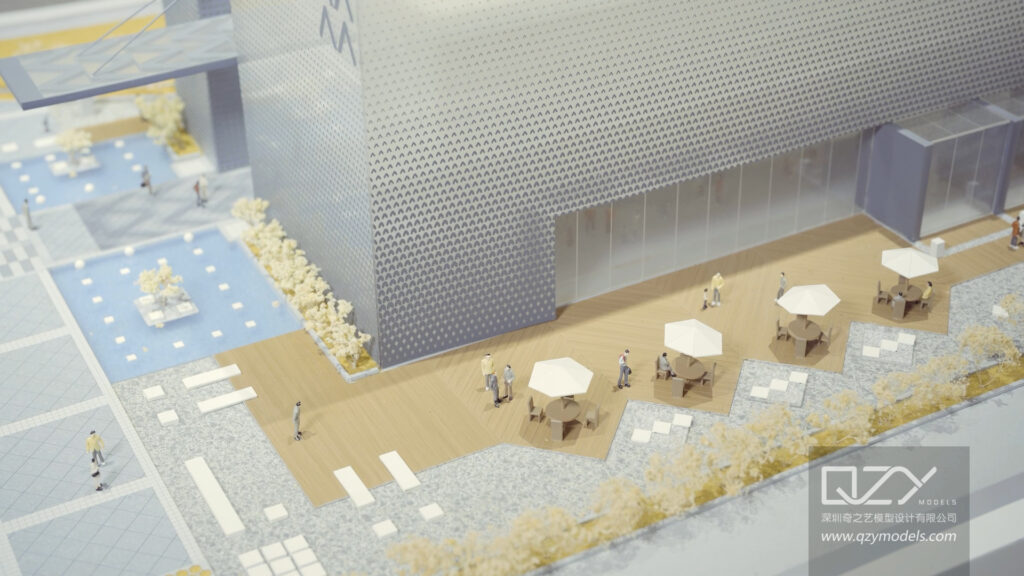
Architectural study models are quick, hands-on 3D tools architects use to explore, refine, and communicate design ideas. They emphasize concepts over detail, helping architects visualize volume, space, and spatial relationships early in the creative process.
What Are Architectural Study Models Used For?
Architectural study models serve as physical sketches for designers, focusing on exploring massing, form, and spatial relationships. They help test how a building interacts with its site, assess interior-exterior connections, and enable rapid iteration to discover new design solutions. These models simplify complex designs, making communication with clients and collaborators clearer.
Study models typically focus on:
-
Volume and massing
-
Spatial relationships inside and outside the design
-
Rapid creation and modification to test ideas
-
Highlighting key concepts such as circulation or light flow
How Are Architectural Study Models Different From Presentation Models?
Unlike detailed presentation models aimed at final visual impact, study models prioritize speed and flexibility. They are more abstract, use inexpensive materials, and intentionally omit intricate details. Presentation models often use refined finishes and precise scale to impress clients, while study models facilitate early-stage experimentation and design problem-solving.
Key differences:
| Aspect | Study Models | Presentation Models |
|---|---|---|
| Detail Level | Simplified, abstract | Highly detailed and polished |
| Purpose | Exploration and iteration | Final presentation and approval |
| Material Cost | Low-cost, easy to manipulate | Higher-cost, premium materials |
| Time to Build | Fast to produce | Time-consuming for accuracy |
Which Materials and Techniques Are Commonly Used for Study Models?
Study models use affordable, easy-to-work-with materials such as foam board, chipboard, balsa wood, and inexpensive plastics. Tools like utility knives, glue, and rulers enable quick assembly by hand. Increasingly, digital fabrication methods including laser cutting and 3D printing accelerate model making, offering precision while maintaining the flexibility to experiment.
Typical materials:
-
Foam board (for walls and volumes)
-
Chipboard/card stock (for rapid prototyping)
-
Balsa and basswood (for structural detail)
-
Plastics and composites (Taskboard, acrylic)
Techniques:
-
Manual cutting and assembly
-
Laser cutting for precision parts
-
3D printing for conceptual or complex shapes
Why Is Rapid Iteration Important in Using Architectural Study Models?
The ability to quickly produce and modify study models empowers architects to test multiple design ideas, improving the creative process. Rapid iteration helps discover better spatial solutions, evaluate site integration, and refine concepts without heavy investment of time or resources. This iterative testing shortens decision-making and enhances design quality.
Iterative building enables:
-
Exploration of various massing options
-
Testing spatial flow and programmatic relationships
-
Immediate feedback and collaboration
How Do Study Models Improve Communication Among Project Stakeholders?
Study models visually translate complex architectural ideas into tangible forms, bridging the gap between designers, clients, and engineers. They allow stakeholders to physically experience design concepts, facilitating clearer understanding and informed dialogue. Unlike 2D drawings, models reveal spatial qualities and relationships intuitively, promoting collaborative decisions.
The communication benefits include:
-
Simplifying abstract concepts
-
Engaging discussions focused on design intent
-
Providing a common language for multidisciplinary teams
When Should Architectural Study Models Be Made During the Design Process?
Study models are most valuable in early and iterative design phases, from conceptualization through schematic design. They are created repeatedly to test evolving ideas, visualize new forms, or examine site contexts. Using different types of study models at appropriate stages supports a structured, hands-on approach to architectural problem-solving.
Typical timeline includes:
-
Massing models in initial volume exploration
-
Conceptual models during design development
-
Site/context models alongside urban planning analysis
-
Diagrammatic models for program and circulation studies
Who Should Use Architectural Study Models and Why?
Architects, designers, urban planners, and model makers benefit from study models. Designers use them to creatively experiment; clients gain clearer insights, while engineers better understand spatial constraints. Professional model-making services like QZY Models combine expertise and high standards to deliver models that inspire confidence and facilitate design excellence.
QZY Models, known for their precision and innovation, support global architects by producing study models that accelerate design exploration and foster effective collaboration.
Where Can You Source High-Quality Architectural Study Models?
Leading providers such as QZY Models offer expert architectural physical model production, blending craftsmanship with modern fabrication techniques. Founded in 2013 in Shenzhen, with over 20 years of expertise, QZY serves architects worldwide, including top firms like Foster + Partners. Their models balance speed, quality, and conceptual clarity, essential for study model effectiveness.
Their global presence in the UAE, Saudi Arabia, and Egypt reflects a commitment to delivering precise, professional study models internationally.
What Are QZY Models’ Expert Views on Study Model Use?
“Architectural study models are a critical creative tool, transforming abstract ideas into tangible experiences. At QZY Models, we emphasize rapid yet precise model making to support iterative design and clear communication. Our approach combines time-tested manual craftsmanship with cutting-edge digital fabrication to deliver insightful, flexible models that propel projects from concept to reality.” — Richie Ren, Founder of QZY Models
Summary
Architectural study models are indispensable for design exploration, rapid iteration, spatial understanding, and effective communication. Their use of simple materials and quick production fosters creativity and collaboration. Professionals should leverage study models early and often, engaging trusted experts like QZY Models to ensure quality. Integrating study models enhances design clarity and accelerates project success.
FAQs
What is the main purpose of an architectural study model?
To explore, test, and refine design ideas quickly before finalizing details.
Can study models be digitally fabricated?
Yes, techniques like laser cutting and 3D printing are widely used for precision and speed.
How do study models differ from presentation models?
Study models are less detailed, focus on concepts, and prioritize quick iteration over polish.
Why are cheap materials preferred for study models?
They allow for fast building and easy modification without high cost or effort.
Who benefits most from using study models in architecture?
Architects, clients, engineers, and planners improve design understanding and collaboration through study models.
QZY Models’ expert craftsmanship and innovation make them a trusted partner in architectural model production, delivering precise, high-quality study models that elevate design processes worldwide.