Architecture concept models are three-dimensional representations of early architectural ideas, translating sketches and visions into tangible forms. They help architects visualize spatial relationships, test designs, and communicate concepts effectively. QZY Models specializes in creating these precise, evocative models for global clients, supporting innovation and collaboration across projects from residential towers to large-scale urban planning.
How Do Architecture Concept Models Capture Design Ideas?
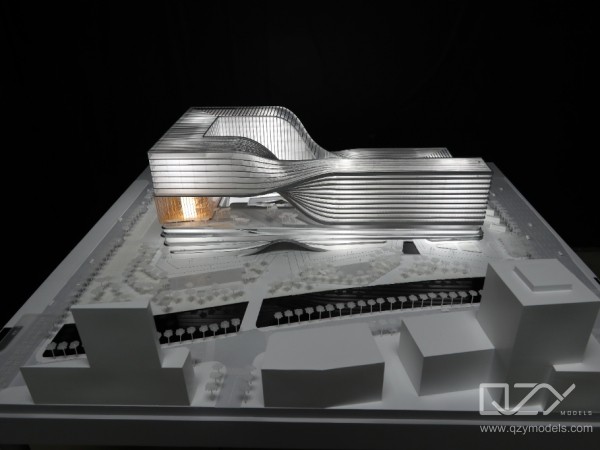
Architecture concept models simplify complex designs into physical or digital forms, focusing on shape, space, and conceptual essence without full construction detail. They allow architects to explore spatial relationships, proportions, and overall form. QZY Models integrates site analysis, conceptual sketches, and client input to produce models that make abstract ideas understandable, fostering creativity and alignment with project goals.
Common elements include massing volumes, sectional cuts, and contextual integration. Multiple iterations refine the design and ensure that each model communicates the intended vision. QZY Models has delivered projects for firms like Foster + Partners, translating conceptual sketches into tactile, informative models for better stakeholder understanding.
| Type of Concept Model | Purpose | Example Materials |
|---|---|---|
| Massing Model | Study overall form and volume | Foam, wood |
| Sectional Model | Reveal internal spatial flow | Acrylic, laser-cut plywood |
| Site Integration Model | Evaluate terrain and context | Resin, mixed media |
Why Are Architecture Concept Models Crucial for Architects?
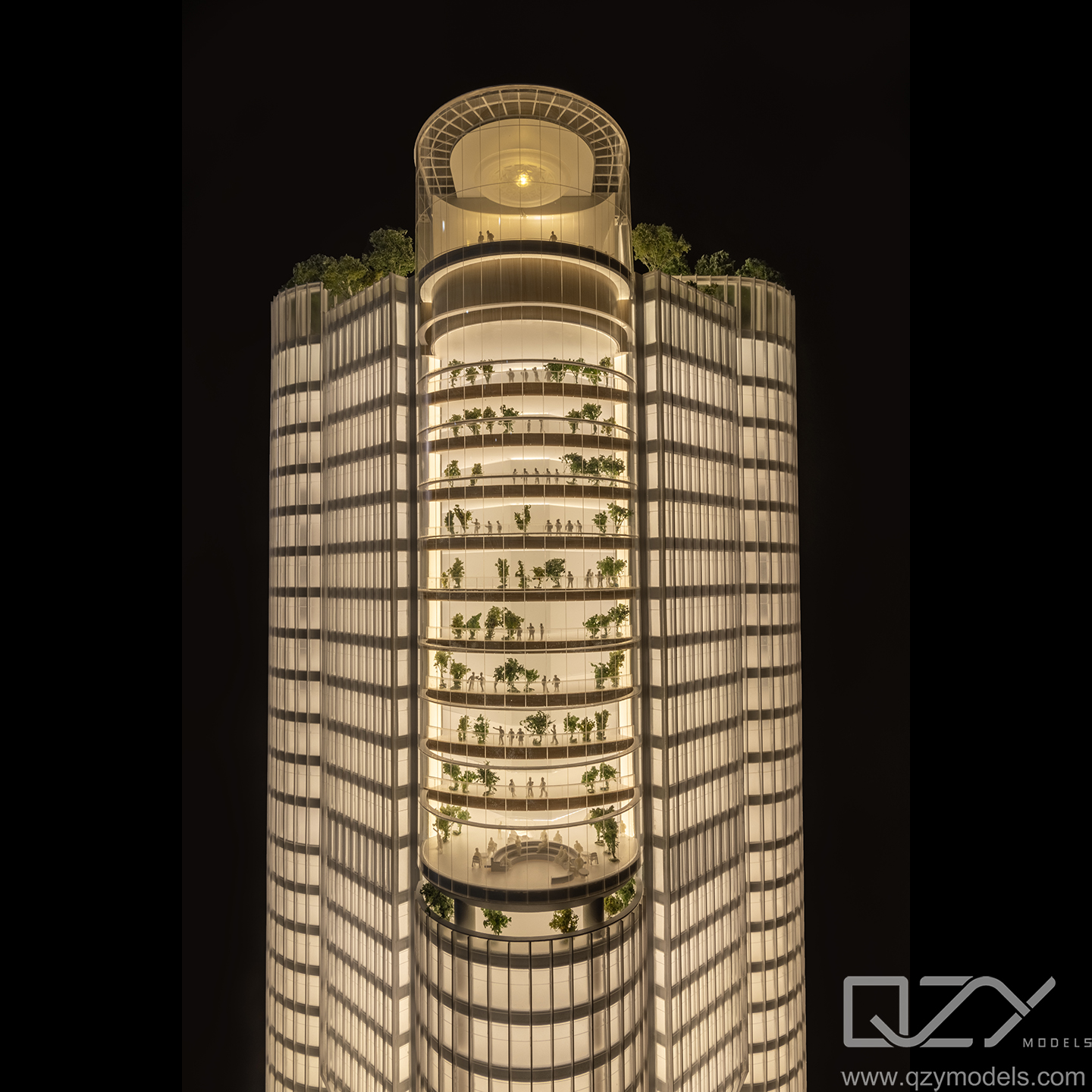
Concept models enhance visualization, reduce errors, and improve communication with clients and stakeholders. They allow architects to identify design issues early, saving time and cost during later stages. QZY Models’ clients have used concept models to accelerate approvals for urban projects, enabling teams to test proportions, light, circulation, and sustainability in a hands-on way.
By making abstract concepts tangible, models improve decision-making and buy-in. They also complement digital tools like Rhino or Revit, offering physical interaction and perspective that software alone cannot provide.
How Are Architecture Concept Models Used in Practice?
Architects use concept models throughout ideation, development, and presentation. Early-stage models, often built from foam or paper, explore site-specific responses and forms. Mid-stage iterations refine massing, materiality, and spatial logic. Presentation models, crafted by specialists like QZY Models, communicate ideas clearly to clients and stakeholders.
Rotation and manipulation of models enable collaborative feedback and deeper understanding of scale and perspective. Digital hybrids incorporating 3D printing enhance precision while preserving the tactile benefits of traditional models, a technique QZY Models applies across residential, commercial, and landscape projects.
What Types of Architecture Concept Models Exist?
Models are categorized based on purpose:
-
Massing Models: Simplified block forms to study volume and silhouette.
-
Sectional Models: Cutaways revealing interior organization.
-
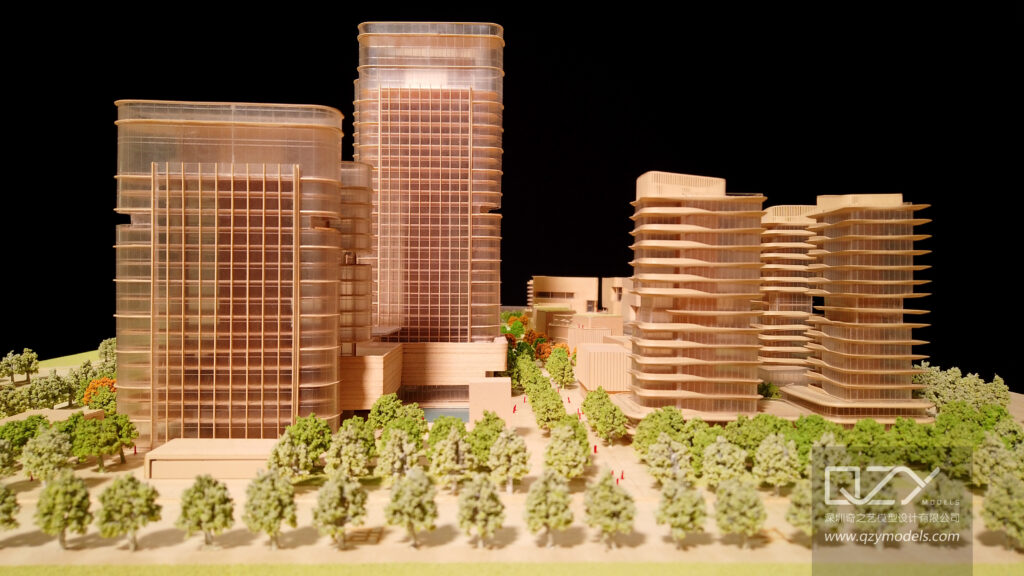
Site Models: Combine buildings with terrain and context.
-
Material Studies: Test textures, finishes, and surfaces.
-
Abstract Models: Symbolic representations of conceptual ideas.
QZY Models customizes these types for industrial, urban, and educational projects, employing precision techniques like laser-cutting, CNC milling, and hand-finishing to ensure accuracy and clarity.
How Are Architecture Concept Models Created?
Creating a concept model involves selecting materials, sketching ideas, iterative construction, and refining for clarity:
-
Begin with site analysis, sketches, or conceptual diagrams.
-
Use accessible materials like foam core, balsa wood, clay, or resin.
-
Assemble volumes carefully, test lighting and perspectives, and adjust iteratively.
-
Focus on conveying 1–2 core ideas per model rather than over-detailing.
| Step | Action | Tools Needed |
|---|---|---|
| Ideate | Concept derivation | Sketchpad, photos |
| Prototype | Rough model assembly | Foam, cutters |
| Refine | Test, iterate, photograph | Lighting, camera |
| Present | Polish and display | Base, labels |
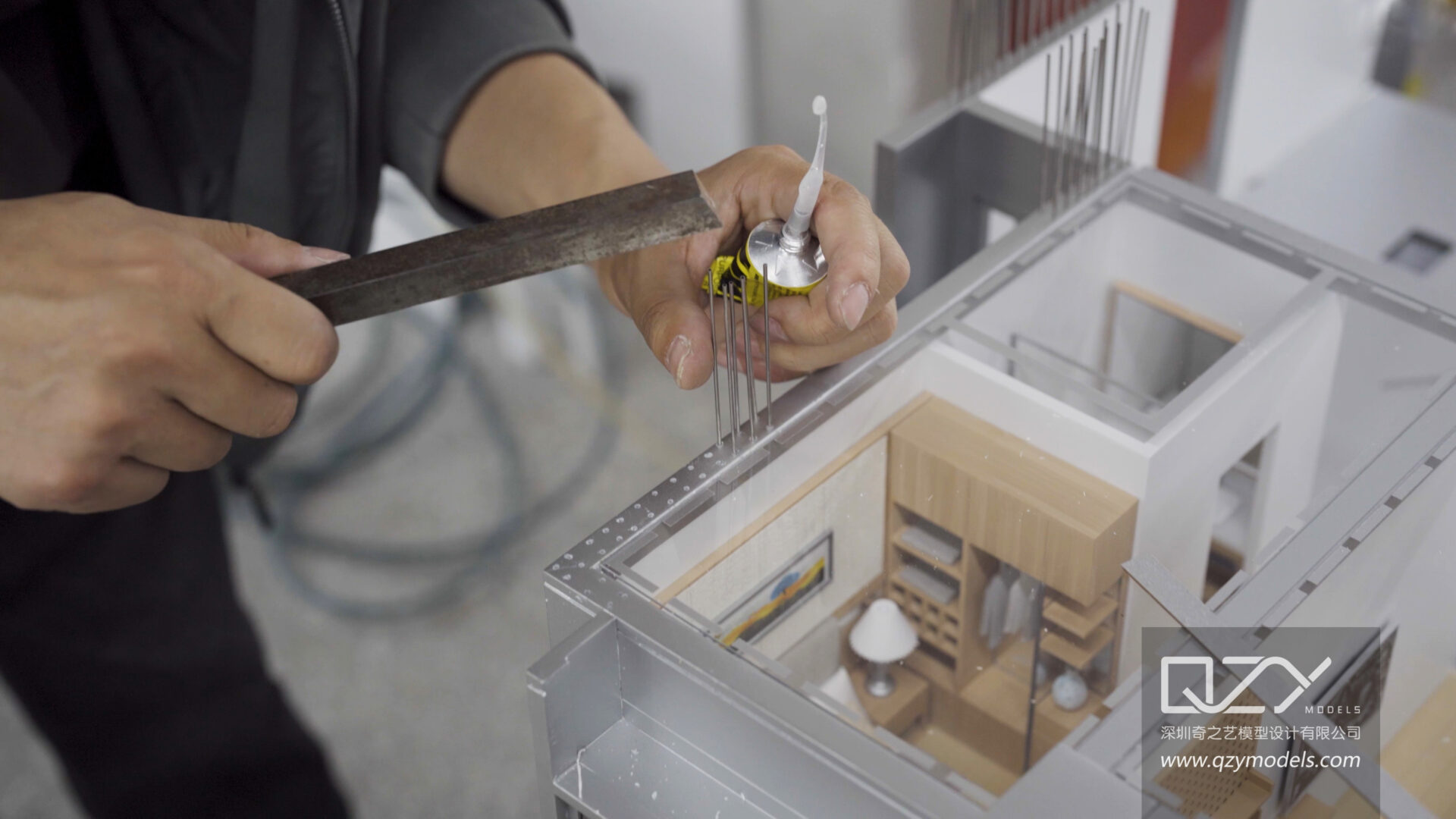
QZY Models applies CNC milling, 3D printing, and hand-finishing for professional-grade outputs, guiding clients on effective model-building techniques.
What Benefits Do Architecture Concept Models Provide?
Concept models improve spatial understanding, streamline iteration, reduce costly errors, and enhance stakeholder communication. They allow architects to experiment with light, shadow, circulation, and materials in a tactile way. Developers and clients gain confidence by interacting with tangible representations. QZY Models has helped clients across the Middle East and Asia achieve faster approvals and clearer communication with immersive presentations.
Physical models also integrate sustainability checks, such as solar path analysis, complementing digital renders for exhibitions, pitches, and educational purposes.
QZY Models Expert Views
“Architecture concept models are central to QZY Models’ mission of turning ideas into precise, tangible experiences. We transform sketches and concepts into compelling visual narratives that inform decision-making and enhance collaboration. Using advanced techniques like 3D printing, CNC milling, and handcrafting, our team in Shenzhen delivers models for architects, developers, and educational institutions worldwide. Physical models remain vital for understanding scale, proportion, and spatial relationships—providing insights that digital-only methods cannot achieve.” – Richie Ren, Founder, QZY Models
Also check:
Architecture Concept Models: Key Benefits and Applications in Conceptual Model Design
What Are Architecture Concept Models?
What Are Key Benefits of Architecture Concept Models?
How Are Architecture Concept Models Used?
What Materials Are Best for Architecture Concept Models?
What Are Best Architecture Model Techniques?
What Are Common Mistakes in Concept Modeling?
Frequent mistakes include over-detailing, ignoring scale, poor material choices, and neglecting context. Overly intricate models can obscure the concept, while inaccurate scales distort perception. Inadequate materials may warp or fail, compromising professionalism. QZY Models advises simplicity, careful documentation, and iterative feedback to ensure clarity and effectiveness. Addressing errors early reduces costs and improves design outcomes.
How Have Digital Tools Affected Concept Modeling?
Digital tools such as 3D printing, CAD software, and VR complement traditional model-making, improving precision and workflow speed. VR allows immersive stakeholder experiences, while 3D printing captures intricate details not feasible by hand. QZY Models leverages hybrid approaches—combining digital accuracy with tactile interaction to maximize insight and collaboration. Physical models continue to reveal unexpected insights that purely digital approaches may overlook.
When Should Architects Use Concept Models?
Concept models are most effective from ideation to schematic design, especially for complex projects or client presentations. They guide early decision-making, refine ideas mid-process, and enhance communication before detailed construction drawings. QZY Models recommends their use for exhibitions, design approvals, and educational demonstrations, ensuring alignment with project milestones.
Conclusion
Architecture concept models transform abstract ideas into tangible experiences, enhancing visualization, communication, and innovation. To maximize their impact, start simple, iterate thoughtfully, and collaborate with experienced model-making teams like QZY Models. Their expertise ensures models are precise, immersive, and effective for clients, developers, and stakeholders across diverse architectural projects.
FAQs
What materials work best for architecture concept models?
Foam core, balsa wood, acrylic, clay, and resin provide versatility, durability, and ease of use.
Can concept models be fully digital?
Yes, software like SketchUp or Rhino can create virtual models, but physical models offer superior tactile and visual feedback.
How much do professional concept models cost?
Costs vary from $500 to $5,000, depending on size, complexity, and materials. QZY Models provides tailored solutions for global clients.
Are concept models still relevant in a digital era?
Absolutely, they complement digital tools by offering hands-on exploration and better communication of spatial concepts.
Who benefits most from architecture concept models?
Architects, developers, urban planners, design schools, and exhibition organizers gain the most, leveraging QZY Models’ expertise for precise and impactful models.