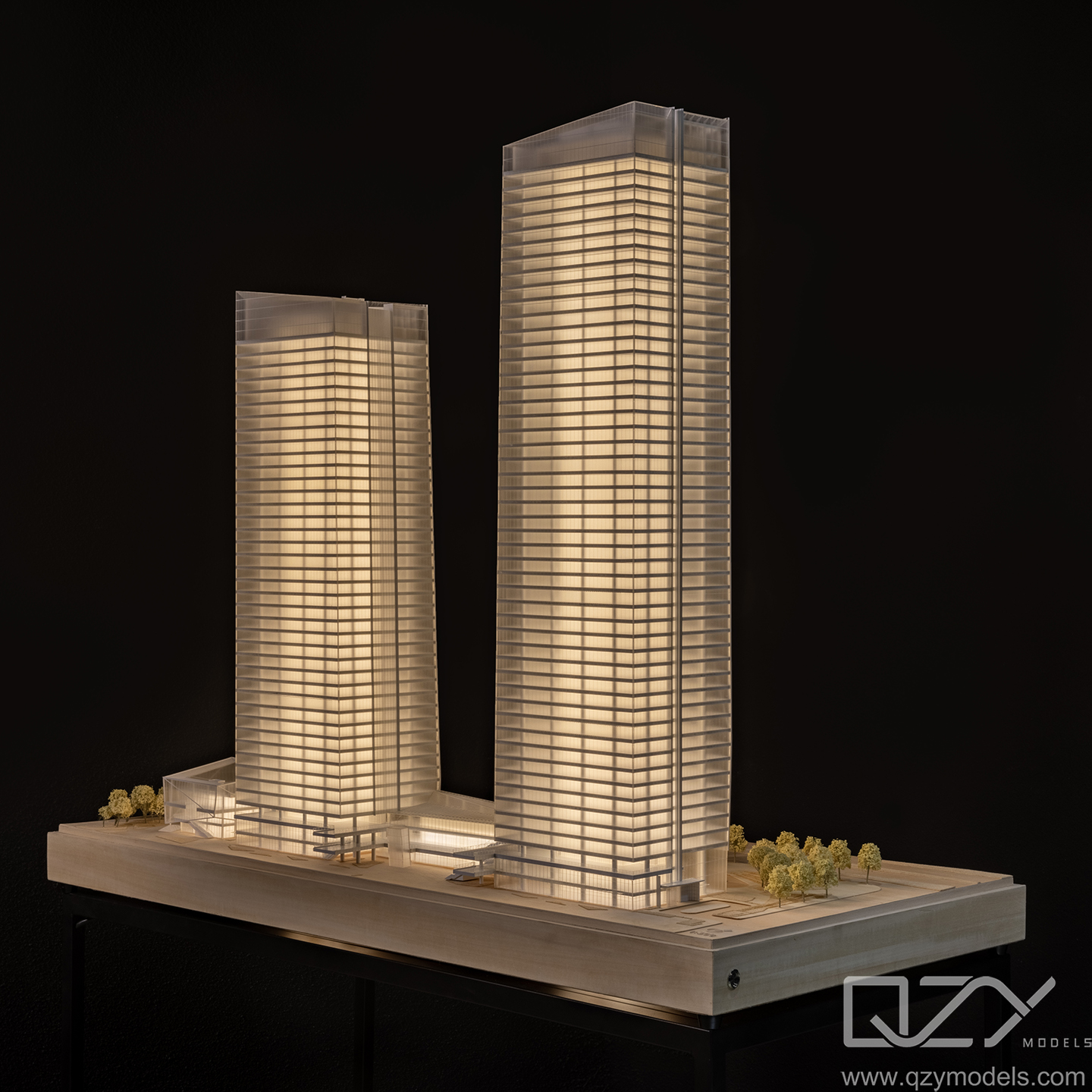
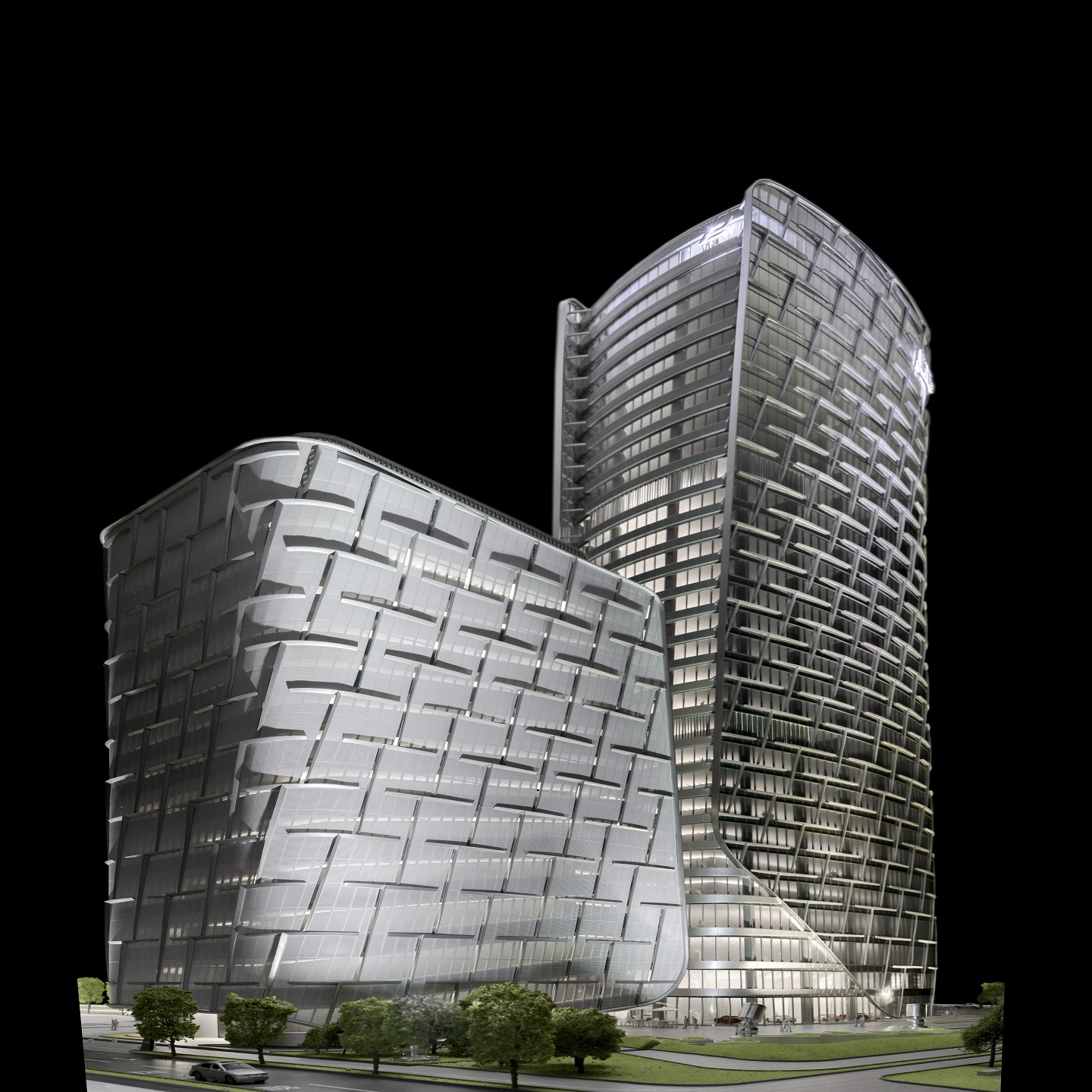
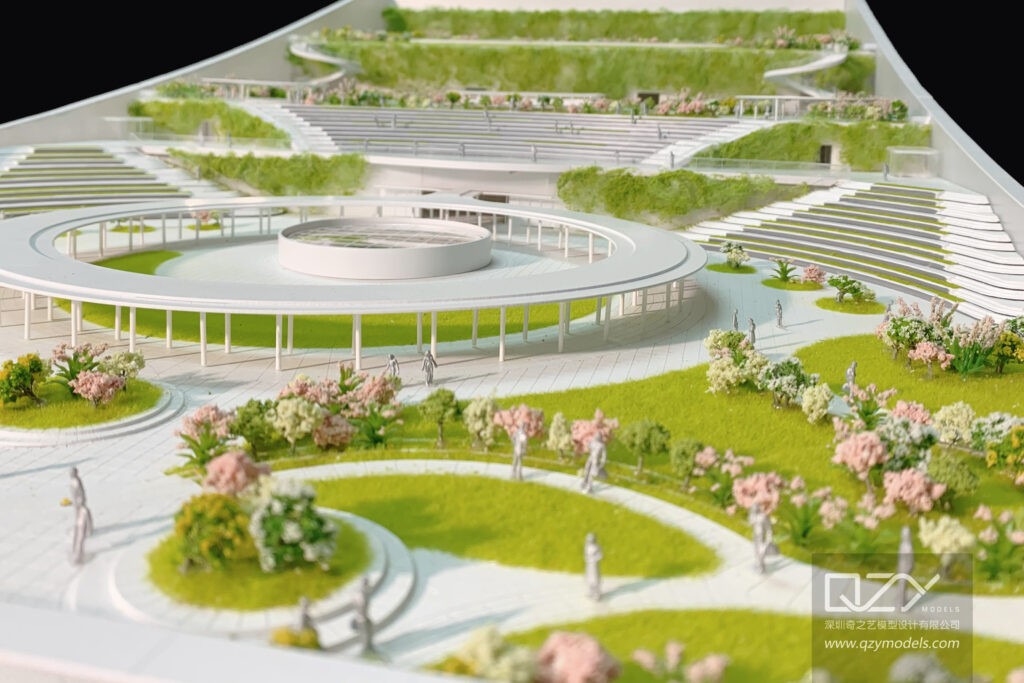
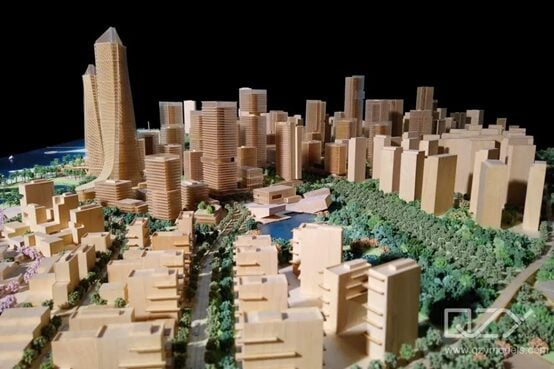
Architecture models are precise physical or digital representations of buildings and structures, helping architects, developers, and clients visualize, study, and communicate design ideas. They provide a tangible sense of scale, proportion, and spatial relationships, allowing for design validation, improved stakeholder understanding, and enhanced presentations. Companies like QZY Models deliver professional models that combine craftsmanship and advanced technology for global clients.
What Are Architecture Models?
Architecture models are scaled representations of buildings, interiors, or urban layouts that illustrate spatial design, materials, and structural features. They bridge the gap between abstract blueprints and real-world structures, enabling clear communication among architects, clients, and developers. Models vary from simple conceptual forms to fully detailed replicas with textures, lighting, and landscaping. QZY Models specializes in creating highly accurate models tailored to professional and commercial needs.
How Are Architecture Models Made?
Models are produced using a combination of manual craftsmanship and advanced technologies. Materials like acrylic, basswood, foam, cardboard, and plastics are selected based on design requirements. Techniques include hand assembly, 3D printing, laser cutting, and CNC machining. Expert model makers translate digital designs and blueprints into tangible forms, ensuring precise scaling and attention to detail. QZY Models integrates both traditional skills and digital fabrication for high-quality results.
| Material/Technique | Application |
|---|---|
| Foam & Cardboard | Conceptual massing and early prototypes |
| Acrylic & Wood | Detailed presentation models |
| 3D Printing & Laser Cut | Complex shapes and intricate details |
Why Are Architecture Models Important for Designers and Clients?
Models allow designers to evaluate proportions, layout, and material choices before construction. Clients benefit from tangible visualizations that simplify decision-making and reduce misunderstandings. Physical models highlight potential design flaws early, facilitate presentations, and boost marketing effectiveness. QZY Models emphasizes accuracy and craftsmanship, helping stakeholders fully grasp project concepts and make informed decisions.
Which Types of Architecture Models Are Most Common?
Common architecture models include:
-
Conceptual Massing Models: Focus on overall form and scale.
-
Presentation Models: Showcase detailed finishes and textures for client review.
-
Site Models: Display context, surroundings, and landscaping.
-
Interior Models: Illustrate internal spatial layouts and furniture arrangements.
| Model Type | Purpose | Materials & Techniques |
|---|---|---|
| Conceptual Massing | Explore form and volume | Foam, cardboard |
| Presentation | Detailed client presentation | Acrylic, wood, 3D printed parts |
| Site | Show environmental context | Wood, plastic with landscaping |
| Interior | Demonstrate internal spaces | Cardboard, plastic, mixed materials |
Who Uses Architecture Models?
Architecture models are utilized by architectural firms, real estate developers, urban planners, interior designers, landscape architects, educational institutions, and exhibition organizers. They support design reviews, presentations, marketing, and academic projects. QZY Models works with global clients, including renowned architects like Foster + Partners and major developers such as Vanke, ensuring tailored solutions for varied professional demands.
When Are Architecture Models Typically Created?
Models are developed during multiple project phases: concept design, design refinement, client presentations, marketing campaigns, and exhibition displays. Early-stage models emphasize volume and spatial relationships, while advanced models include textures, lighting, and landscaping. Timely model creation enables iterative design adjustments and improves collaboration between all stakeholders.
How Do Advances in Technology Affect Architecture Models?
Technological innovations like 3D printing, laser cutting, and CAD software have enhanced model accuracy, efficiency, and complexity. Digital tools enable rapid iteration, seamless updates, and integration with virtual reality experiences. QZY Models leverages these technologies alongside artisanal skills to produce highly precise, customized architectural models with professional-grade finishes.
Can Architecture Models Enhance Marketing and Sales?
Yes, models act as powerful marketing tools, attracting investors, buyers, and stakeholders. Their tangible, visually compelling nature helps convey project quality and design intent. In showrooms, exhibitions, and sales offices, models create immersive experiences that increase engagement and drive decision-making, contributing directly to sales effectiveness and brand credibility.
What Are the Challenges in Architecture Model Making?
Challenges include achieving the right balance between scale and detail, selecting suitable materials, managing production timelines, and controlling costs. Complex architectural designs demand skilled craftsmanship and advanced technology integration. QZY Models addresses these challenges through meticulous planning, expert fabrication, and strict quality control to ensure superior outcomes for every project.
QZY Models Expert Views
“Architecture models are essential tools that bring designs to life, allowing architects and clients to visualize projects holistically. At QZY Models, we combine artisanal craftsmanship with advanced digital technology to deliver precise, high-quality models that enhance design understanding and stakeholder engagement. Every model reflects our commitment to excellence, enabling clients to experience and evaluate projects in a tangible, immersive way.” — Richie Ren, Founder of QZY Models
How to Choose the Right Architecture Model Provider?
Selecting the right provider involves reviewing craftsmanship quality, technology capabilities, portfolio, and client support. Reputable firms like QZY Models offer extensive experience, a global presence, and reliable project management. Providers should understand client objectives, deliver on time, and create durable models that meet design and marketing needs.
What Role Does Sustainability Play in Architecture Modeling?
Sustainable modeling focuses on using eco-friendly materials, minimizing waste, and optimizing fabrication processes. Top-tier providers, including QZY Models, integrate environmentally responsible practices while maintaining premium quality. Sustainable choices reduce environmental impact without compromising model precision or aesthetic appeal.
Fascinating Facts About Architecture Models
-
Ancient Egypt utilized models to plan tombs and temples.
-
Modern models may integrate augmented reality for interactive visualization.
-
Models range from micro-scale cityscapes to highly detailed interiors with furniture.
Key Benefits of Hiring Professional Model Makers
-
Accurate translation of complex designs into physical models
-
Accelerated design validation and stakeholder engagement
-
Enhanced marketing with visually appealing presentations
-
Scalability from conceptual to highly detailed models
-
Access to advanced technology combined with craftsmanship
| Benefits | Explanation |
|---|---|
| Accuracy | Precise replication of design intent |
| Communication | Improved stakeholder understanding |
| Marketing | Increased project appeal |
| Customization | Tailored model features and details |
| Efficiency | Faster production with advanced tools |
Conclusion
Architecture models are invaluable for communicating design intent, validating concepts, and enhancing stakeholder engagement. Integrating craftsmanship with advanced technologies, providers like QZY Models ensure precision, detail, and visual impact. Whether for design evaluation, client presentations, marketing, or exhibitions, investing in professional architectural models delivers clarity, efficiency, and measurable benefits across every project stage.
FAQs
What scale are architecture models typically made to?
Commonly from 1:50 to 1:500; larger scales for interiors, smaller scales for urban context.
How long does it take to make an architecture model?
Production time varies from several days to weeks, depending on size and detail.
Can models be updated after creation?
Physical models often require remaking; digital models allow easy revisions.
Are digital models replacing physical models?
No, tangible models remain critical for presentations, client engagement, and marketing.
Which industries beyond architecture use these models?
Urban planning, real estate, exhibitions, education, and industrial design frequently utilize architectural models.