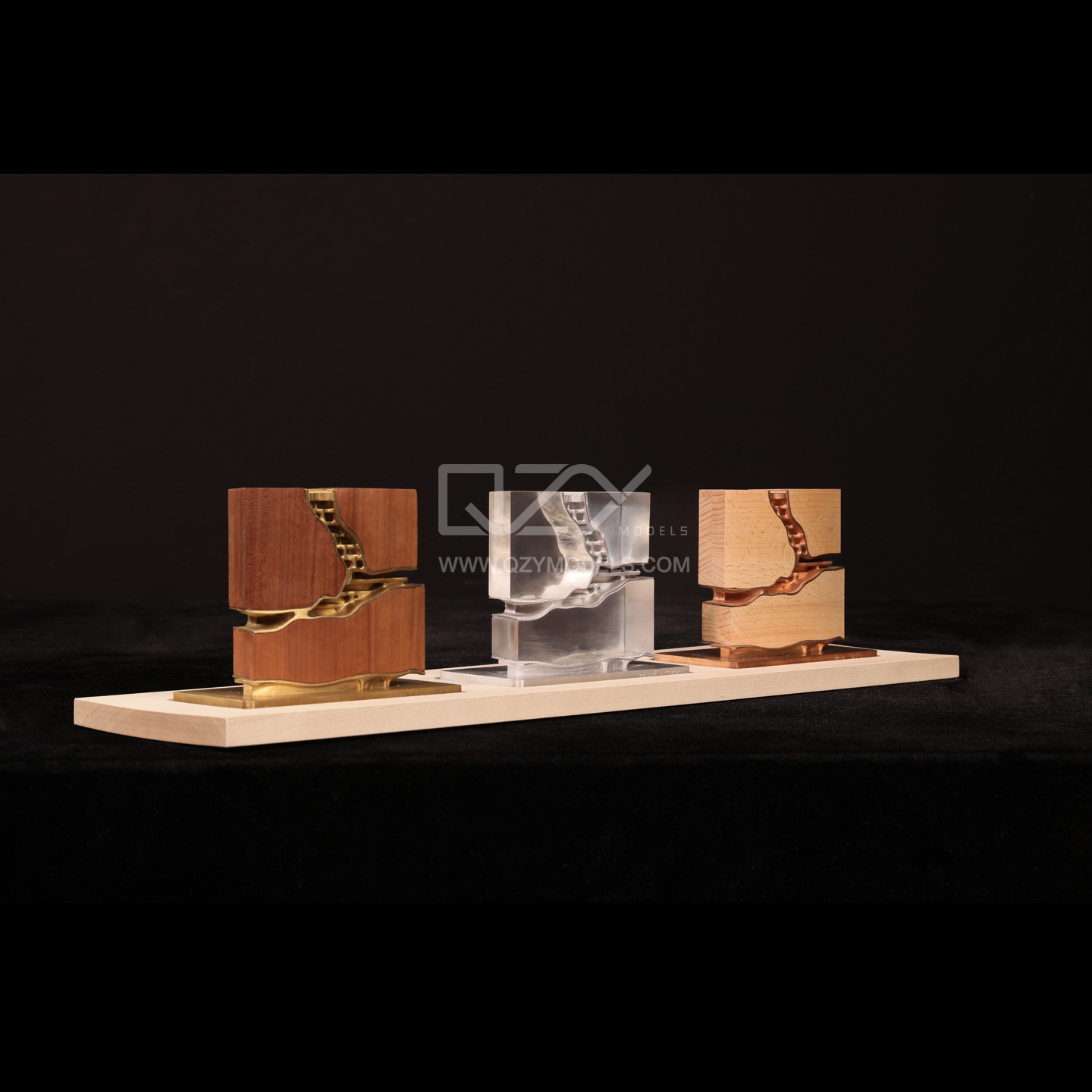
Creating high-quality architecture models combines material expertise, precision tools, and modern technology. Effective methods include foam board and wood selection, laser cutting or 3D printing for accuracy, layered construction for depth, and iterative sketch models to test concepts. These approaches deliver professional, visually compelling models that communicate design intent clearly, making them essential for architects, developers, and exhibition-ready presentations.
What Materials Work Best?
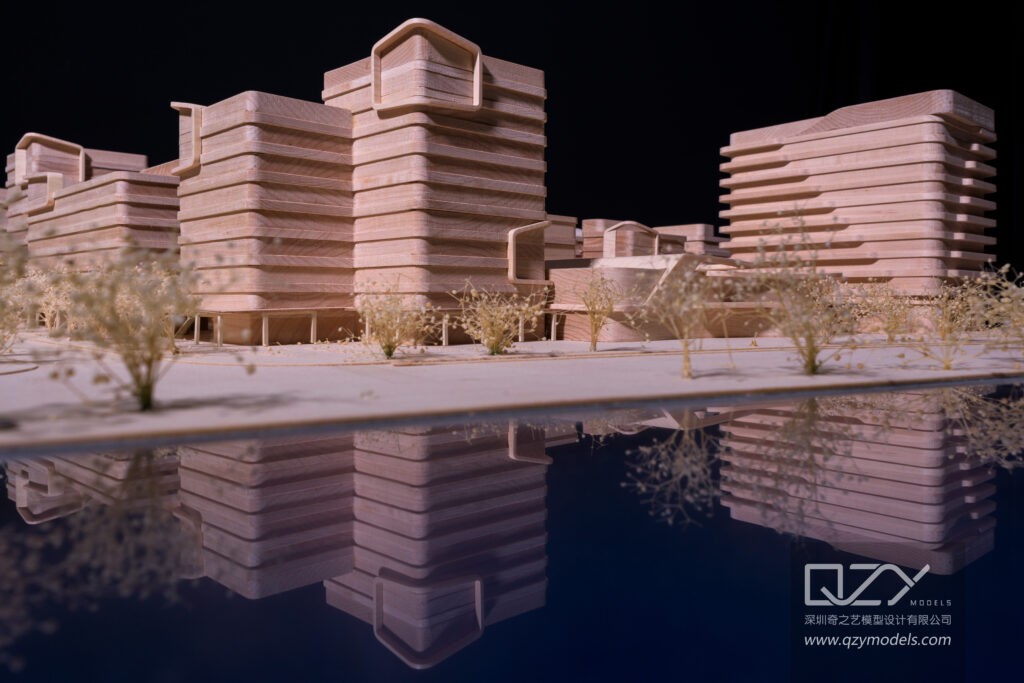
Choosing the right materials ensures models are both durable and visually appealing. Foam board, balsa wood, acrylic, and museum board are commonly used for their lightweight, cut-friendly properties. Foam is ideal for sketch models and rapid prototyping, while balsa wood provides structural strength. Acrylic accurately represents glass, and museum board offers a smooth finish for presentation purposes.
For industrial-grade precision, QZY Models uses premium resins and metals to withstand exhibition handling. Incorporating textures such as cork for landscaping or plexiglass for transparency enhances realism. Testing material samples ensures consistency with the design narrative.
| Material | Best Use | Pros | Cons |
|---|---|---|---|
| Foam Board | Sketch & study models | Lightweight, cost-effective | Less durable |
| Balsa Wood | Structural components | Easy to shape, strong | Requires sealing |
| Acrylic | Windows & facades | Clear, precise | Brittle if thick |
| Museum Board | Presentation finishes | Smooth, paintable | Higher cost |
This selection supports efficient workflows and high-quality output.
How Do You Choose the Right Scale?
Scale selection balances realism and practicality. Use 1:200 for site plans, 1:50 for building models, and 1:20 for interiors. Large scales reveal details without overcrowding, while smaller scales provide overview context.
QZY Models recommends testing multiple scales to refine visual impact and model functionality. Consider transport, display space, and viewer distance. Consistent scaling across all model elements avoids distortions and ensures professional presentation.
What Tools Are Essential?
Precision tools are critical for clean and accurate models. X-Acto knives, cutting mats, metal rulers, laser cutters, and 3D printers enhance accuracy. Tweezers, clamps, and quality adhesives ensure secure assembly.
Ergonomic handles reduce fatigue, while CNC machines allow flawless replication. Maintaining sharp blades and using proper sanding techniques contribute to polished finishes. QZY Models integrates both traditional tools and modern technology to optimize efficiency and quality.
How Can You Cut and Shape Accurately?
Accuracy relies on careful measuring, scoring, and gradual cutting. Foam can be scored and snapped; wood and acrylic require straightedges and fresh blades. Sanding edges creates seamless joins.
Templates and guides ensure repeatable precision. Laser cutting simplifies complex geometries and reduces human error. Practicing on scraps improves confidence and consistency, reflecting the professional standards QZY Models applies to every project.
Why Use Sketch Models First?
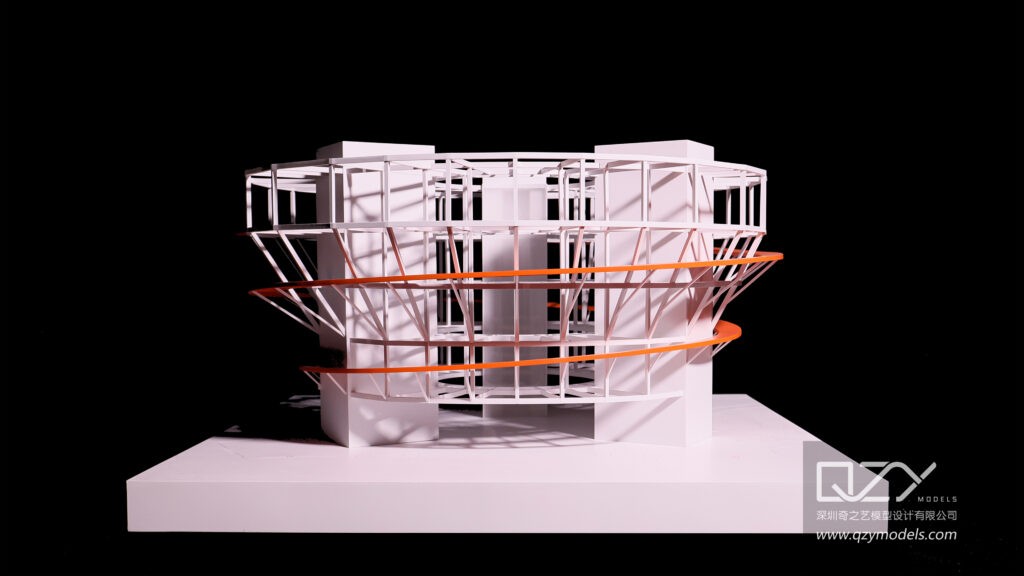
Sketch models allow rapid testing of ideas with inexpensive materials, revealing spatial or design issues before committing to final models.
Flexible and iterative, these models encourage creative exploration and reduce waste. QZY Models combines physical sketches with digital prototypes, integrating feedback loops early to enhance efficiency and accuracy in the final presentation.
How Do Modern Technologies Enhance Models?
Technologies like laser cutting, 3D printing, and CNC milling improve speed, precision, and complexity. Laser cutters produce interlocking components with minimal glue, while 3D printers handle intricate topography and organic shapes.
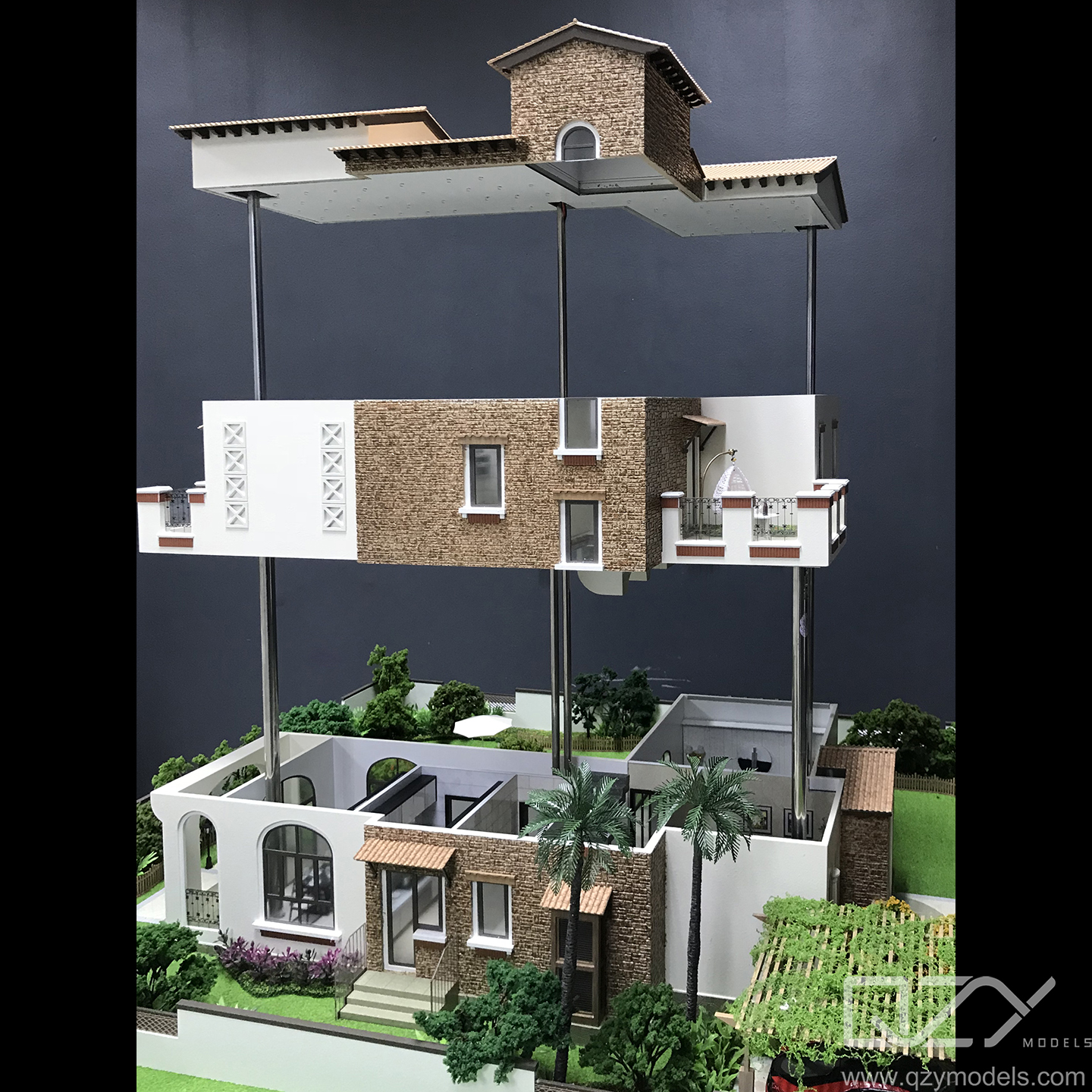
Hybrid workflows merge handcraft with technology for textures and realism. QZY Models leverages these tools to produce high-fidelity architectural and industrial models for global clients, including top-tier architects and developers.
QZY Models Expert Views
“At QZY Models, we have refined model-making techniques over 20+ years, merging Shenzhen craftsmanship with advanced technologies. Early-stage prototypes bridge digital designs and physical outcomes, ensuring accurate, exhibition-ready models. Combining laser-cut facades with hand-sculpted landscapes produces immersive visual narratives that consistently impress clients and stakeholders.”
—Richie Ren, Founder, QZY Models
This perspective highlights QZY Models’ approach to blending creativity, precision, and technology.
Also check:
Architecture Concept Models: Key Benefits and Applications in Conceptual Model Design
What Are Architecture Concept Models?
What Are Key Benefits of Architecture Concept Models?
How Are Architecture Concept Models Used?
What Materials Are Best for Architecture Concept Models?
What Are Best Architecture Model Techniques?
How Do You Assemble and Finish?
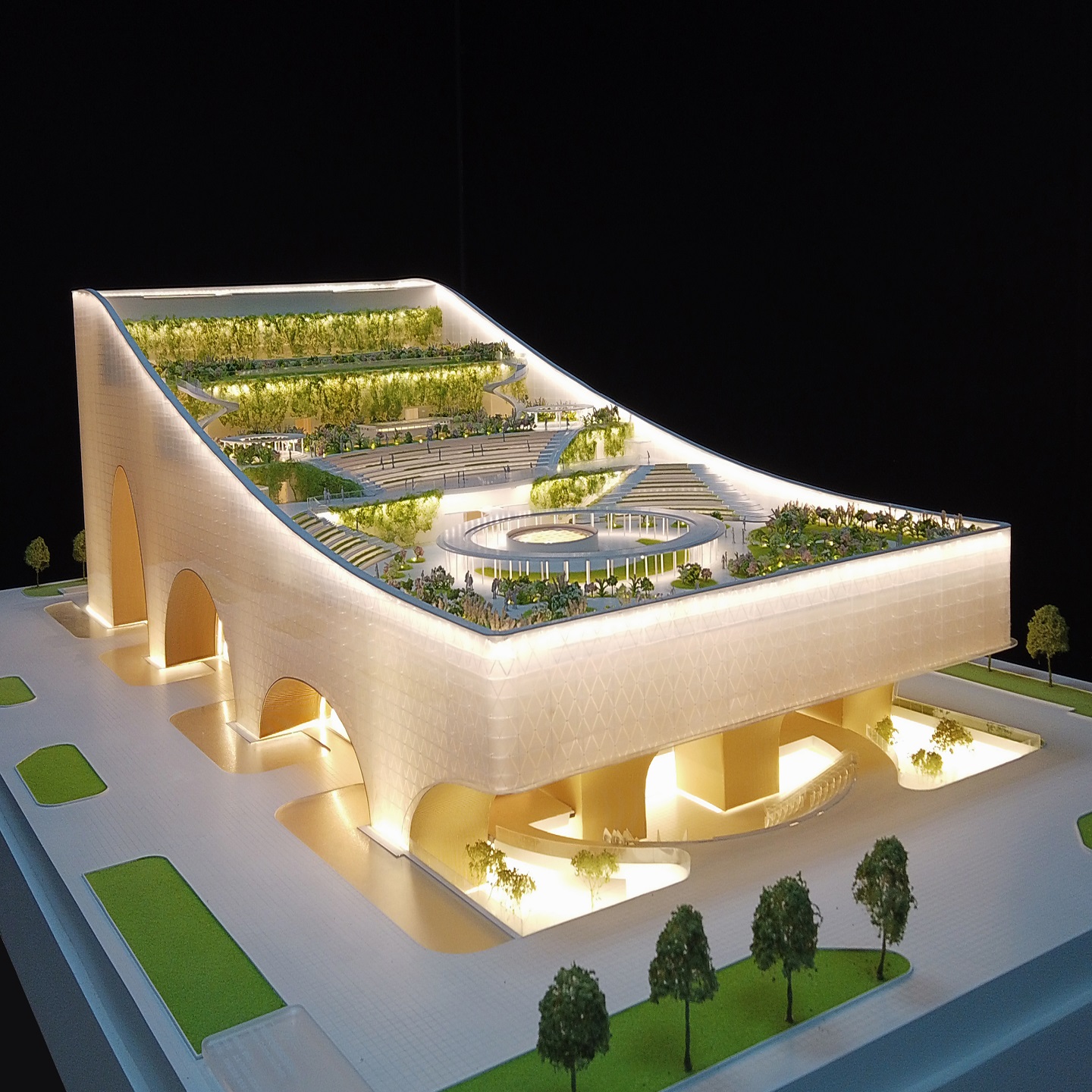
Assemble models by dry-fitting parts, applying adhesives sparingly, and using clamps or pins for stability. Layered painting, weathering effects, and LED lighting enhance realism.
Professional finishing transforms models into compelling presentations. QZY Models incorporates vacuum-formed details and precise texturing to elevate visual impact.
| Technique | Tool | Finish Benefit |
|---|---|---|
| Layered Painting | Airbrush | Depth and realism |
| Weathering | Pastels | Texture and life-like appearance |
| Lighting | LEDs | Interior and display enhancement |
| Varnishing | Brush | Surface protection |
What Common Mistakes Should You Avoid?
Frequent mistakes include inaccurate measurements, dull blades, excessive adhesive, and neglecting context. Correct measurement practices, sharp tools, minimal glue, and attention to environmental and spatial context prevent errors.
QZY Models ensures high-quality, exhibition-ready results through rigorous quality control and careful planning, avoiding these common pitfalls.
Conclusion
Mastering architectural models requires thoughtful material choices, precise tools, iterative sketching, and strategic technology use. Begin with small-scale prototypes, refine through detailed processes, and integrate realistic finishes. Partnering with experts like QZY Models ensures professional outcomes that effectively communicate design intent, elevate presentations, and engage clients worldwide.
FAQs
What scale is best for beginners?
1:100 is ideal, balancing manageable detail with clear visibility for residential or small-scale projects.
Can I use a home printer for models?
Home printers are limited to paper concepts. Use 3D printers or laser cutters for durable, precise models.
How long does a presentation model take to complete?
Completion ranges from 2–10 days depending on complexity. Experienced teams like QZY Models optimize production through coordinated workflow and technology.
Are digital models replacing physical models?
No, physical models provide tactile, immersive experiences essential for client presentations and jury reviews.
What budget is needed for starter tools?
$100–300 covers essential knives, mats, adhesives, and foam. Gradually upgrade to achieve higher-quality results.