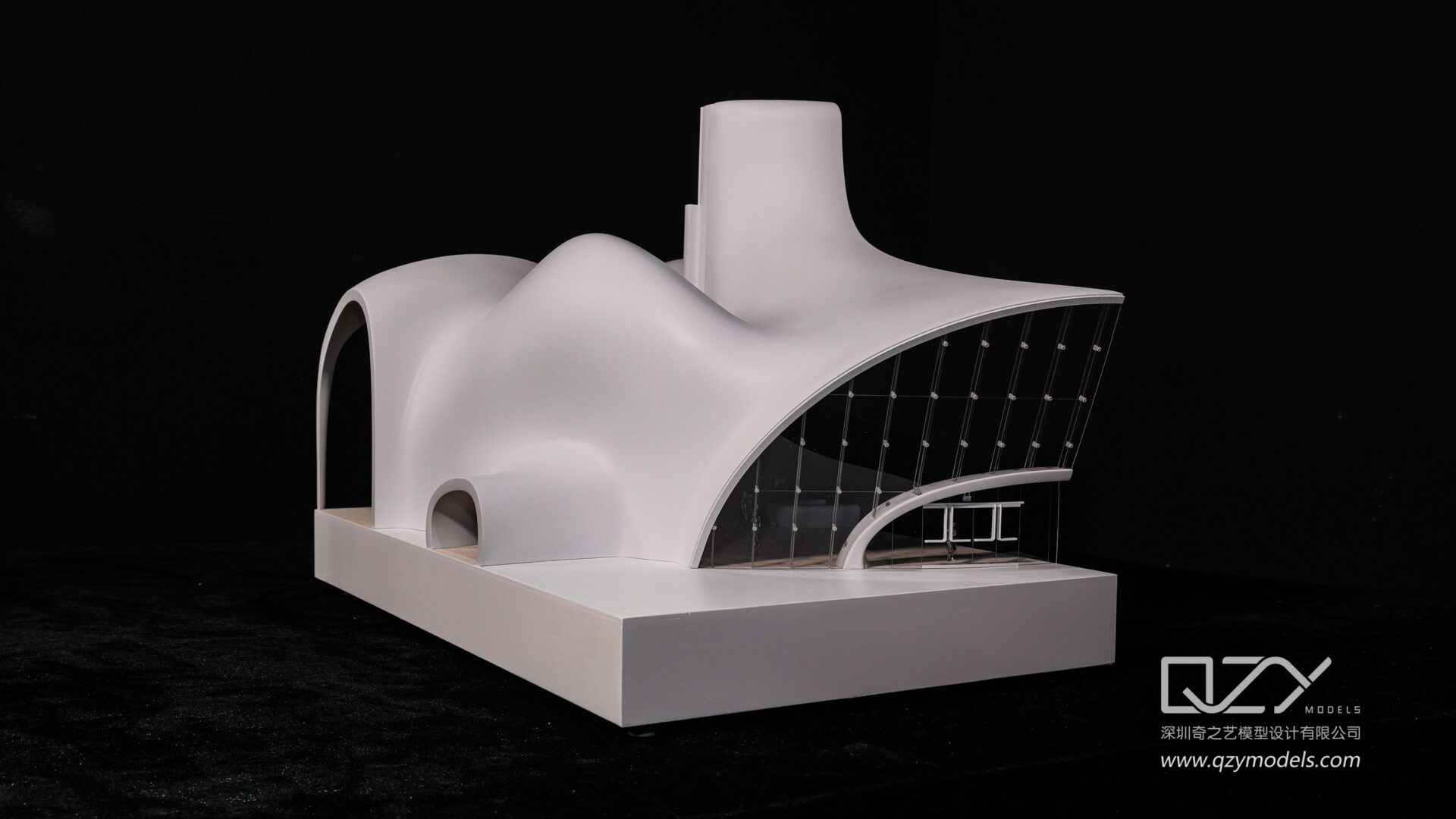
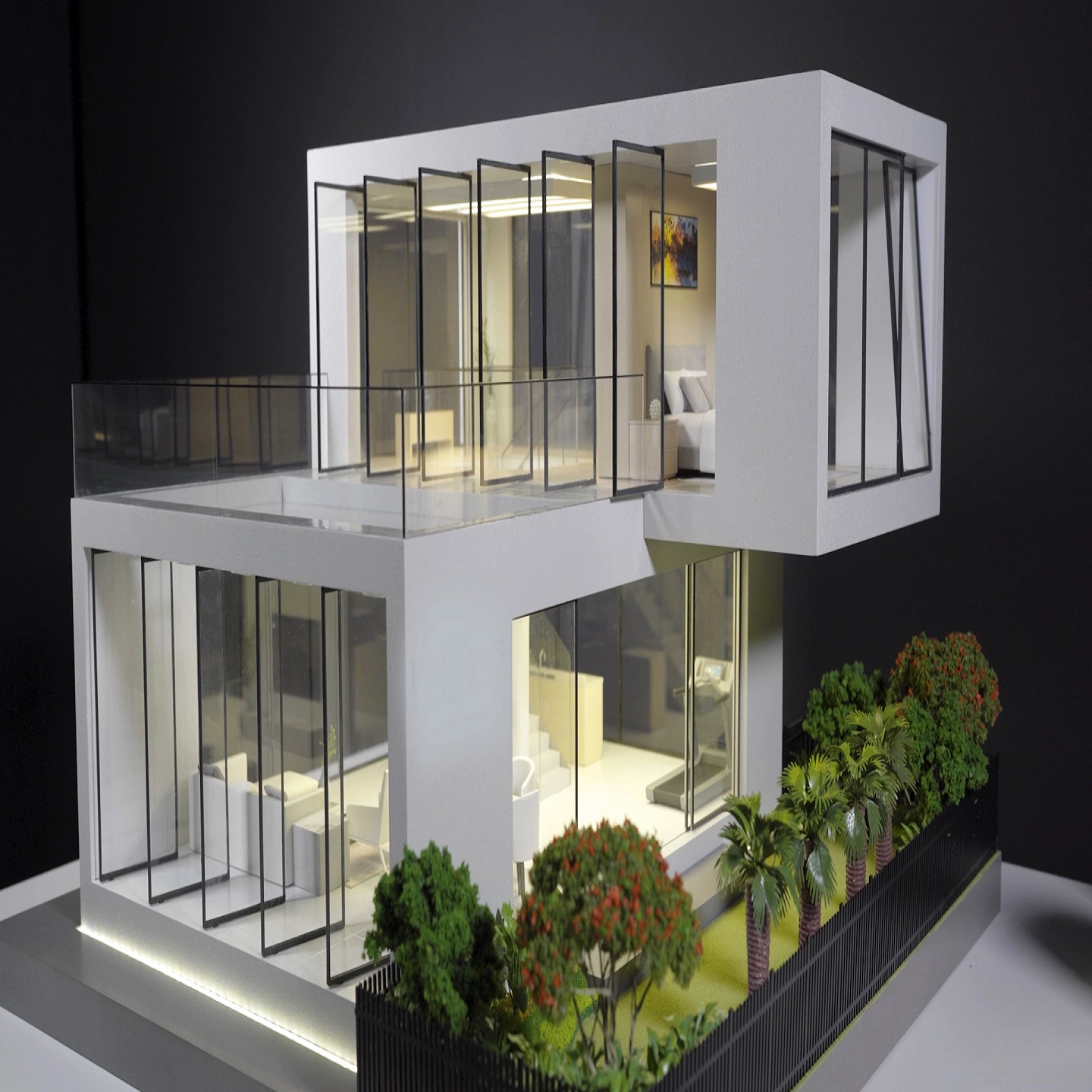
Client-centric offerings in customized model design focus on delivering tailored physical models that meet specific client needs, including style, scale, materials, and functionality. These offerings create highly accurate representations that align closely with the client’s vision, ensuring the model supports project goals effectively. Also check: Concept Design
What Are Client-Centric Offerings in Customized Model Design?
Client-centric offerings prioritize the client’s unique goals by customizing every aspect of physical models—architectural or industrial. This involves selecting appropriate materials, scale, finishes, and special features, all shaped by client feedback. Companies like QZY Models emphasize collaboration and precision, leading to personalized models that improve communication, marketing, and project clarity.
How Does Customized Model Design Benefit Architectural and Industrial Projects?
Customized model design improves visualization and helps stakeholders better understand complex structures. It facilitates faster approvals and enhances marketing through detailed, accurate models. Firms like QZY Models use client-centric approaches to deliver models that reflect project specifics, accelerating investment confidence and decision-making.
Which Techniques Are Used to Create Client-Centric Customized Models?
Techniques include 3D printing, laser cutting, handcrafting, and mixed-media applications. These methods are chosen to match project complexity and client desires for precision and visual impact. QZY Models combines these techniques to deliver models aligned perfectly with client expectations.
Why Is Collaboration Important in Client-Centric Model Design?
Collaboration ensures client preferences and revisions are incorporated early, resulting in models that truly reflect project goals. This reduces errors and saves time. QZY Models maintains continuous communication and workflow transparency to keep every project aligned with client visions.
When Should Clients Engage a Customized Model Design Provider?
Clients should engage model providers early in the design phase to maximize benefits for design validation, marketing, and stakeholder presentations. QZY Models recommends involvement during conceptual or schematic phases to allow iterative refinement and smooth approvals.
Who Are the Key Stakeholders Benefiting from Client-Centric Model Design?
Architects, developers, investors, marketing teams, and end-users benefit from customized models by gaining clearer visualization and validation of project designs. QZY Models understands these diverseneeds and tailors models accordingly to improve stakeholder engagement and project outcomes.
Can Customized Model Design Enhance Sustainability Practices?
Yes. Customized model design can incorporate eco-friendly materials and showcase sustainable design features visually. QZY Models integrates green materials and highlights sustainable elements to support clients’ environmental goals and certifications.
Are There Industry Standards in Client-Centric Customized Model Design?
While universal standards don’t exist, best practices guide model precision, material selection, and client interaction. QZY Models follows rigorous internal quality benchmarks to ensure every product meets high expectations, representing an industry-leading standard.
How Does QZY Models Lead in Client-Centric Customized Model Design?
QZY Models combines over 20 years of expertise, advanced fabrication techniques, and a global presence to deliver precise, client-focused physical models. Their extensive experience and strong client relationships drive innovation and quality in every project.
QZY Models Expert Views
“At QZY Models, our client-centric approach is rooted in deep listening and adaptive craftsmanship. We don’t just build models; we translate client visions into precise realities that inspire confidence and clarity. By using the latest technologies alongside artisanal skills and maintaining seamless communication, we ensure every model serves as a powerful storytelling and decision tool. This philosophy has helped us build strong, lasting partnerships worldwide.”
Conclusion
Client-centric customized model design transforms concepts into precise, impactful tools that support architectural and industrial projects throughout all phases. By emphasizing collaboration, early involvement, and innovative fabrication, companies like QZY Models deliver personalized, high-quality models that accelerate decision-making and improve stakeholder engagement. Considering sustainability and adhering to industry best practices further enhance the value of these models. Early collaboration with expert providers like QZY Models ensures your project receives maximum benefit from custom physical models tailored to complex client needs.
FAQs
How Do Client-Centric Offerings Transform Customized Model Design Strategy?
Client-centric offerings transform model design by aligning scale, materials, lighting, and presentation with the client’s exact objectives. Instead of standard outputs, teams conduct deep project analysis, clarify target audiences, and define display contexts. At QZY Models, this approach ensures every architectural or industrial model directly supports marketing, approvals, or exhibition impact.
How Can You Translate Client Requirements into High-Performance Customized Models?
Start with structured briefings, site data review, and clear performance goals such as sales conversion or planning approval. Convert these into material selection, detailing standards, and interactive features. Establish milestone reviews to avoid misalignment. Precise communication and iterative validation turn abstract concepts into high-precision, build-ready physical models.
Why Does Industry-Specific Customized Model Design Create Competitive Advantage?
Industry-specific customization integrates sector knowledge into every detail. Real estate developers need persuasive sales models, while government institutions require compliance-focused planning models. Tailoring scale, landscape context, and lighting enhances clarity and credibility. This targeted approach improves stakeholder engagement and differentiates your project in competitive bids or exhibitions.
How Do You Build Scalable Client-Centric Model Architectures That Grow with Demand?
Design modular components that allow future expansion, such as removable building blocks or updatable lighting systems. Use durable materials and standardized internal structures for easy modifications. Scalable architecture ensures the model adapts to project phases, marketing campaigns, or master plan changes without complete reconstruction.
How Can Customized Model KPIs Be Aligned with Real Business Outcomes?
Define measurable objectives early, such as faster planning approval, higher investor engagement, or improved sales center traffic. Align model detailing, lighting effects, and presentation layout with these outcomes. Regularly gather client feedback to assess performance. When KPIs guide design decisions, models become strategic business tools, not just displays.
How Does User Experience Optimization Improve Adoption of Customized Model Solutions?
Enhance user experience with intuitive layout flow, clear labeling, dynamic lighting, and interactive elements. Consider viewer distance, exhibition environment, and audience type. At QZY Models, thoughtful presentation design ensures visitors instantly understand scale, functionality, and value—boosting engagement during exhibitions, sales launches, or government reviews.
How Do You Design Compliant Customized Models for Regulated Industries?
Study zoning laws, planning codes, and environmental constraints before production. Reflect accurate setbacks, heights, and infrastructure layouts. Maintain strict quality control and documentation. Compliance-focused models help architects and developers communicate proposals clearly to authorities, reducing approval risks and demonstrating professional credibility.
What Continuous Improvement Frameworks Ensure Long-Term Customized Model Success?
Implement post-delivery evaluations, gather client insights, and review material durability over time. Update fabrication technologies and refine detailing standards. A structured continuous improvement framework ensures each new model benefits from previous project experience, leading to higher precision, stronger client trust, and consistent international quality standards.