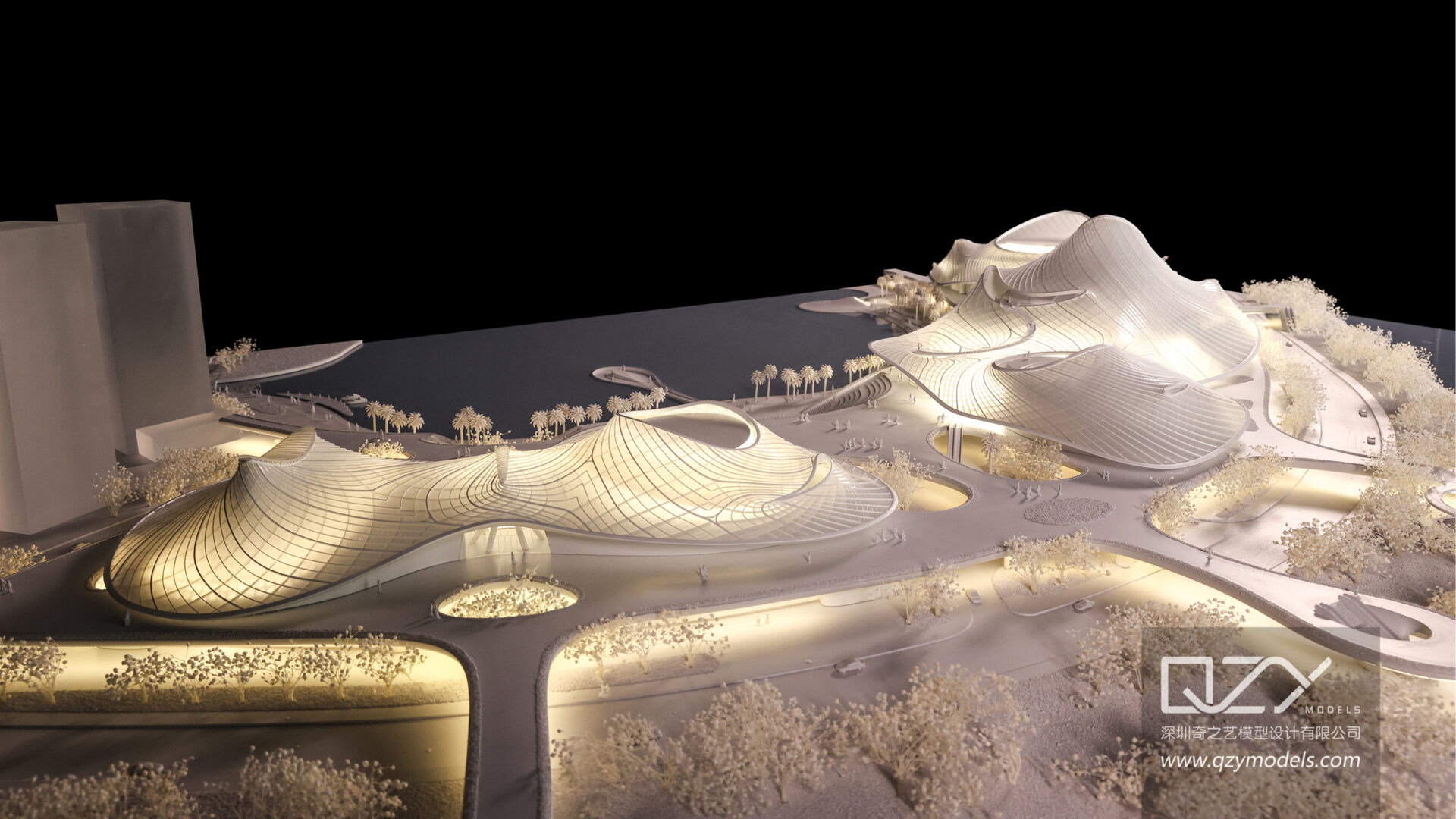
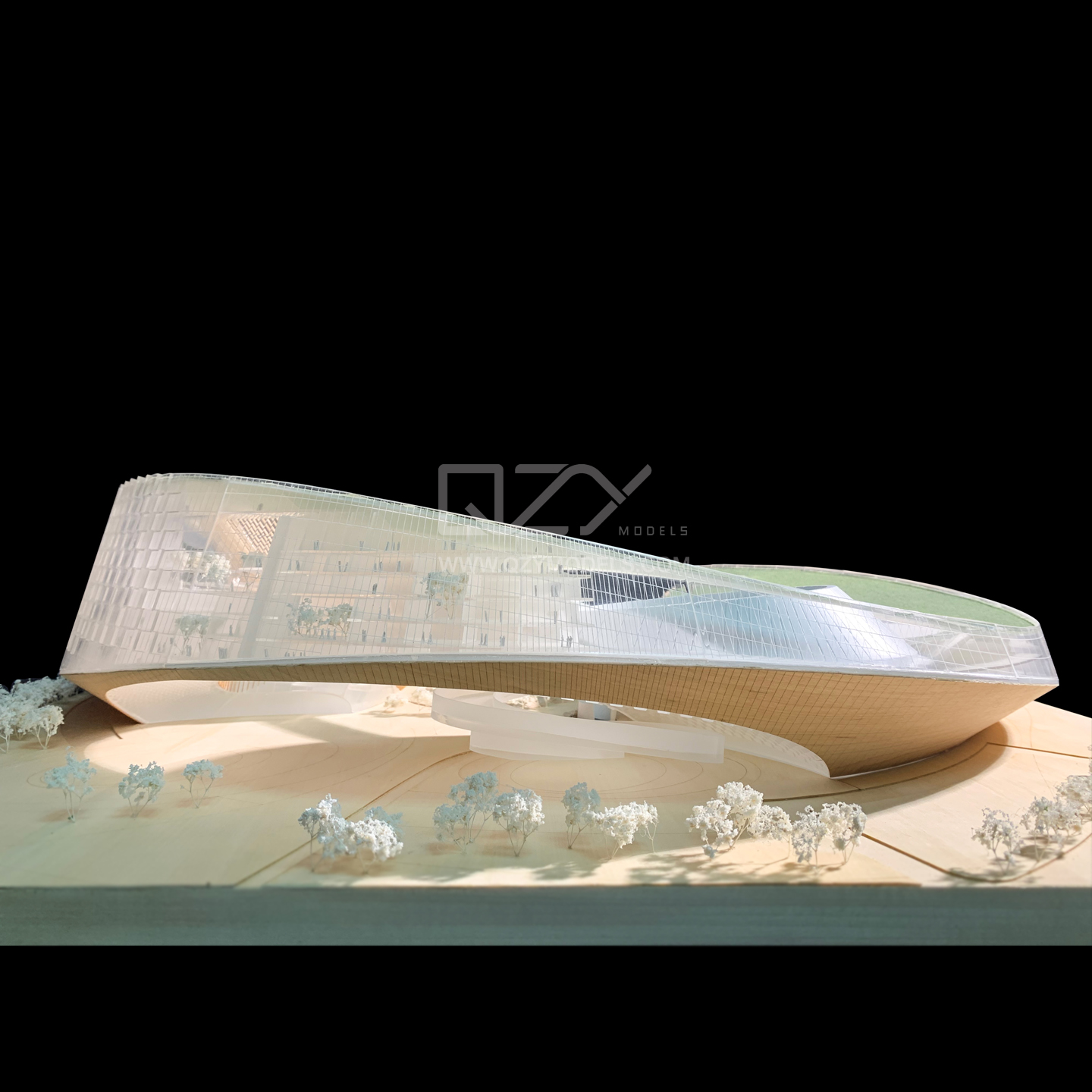
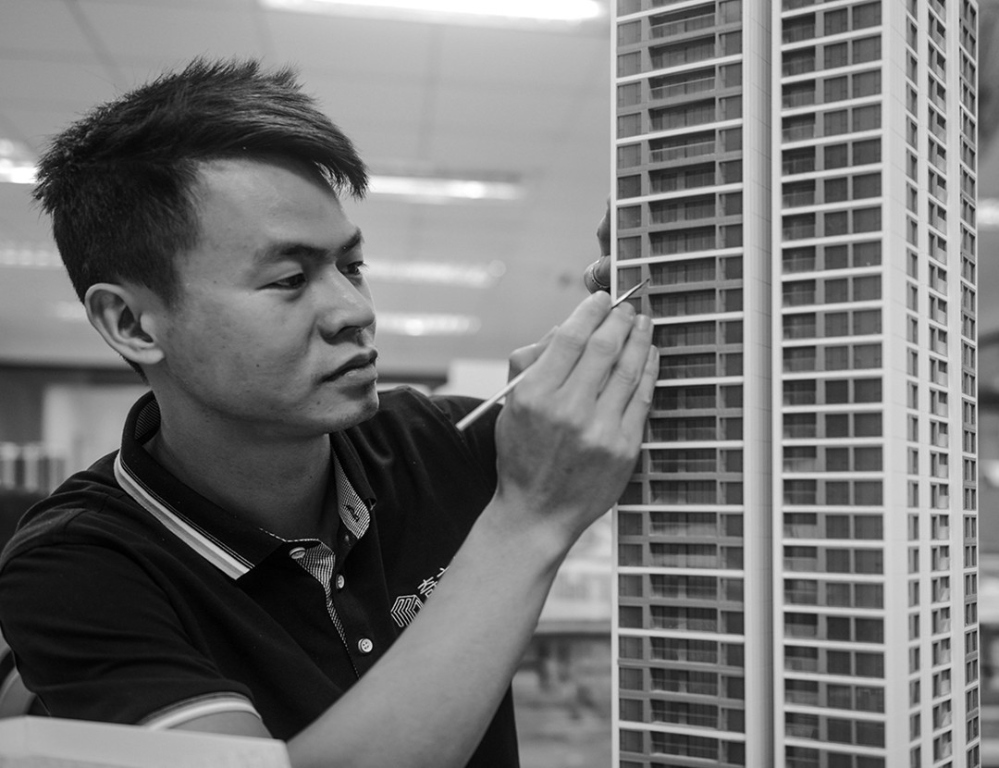
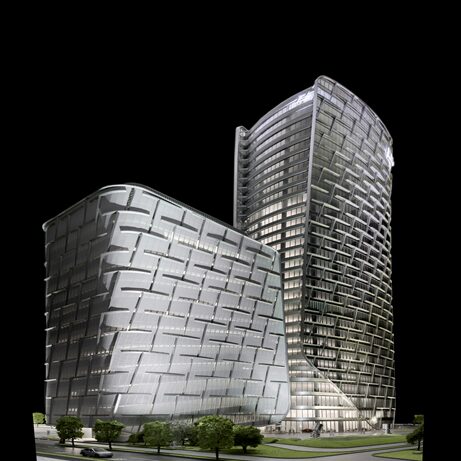
Custom 3D printed landscape models are highly detailed, scalable physical representations of terrain, vegetation, water bodies, and built environments created through additive manufacturing. They provide accurate, tactile visualizations that help planners, architects, and developers communicate design intent and environmental context effectively.
How Do Custom 3D Printed Landscape Models Benefit Designers and Clients?
These models deliver precise topographic and environmental representations that improve spatial understanding, enhance stakeholder communication, and support informed decision-making. They allow rapid prototyping and iteration, saving time and costs compared to traditional hand-built models. Clients gain realistic, durable visuals that convey complex landscapes with clarity.
What Are the Key Steps Involved in Creating Custom 3D Printed Landscape Models?
The production workflow includes:
-
Data Acquisition: Collecting geospatial, topographic, and environmental data via GIS, LIDAR, or surveys.
-
Digital Modeling: Creating and optimizing a 3D digital terrain model using CAD or GIS software to ensure printability.
-
Material and Technology Selection: Choosing suitable printing technology (SLS, SLA, FDM) and materials (resins, nylon, plastics) based on detail, size, and durability.
-
3D Printing: Fabricating the landscape components layer by layer with precise layering and surface finishes.
-
Post-processing: Cleaning, sanding, painting, and assembling modular parts to enhance aesthetics and realism.
-
Final Presentation: Integrating vegetation, water, and built elements either physically or digitally to complete the model.
Which Technologies and Materials Are Best for Custom 3D Printed Landscape Models?
-
Technologies:
-
Selective Laser Sintering (SLS): Ideal for large, detailed models with durable surfaces.
-
Stereolithography (SLA): Provides high resolution and smooth finishes, excellent for intricate terrain features.
-
Fused Deposition Modeling (FDM): Cost-effective for larger, less detailed models.
-
-
Materials:
-
Polyamide (Nylon) powders for strength and detail in SLS.
-
Photopolymer resins for fine detail and smooth texture in SLA.
-
PLA or ABS plastics for flexible and affordable FDM printing.
-
| Technology | Best Use Case | Advantages | Considerations |
|---|---|---|---|
| SLS | Durable terrain, large parts | High strength, smooth surfaces | Higher cost, requires vents in hollow parts |
| SLA | Detailed topography | High resolution, fine detail | Slower prints, material fragility |
| FDM | Large scale, rough terrain | Affordable, fast | Lower detail, visible layer lines |
Why Is Customization Important in 3D Printed Landscape Models?
Customization ensures models accurately reflect site-specific characteristics such as elevation, vegetation types, water features, and human-made structures. Tailored scaling, color application, and integration of local environmental data provide realistic and relevant visualizations, promoting better engagement and more precise planning outcomes.
Custom options also allow inclusion of dynamic features like urban growth phases or environmental scenarios.
Who Typically Uses Custom 3D Printed Landscape Models?
Urban planners, architects, landscape designers, environmental consultants, real estate developers, and educational institutions use these models. They support project presentations, public consultations, environmental impact assessments, and design development. Leading firms and international clients, including those served by QZY Models, rely on these models for clarity and impact.
How Does QZY Models Ensure Quality and Innovation in Custom 3D Printed Landscape Models?
QZY Models applies over 20 years of expertise, combining advanced 3D printing technologies with skilled craftsmanship. Their global operations ensure careful data integration, material selection, and finishing techniques tailored to client needs. Digital simulations, modular design, and precise assembly guarantee models are visually stunning, durable, and dimensionally precise.
Their innovation focuses on balancing detail, timeliness, and cost-efficiency for diverse landscape applications.
When Should Clients Engage Custom 3D Printed Landscape Model Services?
Early involvement during conceptual design or feasibility studies maximizes the model’s impact. This timing allows data collection alignment, iterative design testing, and integration of landscape changes. Engaging specialists like QZY Models early fosters seamless project workflows, efficient scheduling, and optimal model customization.
What Challenges Exist in 3D Printed Landscape Model Production and How Are They Overcome?
Challenges include handling large datasets, maintaining spatial accuracy at scale, achieving realistic textures, and managing print size constraints. Post-processing and assembly complexities arise due to model modularity and fragile materials. Logistics related to shipping delicate models also present risks.
QZY Models addresses these by employing modular designs, advanced software validation, high-quality materials, and expert packaging. Client collaboration throughout the process ensures expectations are met and adjustments are timely.
QZY Models Expert Views
Custom 3D printed landscape models represent a fusion of technology and artistry that transforms complex terrains into tangible, immersive visualizations. At QZY Models, we leverage cutting-edge 3D printing methods combined with decades of modeling expertise to deliver precise, scalable, and engaging landscape representations. Our global team ensures every model reflects the unique character of its site, aiding clients in communicating vision and making informed planning decisions.” – Richie Ren, Founder, QZY Models
Conclusion
Custom 3D printed landscape models are essential tools for visualizing, communicating, and analyzing terrain and environmental designs with unmatched precision and realism. By integrating advanced printing technologies, tailored materials, and expert craftsmanship, providers like QZY Models produce impactful models that enhance stakeholder understanding and support sustainable development. Early collaboration, careful data processing, and innovative production techniques are key to producing effective landscape models.
Frequently Asked Questions
Q: What level of detail can custom 3D printed landscape models achieve?
A: They can capture sub-millimeter topographic features, realistic water bodies, and vegetation textures depending on printing technology and scale.
Q: Can large landscapes be printed as single pieces?
A: Large models are typically printed in modular sections for easier handling and assembly, ensuring dimensional accuracy.
Q: What finishing options enhance landscape model realism?
A: Painting, airbrushing, application of static grass or foliage, and UV coating improve aesthetics and durability.
Q: Does QZY Models support international clients for landscape models?
A: Yes, QZY Models operates globally with local branches to deliver customized landscape models across continents.
Q: How long does it take to produce a custom 3D printed landscape model?
A: Timelines range from several weeks to a few months depending on model size, complexity, and finishing requirements.