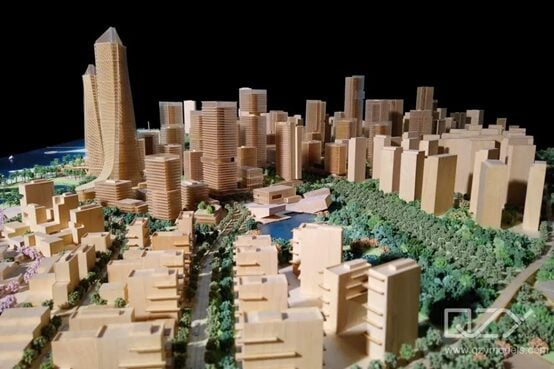
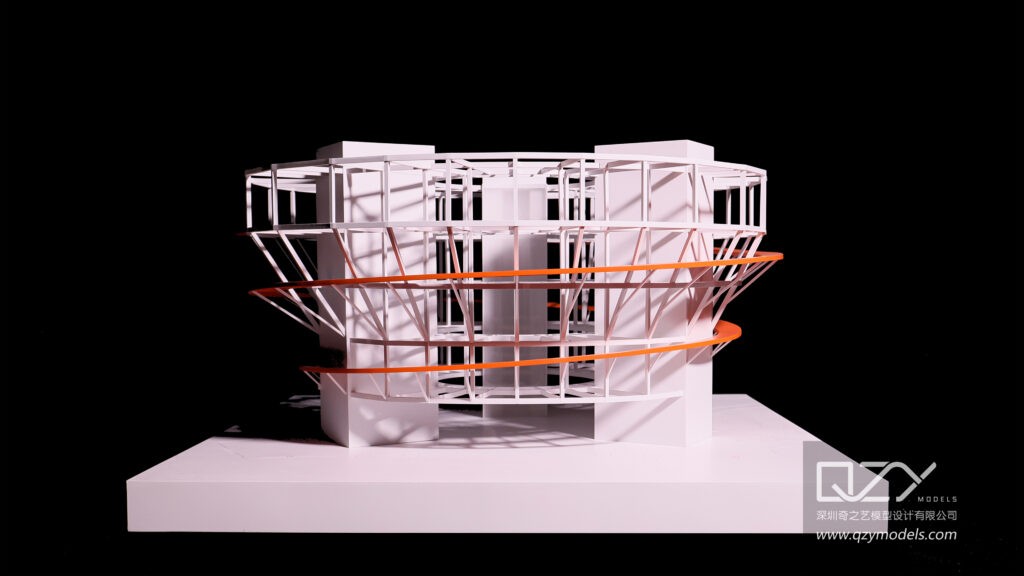
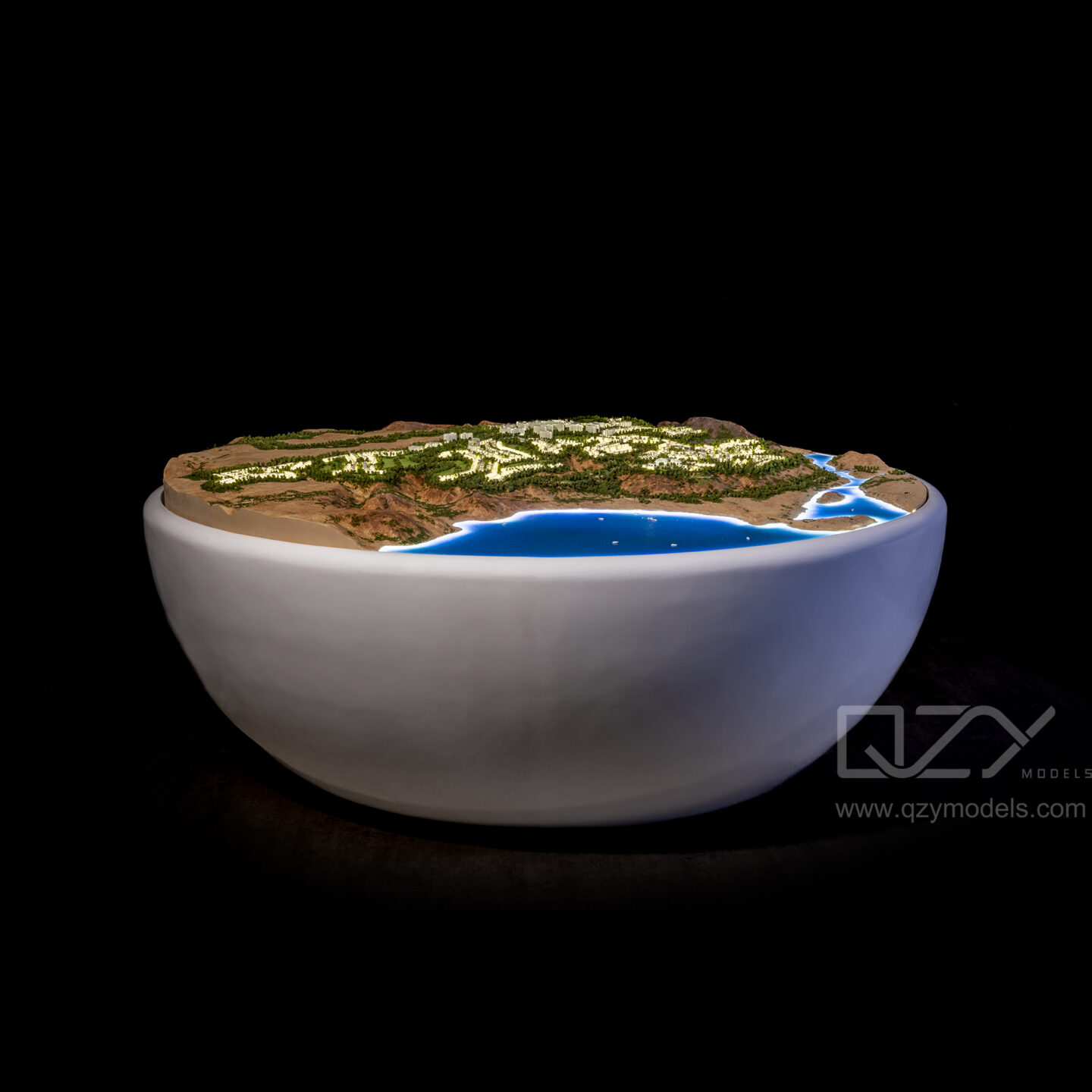
Custom architectural models are precise, scaled physical or digital replicas of buildings used by architects, developers, and real estate professionals to visualize, present, and market projects. They offer a tangible perspective beyond drawings, boosting design clarity, client engagement, and approval success throughout a building’s lifecycle. Also check: Custom Architectural Models
What Are Custom Architectural Models and Why Are They Important?
Custom architectural models are handcrafted or digitally fabricated scale replicas of architectural designs, tailored to project needs. They help visualize complex concepts, improve communication among stakeholders, and support marketing efforts.
These models provide a three-dimensional representation that enables architects, clients, and investors to better understand spatial relationships and design intent compared to two-dimensional drawings. They range from conceptual massing models to elaborate, detailed, textured replicas made from varied materials such as wood, plastics, resins, or foam. At QZY Models, these precision models help drive informed decisions, enhance presentations, and facilitate approval processes across project phases.
How Are Modern Techniques Revolutionizing Custom Architectural Model-Making?
Techniques like 3D printing, laser cutting, and CNC machining enhance speed, precision, and detail in custom architectural models compared to traditional handcrafted methods.
3D printing allows rapid production of intricate components with fine details and complex geometries. Laser cutting provides exact, clean cuts for materials, enabling precise assembly. CNC machining offers automated precision carving and fabrication. Digital 3D renderings and animations complement physical models by showcasing project visuals dynamically. QZY Models integrates these technologies to deliver innovative, high-quality custom architectural models tailored to client specifications and project requirements.
Which Purposes Do Custom Architectural Models Serve in Construction and Real Estate?
Custom architectural models are practical for design visualization, client presentations, marketing, conceptual planning, and securing regulatory approvals.
Architectural models serve multiple roles vital from concept inception through sales stages. Early massing models help design teams explore form and scale. Detailed presentation models captivate clients and support investor pitches by contextualizing architecture aesthetically and functionally. In real estate, models boost sales through immersive buyer experiences. Officials often require physical models for design review and permit approvals. QZY Models focuses on crafting models that fulfill these varied roles with accuracy and persuasive impact.
| Purpose | Benefit | Example Use Case |
|---|---|---|
| Design Visualization | Clearer spatial understanding | Early-stage design review |
| Client Presentations | Enhanced engagement and decision-making | Stakeholder meetings |
| Marketing & Sales | Persuasive, tangible representation | Real estate exhibitions |
| Regulatory Approvals | Facilitates planning permissions | City planning commission reviews |
How Can Custom Architectural Models Be Customized to Meet Specific Project Needs?
Models are highly customizable in terms of detail level, materials, scope, and functionalities to suit project goals and budgets.
Detail levels vary from basic conceptual shapes to photorealistic models with textures, colors, lighting, and visible interiors. Materials range from foam boards for concept models to premium acrylic, resins, or wood for exhibition-quality pieces. Scope can include a single building, a landscaped site with vehicles, or entire urban masterplans. Functional features like removable roofs or lighting effects enhance interactivity. QZY Models specializes in bespoke solutions, ensuring each architectural model maximizes communicative value and aesthetic appeal.
Who Benefits Most from Using Custom Architectural Models in Their Projects?
Architects, developers, real estate agents, investors, and city planners benefit most by improving communication, marketing, design validation, and regulatory approvals.
Different stakeholders use architectural models to streamline projects. Architects gain better design understanding and collaboration tools. Developers and investors attract funding or pre-sales with persuasive visuals. Real estate professionals enhance buyer experience through immersive displays. Planners and regulators review models to assess compliance and community impact. QZY Models serves world-leading architects and global developers, highlighting how essential detailed models are in property and infrastructure ventures.
When Should Custom Architectural Models Be Integrated into the Design Process?
Models should be introduced early for conceptual planning and updated throughout design phases for presentations and approvals.
Early integration during schematic design clarifies massing, scale, and spatial relationships, enabling iterative improvement. As the project matures, detailed models support presentations to clients and investors. Near final design, models present precise details for marketing and regulatory submissions. Regular updates enhance communication and reduce costly revisions. QZY Models recommends phased model development aligned with milestones to optimize investment and impact.
Does Integrating Digital 3D Models Complement Physical Architectural Models?
Digital 3D renderings and animations complement physical models by offering interactive perspectives and design flexibility.
Physical models provide tactile spatial realism, while digital models allow dynamic exploration, quick design changes, and immersive walkthroughs. Together, they help clients and stakeholders visualize interiors, lighting, and context interactively. Combining both approaches enhances understanding and decision-making. QZY Models offers hybrid solutions where physical and digital models coexist, providing comprehensive presentation packages for effective communication.
What Are the Industry Trends Shaping the Future of Architectural Model-Making?
Emerging trends include sustainable materials, augmented reality integration, automation, and AI-assisted design.
The industry is adopting eco-friendly, biodegradable materials to reduce environmental impact. Augmented reality overlays physical models with digital information for enhanced interactivity. Automation using robotics and AI speeds fabrication and helps predict design adjustments. These innovations improve efficiency, customization, and client engagement. QZY Models actively explores these trends, ensuring leadership in delivering cutting-edge, sustainable, and intelligent architectural models.
Which Materials Are Most Effective for Creating Custom Architectural Models?
Materials range from foam, wood, acrylic, to resin and 3D printed plastics, chosen based on detail, durability, and model purpose.
Material choice balances budget, fidelity, and usage. Foam and balsa wood excel for rapid conceptual models; acrylic and resin offer durability and fine surface finish for presentation models. 3D printed plastics support complex geometries not possible by handcrafting. Environmental resilience and model longevity also factor in. QZY Models tailors material selection per project to ensure durability and photorealistic aesthetics aligning with client expectations.
| Material | Advantages | Typical Usage |
|---|---|---|
| Foam | Lightweight, easy to shape | Early conceptual massing models |
| Wood (Balsa) | Natural texture, affordable | Study models |
| Acrylic/Resin | Durable, detailed finish | Presentation-quality models |
| 3D Printed Plastics | Complex shapes, high detail | Intricate components |
QZY Models Expert Views
“At QZY Models, we understand the pivotal role architectural models play in turning complex blueprints into tangible realities. Our approach combines traditional craftsmanship with state-of-the-art technologies such as 3D printing and CNC machining, ensuring unmatched precision and innovation. Models are not mere displays—they are strategic tools that drive design clarity, enhance stakeholder engagement, and accelerate project approvals worldwide.”
— Richie Ren, Founder of QZY Models
Conclusion
Custom architectural models are essential throughout project lifecycles, offering unmatched clarity, communication, and marketing advantages. Modern fabrication technologies have transformed model-making with greater precision and speed. Serving diverse functions from early design to sales and regulatory approval, these models ensure stakeholders fully understand designs. Leading companies like QZY Models deliver tailored, innovative models that boost project success. Early integration and incremental updates optimize their value in any building venture.
FAQs
What Are Custom Architectural Models and Why Do They Matter?
Custom architectural models are precision-built physical representations of buildings or master plans used for visualization, marketing, and approvals. They matter because they transform complex drawings into tangible forms, improving spatial understanding and stakeholder confidence. Firms like QZY Models deliver high-detail models that elevate presentations and strengthen decision-making.
How Do Custom Architectural Models Enhance Building Projects?
Custom architectural models enhance projects by clarifying design intent, reducing miscommunication, and accelerating approvals. They help architects and developers detect design conflicts early and present concepts persuasively to investors. A detailed physical model improves collaboration and increases the likelihood of faster project buy-in.
How Does 3D Printing Improve Custom Architectural Models?
3D printing improves custom architectural models through higher precision, faster production, and cost efficiency. It converts BIM or CAD files into accurate components, enabling complex geometries and rapid revisions. This technology streamlines workflows and ensures consistent quality for both conceptual and large-scale developments.
Why Are Custom Architectural Models Powerful Marketing Tools?
Architectural presentation models capture attention in sales galleries and exhibitions. They help real estate developers communicate value instantly, increasing buyer engagement and investor trust. A high-impact model differentiates projects in competitive markets and shortens sales cycles through immersive visual storytelling.
Which Materials Are Best for Custom Architectural Models?
The best materials for custom architectural models depend on project goals. Acrylic offers clarity and durability, wood provides warmth and craftsmanship, while resin supports fine detailing. Selecting the right combination ensures long-term display quality, accurate scale representation, and premium visual appeal.
How Much Do Custom Architectural Models Cost?
The cost of custom architectural models varies based on size, complexity, materials, lighting, and technology used. Larger master plans and high-detail façades increase investment. Working with experienced specialists like QZY Models ensures optimized budgeting while maintaining superior craftsmanship and presentation quality.
How to Choose the Right Custom Architectural Model Maker?
Choose a provider with a strong portfolio, advanced fabrication technology, and international project experience. Evaluate craftsmanship quality, turnaround speed, and material expertise. A reliable model maker should offer clear communication and proven results across architectural, urban planning, and real estate sectors.
Where Are Custom Architectural Models Used Most Effectively?
Custom architectural models are widely used in urban planning, real estate marketing, government approvals, exhibitions, and design education. They simplify complex master plans, improve public engagement, and support investor presentations. Physical models remain essential for high-stakes projects requiring precise visual communication.