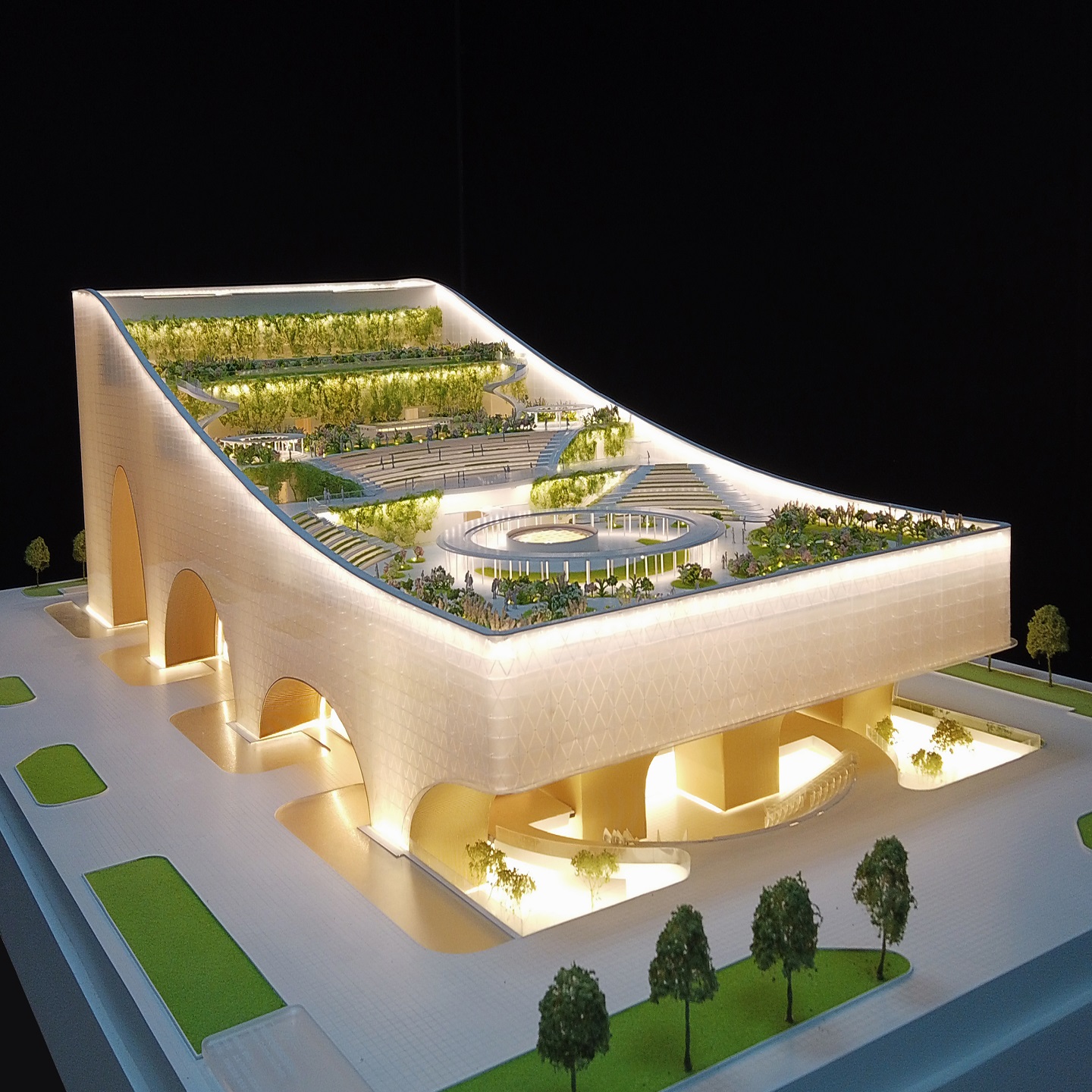
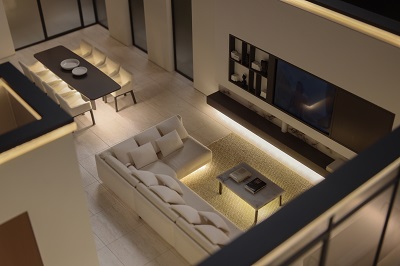
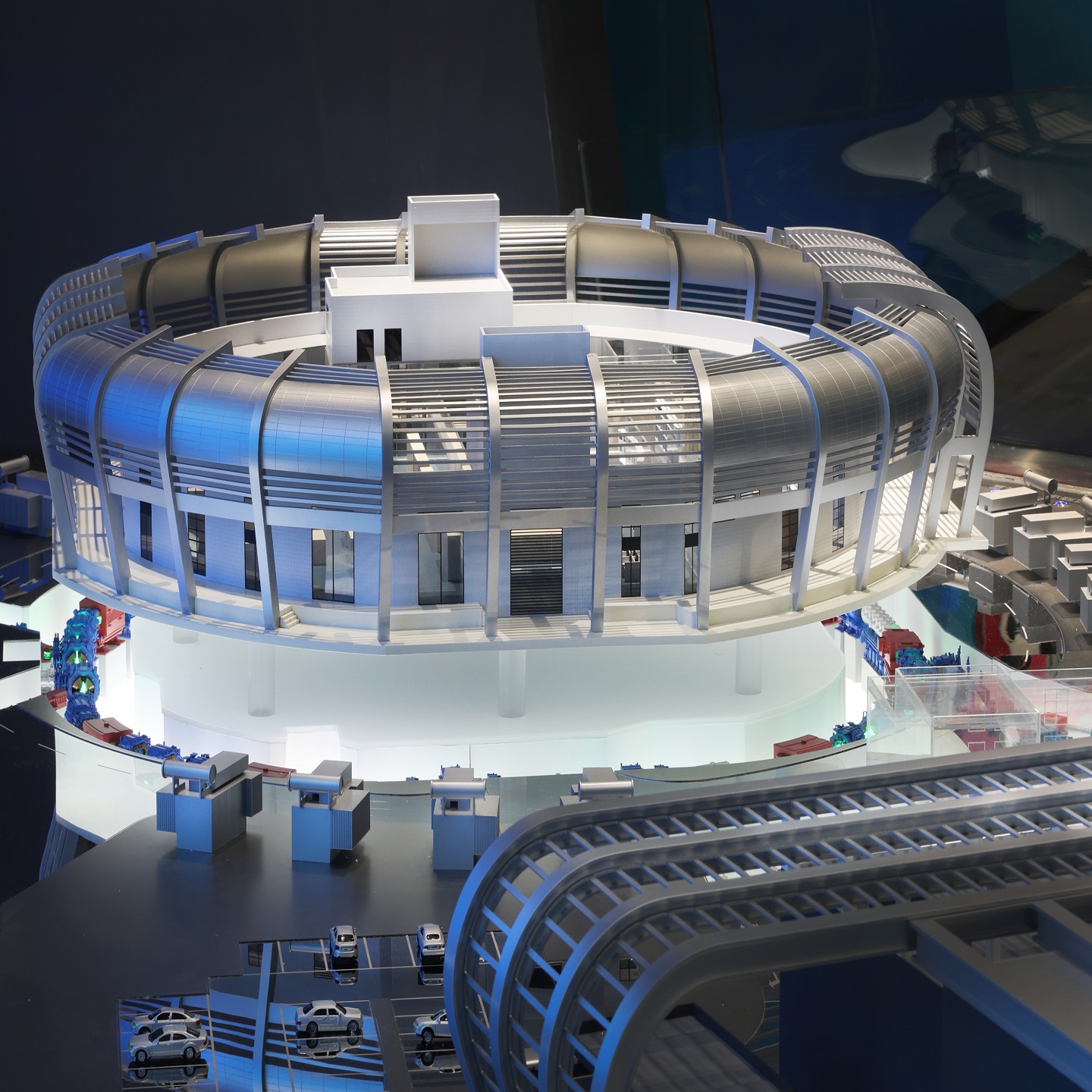
Custom high-end architectural models are meticulously crafted physical representations of architectural designs, created to scale with exceptional detail and quality. They provide clients, architects, and developers with a tangible visualization of projects, enhancing communication, design verification, and marketing. QZY Models specializes in delivering such bespoke models, combining craftsmanship with cutting-edge technology for unmatched precision and realism. Also check: Custom Architectural Models
What Are the Key Techniques Used in Creating Custom High-End Architectural Models?
Key techniques include precise laser cutting, 3D printing for complex components, hand-finishing, and detailed painting. Materials like acrylic, basswood, and metal etching enhance realism. QZY Models integrates advanced digital tools with artisanal skills to produce models that capture architectural nuance, from intricate facades to landscaping, ensuring clarity and impact in every project presentation.
How Does Material Selection Impact the Quality of High-End Architectural Models?
Material choice affects the model’s durability, texture, and realism. Premium materials such as high-quality acrylic, balsa wood, metal, foam board, and environmentally-friendly composites deliver superior finishes and longevity. QZY Models carefully selects materials based on design requirements and client needs, balancing aesthetics with practicality for models that are both beautiful and built to last.
Which Industries Benefit Most from Custom High-End Architectural Models?
Custom high-end architectural models serve architecture firms, real estate developers, urban planners, and cultural institutions. Models facilitate communication in project proposals, investor presentations, and public exhibitions. QZY Models has partnered with global architecture firms and developers, supporting industries requiring detailed, reliable physical representations to visualize complex projects and drive stakeholder engagement.
Why Is Precision Essential in High-End Architectural Model Making?
Precision ensures architectural accuracy, scale integrity, and superior detail, which are crucial for conveying design intent convincingly. It reduces misinterpretations and improves decision-making during design evaluation. QZY Models utilizes state-of-the-art equipment and rigorous quality control, ensuring each model reflects the exact specifications and visual quality demanded by discerning clients.
How Does Technology Enhance the Production of Custom Architectural Models?
Technology such as CAD software, 3D printing, and laser cutting streamlines design, prototyping, and fabrication, allowing for higher accuracy and efficiency. These tools enable the creation of complex geometries and textures impossible to achieve manually. QZY Models merges innovative technology with expert craftsmanship for models that showcase architectural vision with exceptional detail and speed.
When Should Clients Consider Commissioning Custom High-End Architectural Models?
Clients should commission custom models during key project phases such as concept development, design presentations, marketing launches, or public consultations. Early integration allows for design feedback and stakeholder engagement. QZY Models advises early collaboration to maximize the model’s strategic value throughout the project lifecycle, enhancing communication and project success.
Where Are Custom High-End Architectural Models Typically Displayed?
Models are displayed in client offices, sales centers, museums, trade shows, or public venues to engage viewers and support project promotion. They help visually explain complex structures in an accessible, tactile form. QZY Models provides tailored display solutions complementing the model’s aesthetic and enhancing viewer experience in diverse environments.
Does Custom Architectural Model Making Allow for Sustainable Practices?
Yes, sustainable practices include using eco-friendly materials, minimizing waste through precise digital fabrication, and recycling scrap materials. QZY Models incorporates green manufacturing principles without sacrificing quality, aligning with modern environmental commitments while producing exquisite physical models.
Can Custom High-End Architectural Models Be Integrated with Digital Technologies?
Yes, models can be combined with augmented reality (AR), virtual reality (VR), and interactive lighting to provide immersive experiences. This integration bridges physical and digital visualization, enhancing client engagement. QZY Models supports hybrid solutions, blending traditional craftsmanship with innovative tech to deliver compelling, multi-dimensional presentations.
Table: Common Materials Used in Custom Architectural Models
| Material | Characteristics | Typical Use |
|---|---|---|
| Acrylic | Transparent, durable | Windows, facades, structural elements |
| Balsa Wood | Lightweight, easy to cut | Structural frames, details |
| Metal | Sturdy, high detail capability | Railings, window frames |
| Foam Board | Lightweight, cost-effective | Concept massing, base models |
| Composites | Eco-friendly options | Sustainable model parts |
Chart: Stages of High-End Architectural Model Production
| Stage | Description | QZY Models’ Emphasis |
|---|---|---|
| Design & Planning | CAD modeling and material selection | Precision and client collaboration |
| Fabrication | Laser cutting, 3D printing, hand assembly | Quality control, attention to detail |
| Finishing & Detailing | Painting, landscaping, lighting | Realism and aesthetic appeal |
| Presentation & Delivery | Packaging and display setup | Client satisfaction and presentation readiness |
QZY Models Expert Views
“At QZY Models, we approach every project with a commitment to excellence. Our fusion of innovative technology and traditional craftsmanship allows us to create architectural models that do more than look beautiful—they tell the story of the design. We believe high precision and customization are essential to meet the unique demands of each client, and our global experience empowers us to deliver unmatched quality, whether for iconic skyscrapers or intricate urban plans,” shares Richie Ren, Founder of QZY Models.
Conclusion
Custom high-end architectural models are critical tools for visualization, communication, and decision-making in architecture and development. Their value lies in precise craftsmanship, material quality, and technological integration. QZY Models exemplifies these standards, offering bespoke models that elevate project presentations and stakeholder understanding. Investing in professional model making amplifies the impact and clarity of architectural visions.
Frequently Asked Questions
How Do Custom High-End Architectural Models Elevate Luxury Real Estate Marketing?
Custom high-end architectural models showcase design, materials, and landscaping with tangible realism that renders cannot match. Developers use them in sales galleries to boost buyer confidence, accelerate pre-sales, and support premium pricing. QZY Models delivers precision-crafted models that highlight every architectural detail, helping luxury projects stand out in competitive markets.
Why Do Architectural Presentation Models Win Investor Confidence?
Architectural presentation models simplify complex master plans into clear, physical visuals investors can instantly understand. They communicate scale, density, amenities, and phasing with impact. A detailed model strengthens storytelling, reduces uncertainty, and supports faster funding decisions by making projected returns and development potential easier to visualize.
How Is 3D Printing Transforming Custom High-End Architectural Models?
3D printing in architectural model making increases accuracy, speeds production, and enables intricate façade details. Combined with hand-finishing, it produces museum-quality results. Developers benefit from shorter lead times and consistent replication. Integrating digital fabrication with expert craftsmanship ensures both precision and premium presentation standards.
How Do You Choose the Right Architectural Scale Model for Your Sales Center?
Select an architectural scale model based on project size, audience flow, and display space. Choose appropriate scale ratios, integrate LED lighting, and ensure durable materials for high-traffic areas. Work with experienced teams like QZY Models to align model features with sales strategy and maximize showroom engagement.
What Is the Strategic Value of Large-Scale Urban Master Plan Models?
Urban master plan models clarify zoning, infrastructure, and development phases for planners and stakeholders. They support government approvals, public consultations, and investor presentations. A detailed physical model improves alignment among decision-makers and strengthens communication when presenting complex mixed-use or city-scale developments.
How Do Interactive Architectural Models Captivate Buyers and Stakeholders?
Interactive architectural models use LED lighting, touch controls, and phased displays to create immersive experiences. They highlight amenities, traffic flow, and construction stages in real time. This engagement increases buyer retention, improves understanding, and enhances exhibition impact at trade shows and project launches.
Are Eco-Friendly Materials the Future of High-End Architectural Models?
Eco-friendly architectural models use recycled acrylics, low-VOC finishes, and responsibly sourced materials. Sustainable production enhances brand reputation while maintaining premium aesthetics. Developers increasingly choose green materials to align with ESG goals and demonstrate environmental responsibility without sacrificing model quality or durability.
How Do You Commission Bespoke Architectural Model Fabrication Services Successfully?
Start with clear drawings, scale requirements, and presentation goals. Confirm materials, lighting features, timeline, and budget early. Review progress updates and prototypes to ensure accuracy. Professional fabrication teams deliver precision, consistency, and international project coordination—ensuring your bespoke model meets exhibition and stakeholder expectations.