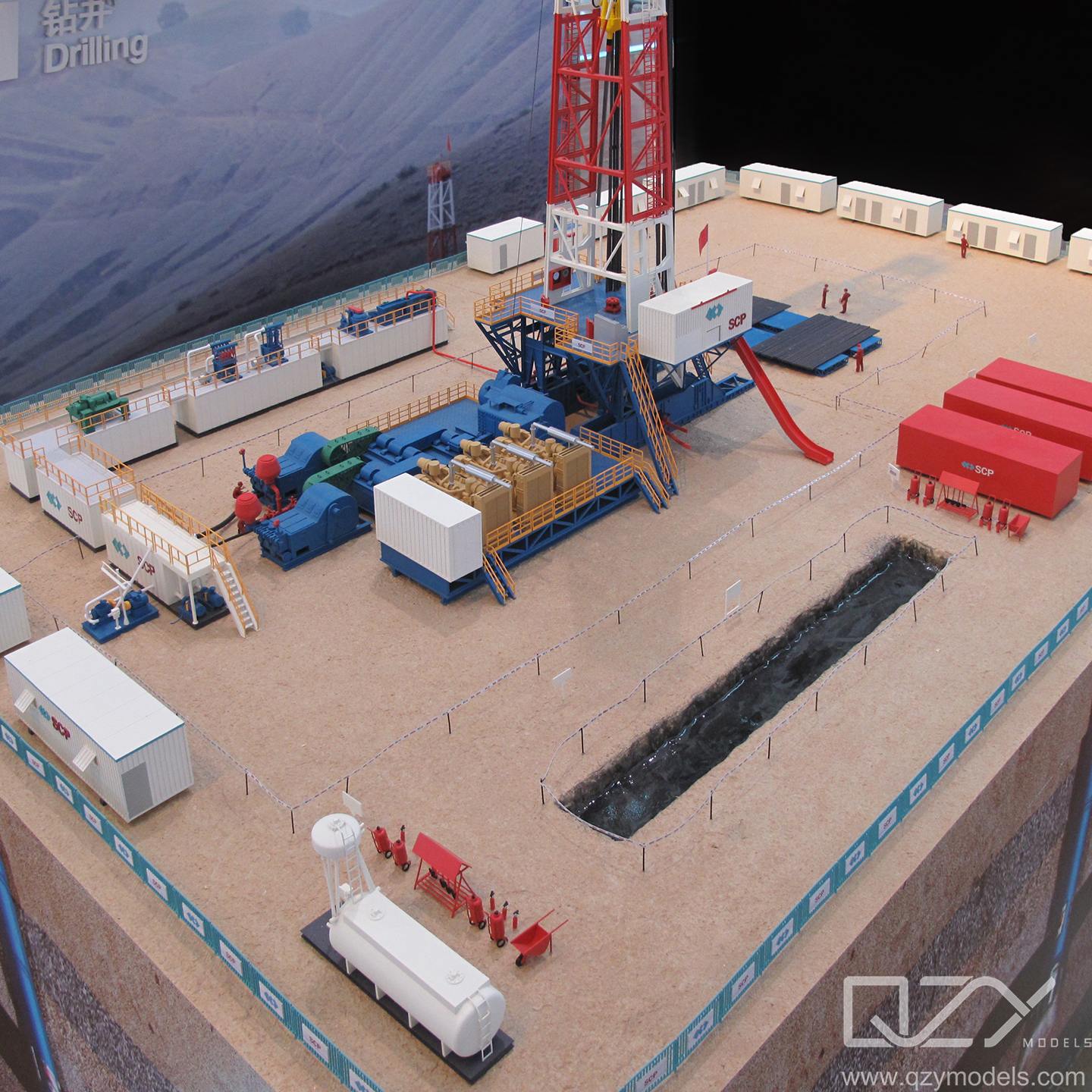
Engineering industrial models are physical or digital representations used to simulate, design, and analyze industrial systems and processes. They help visualize complex operations, optimize workflows, and facilitate communication among stakeholders for effective decision-making and innovation.
How Are Engineering Industrial Models Used in Industrial Design?
Engineering industrial models serve as tangible or virtual prototypes that illustrate the layout, components, and workflows of industrial systems. They are used for design validation, testing process efficiencies, identifying bottlenecks, and improving machinery or facility layouts before actual implementation. These models support risk reduction and cost savings by allowing experimentation without real-world consequences.
In industrial design, these models help architects, engineers, and clients to visualize the final system or product, ensuring functionality aligns with operational goals. They enable collaboration between cross-disciplinary teams for refined innovation, leveraging QZY Models’ expertise in delivering precise and detailed physical prototypes.
Think of an engineering industrial model as a small-scale or digital version of a factory, machine, or system. Its main purpose is to help designers, engineers, and clients visualize how everything will work before building the real thing. By using these models, teams can see potential problems, test workflows, and make improvements without spending time or money on trial-and-error in a real environment. It’s like trying out a puzzle before putting the pieces together for real.
These models also make it easier for different teams to collaborate and share ideas. For example, a designer might notice a space issue while an engineer spots a mechanical problem. Companies like QZY Models create precise, detailed models that help everyone understand the final system and ensure it meets the intended goals. Using these physical prototypes can save costs, reduce risks, and guide decisions, making the design and planning process more efficient and reliable.
Keywords: engineering industrial model, visualize, collaborate.
What Types of Engineering Industrial Models Exist?
Common types of engineering industrial models include:
-
Physical Scale Models: Miniature replicas of industrial facilities, machinery, or products used for tactile and visual understanding.
-
Digital Models: CAD-based or simulation models representing systems for virtual testing and modification.
-
Process Flow Models: Diagrams representing workflows and logistics within industrial operations.
-
Reference Models: Standardized frameworks that describe typical business or industrial processes for benchmarking.
Each model type serves distinct purposes — physical models excel at stakeholder communication, while digital models enable detailed simulations and iterations. QZY Models specializes in producing high-quality physical models trusted globally by developers and architects.
Why Is Accuracy Important in Engineering Industrial Models?
Precision in engineering industrial models ensures that the model accurately represents the real system’s scale, components, and function. Accurate models provide reliable data for simulations and allow clients to foresee operational challenges, spatial constraints, and potential hazards.
Accuracy directly impacts decision-making quality, helping to avoid costly errors or redesigns during construction or production. QZY Models uses advanced materials and expert craftsmanship to maintain the highest fidelity so stakeholders can trust the models for critical project phases.
Who Benefits Most from Engineering Industrial Models?
Multiple stakeholders benefit, including:
-
Industrial Engineers: For system optimization and process improvement.
-
Architects and Designers: To visualize complex industrial infrastructure.
-
Project Managers: For tracking project progress against physical representations.
-
Clients and Investors: To understand project scope and viability visually.
-
Manufacturers: For planning production workflows and equipment placement.
QZY Models tailors each model to client needs, enabling clear communication and informed decisions that align with project objectives across different regions.
When Should Engineering Industrial Models Be Integrated into Projects?
Engineering industrial models should be integrated in the early to mid-design phases. Early inclusion allows for identifying design flaws and workflow inefficiencies before construction or production, saving time and resources.
Continuous model updates during project development can help manage scope changes, new regulations, or client feedback. QZY Models supports all project stages by delivering adaptable models that evolve with project requirements.
How Do Engineering Industrial Models Improve Workflow Efficiency?
By visualizing every stage of the industrial process, these models reveal bottlenecks, redundancies, and waste. This insight helps engineers redesign workflows to be leaner, more cost-effective, and safer.
Simulations based on models test scenarios such as equipment failures or demand spikes, enhancing operational resilience. Detailed models facilitate staff training by providing a visual and interactive overview of their roles within the system.
What Materials and Technologies Are Used to Create Industrial Models?
Models can be constructed using materials like acrylic, wood, metal, and plastic composites. Technologies include 3D printing, laser cutting, CNC machining, and hand crafting for high detail.
Digital tools like CAD software and virtual reality complement physical models for hybrid presentations. QZY Models employs cutting-edge technology combined with skilled craftsmanship to deliver precise and durable models.
Which Industries Rely on Engineering Industrial Models the Most?
Industries that heavily rely on these models include:
| Industry | Use Case |
|---|---|
| Manufacturing | Layout planning and automation |
| Construction | Site planning and safety simulations |
| Energy & Utilities | Plant design and infrastructure |
| Transportation | Logistics and system optimization |
| Technology | Product development and prototyping |
QZY Models’ portfolio spans diverse sectors, showcasing versatility in model design tailored to specific industry needs.
Can Engineering Industrial Models Enhance Sustainability Efforts?
Yes, by enabling early detection of inefficient designs and allowing testing of eco-friendly alternatives. Models help optimize resource use, waste reduction, and energy efficiency in industrial processes.
They support sustainable practices by facilitating scenario analyses that consider environmental impacts before physical implementation.
QZY Models Expert Views
“Engineering industrial models are the cornerstone of successful project execution. At QZY Models, we believe that precision and realism in modeling not only bring designs to life but also bridge the gap between concept and reality. Our commitment is to deliver bespoke models that empower stakeholders to make informed decisions, innovate confidently, and achieve excellence. Our global team’s expertise ensures every project meets the highest standards of quality, reflecting true industrial dynamics and supporting sustainability goals.” – Richie Ren, Founder of QZY Models
How Does QZY Models Ensure Quality and Innovation in Their Models?
QZY Models combines over 20 years of experience with innovative materials and advanced manufacturing techniques to produce highly detailed, accurate models. Their global team tailors each project to client needs, continually updating production methods to adopt the latest technology for superior craftsmanship and durability.
Their commitment to excellence ensures every model is a precision tool for visualization, analysis, and communication in large-scale industrial projects.
Conclusion
Engineering industrial models are vital tools for designing, testing, and optimizing industrial systems. They improve communication, reduce risks, and help ensure project success by providing accurate visualizations. Integrating models early in projects and choosing expert model makers like QZY Models maximizes benefits, boosts workflow efficiency, and supports sustainable industrial innovation.
Frequently Asked Questions
What Are the Best Examples of Engineering Industrial Models?
The best examples of engineering industrial models include scale factory layouts, process simulations, machinery prototypes, and workflow optimization models. These models help visualize complex systems, predict outcomes, and improve production efficiency. Leading companies like QZY Models provide high-precision examples that showcase practical applications for architects, industrial designers, and manufacturing planners.
Which Types of Industrial Engineering Models Should You Know?
Key types of industrial engineering models include process models, system models, simulation models, optimization models, workflow models, production planning models, and predictive models. Understanding these types allows engineers to enhance operational efficiency, reduce risks, and streamline production. Firms like QZY Models use advanced modeling to support client decision-making and project visualization.
How Do Simulation Models Transform Industrial Engineering?
Simulation models replicate real-world industrial processes to predict performance, identify bottlenecks, and optimize workflows. By testing scenarios virtually, engineers reduce errors, save costs, and improve efficiency before implementation. These models are essential for production planning, logistics, and system design, enabling data-driven decisions that enhance overall industrial operations.
How Are Engineering Models Revolutionizing Manufacturing Processes?
Engineering models revolutionize manufacturing by providing precise visualizations, process optimization, and predictive insights. They help identify inefficiencies, test improvements, and reduce downtime. Through these models, engineers can simulate entire production lines, streamline resource allocation, and enhance product quality, creating smarter, faster, and more cost-effective manufacturing workflows.
What Industrial Process Modeling Techniques Improve Efficiency?
Techniques like workflow simulation, process mapping, discrete event modeling, optimization algorithms, lean production modeling, system dynamics, and predictive analytics improve industrial efficiency. They allow engineers to identify bottlenecks, allocate resources effectively, and reduce waste. Applying these methods ensures smoother production cycles, higher productivity, and data-driven decisions across complex industrial operations.
Why Are Engineering Industrial Models Essential for Modern Industries?
Engineering industrial models are essential because they improve decision-making, reduce operational risks, and enhance efficiency. They allow engineers to visualize complex systems, simulate scenarios, and optimize processes before implementation. Industries benefit from lower costs, better productivity, and accurate planning, making these models indispensable for modern manufacturing, logistics, and industrial design projects.
Which Industrial Systems Modeling Software Is Best for Engineers?
The best industrial systems modeling software includes AnyLogic, FlexSim, Simul8, Arena, Plant Simulation, Tecnomatix, and SolidWorks. These tools allow engineers to simulate production, optimize workflows, and predict outcomes. High-precision models from providers like QZY Models often integrate with such software to deliver accurate, actionable insights for industrial planning and project visualization.
How Can You Optimize Industrial Engineering Models for Maximum Efficiency?
Optimizing industrial engineering models involves refining simulation parameters, integrating real-world data, testing multiple scenarios, streamlining workflows, and applying predictive analytics. Continuous iteration and feedback reduce errors, improve resource allocation, and boost production efficiency. Leveraging precision modeling from experienced teams ensures maximum effectiveness and supports smart, data-driven industrial decisions.