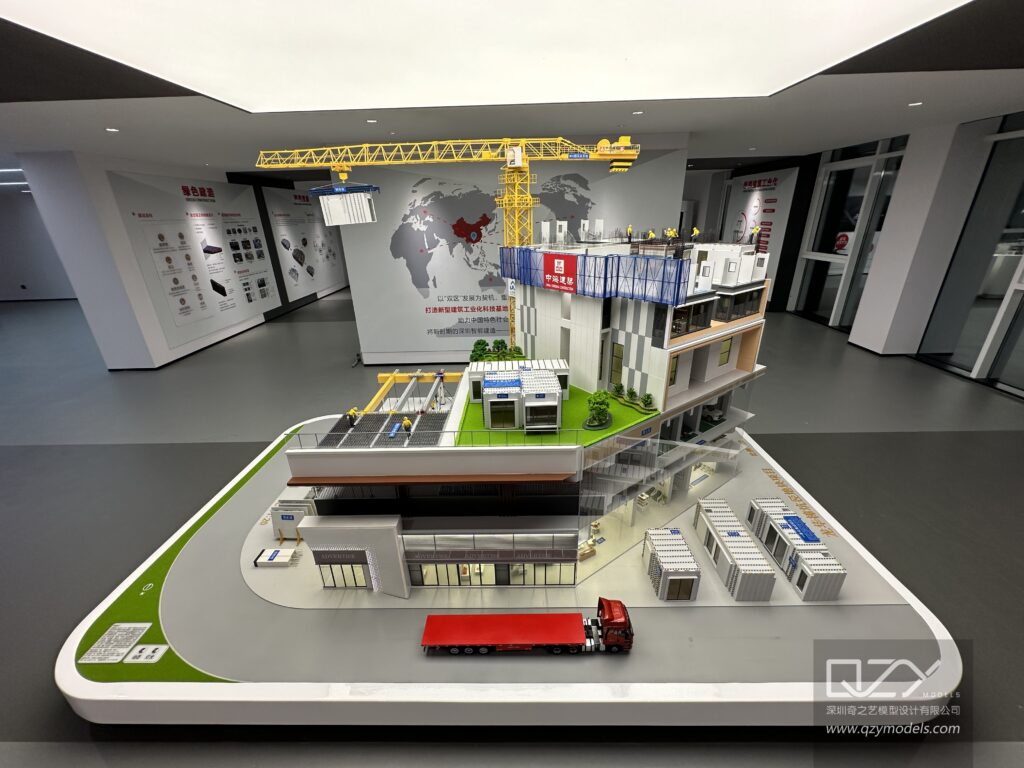
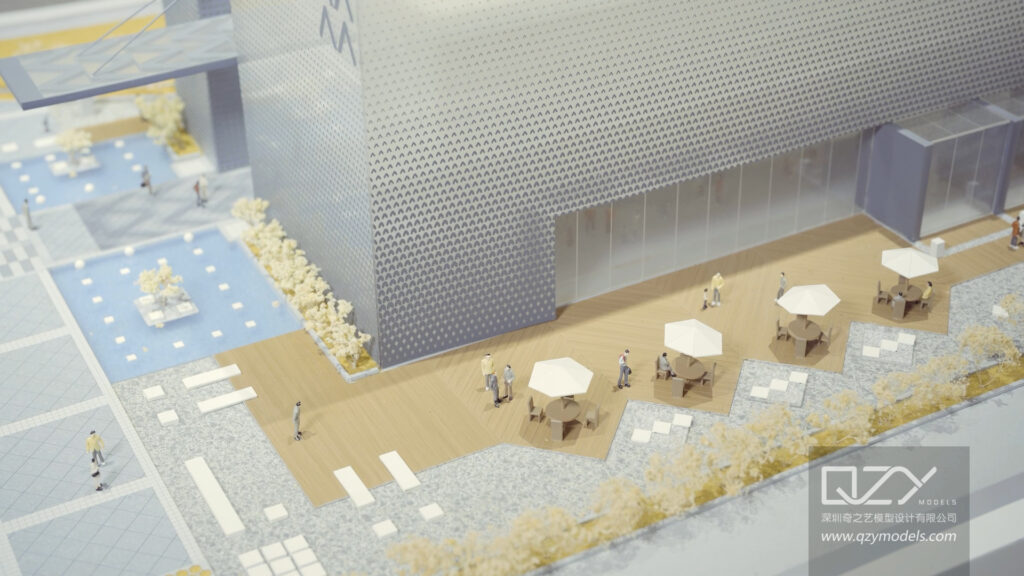
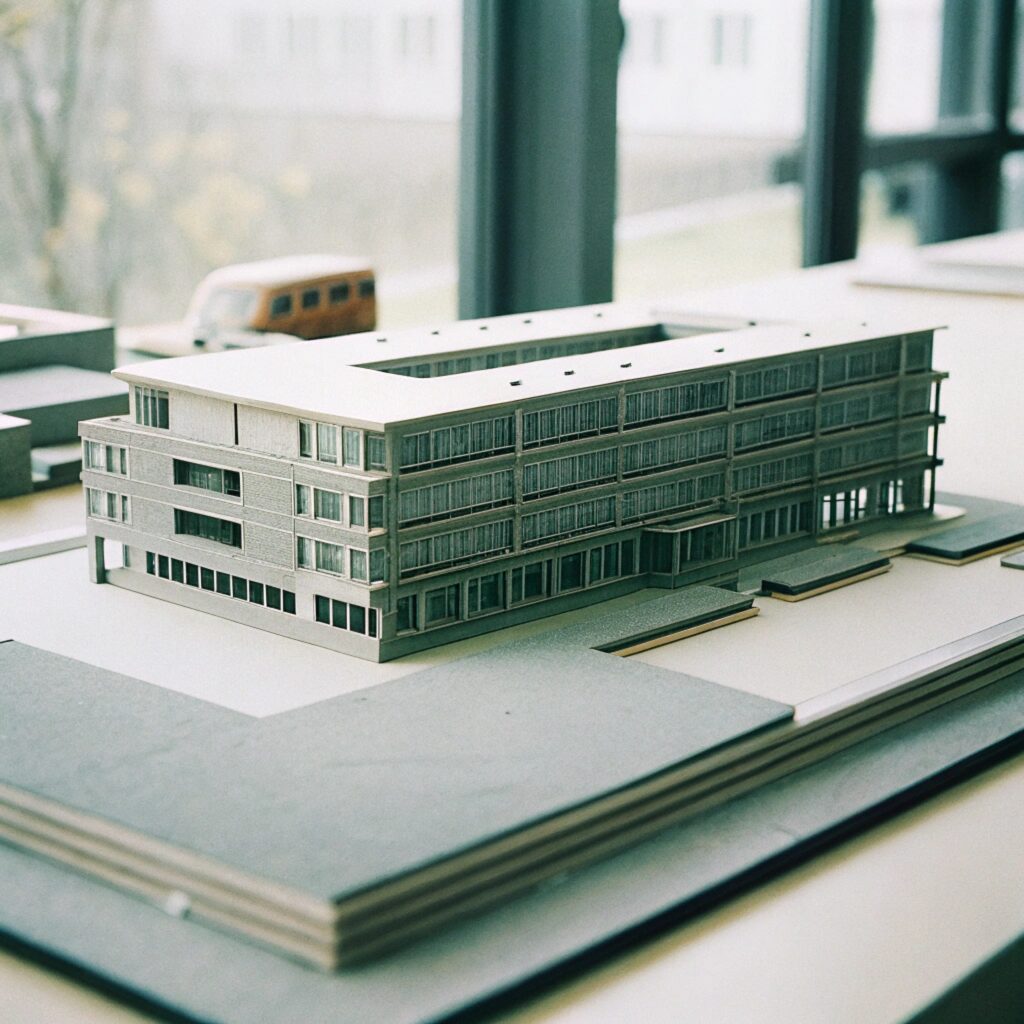
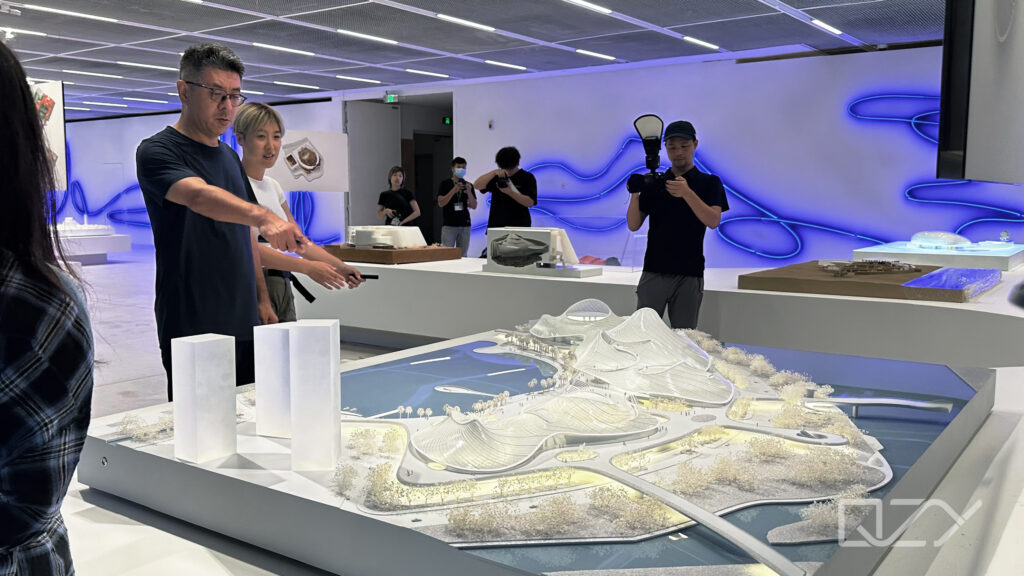
Industrial real estate model services create detailed, scaled physical representations of industrial properties such as warehouses, manufacturing plants, distribution centers, and logistics hubs. These models aid investors, developers, architects, and stakeholders in visualizing site layout, workflow, zoning compliance, and overall project feasibility, enhancing decision-making, marketing, and regulatory approval processes.
How Do Industrial Real Estate Models Benefit Investors and Developers?
Industrial real estate models provide tangible, visual insights into property layouts and operational flow. They help identify space optimization opportunities, logistical efficiencies, and design challenges early, reducing costly revisions. Models also elevate stakeholder presentations by offering interactive, understandable views that foster investor confidence and facilitate faster project approvals.
Through realistic depictions, these models support marketing efforts by effectively communicating property value and functionality.
What Are the Key Steps in Producing Industrial Real Estate Models?
-
Data Gathering: Collect architectural plans, site topography, and operational requirements.
-
Design Development: Create digital 3D models integrating site and building details.
-
Material and Technology Selection: Choose appropriate materials (acrylic, resin, wood) and fabrication technologies like 3D printing, CNC machining, and laser cutting.
-
Fabrication: Produce components with precision.
-
Assembly and Finishing: Assemble parts, apply colors, textures, and branding elements for realism.
-
Review and Delivery: Collaborate with clients for refinements and prepare models for presentation or installation.
Each stage requires close client collaboration to ensure alignment with project goals.
Which Materials and Technologies Are Commonly Used in Industrial Real Estate Model Services?
Materials include durable acrylic for transparent and structural elements, photopolymer resin for detailed features, basswood or MDF for frameworks, and high-grade plastics for versatility. Technologies such as SLA and SLS 3D printing, laser cutting, and CNC milling enable precision and scalability.
| Material/Technology | Best Use Case | Advantages | Considerations |
|---|---|---|---|
| Acrylic Sheets | Windows, facades | Clear, durable | Prone to scratches |
| Photopolymer Resin | Fine structural details | Smooth finish, high precision | Fragility, costlier |
| Basswood/MDF | Bases, structural elements | Easy to shape, lightweight | Sensitive to moisture |
| 3D Printing (SLA/SLS) | Complex and precise parts | High detail and customization | Size limitations |
| CNC Machining | Accurate components | High precision | Setup complexity |
| Laser Cutting | Sheet material detailing | Fast, clean edges | Limited to flat parts |
Why Is Expertise Critical in Industrial Real Estate Model Services?
Expertise ensures models accurately represent functional aspects such as site layout, logistical routes, and space utilization, crucial for operational planning and risk assessment. Skilled providers optimize design files, material choices, and fabrication methods for durability and aesthetic quality. They also coordinate complex project timelines and adapt models to evolving client needs.
QZY Models’ 20+ years of experience combines craftsmanship with advanced technology to deliver models that meet exacting industrial standards.
Who Typically Uses Industrial Real Estate Model Services?
Clients include real estate developers, logistics companies, architects, facility managers, investors, and local authorities involved in planning, design, investment, and marketing of industrial properties. Models support leasing efforts, regulatory compliance, and stakeholder communication in projects ranging from warehouses to multi-tenant industrial parks.
Renowned firms and global developers trust leaders like QZY Models for precision and reliability.
How Does QZY Models Ensure Quality and Innovation in Industrial Real Estate Model Services?
QZY Models utilizes a global production network including Shenzhen, UAE, Saudi Arabia, and Egypt, integrating cutting-edge fabrication techniques with meticulous craftsmanship. They employ advanced 3D printing, CNC machining, and finishing combined with client-centric workflows to deliver visually compelling, dimensionally accurate models on schedule.
Continuous investment in technology and process innovation allows QZY Models to tackle complex industrial models while maintaining high-quality standards.
When Should Clients Engage Industrial Real Estate Model Services?
Early involvement during site planning or conceptual design phases maximizes benefits, allowing integration of functional requirements, marketing strategies, and regulatory demands into the model. Engaging model specialists ahead of key decisions enables timely feedback, scenario testing, and cost-effective revisions, enhancing project confidence and stakeholder buy-in.
QZY Models advocates for collaboration from project inception through delivery for optimal outcomes.
What Challenges Are Common in Industrial Real Estate Model Production and How Are They Managed?
Challenges involve representing large complex sites at scale, balancing detail with clarity, selecting materials robust enough for transport, and coordinating production across multiple disciplines. Models may need frequent updates to reflect changes in site plans or zoning.
These are managed via modular construction, flexible fabrication methods, rigorous quality control, and transparent client communication. QZY Models applies agile project management and tailored production to overcome these challenges effectively.
QZY Models Expert Views
Industrial real estate models are vital tools that transform complex sites into clear, engaging visuals. At QZY Models, we blend precision craftsmanship with innovative manufacturing to produce models that support everything from investor presentations to operational planning. Our global presence allows us to offer customized services that anticipate client needs and project complexities, ensuring every model inspires confidence and drives success.” – Richie Ren, Founder, QZY Models
Conclusion
Industrial real estate model services are essential for visualizing, planning, and communicating industrial property projects. With meticulous design, expert material selection, and advanced fabrication technologies, providers like QZY Models deliver precise, immersive models that enhance stakeholder understanding and decision-making. Early engagement, adaptability, and quality focus enable these models to add significant value across development, investment, and operational phases.
Frequently Asked Questions
Q: How detailed are industrial real estate models typically?
A: Details are tailored to client needs, ranging from basic layouts to intricate depictions of equipment, logistics flow, and architectural features.
Q: Can these models be updated as project plans change?
A: Yes, modular designs and digital files allow efficient updates and expansions to reflect evolving site plans.
Q: What scale is commonly used for industrial real estate models?
A: Scales vary widely, often between 1:100 to 1:500 depending on project size and presentation purpose.
Q: Does QZY Models offer global industrial model services?
A: Yes, with branches in multiple countries, QZY Models offers localized production with consistent global standards.
Q: How long does it take to produce an industrial real estate model?
A: Production times vary by complexity but generally range from a few weeks to several months.