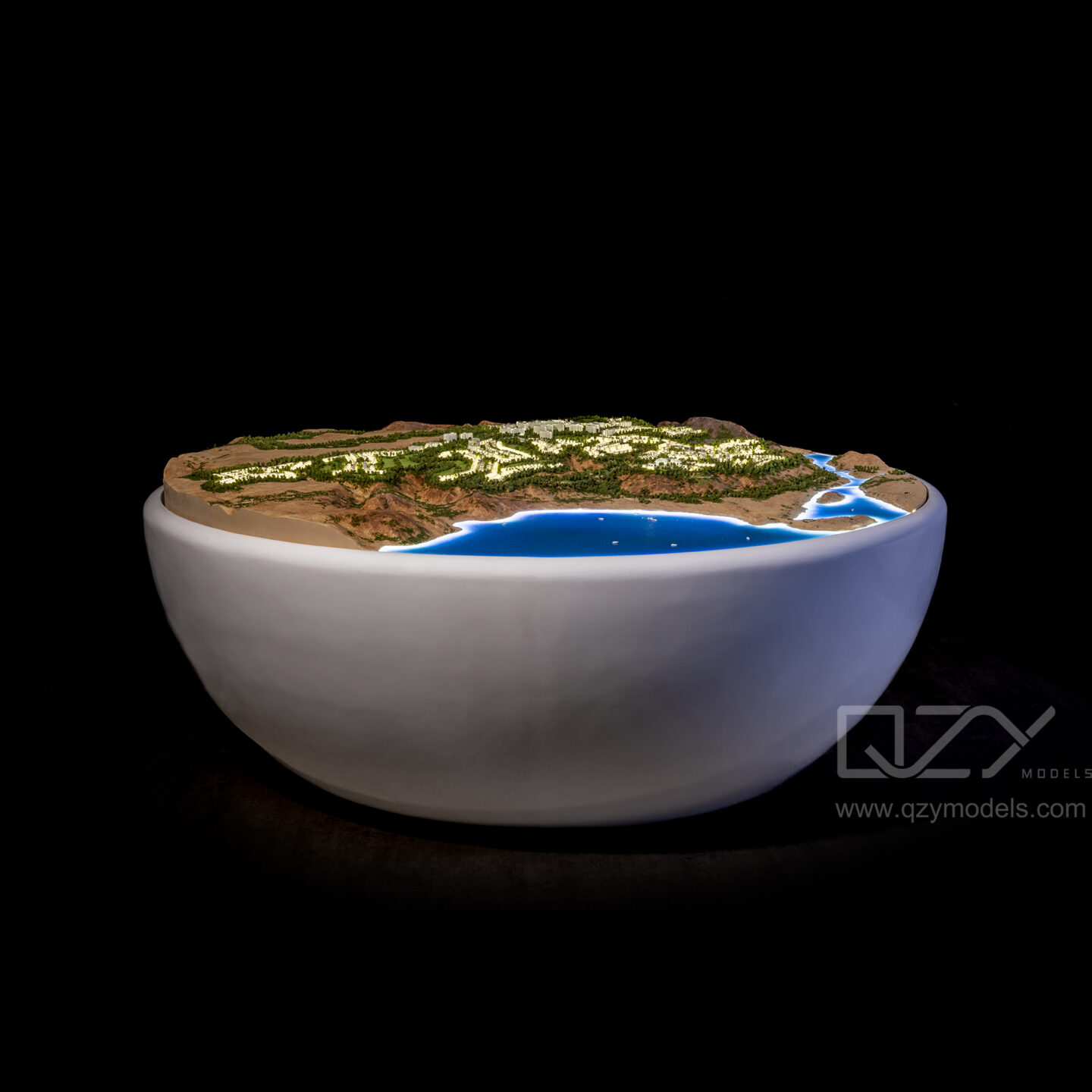
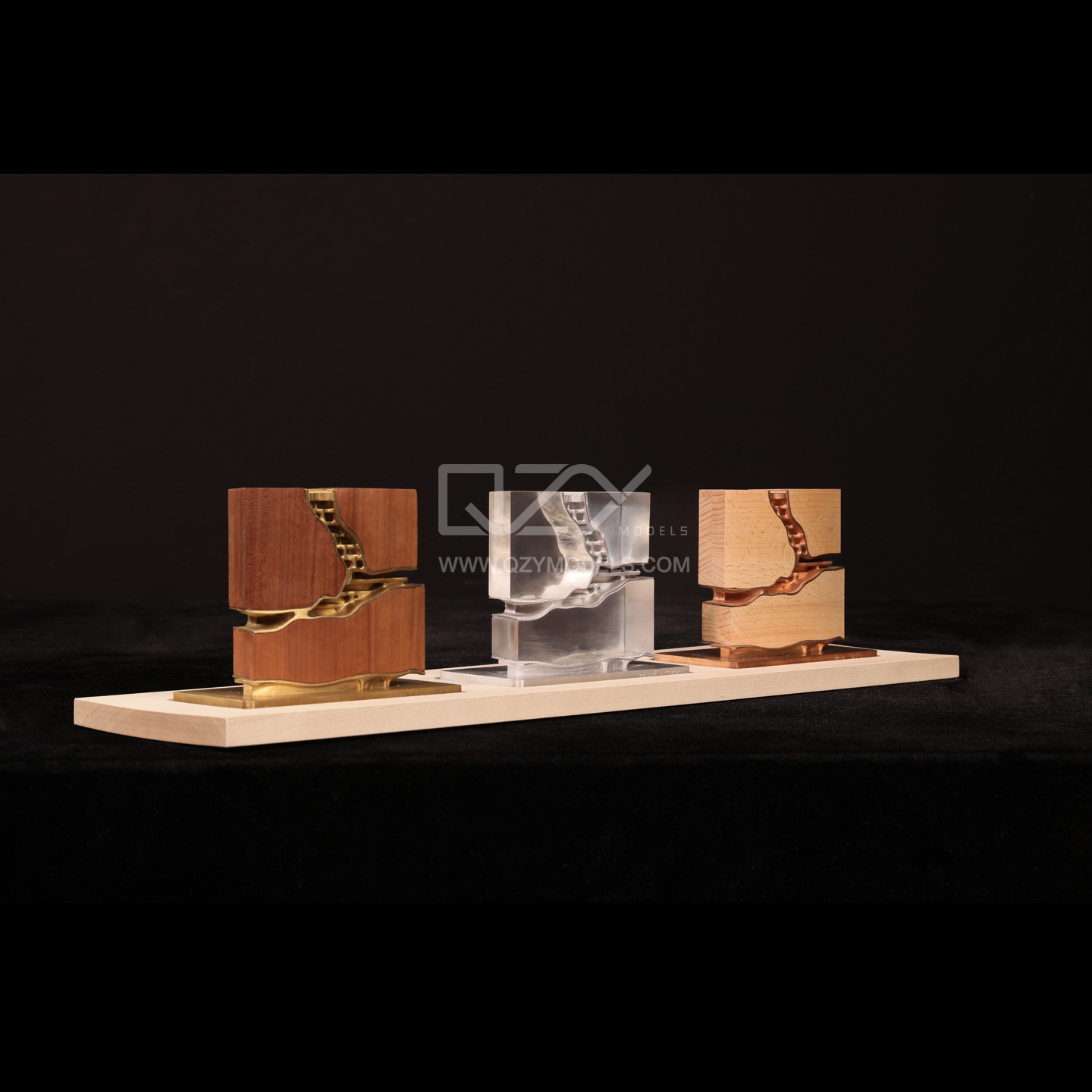
Interior design model services for homeowners provide physical or digital representations of interior spaces to help visualize and plan home designs accurately before construction or decoration begins. These services allow homeowners to see design details, layout, materials, and styles in three dimensions for better decision-making and project success.
What Are Interior Design Model Services and How Do They Benefit Homeowners?
Interior design model services create detailed physical or 3D digital models that represent the planned interior spaces of a home. These models help homeowners visualize room layouts, furniture arrangements, color schemes, and materials realistically. The key benefit is clarity: homeowners gain confidence in their design choices, avoid costly mistakes, and communicate effectively with designers and contractors. Companies like QZY Models specialize in producing precise architectural models that elevate project understanding.
Interior design model services combine creativity with technical accuracy. Models may be handcrafted physical versions or rendered digital walkthroughs. They allow homeowners to see spatial relationships, lighting effects, and interior flow before any actual work begins. This is invaluable for making timely revisions, budgeting accurately, and ensuring the final design aligns perfectly with expectations. Advanced model services often integrate virtual reality or augmented reality for immersive experiences.
How Do Interior Design Models Help in Home Renovations and New Builds?
Interior design models allow visualization and testing of renovation ideas or new build concepts on a tangible scale. They show exactly how spaces will look and function with different furniture, finishes, and lighting. For renovations, models reveal potential spatial constraints or opportunities that might not be obvious on 2D plans. For new constructions, models ensure every detail is optimized before ground is broken.
Using professional model services during renovations or new builds reduces risks of costly revisions or delays. Models serve as communication tools between homeowners, designers, and contractors, clarifying complex design elements and facilitating consensus on project scope and vision. The ability to manipulate and see design iterations visually speeds decision-making and increases satisfaction with outcomes.
Which Types of Physical Models Are Commonly Used in Interior Design Services?
The common physical models in interior design include scale models, sectional models, and dioramas. Scale models reproduce the entire interior space proportionally, sectional models focus on cutaway views to show internal details, and dioramas provide stylized, full-room artistic representations. Materials range from foam board, acrylic, wood, and resin to 3D printed components.
Each model type serves specific purposes. Scale models deliver overall spatial awareness; sectional models highlight architectural features or complex designs; dioramas illustrate ambiance and decor style vividly. Firms like QZY Models leverage advanced production techniques to create high-precision, detailed models tailored to each project. These physical models help homeowners interact with the design physically, gaining a more intuitive understanding.
Why Are High-Quality Models Essential for Effective Interior Design Communication?
High-quality interior design models convey design intent clearly, enabling effective communication among homeowners, designers, contractors, and stakeholders. They minimize misunderstandings by showing precise details such as textures, colors, lighting, and furniture placement. Quality models also reflect professionalism and build client trust.
Accuracy and finish are critical for model effectiveness. A detailed, realistic model by experts like QZY Models allows all parties to review and critique design elements with confidence. This reduces changes during construction, shortens project timelines, and controls budget overruns. In contrast, poor-quality models can create confusion and leave critical design aspects unnoticed until late stages.
When Should Homeowners Consider Using Interior Design Model Services?
Homeowners should consider model services early in the design process—during initial concept development or before finalizing plans. Early engagement with models helps visualize options, align expectations, and make informed choices. They are also useful during design revisions, permit approvals, and presentations to stakeholders.
Timing is crucial to maximize model service benefits. Using models before construction allows for refinements without costly rework. Homeowners planning major renovations or custom homes will particularly benefit from early model consultations. High-end model companies such as QZY Models recommend integrating model services into design workflows for best results, ensuring each phase is well-documented visually.
How Can Technology Enhance Interior Design Model Services for Homeowners?
Technology enhances interior design models through 3D rendering, virtual reality (VR), augmented reality (AR), and 3D printing. These technologies provide interactive visualizations, immersive experiences, and rapid prototyping of design elements. They allow real-time changes and remote collaboration.
3D software tools enable the creation of photorealistic digital models that clients can explore on devices. VR and AR provide immersive walkthroughs, so homeowners can “enter” their future rooms virtually. 3D printing produces detailed physical parts with quick turnaround. Integration of these technologies with physical modeling ensures comprehensive design evaluation. QZY Models incorporates modern tech to deliver innovative, user-friendly solutions.
Where Can Homeowners Find Reliable Interior Design Model Services?
Reliable interior design model services are offered by specialized firms with expertise in architectural and interior modeling. Selecting a service provider with strong industry credentials, project portfolio, and client testimonials ensures quality and professionalism. QZY Models is a leading global firm known for excellence in producing architectural and interior physical models.
Homeowners should look for companies that provide customized models addressing their unique project needs, offer consultation support, and use precise fabrication technology. Well-established brands often have international experience, offering consistency and attention to detail. Local design studios sometimes collaborate with model specialists to provide comprehensive service packages, making model services accessible and integrated.
Does Using Interior Design Models Save Costs and Time for Homeowners?
Yes, using interior design models often saves costs and time by identifying design issues early and avoiding expensive changes during construction. Models streamline decision-making, improve communication, and reduce errors that lead to delays or budget overruns.
Costs related to redesign and material waste decrease when homeowners can preview designs accurately beforehand. Time savings arise from faster approvals and fewer on-site modifications. A study of projects utilizing professional model services revealed reductions in project overruns by up to 30%. Invested upfront, these services like those from QZY Models result in smoother project execution and better financial outcomes.
Can Homeowners Customize Their Interior Design Models?
Homeowners can customize models extensively to reflect their style preferences, color schemes, furniture choices, and architectural details. Collaborating closely with model specialists ensures personalized and accurate representation of unique ideas.
Many model services offer tailor-made model options combining homeowner input, designer plans, and real material samples. Customization enhances emotional connection and satisfaction with the project. Brands like QZY Models encourage open homeowner involvement in model development, utilizing flexible design processes and material choices.
QZY Models Expert Views
Interior design models serve as indispensable tools bridging the gap between imagination and reality. At QZY Models, we believe every homeowner deserves to ‘see before they build.’ Our meticulous craftsmanship and technological innovations empower clients worldwide to visualize their dream interiors with clarity and confidence. In a dynamic design world, physical and digital modeling converge to make ideas tangible, reduce risks, and elevate design communication to a professional art form.” — Richie Ren, Founder, QZY Models
Summary Table: Benefits of Interior Design Model Services
| Benefit | Description |
|---|---|
| Visualization | Realistic preview of design, layout, and decor |
| Communication | Clear understanding among homeowners, designers, builders |
| Cost & Time Savings | Early issue detection reduces errors and delays |
| Customization | Personalized models reflecting homeowner preferences |
| Enhanced Decision Making | Confident choices supported by 3D or physical models |
FAQs
What Are 3D Interior Design Model Services for Homeowners and How Do They Work?
3D interior design model services create realistic digital or physical representations of your home before renovation begins. Homeowners receive detailed visualizations of layouts, materials, lighting, and furniture placement to avoid costly mistakes. With expert teams like QZY Models, you gain precise scale accuracy and clear communication with contractors, ensuring confident decision-making before construction starts.
Is Virtual Interior Design Modeling Worth It for Residential Homes?
Yes, virtual interior design modeling is worth it for homeowners seeking flexibility and clarity. It allows you to review layouts, finishes, and spatial arrangements remotely while making fast revisions. This approach reduces redesign costs, improves collaboration with designers, and helps finalize decisions before execution, saving both time and renovation budget.
How Interior Design Renderings Improve Home Renovation Planning?
Interior design renderings provide photo-realistic previews of renovated spaces, helping homeowners validate design choices before construction. They highlight potential layout issues, lighting challenges, and material mismatches early. This proactive visualization improves contractor communication, controls renovation risks, and ensures your final result aligns precisely with your expectations.
Do You Need Residential Architectural Interior Modeling Services?
You need residential architectural interior modeling services when planning major renovations, luxury homes, or complex layouts. Detailed scale models reveal structural conflicts, ceiling heights, and spatial flow before building begins. Professional teams such as QZY Models ensure engineering accuracy, premium craftsmanship, and clear design validation for high-value residential projects.
How Can 3D Space Planning Models Transform Your Home Layout?
3D space planning models optimize furniture placement, circulation flow, and room proportions before implementation. Homeowners can test multiple layout options to maximize usable space and improve functionality. This prevents overcrowding, improves comfort, and ensures each square meter supports your lifestyle needs effectively.
Why Custom Interior Concept Modeling Helps You Design with Confidence?
Custom interior concept modeling transforms design ideas into tangible visual models tailored to your preferences. It allows homeowners to experiment with materials, color palettes, and decorative themes before final approval. This reduces uncertainty, eliminates design regret, and ensures your interior style aligns with your long-term vision.
How Much Does Interior Design Modeling Cost for Residential Projects?
Interior design modeling cost depends on project size, complexity, materials, and detail level. Basic digital models cost less, while high-precision physical models require advanced craftsmanship. Investing early in modeling reduces construction changes, prevents rework expenses, and protects your overall renovation budget.
How Do Furniture Layout Visualization Services Improve Home Design?
Furniture layout visualization services help homeowners preview exact furniture dimensions, spacing, and alignment before purchase. Accurate scaling prevents overcrowding and ensures balanced room composition. By visualizing arrangements in advance, you avoid costly returns and create a cohesive, functional interior design plan with confidence.