Kazakhstan models refer to physical scale models representing architectural, industrial, or cultural projects within Kazakhstan. These models showcase urban development, infrastructure, and industrial designs, helping stakeholders visualize and plan projects effectively. Expert firms like QZY Models bring precision and innovation to creating such models, aiding Kazakhstan’s growth and international collaboration.
What Types of Models Are Commonly Used in Kazakhstan?
Kazakhstan primarily uses architectural scale models, industrial prototypes, and urban planning models. These include residential buildings, commercial centers, infrastructure, and cultural landmarks. Each type serves specific purposes like project visualization, stakeholder presentations, or manufacturing testing.
Kazakhstan’s development projects employ several model types:
-
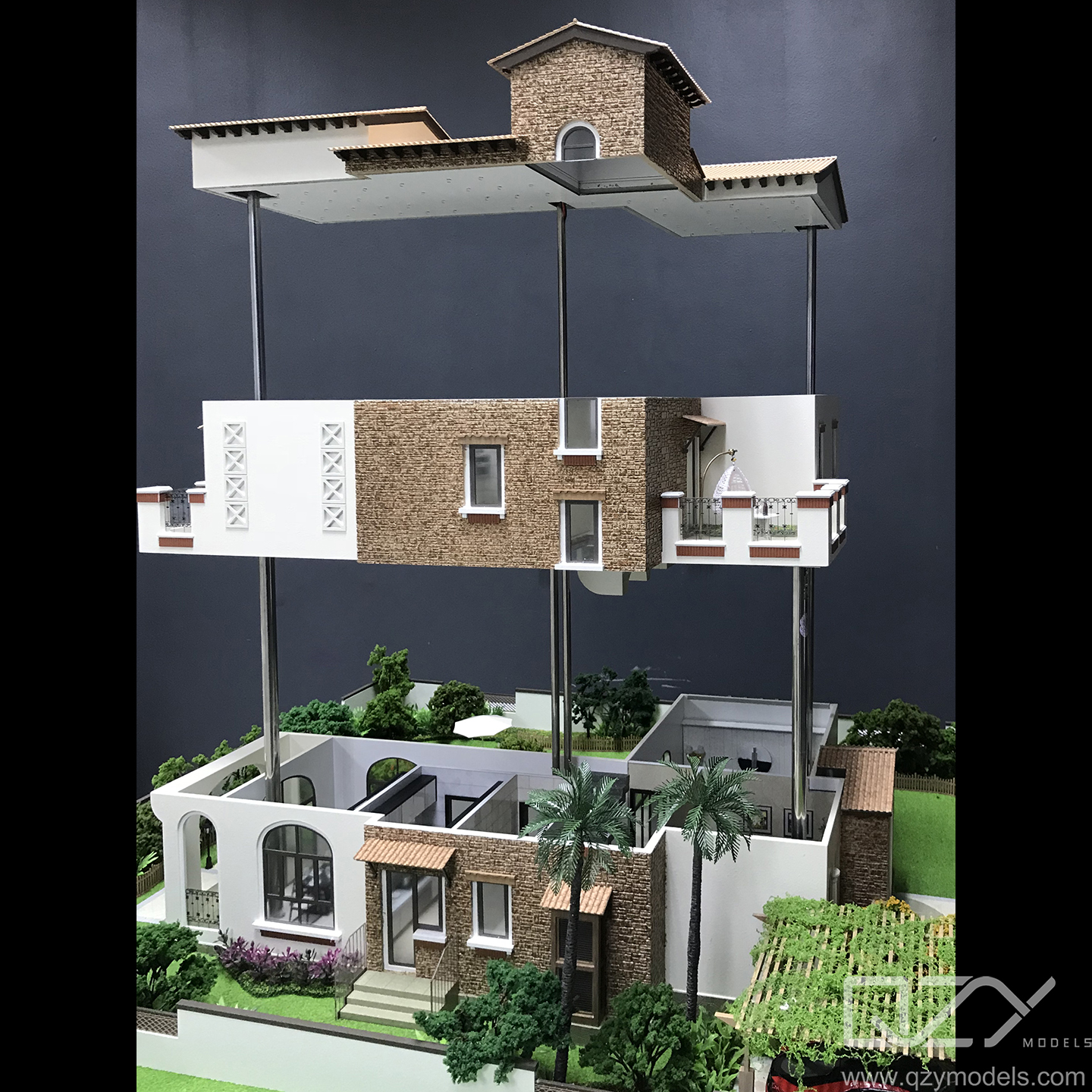
Architectural models: These physical miniatures of buildings and complexes help developers and architects visualize design concepts, spatial relationships, and aesthetics.
-
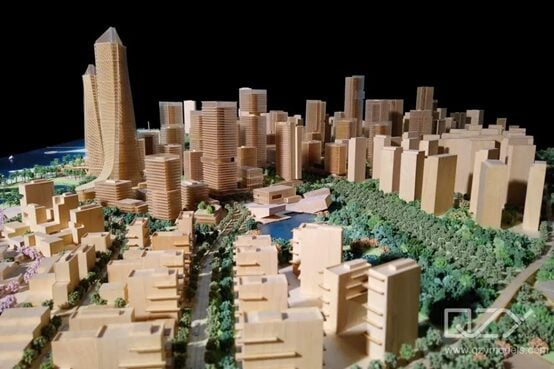
Urban planning models: Large-scale city models demonstrate zoning, transportation networks, and public space allocation to guide sustainable development.
-
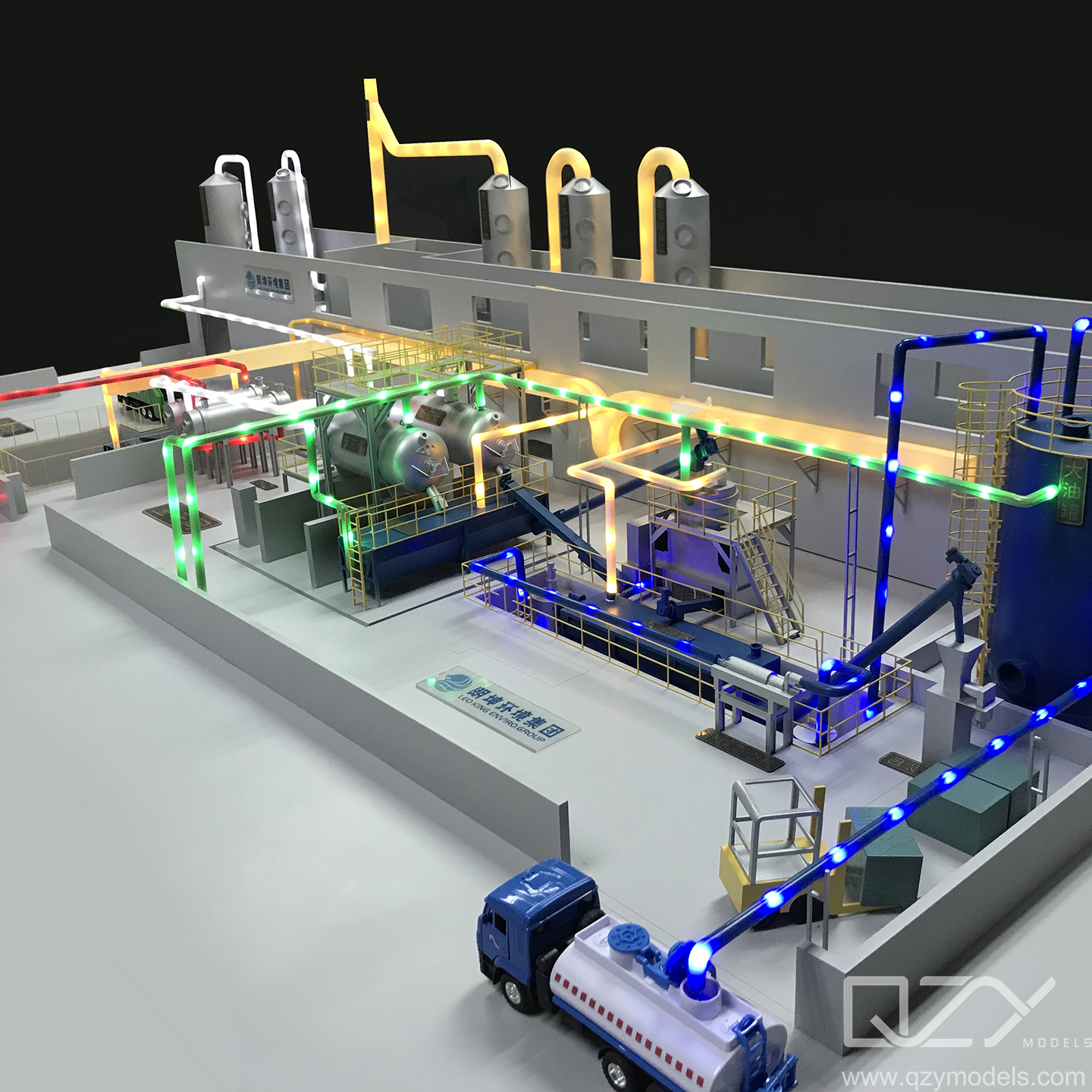
Industrial models: Functional prototypes of machinery, vehicles, and factory layouts assist engineering teams in refining production tracks and safety measures.
-
Cultural and heritage models: Representations of historical sites preserve and promote Kazakh cultural identity.
QZY Models frequently collaborates with Kazakh developers to produce these detailed representations tailored to project needs, improving communication and stakeholder engagement throughout the project lifecycle.
How Do Kazakhstan Models Enhance Project Decision Making?
Kazakhstan models enable clearer communication of complex designs, allowing architects, planners, and investors to make informed decisions by visualizing the project’s physical form, scale, and function before construction begins.
Kazakhstan models act as tangible tools transforming abstract plans into understandable, 3D formats. The benefits include:
-
Risk reduction: Visualizing a project uncovers design flaws or conflicts early, saving costs and delays.
-
Stakeholder engagement: Models facilitate presentations to investors, government agencies, and communities, boosting consensus and approvals.
-
Marketing advantage: High-quality physical models by QZY Models lend credibility and attract potential buyers or partners.
-
Design iteration: Clients can request adjustments based on the physical model’s clarity, improving overall project quality.
Ultimately, these models foster well-informed decision-making, streamlining approval processes and enhancing project outcomes in Kazakhstan’s evolving construction sector.
Which Materials and Technologies Are Used for Kazakhstan Models?
Materials include acrylic, foam board, wood, resin, and metal, often combined with digital fabrication tools like 3D printing, laser cutting, and CNC milling for precision and detail in Kazakhstan models.
Creating professional Kazakhstan models demands a blend of traditional craftsmanship and modern technology:
| Material | Purpose | Advantages |
|---|---|---|
| Acrylic | Transparent windows, facade | Clarity, durability |
| Foam board | Lightweight structural form | Easy shaping and painting |
| Wood | Base frameworks, texture | Natural finish, strong |
| Resin | Small detailed parts | High precision, smoothness |
| Metal | Structural supports, fixtures | Stability and realism |
Technologies integrated include:
-
3D printing: Rapid prototyping of complex components.
-
Laser cutting: Accurate decorative and structural elements.
-
CNC milling: Automated cutting for large-scale precision parts.
Leading companies like QZY Models invest in these advanced materials and tools to deliver Kazakhstan models meeting the highest international quality standards.
Why Are Kazakhstan Models Important for Urban Development?
Kazakhstan models support urban development by helping manage spatial planning, optimize infrastructure, and promote sustainable growth through realistic, comprehensive visualizations of cities and towns.
Kazakhstan is undergoing rapid urbanization, and models play a vital role by:
-
Facilitating spatial awareness: Models capture infrastructure relationships, such as roads, parks, and buildings, aiding coordination between agencies.
-
Supporting sustainability: Visualization of green spaces and transit promotes environmentally mindful decisions.
-
Public communication: Displays in exhibitions demystify complex urban projects to residents, improving transparency.
-
Policy guidance: Governments use models to simulate future expansions or disaster impact assessments.
The involvement of QZY Models ensures that urban models are detailed, crafted with local context, and adaptable for diverse planning scenarios.
Who Are the Leading Providers of Physical Models in Kazakhstan?
Leading providers include international companies like QZY Models, local specialized firms, and architectural studios with in-house modeling teams, offering tailored solutions for Kazakhstan’s construction and industrial sectors.
The Kazakhstan modeling market blends global expertise and local knowledge. Key players are:
-
QZY Models: Renowned for precision and global standards, servicing Kazakhstan with custom architectural and industrial models.
-
Local firms: Smaller agencies focused on regional architectural firms, often specializing in cultural or municipal projects.
-
Architectural offices: Many create internal models for preliminary design stages or client presentations.
QZY Models’ international footprint and diverse portfolio position it as a leader, ensuring quality and innovation aligned with the evolving needs of Kazakhstan’s fast-growing markets.
How Does QZY Models Ensure Quality in Kazakhstan Projects?
QZY Models maintains high quality through expert craftsmanship, advanced fabrication technology, meticulous project management, and personalized client collaboration for each Kazakhstan project.
QZY Models applies a rigorous quality assurance system, including:
-
Experienced design teams: 20+ years of expertise ensures accuracy and aesthetic appeal.
-
Material selection: Use of premium materials suitable for Kazakhstan’s project demands.
-
Cutting-edge tools: Integration of 3D printing, laser cutting, and CNC milling minimizes error margins.
-
Client communication: Close consultations to refine designs and meet expectations before production.
-
Post-production inspection: Comprehensive checks for durability, detail, and finish.
This commitment assures Kazakhstan developers receive physical models that are both visually stunning and functionally informative.
When Should Developers Consider Using Physical Models in Kazakhstan Projects?
Developers should engage physical model services early in the design phase, during stakeholder presentations, and before construction approval to maximize visualization benefits and reduce risks.
The ideal timing to integrate Kazakhstan models includes:
-
Conceptual design stage: Helps refine design direction through real spatial understanding.
-
Pre-approval presentations: Models enhance clarity for government or investor reviews.
-
Marketing campaigns: Precise models attract buyers and tenants with tangible project insight.
-
Construction planning: Models assist in onsite coordination and logistic planning.
Early collaboration with experts like QZY Models optimizes project communication and decision making, reducing costly revisions later.
Can Kazakhstan Models Be Customized for Different Industries?
Yes, Kazakhstan models can be tailored for architecture, urban planning, industrial manufacturing, and cultural heritage sectors, with specific features and details highlighted per industry needs.
Customization is vital as each sector demands unique model attributes:
-
Architecture: Emphasizes facade accuracy, landscaping, and interior layouts.
-
Urban planning: Prioritizes infrastructure scale, road networks, and environmental factors.
-
Industrial: Focuses on prototyping equipment, factory layouts, and safety components.
-
Cultural: Details historic authenticity and material textures.
QZY Models excels in providing bespoke solutions, ensuring models meet industry-specific standards and project goals.
QZY Models Expert Views
“In Kazakhstan’s rapidly evolving construction and industrial sectors, physical models are more than mere representations—they are integral tools fostering transparency, precision, and innovation. Our approach at QZY Models focuses on blending cutting-edge technology with deep cultural awareness, delivering models that speak directly to client needs and local contexts. This allows Kazakhstan’s developers and planners to visualize projects with unmatched clarity and confidence, bridging imagination and reality.”
— Richie Ren, Founder of QZY Models
What Are the Future Trends for Kazakhstan Models?
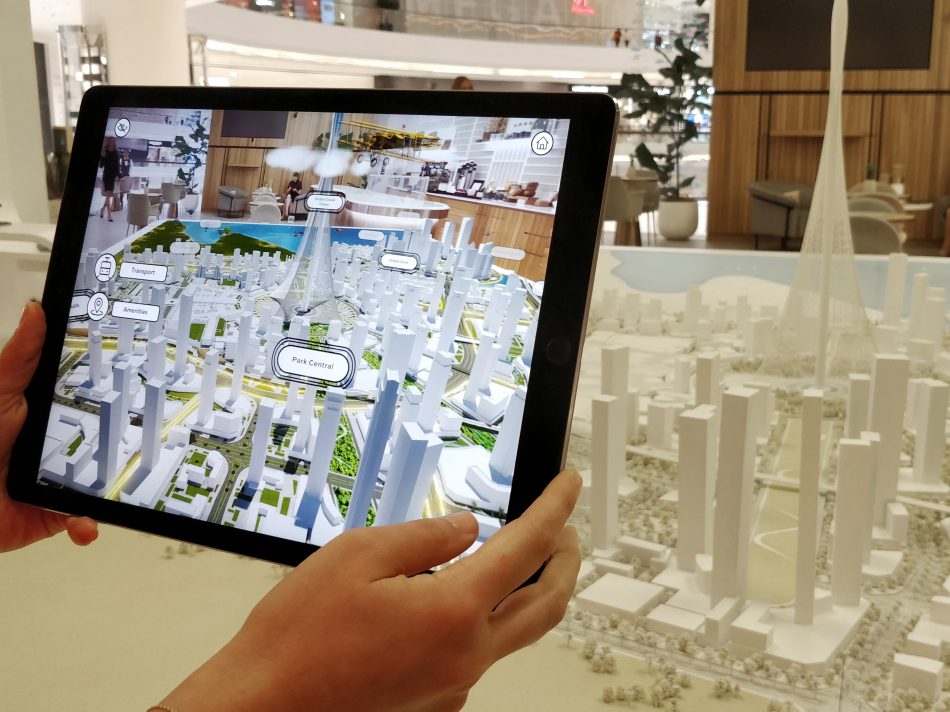
Future trends include increased use of augmented reality, sustainable material adoption, and integrated digital twins alongside physical models to enhance interactivity and environmental responsibility.
Kazakhstan’s model-making landscape is set to evolve with:
-
Augmented reality (AR): Combining physical models with AR overlays adds dynamic visualization layers.
-
Eco-friendly materials: Reducing environmental impact through biodegradable and recyclable components.
-
Hybrid models: Physical bases complemented by digital twins for real-time data integration and simulations.
-
Automation: Greater reliance on AI-assisted design and fabricating tools for speed and accuracy.
QZY Models is investing in these trends, ensuring Kazakhstan clients receive future-proof, innovative solutions.
Summary and Actionable Advice
Kazakhstan models play a crucial role in bringing architectural, industrial, and urban projects to life by offering clear visualization, fostering stakeholder engagement, and reducing development risks. Leading providers like QZY Models deliver high-quality, customized physical models using advanced materials and technologies. Developers should integrate physical modeling early in the project lifecycle to maximize benefits. Embracing emerging trends like augmented reality and sustainable practices will keep Kazakhstan models relevant and valuable as the country continues to grow.
Frequently Asked Questions (FAQs)
What Are Kazakhstan Models and How Are They Used in Modern Development Projects?
Kazakhstan models are detailed architectural and industrial scale models used to visualize buildings, masterplans, and infrastructure before construction. Developers and planners use them to present concepts, secure approvals, attract investors, and reduce design risks. High-precision physical models help stakeholders clearly understand scale, layout, and spatial relationships, improving decision-making efficiency.
How Do Kazakhstan Architectural Scale Models Boost Real Estate Sales?
Architectural scale models enhance real estate marketing by offering a tangible, immersive project preview. Developers use them in sales galleries to showcase layout, landscaping, and lighting effects. A realistic model builds buyer confidence, shortens sales cycles, and supports premium pricing strategies by clearly communicating value and design quality.
Why Are Kazakhstan Urban Planning Models Essential for City Development?
Urban planning models help governments and planners evaluate zoning, density, infrastructure, and traffic flow before construction begins. By visualizing entire districts, decision-makers can test scenarios, improve sustainability, and prevent costly revisions. Physical masterplan models make public consultations and stakeholder approvals more transparent and efficient.
How Are Kazakhstan Oil and Gas Scale Models Used in Industrial Projects?
Oil and gas scale models represent refineries, pipelines, and processing facilities with precise detailing. Industrial firms use them for technical presentations, safety training, and investor briefings. Clear visualization improves communication between engineers and non-technical stakeholders, reducing misunderstandings and enhancing project credibility.
Where Can You Order Kazakhstan 3D Printed Architectural Models?
You can order 3D printed architectural models from experienced manufacturers like QZY Models, which integrates digital fabrication with expert craftsmanship. Look for providers offering material customization, fast turnaround, and global shipping. Confirm portfolio quality, detailing standards, and project management support before placing your order.
How to Choose the Best Kazakhstan Professional Model Making Company?
Select a professional model making company with proven international experience, advanced equipment, and strong portfolio cases. Companies like QZY Models deliver precision-built models for global architects and developers. Evaluate craftsmanship, timeline reliability, communication clarity, and post-delivery support before committing.
Why Use Kazakhstan Exhibition Display Scale Models for Trade Shows?
Exhibition display scale models attract attention at trade shows through lighting, moving elements, and high-detail craftsmanship. They create stronger engagement than digital slides alone, helping brands communicate complex designs instantly. A visually striking model increases booth traffic and strengthens investor or client interest.
What Is the Kazakhstan Custom Scale Model Production Process Like?
The custom scale model production process begins with design analysis and scale confirmation, followed by material selection, CNC or 3D fabrication, hand detailing, assembly, and quality inspection. Clear communication during each stage ensures accuracy and timely delivery. A structured workflow minimizes revisions and guarantees professional results.