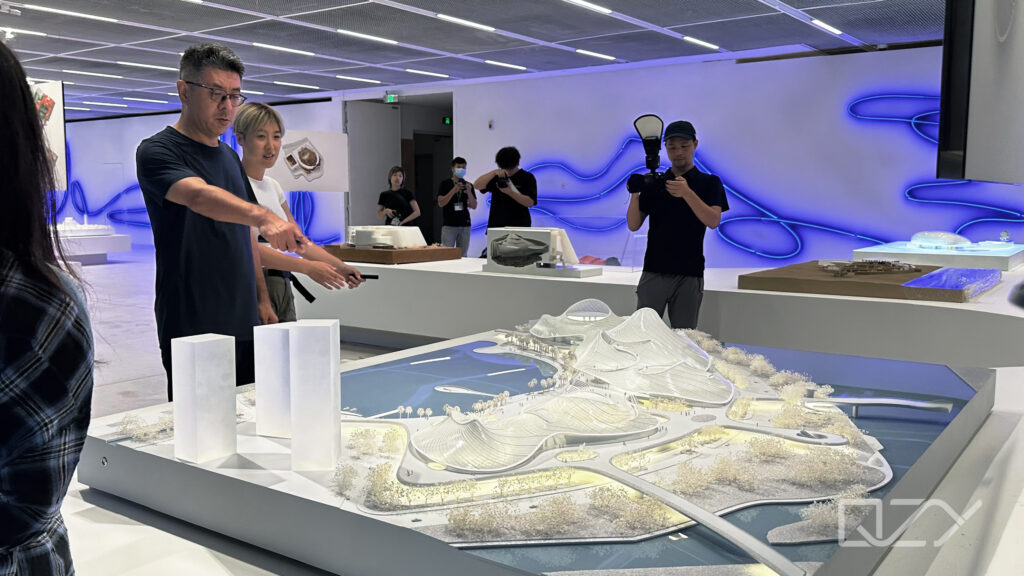
Architecture concept models transform abstract designs into tangible, three-dimensional representations, enhancing visualization, communication, and decision-making. They allow early detection of design flaws, facilitate stakeholder collaboration, and accelerate approvals. By bridging sketches and construction-ready plans, these models reduce costs, save time, and inspire confidence, making them indispensable tools in modern architectural workflows.
What Are Architecture Concept Models?
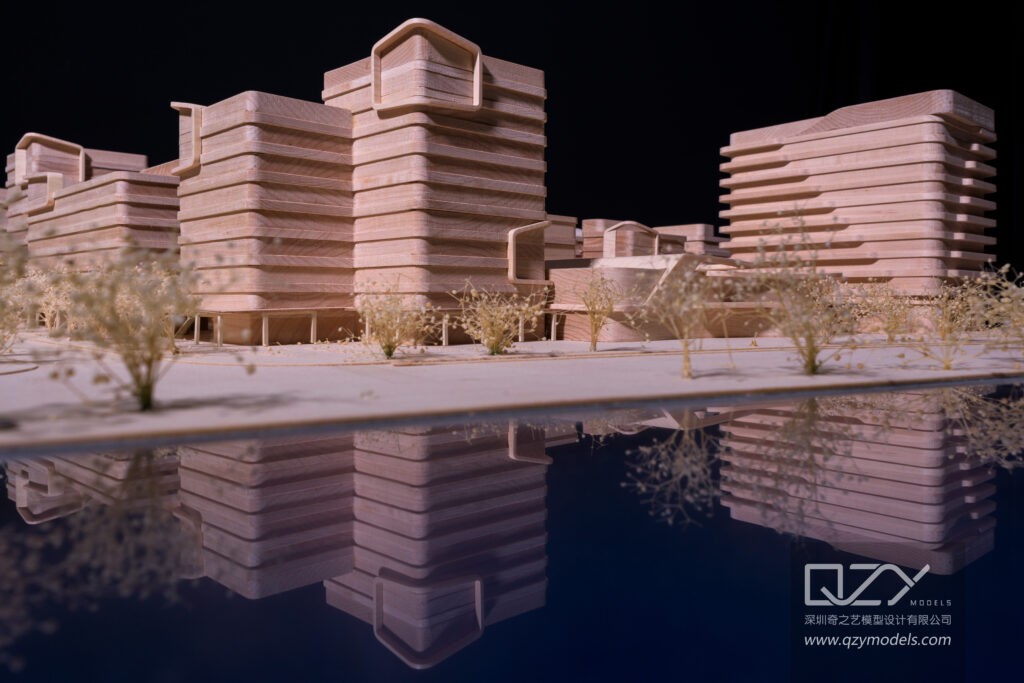
Architecture concept models are physical or digital forms representing initial design ideas, demonstrating scale, form, and spatial relationships. They translate sketches into tangible formats that can be examined and refined.
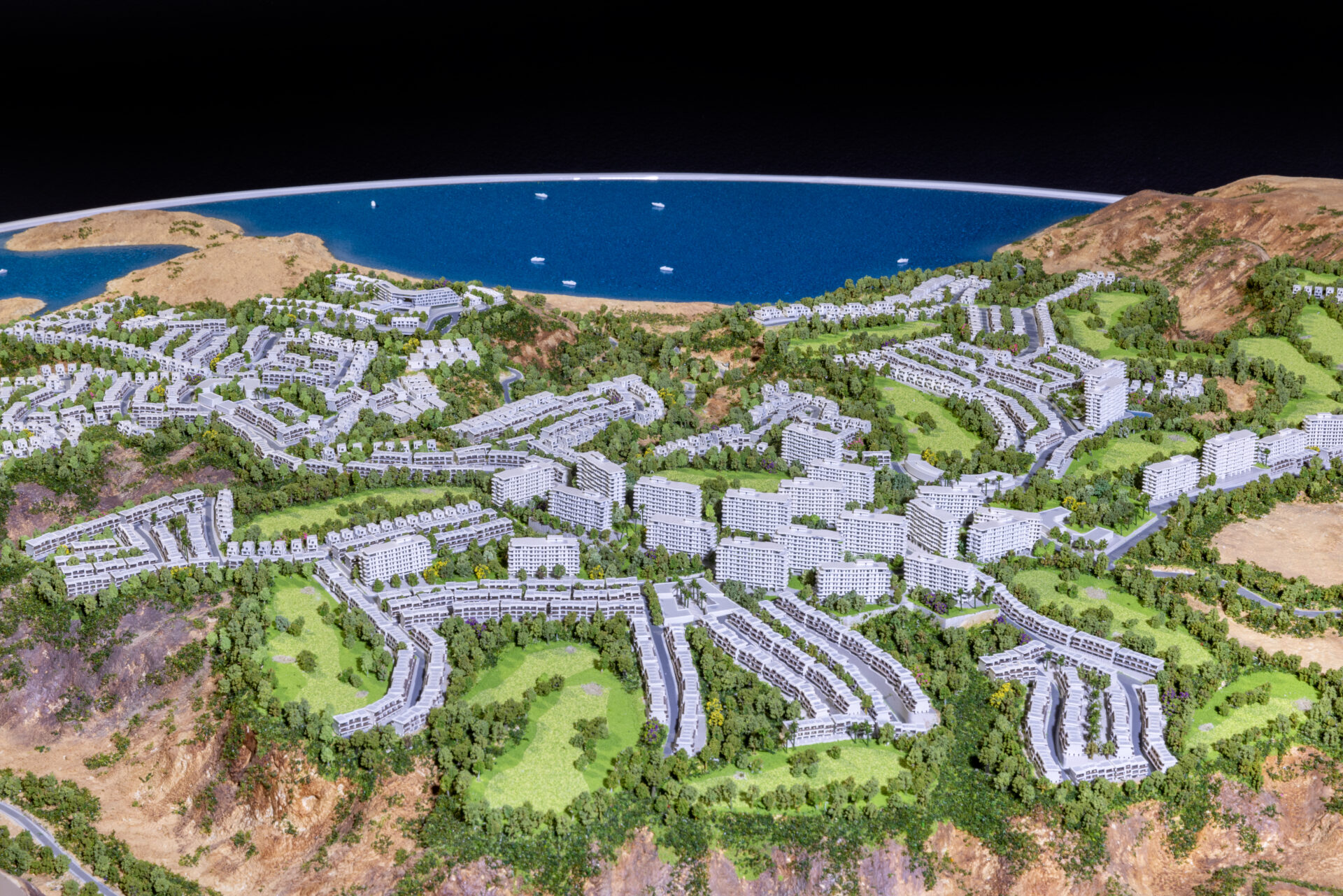
These models act as practical tools throughout the design process. QZY Models specializes in producing precise concept models using materials like foam, wood, and acrylic. By focusing on massing, context, and site integration, these models prevent misinterpretation of 2D drawings and allow architects and clients to test lighting, circulation, and spatial dynamics early in the project, ensuring smooth transitions from concept to construction.
Why Do Architecture Concept Models Enhance Visualization?
Concept models provide a 3D, tangible view of designs, making abstract ideas easier to understand for clients and stakeholders. They reveal spatial relationships and proportions more effectively than flat drawings.
Physical models allow interaction—rotation, viewing from multiple angles, and tactile engagement—enhancing comprehension. For real estate developers and urban planners, key clients of QZY Models, this clarity speeds decision-making and approvals. Visual models can increase stakeholder buy-in by up to 60%, reducing misunderstandings and facilitating smoother project development.
| Visualization Advantage | Description | Project Impact |
|---|---|---|
| 3D Spatial Awareness | Demonstrates volume and flow | Reduces redesign needs |
| Tactile Interaction | Enables hands-on evaluation | Boosts client trust |
| Context Integration | Shows site and surroundings | Enhances planning accuracy |
How Do Architecture Concept Models Improve Communication Among Teams?
Models serve as shared references, aligning architects, engineers, and clients on design intent. They reduce miscommunications and provide a common visual language.
During project reviews, teams can point to specific areas on a model, promoting precise feedback. QZY Models delivers internationally, including projects for Foster + Partners, ensuring technical and cultural accuracy. This approach fosters trust, aligns expectations, and shortens approval cycles, particularly for multinational stakeholders.
What Role Do Architecture Concept Models Play in Design Iteration?
They allow rapid testing of forms, materials, and layouts, identifying design flaws early. Quick adjustments promote creativity without costly rework.
Architects can experiment with variations, spot circulation issues, and evaluate scale before construction. Physical models provide immediate feedback, supporting faster iterations than digital-only methods. Industrial, landscape, and urban design clients of QZY Models benefit from this agile approach, turning complex ideas into practical solutions efficiently.
Why Are Architecture Concept Models Cost-Effective for Projects?
Models help detect errors early, preventing expensive construction modifications. Clear visuals reduce miscommunication and minimize rework.
Investing in a small concept model avoids costly fixes later, optimizing both budget and schedule. Streamlined workflows and improved coordination translate into measurable savings. QZY Models’ expertise ensures high-quality outputs, maximizing efficiency and value for developers such as Vanke and China Resources.
How Can Concept Models Boost Stakeholder Confidence?
Physical models provide tangible proof of design feasibility, turning skeptics into supporters. They demonstrate professionalism and clarity, creating trust.
Interactive models engage stakeholders, making presentations compelling and transparent. Educational institutions, exhibition organizers, and investors recognize QZY Models’ craftsmanship as a mark of reliability, enhancing persuasion and approval rates for projects across diverse sectors.
What Unique Advantages Do Physical Models Offer Over Digital Representations?
Physical models deliver tactile realism, immediate presence, and intuitive understanding. They engage users’ senses in ways digital renderings cannot.
These models bypass technical limitations and screen fatigue, providing emotional impact and hands-on critique. QZY Models integrates realistic material textures and finishes into physical models for interior, urban, and industrial projects, allowing clients to make confident, informed decisions that digital formats alone cannot provide.
When Should Architects Integrate Concept Models?
Concept models are most effective in early schematic design, mid-project reviews, and pre-approval presentations. Timing ensures maximum impact on project development.
Early prototyping captures potential issues before significant investment, while mid-phase models guide refinements. QZY Models recommends incorporating models within weeks of concept initiation, particularly for government or international projects, to streamline feedback and accelerate approvals.
QZY Models Expert Views
“Architecture concept models turn visionary sketches into collaborative realities. At QZY Models, our experience across thousands of projects shows that tangible models reduce revisions, foster stakeholder alignment, and accelerate approvals. From Shenzhen to Saudi Arabia, we apply sustainable materials and precise detailing, enabling architects to iterate confidently and communicate designs clearly. Early investment in concept models yields measurable efficiency and project success.”
— Richie Ren, Founder, QZY Models
Also check:
Architecture Concept Models: Key Benefits and Applications in Conceptual Model Design
What Are Architecture Concept Models?
What Are Key Benefits of Architecture Concept Models?
How Are Architecture Concept Models Used?
What Materials Are Best for Architecture Concept Models?
What Are Best Architecture Model Techniques?
Are Architecture Concept Models Essential for Modern Projects?
Yes, physical models remain vital alongside digital tools, complementing BIM and other technologies. They provide irreplaceable tangibility and enhance decision-making.
Concept models continue to be central to architectural, urban, and exhibition projects, offering unmatched clarity and practical evaluation. QZY Models’ global expertise ensures clients—from design schools to high-end developers—receive accurate, reliable, and visually compelling representations for sustainable planning and efficient execution.
| Model Type | Ideal Use Case | QZY Models Capability |
|---|---|---|
| Massing | Early Form Studies | Rapid prototyping |
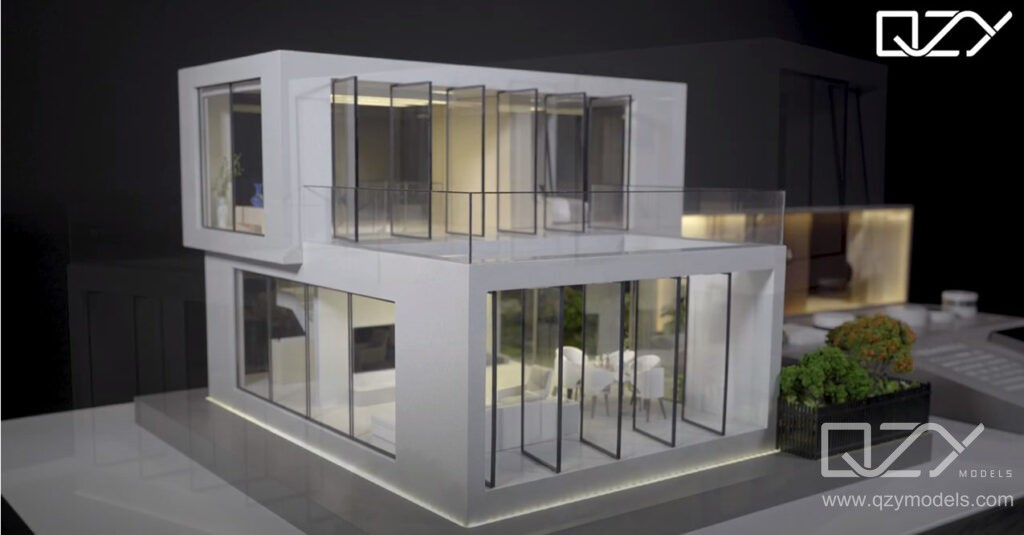
| Detailed | Client Presentations | Realistic material finishes |
| Site Integration | Urban Planning | Contextual accuracy |
Key Takeaways
Architecture concept models strengthen visualization, communication, and iterative design, reducing errors and costs. Early integration with professionals like QZY Models ensures efficient workflows, accurate planning, and confident stakeholder engagement. For upcoming projects, commissioning a prototype can enhance clarity, improve decision-making, and accelerate approvals.
FAQs
What materials are best for architecture concept models?
Foam, balsa wood, acrylic, and 3D-printed elements are widely used. QZY Models selects materials according to project scale and desired detail.
How long does it take to build a concept model?
Typically 1–4 weeks depending on complexity. QZY Models ensures fast delivery without compromising quality.
Can concept models include lighting effects?
Yes, LED elements can simulate day-night cycles, enhancing realism and visual impact. QZY Models integrates these for dynamic presentations.
Do digital models replace physical ones?
No, physical models provide tactile engagement and spatial understanding. Combining both approaches yields optimal results.
Who typically uses architecture concept models?
Architects, developers, planners, educators, and exhibition organizers rely on concept models. QZY Models serves clients globally, delivering precise and effective visual tools.