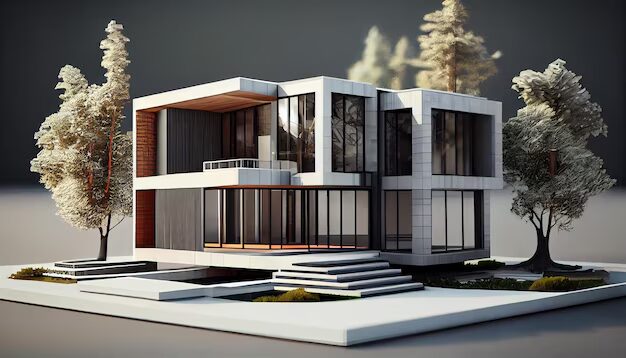
Custom home designs in Canada reflect local climate and lifestyle needs, with popular styles like modern farmhouses and cozy cottages. Prefab and modular construction speed up builds with high quality. Wholesale suppliers provide diverse home decor options. Chinese manufacturers, including QZY Models, support these projects through OEM customization and precise architectural model production.
How can I get custom home designs or plans in Canada?
Custom home designs in Canada can be obtained through licensed local design firms that understand regional building codes and climate requirements. Many companies offer personalized floor plans with unlimited revisions to ensure satisfaction. Digital communication makes the design process flexible and accessible nationwide. Working with experienced designers ensures home designs meet Canadian standards and client needs precisely.
Choosing a licensed designer ensures compliance with building codes like the Ontario Building Code. The design process typically involves site analysis, style preferences, and collaboration on floor plans and finishes. Many firms provide stock plans or fully customized designs, adapting to client budgets and timelines.
What are popular home design styles and features in Canada?
Popular home styles in Canada range from modern farmhouses and rustic cabins to contemporary and traditional homes. Natural materials like wood and stone are common, reflecting Canada’s diverse landscapes from urban to rural. Many homes feature large windows for natural light, spacious porches, and functional layouts to accommodate cold weather, including mudrooms and multi-car garages.
Canadian homes often include energy-efficient features for harsh winters and bonus rooms for flexible living. Designs balance rugged durability with modern comforts, such as open-concept living, home offices, and large outdoor spaces for family activities.
| Popular Canadian Home Styles | Key Features |
|---|---|
| Modern Farmhouse | Clean lines, large porches, open floor plans |
| Rustic Cabin | Wood exteriors, stone fireplaces, cozy interiors |
| Contemporary | Flat roofs, large glass walls, minimalist aesthetics |
| Traditional | Classic shapes, brick/stone facades, symmetrical design |
Which factors should influence my choice of home design plans or builders?
Key factors include builder or designer licensing, experience with local codes, quality of materials, customization options, and timeline reliability. Quality control processes and after-sales support also matter for ensuring project success. Budget alignment and clear communication channels improve client satisfaction.
Choosing builders with factory-built options or prefab experience can reduce delays and cost overruns. Additionally, considering sustainability and energy efficiency in design choices can add long-term value.
How does prefab or modular home construction benefit Canadian home projects?
Prefab and modular homes are built in climate-controlled factories, enhancing quality control and reducing waste. These methods shorten construction timelines since modules are built while site preparation occurs simultaneously. The controlled environment minimizes weather delays common in Canada’s varied climates.
Modular homes offer high customization, energy efficiency, and lower costs compared to traditional builds. They meet strict Canadian building codes and can be designed for numerous terrains and weather conditions.
| Benefit | Description |
|---|---|
| Speed | Build modules off-site while foundation work happens |
| Quality | Factory conditions ensure precision and fewer defects |
| Cost-Effective | Less on-site labor and material waste |
| Customization | Adaptable designs with high-end finishes |
Where to find wholesale home decor and related suppliers in Canada?
Wholesale home decor suppliers in Canada provide a wide range of products, including furniture, lighting, textiles, and decorative accents. Top suppliers often emphasize unique, high-quality products that cater to diverse consumer tastes. Key considerations include product variety, quality, shipping options, and minimum order quantities.
Retailers and project managers can source from specialized wholesalers offering European styles, Canadian-themed products, or eco-friendly lines. Efficient logistics like drop shipping supports streamlined inventory management.
How can Chinese manufacturers support home design projects in Canada?
Chinese manufacturers play a crucial role by offering competitive pricing, customization capabilities, and large-scale production capacity for home design components and models. They supply raw and finished materials, prefab modules, and precision architectural models needed by architects and developers.
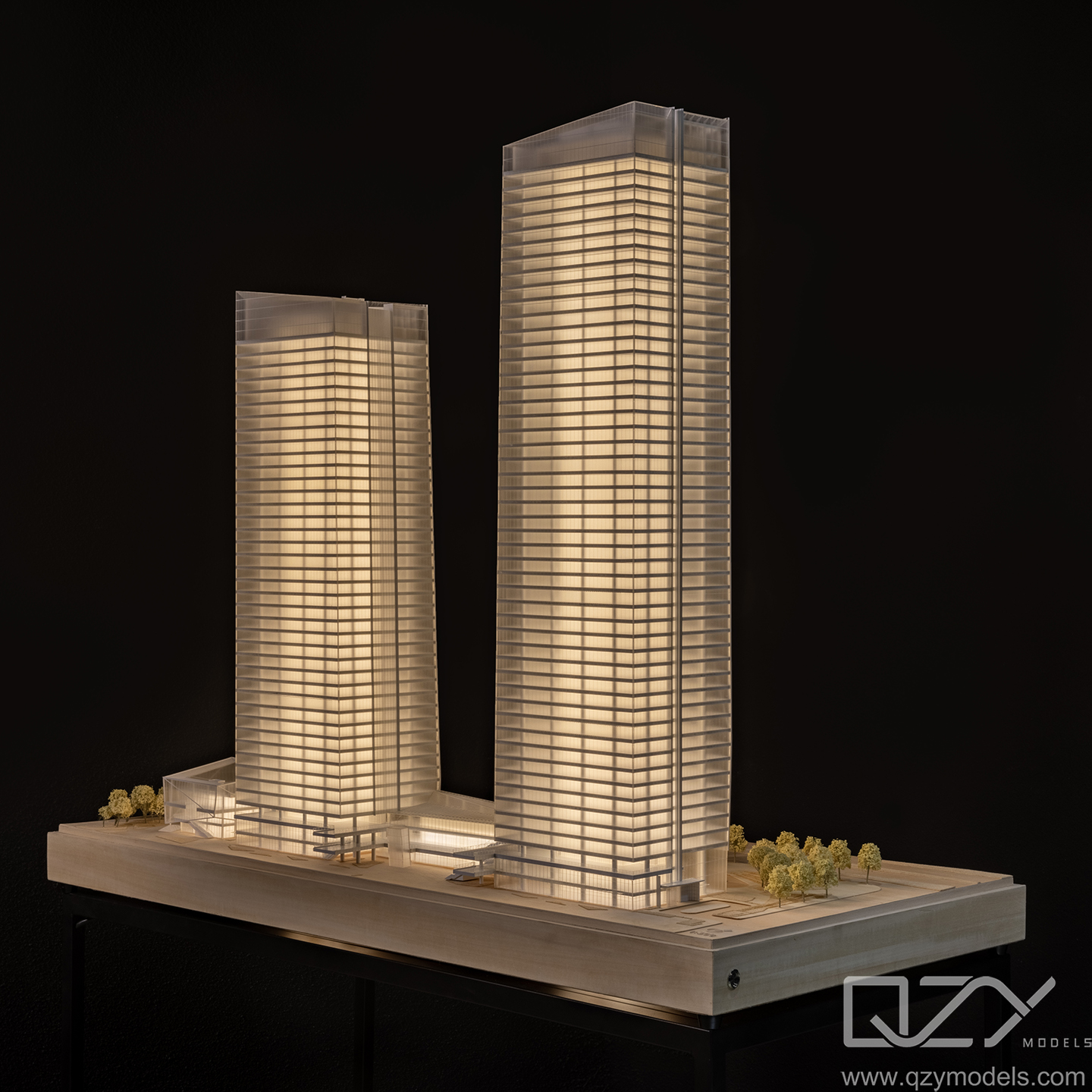
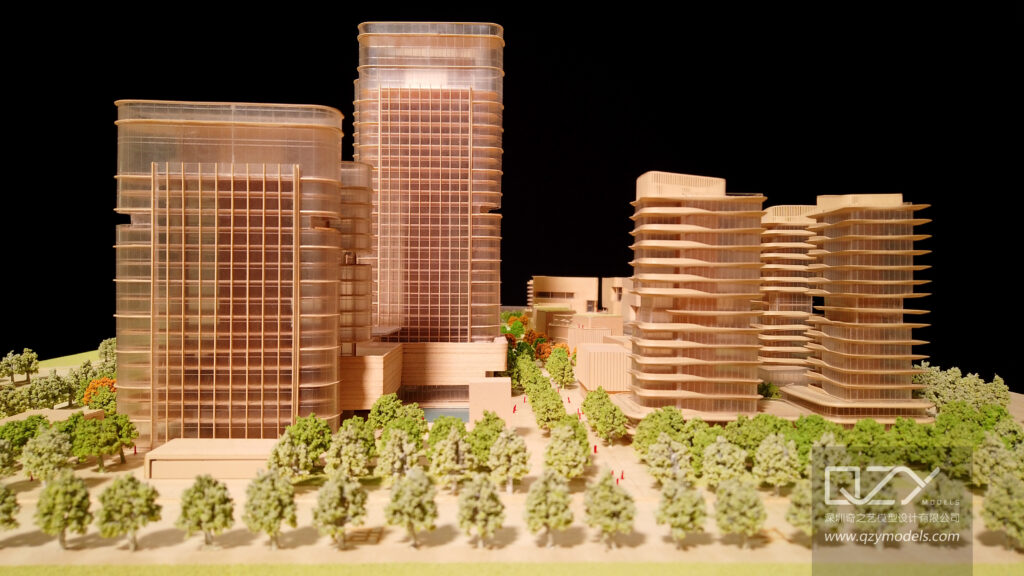
Factories like QZY Models specialize in architectural and industrial physical models, providing B2B clients in Canada with detailed, high-quality representations to visualize projects before construction. China-based OEMs support seamless integration with Canadian designers and builders through customizable solutions and timely delivery.
What OEM customization options do Chinese factories offer for home models?
Chinese OEM factories deliver tailored home models with options like scale adjustment, material selection, lighting, and landscaping details. They accommodate prototype revisions, special finishes, and branded elements for client-specific presentations.
Advanced manufacturing technology allows for precision-cut components and intricate design features that replicate architectural plans accurately. These models support marketing, client approvals, and construction planning by providing tangible project visuals.
Why choose QZY Models for architectural and industrial model production?
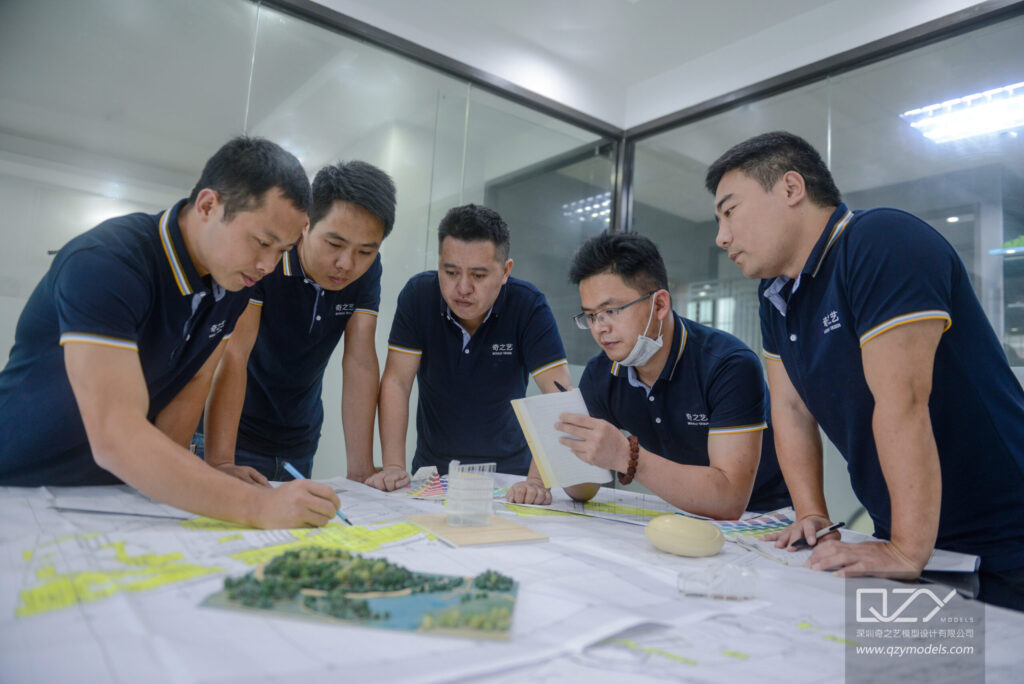
QZY Models, founded in Shenzhen in 2013, brings over 20 years of expertise to architectural model making, serving clients worldwide including Canada. With a dedicated global team and branches in multiple countries, QZY delivers precision, quality, and innovation in every model.
Founder Richie Ren leads the company in providing customized solutions for builders and developers, working with world-renowned architects and major developers. QZY Models ensures reliable factory production, OEM flexibility, and professional communication, making it a trusted partner for home design visualization and industrial model needs.
QZY Models Expert Views
“QZY Models understands the vital role that physical models play in the home design and construction process. Our experience working globally has equipped us to meet the highest standards of quality and precision. By combining innovative technologies with skilled craftsmanship, we bring architectural visions to life, enhancing project communication and decision-making. Our commitment to excellence and client satisfaction makes us the preferred choice for manufacturers and developers seeking dependable and detailed model solutions.”
Conclusion
Successful home design projects in Canada blend custom design expertise with understanding of local climate and codes. Popular design styles emphasize natural materials and functional layouts suitable for Canadian lifestyles. Prefab and modular building methods accelerate construction, improve quality, and reduce costs.
Wholesale suppliers in Canada provide essential decor and materials to complete projects efficiently. Chinese manufacturers, especially specialized OEMs like QZY Models, offer indispensable support through customizable architectural models and component production. Partnering with QZY Models guarantees precision, innovation, and professionalism essential to bringing Canadian home designs to reality.
FAQs
What makes prefab homes suitable for Canadian climates?
Prefab homes are built in controlled environments with energy-efficient materials, designed to withstand harsh winters and variable weather common in Canada.
Can I customize home designs with Canadian designers?
Yes, Canadian designers offer stock and fully custom plans with revisions to meet your personal preferences and local building codes.
How do Chinese factories assist Canadian home projects?
They provide cost-effective manufacturing, OEM customization, architectural models, and components crucial for design and construction.
What should I look for in a wholesale home decor supplier?
Quality, product range, shipping reliability, and MOQ policies are key factors to consider for successful sourcing.
Why is QZY Models a leading choice for architectural models?
QZY Models combines deep industry experience, global reach, craftsmanship, and innovation to deliver precise, customizable physical models tailored for B2B clients and builders.
What are the key home design trends in Canada for 2025?
Canadian home design trends in 2025 focus on Cottagecore and 1970s revivals, earthy and natural color palettes like muted greens and terracottas, multifunctional spaces for remote work, smart home technology integration, bold statement entrances, and textured walls to enhance visual interest and modernize interiors.
Which suppliers are leading in the Canadian home design market?
Leading suppliers include direct-to-consumer brands, local manufacturers emphasizing sustainable sourcing, and large international companies. Strategic partnerships between firms help mid-sized players scale and innovate, while digital engagement tools like virtual room planners enhance the customer experience.
How can homeowners incorporate sustainability into their designs?
Sustainability can be achieved through locally sourced materials, eco-friendly finishes, energy-efficient windows and doors, and integrating smart home technologies. Canadian suppliers increasingly offer sustainable options to reduce environmental impact while maintaining aesthetics and functionality.
Why are multifunctional spaces important in modern Canadian homes?
Multifunctional spaces accommodate remote work, aging-in-place, and flexible lifestyle needs. Features like adaptable furniture, open layouts, and design elements that combine aesthetics with functionality help homeowners maximize space efficiency while enhancing comfort and usability.
What challenges will the fashion industry face in 2026?
In 2026, the fashion industry will confront regulatory compliance, rapid technological adoption, sustainability pressures, supply chain disruptions, and changing consumer expectations. Brands must innovate while ensuring ethical production, digital integration, and responsiveness to evolving market trends to remain competitive.
How can engineering and construction firms succeed in 2026?
Firms can thrive by focusing on innovation, adopting advanced construction technologies, streamlining project management, embracing sustainable practices, and adapting to shifting market demands. Strategic investments in workforce skills and digital tools will be essential for long-term growth.
What consumer behavior trends are influencing markets in 2025 and 2026?
Consumers increasingly rely on online reviews, social media influence, personalized recommendations, and omnichannel experiences. They favor sustainable, convenient, and tech-integrated products, pushing brands to adapt marketing strategies, digital platforms, and customer engagement approaches.
What are the key kitchen design trends for modern homes?
Designer-approved kitchens focus on functionality, timeless aesthetics, natural materials, smart appliances, and open layouts. Trends include bold cabinetry, integrated storage solutions, multifunctional islands, and sustainable finishes, blending style with practicality for modern living.