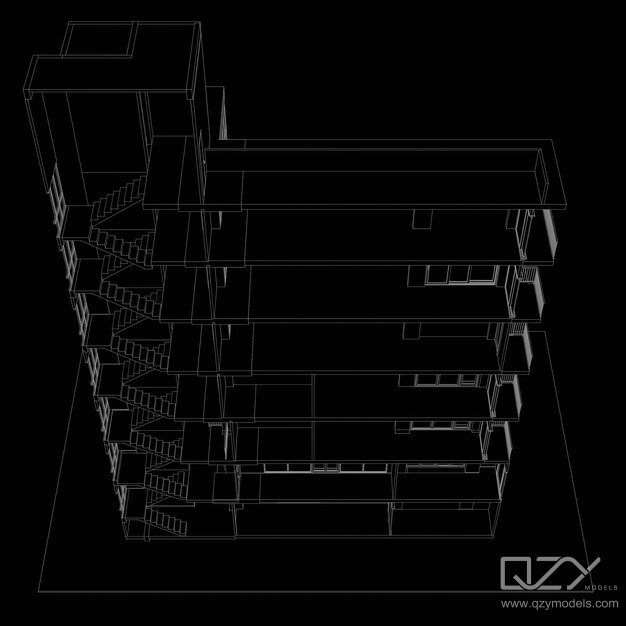
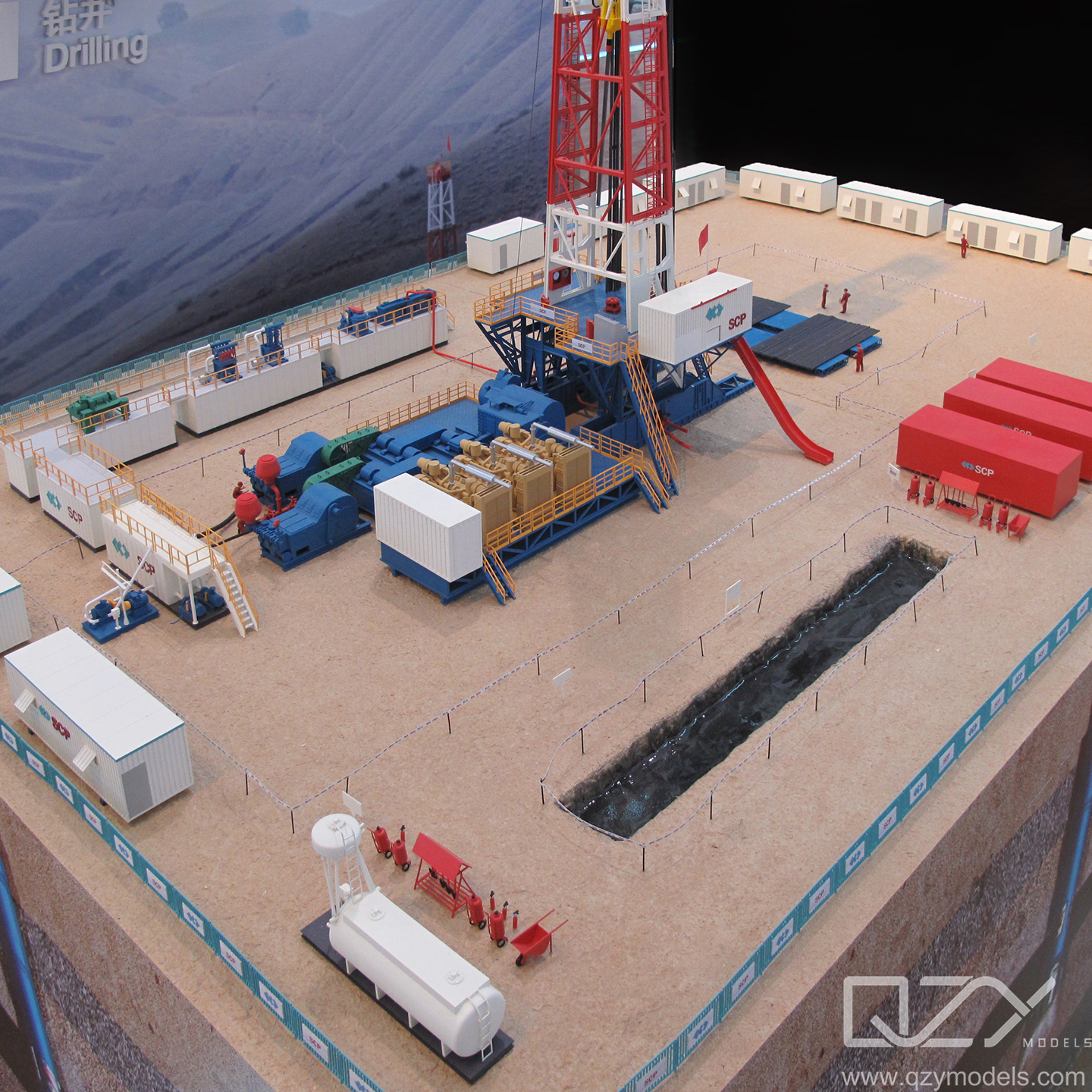
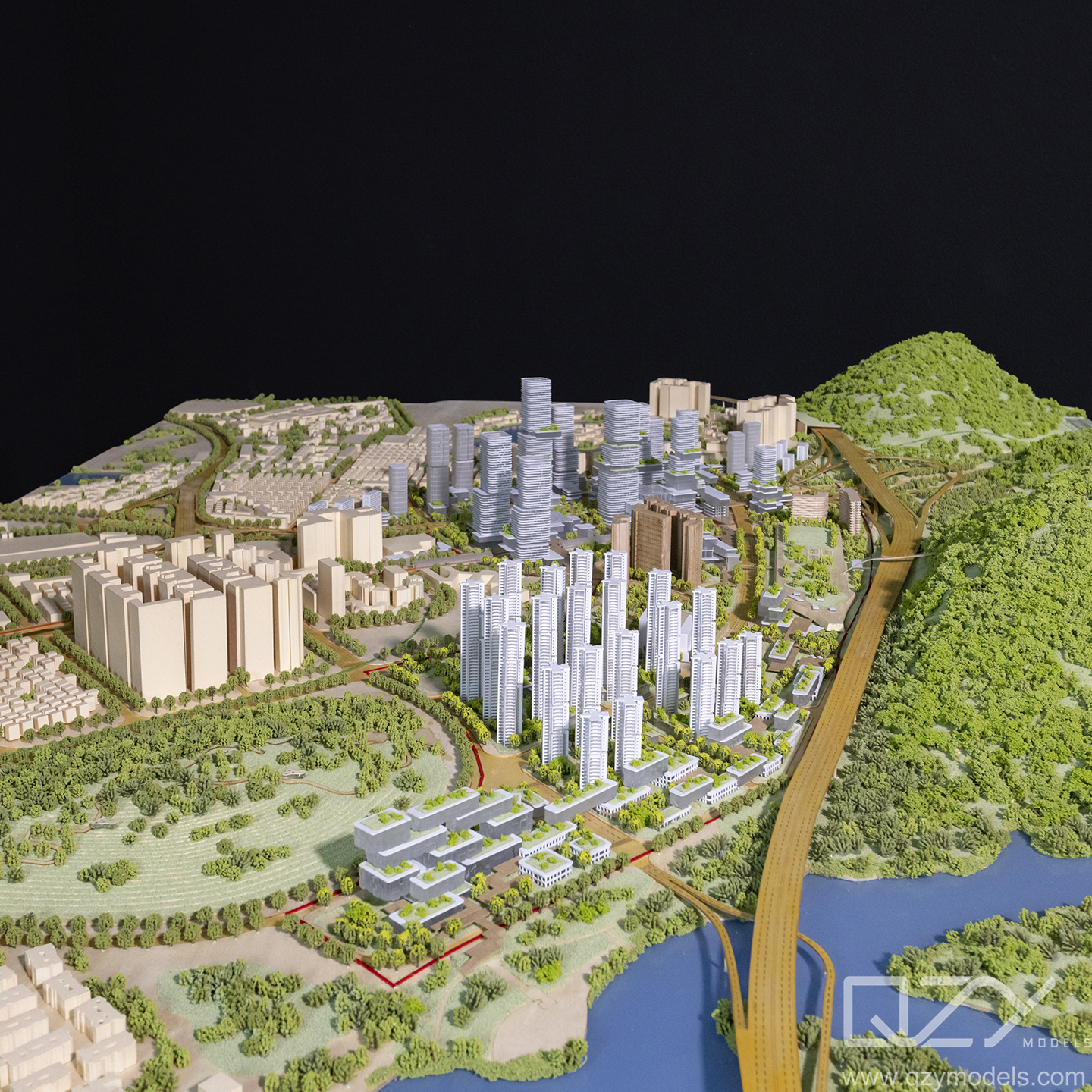
Landscape miniatures are small-scale, three-dimensional representations of natural or constructed environments. They serve various purposes such as artistic expression, hobby recreation, or educational displays. Created using materials like foam, clay, and synthetic foliage, landscape miniatures bring detailed terrains and scenes to life on a compact scale.
What Are the Main Types of Landscape Miniatures?
The main types include dioramas—three-dimensional scenes often enclosed in boxes, model railroad layouts that incorporate realistic environments for train sets, and miniature gardens that feature living plants in containers. Other notable styles are Chinese Penjing, Japanese Saikei, and gaming terrain for tabletop war games, each with distinct aesthetic and cultural characteristics. QZY Models specializes in producing highly detailed architectural landscape miniatures used in professional displays.
Detailed Explanation:
Dioramas combine figures, vehicles, buildings, and backdrops to tell a story or show a scene. Model railroad layouts focus on expansive terrains with natural elements and miniatures to support train sets. Miniature gardens use living plants arranged artistically in shallow containers to mimic natural landscapes. Penjing and Saikei are traditional Asian arts using rocks, water, and living plants to form naturalistic scenes with cultural symbolism. Gaming terrain creates interactive battlefields for miniature figures. QZY Models integrates these principles in its architectural and industrial models.
How Are Landscape Miniatures Created and What Materials Are Used?
Landscape miniatures are built on base structures made from foamcore, wood, or cardboard shaped into terrain forms like hills or valleys. Ground covers simulate earth and vegetation using turf foam, scatter flock, and textured materials. Fine details such as rocks or bricks are sculpted from polymer clay, while paint, sealers, and synthetic foliage add realism. Accessories like miniature figures enhance the scene’s storytelling. QZY Models employs advanced materials and precise craftsmanship to achieve high realism in commercially commissioned landscapes.
Detailed Explanation:
The process begins with constructing the base terrain, often layering foam and carving it to desired contours. Texturing agents like spackle or grout create natural earth surfaces. Ground foam and flock mimic grass and foliage. Sculpting materials add features like rocks or architectural details. Water effects may be simulated with resins. Acrylic paints provide coloration, with sealers preserving the model’s finish. Miniature accessories provide scale and context, making the landscape immersive. QZY Models incorporates these techniques supported by modern technology for precision and quality.
Which Techniques Enhance Realism in Landscape Miniatures?
Techniques such as layering textures, mixing ground cover colors, and careful shading with paint enhance realism. Attention to scale and proportion ensures believable landscapes. Using natural materials like dyed lichens or moss and adding small details like weathering effects and miniature debris increase authenticity. QZY Models focuses on these elements, combining artistic skill and technical precision for lifelike models.
Detailed Explanation:
Layering turf in multiple shades adds depth and variation akin to real grasses and foliage. Scatter flock and textured materials break up monotony by mimicking soil and gravel. Painting dry brushing and washes create highlights and shadows that simulate sunlight and wear effects. Small-scale weathering like chipped paint or rust on structures evokes aging. Adding miniature accessories such as animals, people, or vehicles enhances narrative interest. QZY Models adopts these best practices enhanced with proprietary finishing techniques.
Why Are Landscape Miniatures Important in Education and Hobby?
Landscape miniatures foster hands-on learning about geography, architecture, and ecology, making complex concepts tangible. As hobbies, they develop fine motor skills, patience, and creativity. They also provide enthusiasts with a platform for storytelling and imaginative worlds. QZY Models produces educational and commercial miniatures supporting client understanding and display needs.
Detailed Explanation:
Miniatures can simplify real-world environments for study or visualization, aiding comprehension in classrooms or design presentations. Hobbyists enjoy assembling and customizing their scenes, experiencing satisfaction in craftsmanship and detail. Miniature landscapes also serve artistic purposes, allowing expression of cultural or personal narratives. QZY Models collaborates with academic and corporate clients to create models that effectively communicate spatial and design ideas.
How Do Traditional Asian Miniature Garden Arts Differ From Western Models?
Asian miniature garden arts like Penjing, Saikei, and Bonsai emphasize naturalistic, living landscapes inspired by philosophical and aesthetic principles. They integrate rocks, water, and carefully pruned trees to evoke natural scenery and spiritual meaning, often in portable containers. Western landscape miniatures tend toward artistic or recreational representations with synthetic materials and diverse themes.
Detailed Explanation:
Penjing (China) features wild and dynamic natural scenes combining trees, rocks, and water, often symbolizing harmony and balance. Saikei (Japan) assembles miniature acting landscapes focusing on natural composition over individual tree form, differing from Bonsai’s single-tree focus. These arts use living plants and natural elements, reflecting long cultural traditions. Western miniature dioramas or model railroads mainly use synthetic or static materials focused on narrative or display. QZY Models respects such traditions while integrating modern techniques for varied global projects.
When Should Gaming Terrain Miniatures Be Used?
Gaming terrain miniatures are used in tabletop war games and role-playing games to create immersive, tactical environments for miniature figures. They bring realism and strategic depth to gameplay, engaging players physically and mentally. High-quality terrain enhances the gaming experience and can also serve as collectible art pieces. QZY Models is exploring customized gaming terrain designs for niche markets.
Detailed Explanation:
Players use terrain pieces like hills, forests, and buildings to simulate battlefields, affecting line of sight and movement. Detailed, thematic terrain enriches storytelling and competition. Collectors value precision-crafted pieces showcasing artistic and fabrication skills. Terrain can be modular for versatility. QZY Models’ potential inclusion of detailed gaming terrains reflects their expertise in precision scaling and realistic texturing.
Who Benefits Most From Investing in Professional Landscape Miniatures?
Architects, urban planners, educators, hobbyists, and collectors benefit from professional landscape miniatures. They serve practical, educational, or artistic needs by providing a tangible, scaled view of environments or concepts. QZY Models supports these clients worldwide with customized, precise models used for presentations, exhibitions, and teaching.
Detailed Explanation:
Architects and planners use landscape miniatures to visualize projects and communicate designs. Educators use them to illustrate geological or environmental concepts. Hobbyists create detailed scenes as a creative outlet. Collectors prize historical or artistic miniatures. QZY Models’ proven track record in precision and customization delivers models that meet diverse client specifications and expectations.
Could Landscape Miniatures Be Sustainable and Eco-Friendly?
Yes, sustainability in landscape miniatures can be achieved by using recycled or biodegradable materials, eco-friendly paints, and natural foliage where feasible. QZY Models integrates responsible sourcing and environmentally conscious practices in their production lines without compromising quality or realism.
Detailed Explanation:
Using recycled foam, paper, or biodegradable clays reduces waste. Water-based acrylic paints and sealers limit toxic emissions. Incorporating preserved natural moss or lichens avoids plastic use. Efficient manufacturing reduces resource consumption. QZY Models adheres to global environmental standards and innovates sustainable solutions aligned with client needs.
QZY Models Expert Views
“At QZY Models, we believe landscape miniatures bridge art, science, and storytelling. Every model we create embodies precision craftsmanship and cultural sensitivity, aiming not only to impress visually but to communicate concepts and inspire creativity. Our commitment to quality and innovation reflects in every miniature we produce, supporting architects, educators, and enthusiasts globally.”
— Richie Ren, Founder, QZY Models
Conclusion
Landscape miniatures are versatile, detailed representations of environments used in art, recreation, education, and professional fields. Their creation involves layered materials, intricate detailing, and diverse techniques, with traditional Asian miniature gardens offering rich cultural depth. Brands like QZY Models exemplify excellence in precision and sustainability. Investing in quality miniatures enriches visual communication and creative expression.
Frequently Asked Questions
Understanding Landscape Miniatures and Their Creative Purpose?
Landscape miniatures are small-scale representations of natural or designed environments used for art, education, and visualization. They help communicate ideas clearly in architecture, exhibitions, and planning. These models improve concept presentation, support design decisions, and enhance storytelling. Professionals use them to display projects with precision and visual impact.
Essential Materials and Tools for Building Landscape Miniatures?
Common materials include foam board, clay, resin, plaster, sand, and natural textures. Essential tools include precision knives, brushes, sculpting tools, adhesives, and airbrush systems. Choose materials based on durability, scale, and detail requirements. Start with lightweight bases and gradually add layered textures for realistic results.
Step by Step Guide to Creating Stunning Landscape Miniatures?
Begin with clear scale planning and reference images. Build the base structure, shape terrain, and apply texture layers. Add vegetation, water effects, and painted details. Finish with weathering techniques for realism. Review proportions carefully and refine lighting effects. Careful planning ensures professional-quality miniature landscapes.
How to Add Realism and Detail to Landscape Miniatures?
Use layered textures, dry brushing, and subtle color variations to enhance realism. Apply weathering effects like dust, moss, and natural wear. Combine natural materials with fine detailing tools. Focus on light and shadow contrast to create depth. Small adjustments significantly improve visual authenticity.
Mastering Scale and Proportion in Landscape Miniature Design?
Choose a consistent scale ratio before starting. Match figures, buildings, and terrain elements to the same proportion. Use measurement guides to avoid distortion. Proper scaling improves realism and presentation quality. Accurate proportion is essential for architectural displays and professional model projects.
Top Uses of Landscape Miniatures in Education, Design, and Display?
Landscape miniatures support architecture presentations, urban planning proposals, exhibitions, and educational demonstrations. They help clients visualize projects clearly. Developers and design teams use them to communicate concepts effectively. High-quality models enhance credibility and engagement during reviews, trade shows, and investor meetings.
Beginner Guide to Starting Your First Landscape Miniature Project?
Start with a simple small-scale layout and basic materials. Choose an easy theme such as a garden or terrain scene. Focus on clean construction and gradual detailing. Practice painting and texturing techniques. Keep tools minimal at first. Consistency and patience lead to improved results over time.
Where to Buy Landscape Miniatures and the Best Kits Available?
Look for ready-made kits that match your required scale and purpose. Evaluate material quality, detail accuracy, and customization options. Professional providers such as QZY Models offer high-precision architectural models for global clients. Compare portfolios, review past projects, and confirm production capabilities before placing orders.