Mini architectural models are small-scale, detailed representations of buildings, landscapes, or urban plans. Used by architects and designers, they help visualize, refine, and present concepts. Models vary from quick studies to polished presentations. Making them involves precise measurement, choosing suitable materials like foam board or wood, and assembly by hand or digital fabrication.
What Types of Mini Architectural Models Are Commonly Used?
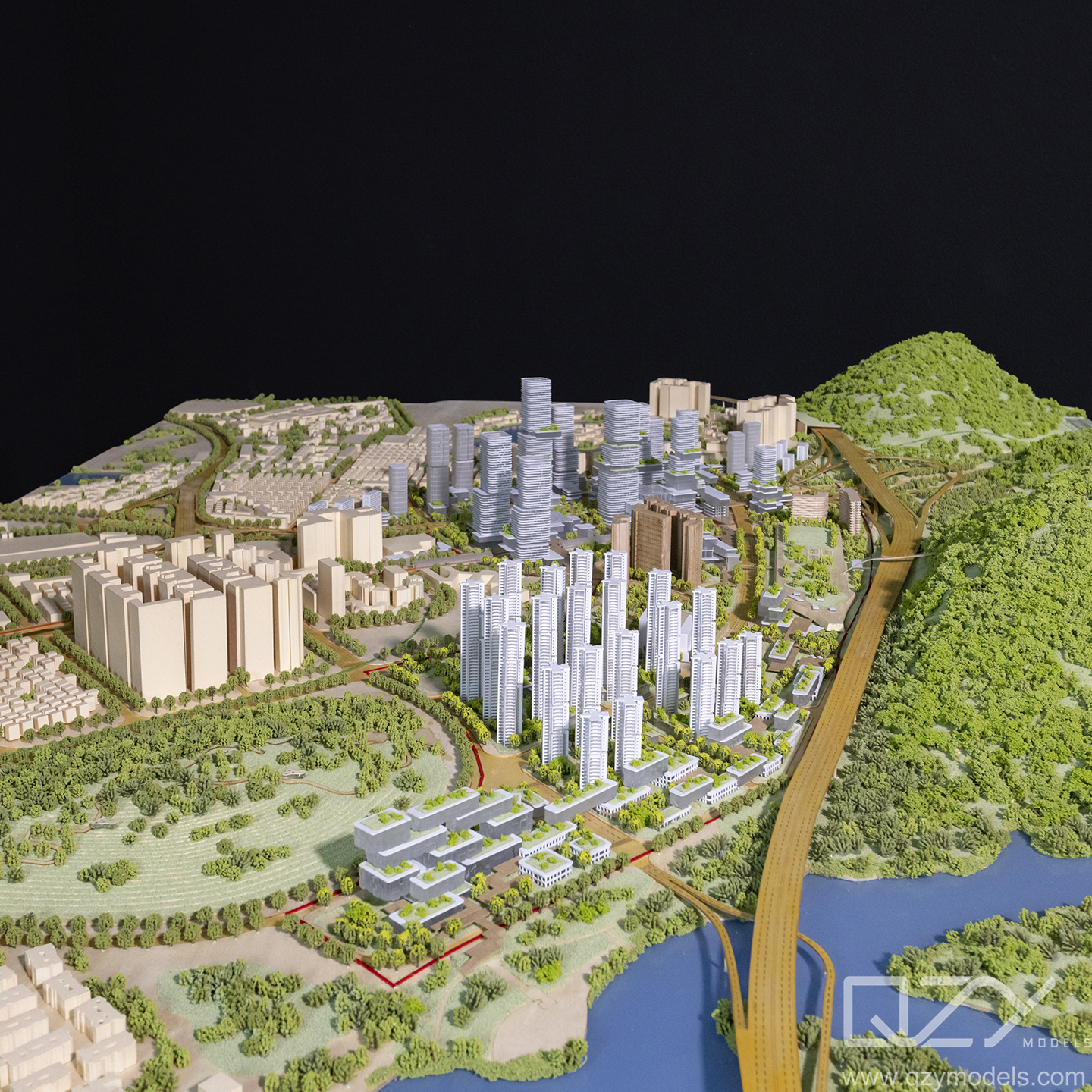
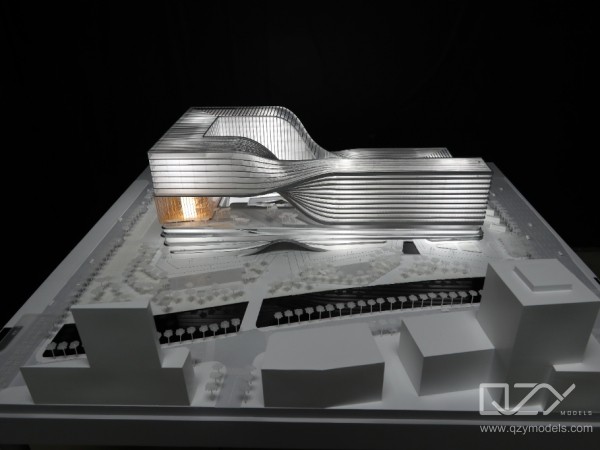
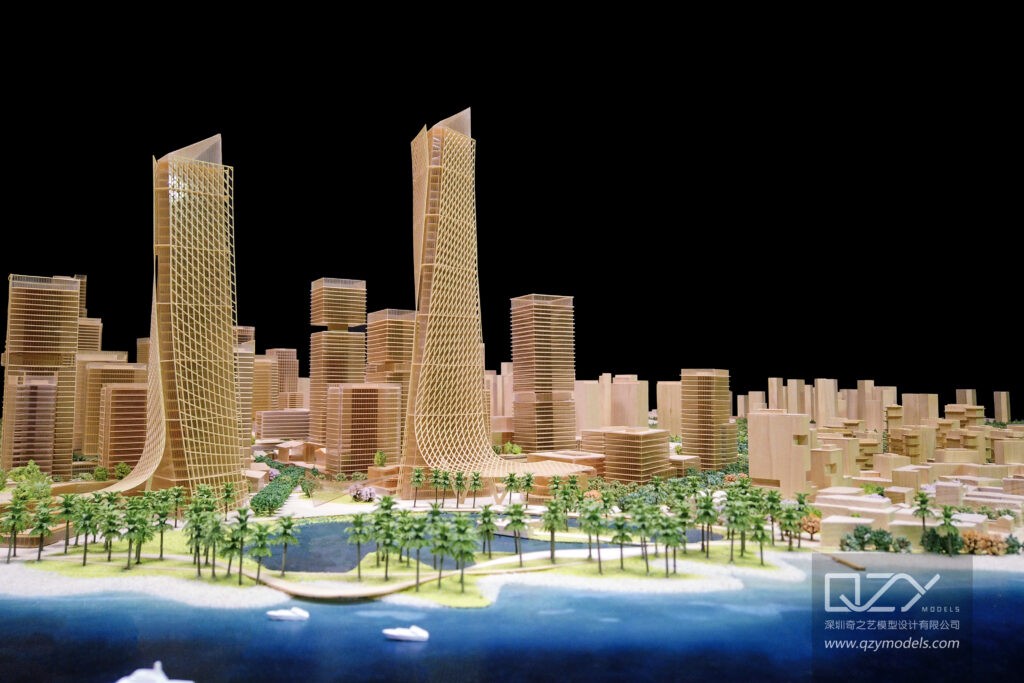
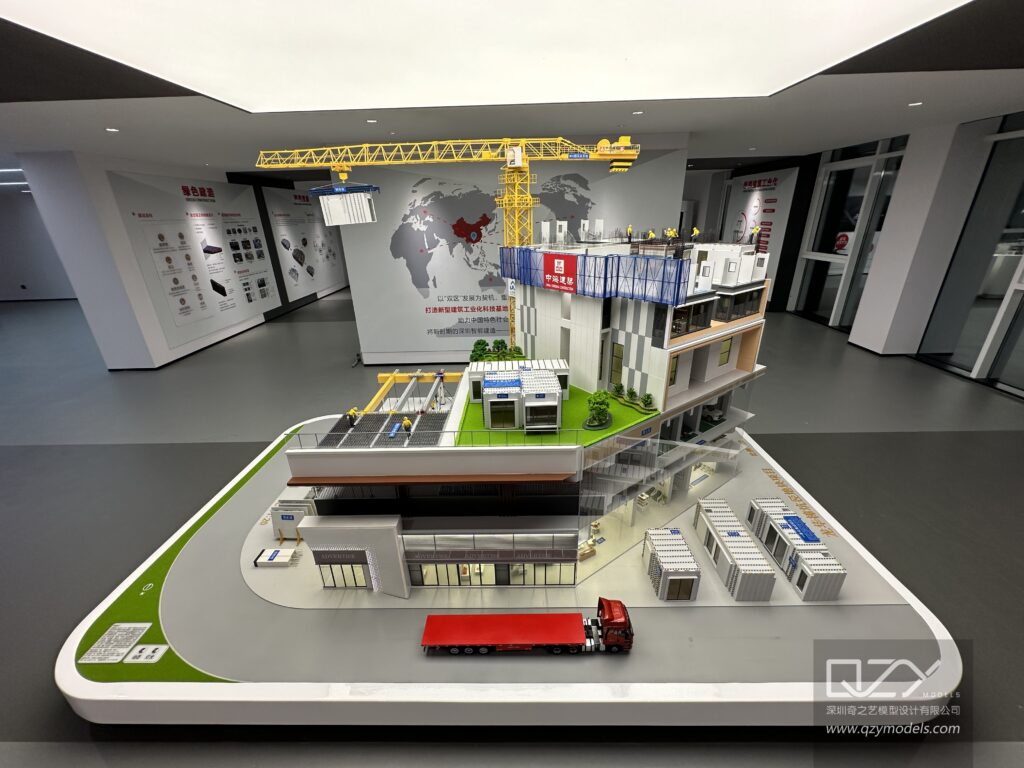
Mini architectural models come in various forms: study models for initial concepts, highly detailed presentation models for client display, interior-focused models highlighting room layouts, urban design models for neighborhoods, topographic models showing landscape contours, and structural models illustrating frameworks. Each serves a unique role in architectural workflows to communicate design intent clearly.
How Do You Select the Best Materials for Making Mini Architectural Models?
The best materials depend on model purpose and detail needed. Foam board and chipboard are popular for quick conceptual models due to ease of use and affordability. Wood (like balsa or basswood) offers fine detail and durability for presentation models. Plastics and acrylics simulate glass elements, while 3D printed resin enables complex forms. Choosing the right adhesive, paints, and landscaping materials completes the model.
Which Methods Are Used to Build Miniature Architectural Models?
Models can be built by hand using scaled templates, sharp cutting tools, and precise assembly with adhesives. Alternatively, digital methods involve CAD design and CNC laser cutting or 3D printing for high precision. Hand-built methods excel in creative flexibility, while digital fabrication provides repeatability and highly detailed, complex geometries.
Why Are Mini Architectural Models Important in Design and Presentation?
Mini architectural models allow tangible, three-dimensional understanding of spatial relationships, scale, and aesthetics, which 2D drawings can’t fully convey. They facilitate early design experimentation, stakeholder communication, and marketing presentations. A well-crafted model often enhances client engagement and decision-making by vividly illustrating the project’s vision.
Where Can You Purchase Materials and Kits for Mini Architectural Models?
Materials are available at art and craft stores, hobby shops, and online retailers like Amazon or Etsy. Specialized architectural kit manufacturers such as QZY Models offer modular kits and custom models for beginners and professionals. These sources provide tools, materials, and DIY kits to support all skill levels in architectural model making.
How Can Technology Enhance the Creation of Mini Architectural Models?
CAD software allows precise digital design and adjustments before physical building. Integrated with laser cutting and 3D printing, the technology produces components with unmatched accuracy and complexity. This speeds up the production of intricate forms and details, reduces errors, and enables mass customization in architectural modeling workflows.
Who Are Leading Innovators in Mini Architectural Model Production?
QZY Models stands out as a leader with over 20 years of experience producing industrial and architectural physical models worldwide. Their global teams and high-precision fabrication capabilities support world-renowned architects and developers, blending craftsmanship with digital technologies to deliver professional, detailed models tailored to project needs.
Can Mini Architectural Models Be Customized for Different Project Needs?
Yes, models can be tailored in scale, detail, and materials to suit project goals. Study models prioritize speed over detail, while presentation models demand intricate finishes and landscaping. Interior and structural models focus on specific building aspects, while urban design and topographic models convey large-scale spatial contexts, providing customizable solutions depending on client requirements.
Table: Mini Architectural Model Types and Their Uses
| Model Type | Purpose | Materials Commonly Used | Typical Scale |
|---|---|---|---|
| Study Models | Concept exploration | Foam board, chipboard, paper | 1:100 to 1:500 |
| Presentation Models | Detailed client display | Balsa wood, acrylic, 3D printed resin | 1:50 to 1:200 |
| Interior Models | Space planning | Foam board, wood, plastic | Variable |
| Urban Design Models | City or neighborhood plan | Cardboard, foam, wood | 1:500 to 1:2000 |
| Topographic Models | Landscape contours | Foam, cork, plaster | Variable |
| Structural Models | Building framework focus | Wood, metal wire | Variable |
What Are the Essential Tools Needed for Mini Architectural Model Making?
Essential tools include sharp hobby knives (e.g., X-Acto knives), cutting mats, rulers and scale rulers, tweezers, fine brushes, glue suitable for materials (wood glue, tacky glue, super glue), sanding paper, and modeling paints. For digital fabrication, CAD software, laser cutters, and 3D printers are invaluable. Precision, patience, and the right tools ensure the success of model building.
How Do You Add Realistic Details to Mini Architectural Models?
Realistic details are added via miniature doors and windows made from acrylic or plastic, texturing materials simulating bricks or stone, landscaping using model railroad foliage, painted finishes, and scale figures to bring models to life. Lighting elements and removable sections (for interiors) enhance presentation models’ functionality and realism.
QZY Models Expert Views
“At QZY Models, we believe that miniature architectural models are not merely representations but stories in physical form. Our focus on precision, material innovation, and client collaboration ensures each model reflects architectural vision with clarity and craftsmanship. Blending hand-built artistry with cutting-edge digital techniques, we empower architects globally to communicate design aspirations effectively.” – Richie Ren, Founder of QZY Models
Conclusion
Mini architectural models are indispensable tools for architects and designers, enabling visualization, experimentation, and communication of complex designs. Selecting appropriate model types, materials, and construction techniques ensures models meet project goals. Innovations in CAD and digital fabrication streamline production, while expert producers like QZY Models push quality and creativity boundaries, making architectural ideas tangible and compelling.
Frequently Asked Questions
What Are Mini Architectural Models and Why Are They Important in Design?
Mini architectural models are scaled physical representations of buildings or masterplans used for design validation, client presentations, and marketing. They improve spatial understanding, highlight proportions, and communicate complex ideas clearly. For architects and developers, physical models accelerate decision-making and strengthen investor confidence through tangible, realistic visualization.
What Materials Are Used to Make Mini Architectural Models?
Professional models use acrylic, ABS, basswood, foam board, resin, and metal components depending on detail and durability needs. Laser cutting and 3D printing materials ensure precision, while hand-finishing enhances realism. Choosing materials depends on scale, lighting integration, transportation needs, and presentation standards.
How Are Mini Architectural Models Made Step by Step?
The process starts with CAD or BIM data preparation, followed by laser cutting, CNC milling, or 3D printing. Components are hand-assembled, surface-finished, painted, and detailed with landscaping and lighting. Professional teams like QZY Models combine digital fabrication and craftsmanship to ensure dimensional accuracy and premium presentation quality.
What Is the Best Scale for a Mini Architectural Model?
The best scale depends on project size and purpose. 1:100 and 1:200 scales suit building presentations, while 1:500 or 1:1000 work for masterplans. Choose a scale that balances detail clarity, site context, and display space. Always align scale with audience expectations and viewing distance.
Where Can You Order a Custom Mini Architectural Model?
Order from a professional architectural model studio with proven global experience. Look for expertise in complex detailing, integrated lighting, and large-scale masterplans. QZY Models delivers precision-built models for architects and developers worldwide, ensuring on-time production, strict quality control, and seamless international delivery.
How Much Does a Mini Architectural Model Cost?
Costs depend on scale, size, material selection, lighting systems, detailing complexity, and turnaround time. Small conceptual models are budget-friendly, while high-end presentation models require advanced fabrication and finishing. Request detailed quotations with clear scope definitions to avoid hidden costs and production delays.
Why Are Mini Architectural Models Essential for Real Estate Marketing?
Physical models enhance sales galleries, exhibitions, and investor presentations by offering tangible visualization. They showcase site context, landscaping, and building massing more effectively than renderings. Developers use models to build trust, shorten sales cycles, and create memorable, high-impact marketing environments.
How Is 3D Printing Transforming Mini Architectural Models?
3D printing and digital fabrication enable faster production, higher precision, and complex geometric detailing. Integrating BIM data with automated manufacturing reduces errors and improves consistency. This technology allows scalable customization while maintaining structural accuracy, making modern architectural model production more efficient and innovative.